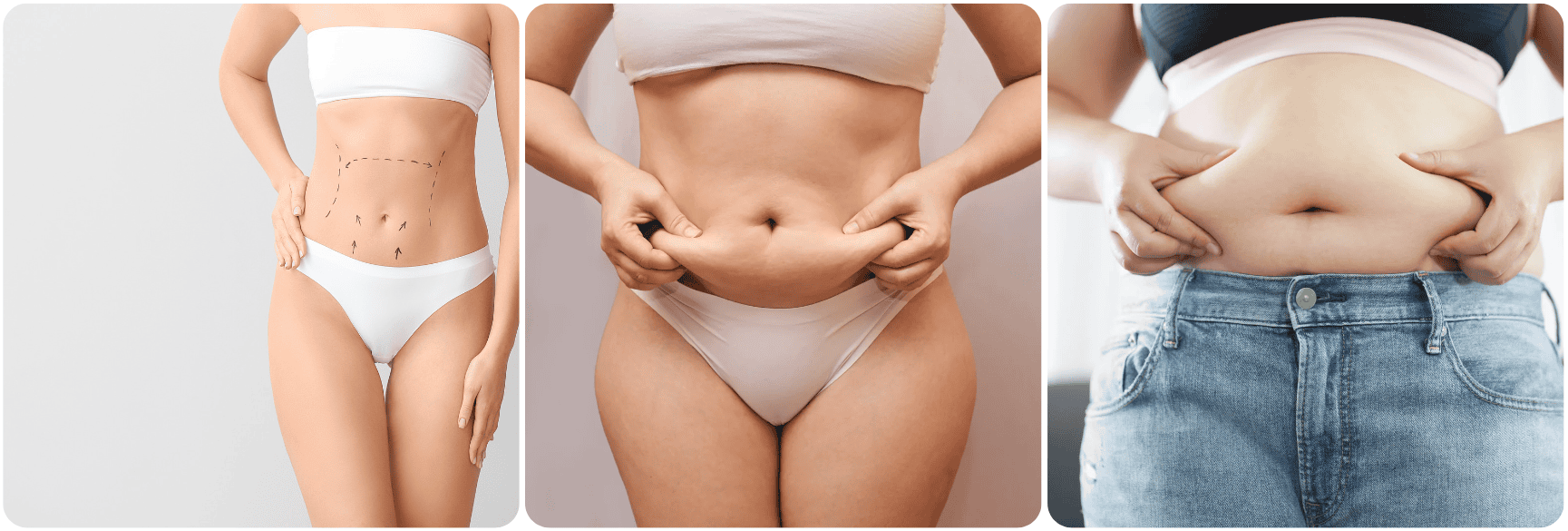
Laser liposuction is a minimally invasive cosmetic procedure designed to remove stubborn fat deposits from specific areas of the body. This technique utilizes laser energy to heat and break down fat cells. The process begins with small incisions in the skin, through which a thin laser fiber is inserted. The laser melts the fat, allowing it to be easily suctioned out using a fine cannula.
One of the key advantages of laser liposuction is that it is less traumatic to surrounding tissues compared to traditional liposuction, often resulting in less swelling and a shorter recovery time. Additionally, the heat generated by the laser stimulates collagen production, which can help tighten the skin after the procedure.
The procedure is typically performed under local anesthesia, enabling patients to recover more quickly and experience less pain. The results of laser liposuction are generally long-lasting, provided that the patient maintains a healthy lifestyle. However, it is important to understand that this technique is not a weight-loss solution but rather a method for body contouring and improving overall shape.
Laser liposuction can be applied to various body parts, including the abdomen, hips, thighs, arms, and even the neck. Patients considering this treatment should be well-informed about the procedure, potential risks and complications, and realistic expectations regarding outcomes. Consulting with an experienced and qualified physician is essential to determine whether laser liposuction is the right choice for their specific needs and goals.
Laser liposuction for the belly is a minimally invasive cosmetic procedure that uses laser technology to remove unwanted fat and contour the abdominal area. Unlike traditional liposuction, which relies on suction to remove fat, laser liposuction uses a laser fiber inserted under the skin to melt the fat before it is suctioned out. The laser energy also stimulates collagen production, which helps to tighten and firm the skin in the treated area, leading to smoother and more toned results.
Laser liposuction for the belly is a minimally invasive cosmetic procedure that uses laser technology to remove unwanted fat and contour the abdominal area.
Laser liposuction is particularly effective for targeting small to moderate fat deposits and is often used for individuals who have stubborn belly fat that doesn't respond to diet or exercise. This procedure is ideal for people looking to achieve a more sculpted, defined abdominal appearance without the need for invasive surgery or long recovery times.
Laser liposuction for the belly is typically performed under local anesthesia, ensuring that the patient remains comfortable during the procedure. The surgeon begins by making small incisions in discreet areas of the abdomen. Through these incisions, a thin laser fiber is inserted under the skin.
Laser liposuction for the belly is typically performed under local anesthesia, ensuring that the patient remains comfortable during the procedure.
The laser energy is then used to target and melt the fat in the belly area. As the fat is liquefied, it is gently suctioned out through a small cannula. The laser also stimulates collagen production, which helps to tighten the skin and improve its elasticity. The procedure usually takes between 1 to 2 hours, depending on the size of the treatment area.
After the procedure, patients are typically advised to wear compression garments to reduce swelling and support the healing process. **The recovery time is relatively quick, with most patients able to return to normal activities within a few days. **
Different laser wavelengths are used in laser liposuction to target fat efficiently while also encouraging skin tightening. The wavelength determines how deeply the energy penetrates and how effectively fat cells are liquefied. This precision allows practitioners to tailor the treatment to the unique characteristics of abdominal fat.
Key technical advantages include:
👉 Targeted heating of fat cells without damaging skin
👉 Improved stimulation of collagen fibers
👉 Reduced trauma to blood vessels and nerves
👉 More even fat removal across the belly area
These technical elements help explain why laser liposuction belly treatments often result in smoother contours and faster visible improvements compared to older approaches.
After laser liposuction belly, the body relies on the lymphatic system to clear residual fluids and cellular debris. Supporting this natural process can significantly influence recovery speed and final results. Gentle movement and proper hydration encourage lymphatic flow, helping reduce swelling and firmness.
Many patients also explore supportive methods such as:
👉 Light walking during early recovery
👉 Manual lymphatic drainage massage (when approved)
👉 Wearing compression garments consistently
By assisting lymphatic circulation, these strategies help the abdomen settle into its new shape more efficiently after laser liposuction.
One of the main benefits of laser liposuction for the belly is its ability to remove stubborn fat while also tightening the skin, resulting in a more sculpted and toned appearance. The laser energy used in the procedure not only melts fat but also stimulates collagen production, which helps to firm and tighten the skin, reducing the risk of sagging. Laser liposuction is minimally invasive, meaning there are no large incisions, and the procedure is typically performed under local anesthesia, resulting in a shorter recovery time compared to traditional liposuction. The small incisions used in the procedure also minimize scarring.
One of the main benefits of laser liposuction for the belly is its ability to remove stubborn fat while also tightening the skin, resulting in a more sculpted and toned appearance.
Additionally, laser liposuction can be used to treat smaller, more delicate areas of the belly, such as the lower abdomen or the area around the belly button. The results are long-lasting, provided the patient maintains a healthy lifestyle. Overall, laser liposuction for the belly offers a safe, effective, and non-invasive way to achieve a more defined, toned abdominal area with minimal downtime.
Not all abdominal fat behaves the same. Laser liposuction primarily targets subcutaneous fat, which lies just beneath the skin. This is the fat responsible for visible bulges and uneven contours. Visceral fat, located deeper around internal organs, cannot be treated with cosmetic procedures.
Understanding this distinction matters because:
👉 Subcutaneous fat responds well to laser-based removal
👉 Visceral fat requires lifestyle-based management
👉 Skin elasticity influences how smoothly the belly retracts
Recognizing these layers helps patients better understand what laser liposuction belly can—and cannot—achieve.
Laser liposuction belly allows for highly precise contouring of the abdominal area. Surgeons can focus on specific zones, such as the lower belly, sides near the hips, or around the navel, achieving a more sculpted and natural waistline. This technique is ideal for patients seeking refined shaping rather than extensive fat removal. Careful planning ensures a harmonious and balanced appearance, highlighting the benefits of minimally invasive fat reduction.
Some areas of the belly have fibrous or dense fat, which is challenging to treat with traditional methods. Laser liposuction belly uses targeted laser energy to break down these tough fat cells, making extraction smoother and less traumatic for surrounding tissue. This ensures a uniform contour and reduces the risk of irregularities. Patients experience less bruising, faster healing, and improved skin texture in treated areas.
Successful laser liposuction belly outcomes depend heavily on thoughtful treatment planning. Instead of focusing on a single spot, practitioners often map multiple small zones across the abdomen. This approach avoids overcorrection and creates a more natural silhouette.
Commonly evaluated areas include:
👉 Upper abdomen fullness
👉 Lower belly protrusion
👉 Central abdominal definition
👉 Transition zones near the flanks
This detailed mapping supports proportional contouring and reduces the risk of uneven results from laser liposuction.
One of the unique benefits of laser liposuction belly is its effect on skin tightening. The laser stimulates collagen production, improving elasticity and firmness in the abdominal area. Patients with mild sagging can see a more toned and youthful appearance after treatment. While not a replacement for a tummy tuck in severe cases, laser liposuction belly often reduces the need for additional surgical procedures, providing a more natural result.
Laser liposuction belly can be combined with treatments on surrounding areas for full abdominal contouring.
💚 Upper and lower belly fat reduction
💚 Flanks and love handles shaping
💚 Adjacent areas like hips or thighs
This multi-zone approach creates balanced and harmonious body proportions, often achieving dramatic improvements in a single session.
Not everyone is a perfect match for laser liposuction. This procedure is best suited for individuals who are close to their ideal body weight but struggle with localized fat deposits that don’t respond to diet or exercise. Ideal candidates are generally in good health, have good skin elasticity, and maintain realistic expectations about the outcomes.
Not everyone is a perfect match for laser liposuction.
People with significantly loose or sagging skin may not achieve optimal results, as laser liposuction tightens the skin only to a certain extent. A consultation with a certified cosmetic surgeon is essential to evaluate whether you're a good candidate for this minimally invasive body contouring procedure.
Although laser liposuction involves minimal downtime, following proper recovery tips can speed up healing and enhance your final results. Patients are typically advised to wear compression garments for a few weeks to reduce swelling and support the treated area. Staying hydrated, avoiding strenuous activity for at least a few days, and eating nutrient-rich foods can also help accelerate recovery. Mild bruising, swelling, and soreness are normal and should subside within a week.
Avoiding alcohol and smoking during recovery is also crucial, as these can slow down healing and affect skin tightening results. Always follow your doctor's post-op instructions carefully for the best outcome.
One of the biggest differences between laser liposuction and traditional liposuction is the use of laser energy to melt fat before removal. This results in a less aggressive procedure with smaller incisions, reduced bleeding, and faster recovery times. Additionally, laser liposuction promotes collagen production, which can improve skin tone and firmness—something traditional methods do not offer. Traditional liposuction may be more suitable for larger volumes of fat, while laser liposuction is ideal for contouring smaller, more defined areas such as the belly, flanks, or arms.
While laser liposuction provides long-lasting results, maintaining them requires a healthy lifestyle. Following the procedure, it’s important to adopt a balanced diet rich in whole foods, lean proteins, and vegetables. Regular exercise, including both cardio and strength training, helps prevent new fat accumulation. Staying hydrated and getting enough sleep also support overall health and body composition. Remember, laser liposuction is not a substitute for weight loss—it’s a contouring tool, and consistent habits are key to keeping your new shape in the long term.
Laser liposuction works by using controlled laser energy to disrupt fat cells before they are gently removed. This thermal process changes the structure of fat, making it easier to extract while preserving surrounding tissue. Unlike traditional techniques, the laser helps create smoother transitions between treated and untreated areas, which supports more natural-looking contours.
What many people don’t realize is that once fat cells are removed, they do not regenerate in the same location. However, remaining fat cells can still expand if weight is gained. That’s why understanding how laser liposuction alters fat biology is essential for maintaining long-term results and realistic expectations.
Results from laser liposuction belly don’t appear all at once. The body needs time to heal, adjust, and reabsorb fluids. Early changes are often masked by swelling, but gradual improvements become clearer week by week.
A typical progression looks like this:
👉 Initial swelling during the first 7–10 days
👉 Early contour visibility around weeks 2–4
👉 Continued refinement over 2–3 months
👉 Final shape developing up to 6 months post-treatment
Understanding this timeline helps set realistic expectations for anyone considering laser liposuction.
One lesser-known benefit of laser liposuction is collagen remodeling. Heat from the laser causes existing collagen fibers to contract while encouraging new collagen formation over time. This biological response contributes to firmer skin and improved texture across the treated belly area.
Collagen changes continue for several months after the procedure, meaning results can subtly improve long after swelling subsides. For patients with mild skin laxity, this natural tightening effect can make a noticeable difference in overall abdominal appearance.
While laser liposuction removes targeted fat cells, lifestyle habits play a major role in preserving results. Nutrition quality, activity levels, and sleep patterns all influence how the body maintains its new contours.
Helpful post-procedure habits include:
👉 Prioritizing protein for tissue repair
👉 Choosing whole foods over processed options
👉 Incorporating strength training to support metabolism
👉 Staying consistently hydrated
These practices complement laser liposuction belly outcomes by supporting stable body composition over time.
Laser liposuction belly is considered a safe and effective method for abdominal fat reduction when performed by a qualified surgeon. The minimally invasive technique reduces risks compared to traditional liposuction, while the laser’s controlled energy minimizes tissue damage. Patients experience effective fat removal, improved skin tone, and a smoother, contoured belly with minimal complications.
Temporary firmness or lumpiness can sometimes occur after laser liposuction belly, especially in the early recovery phase. This is usually related to fluid shifts and tissue remodeling rather than permanent irregularities.
To support smoother healing, patients often focus on:
👉 Proper garment compression
👉 Gentle movement once approved
👉 Adequate hydration
Most texture changes resolve naturally as the body adapts, revealing a more even abdominal contour from laser liposuction.
Although laser liposuction reshapes external contours, strengthening the abdominal muscles can further enhance visual results. Once cleared for exercise, targeted core work can improve posture and definition, complementing the newly sculpted belly.
This combination doesn’t replace the procedure—it enhances it—by improving how the abdomen presents in everyday movement and clothing.
Many people explore educational platforms like SurgeryBooking to compare general information, techniques, and practitioner profiles. Using neutral resources helps patients understand procedural differences, recovery expectations, and terminology before speaking with qualified professionals.
Approaching laser liposuction belly from an informed perspective encourages better questions, clearer goals, and more realistic expectations about body contouring outcomes.
Laser liposuction belly offers durable reshaping when paired with consistent habits. Because removed fat cells don’t return, treated areas tend to maintain their contour. However, overall weight fluctuations can still influence appearance elsewhere on the body.
For lasting results, many people focus on:
👉 Maintaining steady body weight
👉 Staying physically active year-round
👉 Monitoring nutritional balance
With these elements in place, laser liposuction can serve as a long-term foundation for a more refined abdominal profile rather than a temporary aesthetic change.
Recovery from laser liposuction belly is usually shorter than traditional liposuction. The minimally invasive technique causes less tissue trauma, so patients can return to light activities within 1–2 days. Normal routines are often resumed within a week. Compression garments reduce swelling, support healing, and help maintain results. Mild bruising and soreness are normal but subside quickly, making it a convenient option for busy patients.
Unlike conventional liposuction, laser liposuction belly is often performed under local anesthesia. This reduces the risks associated with general anesthesia, lowers discomfort, and allows for a quicker recovery. Patients remain awake but comfortable during the procedure, and post-operative pain is generally mild. The combination of local anesthesia and minimally invasive technique makes this procedure safer and less stressful.
With laser liposuction belly, surgeons can remove stubborn fat from small, targeted areas that diet and exercise cannot address. The laser selectively breaks down fat cells while preserving surrounding tissues. This precision is especially beneficial for sculpting the lower abdomen and sides, creating a smooth and natural contour. Patients achieve refined body shaping that complements their overall physique.
Laser liposuction belly can be paired with other non-surgical skin treatments for enhanced results.
💚 Radiofrequency tightening
💚 Ultrasound-based fat reduction
💚 Non-invasive skin rejuvenation
By combining methods, patients enjoy both improved fat removal and skin firming, ensuring a more toned and youthful abdominal appearance.
The results of laser liposuction belly are long-lasting when combined with a healthy lifestyle. Maintaining a balanced diet, regular exercise, and proper hydration helps prevent new fat accumulation. Unlike temporary fat reduction methods, laser liposuction offers durable contouring, making it a reliable solution for patients seeking a permanently sculpted belly.
Because laser liposuction belly uses small incisions, scarring is minimal. The tiny entry points typically heal quickly and are barely visible. This makes the procedure appealing for patients who want aesthetic improvement without prominent marks. The combination of minimal scarring and effective contouring distinguishes laser liposuction belly from traditional liposuction techniques.
Some belly fat is resistant to exercise and diet. Laser liposuction belly is specifically designed to address these stubborn areas. The laser melts fat efficiently, allowing precise suctioning while preserving surrounding tissue. Patients achieve smoother, more toned contours even in challenging zones such as the lower abdomen or near the belly button.
Proper care after laser liposuction belly enhances results and speeds recovery.
💚 Wear compression garments as advised
💚 Stay hydrated and maintain a nutrient-rich diet
💚 Avoid strenuous activity for several days
💚 Follow all post-operative instructions from your surgeon
These steps help reduce swelling, promote skin tightening, and ensure optimal contouring.
Laser liposuction belly typically takes between 1–2 hours, depending on the treatment area. This relatively short procedure duration allows patients to undergo body contouring conveniently, even with a busy schedule. Minimal downtime and fast healing make it an attractive option for those seeking effective results without long recovery periods.
While the focus is on the belly, laser liposuction belly can extend to adjacent zones for a harmonious body shape. Areas such as flanks, love handles, and lower back can be treated in the same session. This versatility enables a comprehensive contouring approach, ensuring consistent results across connected areas and creating a well-defined silhouette.
During your consultation, you will discuss your wishes, medical history, and expectations with the doctor. The doctor will examine you, take measurements if necessary, and explain which treatment suits you best, including risks and recovery. You will have the opportunity to ask questions and then receive a clear treatment proposal.
Make sure you have all relevant medical information ready, such as previous treatments, allergies, or medical conditions. This allows the doctor to give you better advice.
Payment is made securely via SurgeryBooking. You pay the amount in advance to SurgeryBooking. We hold the funds and transfer them to the clinic after your treatment. Cancellation or change conditions vary per clinic and are clearly communicated in advance.
During the consultation (online or at the clinic), the doctor will assess this based on your health, expectations, and physical characteristics. You will discuss what you want, what is possible, and what the limitations are. Sometimes there are alternatives if the chosen treatment is not ideal.
Through SurgeryBooking.com, you can quickly and easily book a consultation or procedure with doctors and clinics worldwide. SurgeryBooking.com provides an overview of doctors and clinics, allowing you to make an informed and transparent choice when booking a consultation or procedure.
You can easily book through the profile of the desired clinic or doctor. Select the desired treatment, enter your details, and choose an available date and time. If there are any costs involved, you will complete the payment first. Afterwards, you will receive a confirmation email with all the details.
Yes, during the booking process, you can indicate whether you prefer an online consultation or an in-person consultation at the clinic.
With SurgeryBooking.com, you gain access to a global network of doctors and clinics. Through SurgeryBooking.com, you can easily book a consultation or a cosmetic procedure directly. Clinic profiles provide information about available cosmetic procedures, reviews, photos of the clinic, and other relevant details. This enables you to compare costs and make an informed decision when booking a consultation or procedure.