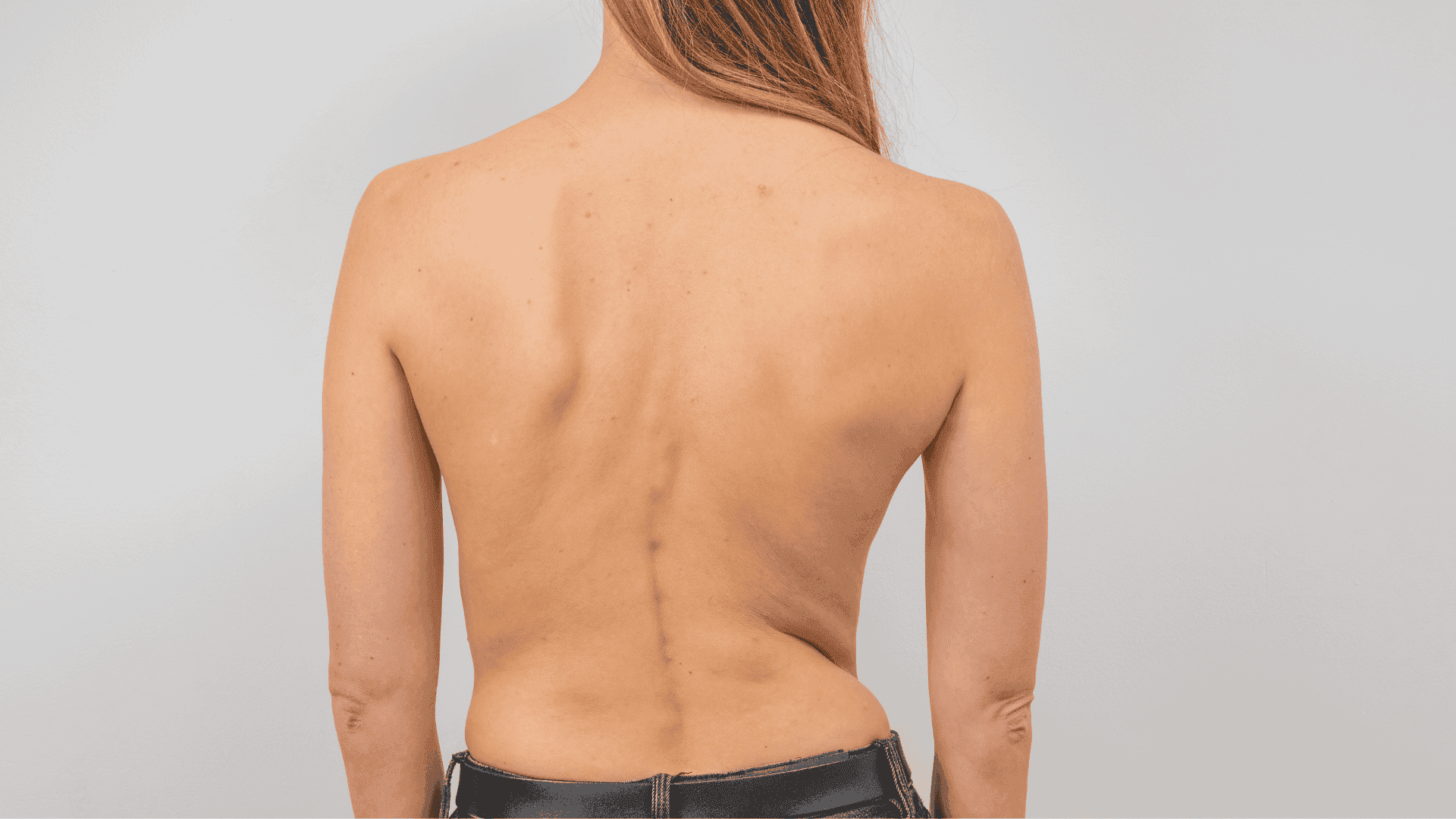
Laser liposuction is an advanced, minimally invasive cosmetic procedure designed to remove localized fat deposits from specific areas of the body, such as the back, using laser technology. Unlike traditional liposuction, which relies on mechanical suction to remove fat, laser liposuction breaks down fat cells while also tightening the skin. This dual-action approach makes it particularly effective in areas where both excess fat and mild skin laxity are concerns. The back is a common area for laser liposuction, especially for individuals dealing with stubborn fat rolls or bulges that are difficult to eliminate through diet and exercise alone.
Laser liposuction is an advanced, minimally invasive cosmetic procedure designed to remove localized fat deposits from specific areas of the body, such as the back, using laser technology.
The procedure involves the insertion of a thin laser probe beneath the skin. The laser emits a precise wavelength of light, which heats and liquefies the fat cells. This liquefied fat can either be naturally eliminated by the body over time or gently suctioned out during the procedure. At the same time, the heat generated by the laser stimulates collagen production in the skin, which helps it contract and firm up. This is a key advantage of laser liposuction, as it addresses not only fat reduction but also skin tightening, reducing the risk of sagging skin after fat removal.
Laser liposuction is ideal for individuals who have small to moderate amounts of excess fat that do not respond well to traditional weight loss methods. The back is one of those areas where fat tends to accumulate in rolls, particularly in the upper and lower sections, and can be difficult to target with exercise. By focusing directly on these problem areas, laser liposuction offers a more precise and effective solution. Additionally, because the procedure is less invasive than traditional liposuction, it typically results in less trauma to surrounding tissues, less bruising, and a shorter recovery time.
Most patients undergo the procedure with local anesthesia, avoiding the risks associated with general anesthesia. Many are able to go home the same day and return to normal activities within a few days.
Laser liposuction is ideal for individuals who have small to moderate amounts of excess fat that do not respond well to traditional weight loss methods.
While recovery is generally quicker than with traditional methods, patients may still experience some swelling, soreness, and mild discomfort in the treated area for a few days following the procedure. The full results become visible over several weeks to months, as the body gradually absorbs and eliminates any remaining liquefied fat, and the skin fully heals and tightens. One of the major benefits of laser liposuction for the back is a smoother, more contoured appearance, with less visible fat rolls and a more streamlined profile. The skin-tightening effect of the laser is particularly useful for those concerned about loose skin following fat removal.
Compared to traditional liposuction, laser liposuction offers a more refined approach with a natural-looking outcome and a relatively quick recovery. However, it’s important to note that laser liposuction is not a weight loss solution; it’s most effective for individuals who are generally at a healthy weight but have localized fat deposits that are resistant to other efforts. As with any cosmetic procedure, consulting a qualified specialist is essential to determine if laser liposuction is the right choice based on your specific goals and expectations.
Laser liposuction on the back is performed to remove excess fat and enhance the contours of the back using advanced laser technology. Common areas that people seek treatment for include the upper back, lower back, flanks (love handles), and the area around the bra line, where stubborn fat can accumulate and become resistant to diet and exercise.
Laser liposuction is particularly effective for those who want to target localized fat and achieve a more sculpted, toned appearance. Unlike traditional liposuction, laser liposuction uses laser energy to break down fat cells before they are suctioned out, making the process less invasive, with a faster recovery time and fewer side effects.
This procedure is ideal for individuals who are already close to their ideal body weight but have areas of persistent fat that they wish to remove. In addition to fat reduction, laser liposuction also promotes skin tightening, which can be particularly beneficial for the back, where loose skin or cellulite may be present. Overall, laser liposuction provides a precise, effective solution for individuals seeking to contour their back, improve their body proportions, and boost their confidence.
Back fat is not distributed evenly, and laser liposuction approaches each zone differently depending on depth, density, and skin elasticity. The upper back often stores softer fat around the shoulder blades, while the mid-back typically forms bra bulges, and the lower back connects visually to the flanks. Each of these areas reacts uniquely to laser energy, which is why experienced practitioners usually treat them as separate contouring zones rather than one single surface.
This zonal approach allows for smoother transitions and more natural shaping. Instead of simply removing volume, laser-assisted techniques aim to rebalance proportions across the entire back profile.
Common treatment zones include:
👉 Upper back folds near the shoulder blades
👉 Mid-back bra line bulges
👉 Lower back fat pads above the hips
👉 Flank extensions that connect to love handles
By addressing these areas individually, laser liposuction for the back can create a continuous, flowing contour. This level of precision is one reason laser-based fat reduction is increasingly preferred over traditional methods for complex regions like the back.
Laser liposuction on the back is typically performed under local anesthesia, although general anesthesia may be used depending on the extent of the treatment. The procedure begins with the surgeon marking the areas on the back that will be treated. Small incisions are made in discreet locations, such as near the bra line or in natural skin folds, so that any scarring is minimized.
Laser liposuction on the back is typically performed under local anesthesia, although general anesthesia may be used depending on the extent of the treatment.
A thin laser fiber is inserted through these incisions, and the laser energy is used to melt the fat cells in the targeted area. The liquefied fat is then gently suctioned out using a small cannula. The use of laser energy not only helps to break down fat but also stimulates collagen production in the skin, leading to natural skin tightening, which can be beneficial in areas like the flanks or lower back where loose skin may be a concern. Laser liposuction on the back is a precise technique that allows for more detailed sculpting, resulting in smoother, more even contours.
The procedure typically lasts one to two hours, depending on the areas being treated. Afterward, patients are usually required to wear compression garments to help reduce swelling and support the healing process. Recovery is typically quicker than traditional liposuction, with most patients resuming normal activities within a few days and full recovery occurring in a few weeks.
There are several misunderstandings surrounding laser liposuction, especially when applied to the back. One common myth is that it replaces exercise or leads to major weight loss. In reality, it focuses on localized contouring rather than overall body mass.
Another misconception is that results are purely immediate. While early changes can be visible, true refinement takes weeks as swelling resolves and collagen develops. Some also assume skin tightening is instant, when it is actually a gradual biological response.
Clarifying these points helps set realistic expectations and emphasizes that laser liposuction is a shaping tool, not a shortcut to fitness.
Back aesthetics depend heavily on symmetry. During laser liposuction, practitioners typically mark multiple reference points to ensure both sides are treated evenly. Subtle differences in fat thickness are accounted for to prevent asymmetry.
Planning often considers posture, spinal alignment, and how the back transitions into the waist and shoulders. This holistic approach focuses on balance rather than isolated fat removal.
Important planning elements may include:
👉 Pre-procedure body mapping
👉 Side-to-side volume comparison
👉 Attention to natural curves
👉 Integration with flank contours
This structured preparation is what allows laser liposuction on the back to produce smooth, proportional results.
Laser liposuction on the back offers several benefits, particularly in terms of precision, recovery time, and skin tightening. One of the key advantages is the ability to target stubborn fat with greater accuracy. The laser energy helps break down fat cells more efficiently than traditional liposuction, allowing for more precise contouring and sculpting of the back. This results in a smoother, more natural-looking appearance, especially in areas like the upper and lower back, love handles, and bra line.
Laser liposuction on the back offers several benefits, particularly in terms of precision, recovery time, and skin tightening.
Another major benefit is the skin tightening effect. The laser energy stimulates collagen production, which helps tighten and firm the skin in the treated area, reducing the risk of loose or sagging skin after fat removal. This is particularly beneficial for the back, where skin laxity can sometimes be a concern. In addition, laser liposuction typically results in less bruising and swelling compared to traditional liposuction, leading to a faster recovery time. Many patients can return to light activities within a few days, and most can resume normal routines after a week or two. The procedure is minimally invasive, leaving smaller incisions and reduced scarring compared to traditional methods.
Furthermore, the results of laser liposuction are long-lasting, as the fat cells that are removed do not regenerate. However, maintaining a healthy lifestyle is important to preserve the outcome. Overall, laser liposuction provides a safe, effective way to contour the back, improve body proportions, and boost self-confidence, with minimal downtime and fewer risks than more invasive procedures.
A key distinction of laser liposuction lies in how laser wavelengths selectively target fat while minimizing trauma to surrounding tissues. The emitted energy gently heats adipose cells, causing their membranes to rupture and release fatty acids. At the same time, connective tissue fibers are stimulated, which contributes to post-treatment firmness.
This dual interaction matters because the back contains dense fibrous networks that can make mechanical fat removal more difficult. Laser-assisted techniques soften these structures before extraction, improving consistency and reducing irregularities.
Beyond fat disruption, laser heat activates fibroblasts responsible for collagen synthesis. Over time, this process supports gradual skin contraction, helping the treated area appear smoother and more refined. This biological response is especially valuable in the back, where skin thickness varies and laxity can become visible after volume reduction.
Not everyone is an ideal candidate for laser liposuction, particularly when treating the back. The procedure is generally suited for people who are close to their stable weight but struggle with localized fat that doesn’t respond to exercise. It works best when skin quality is still relatively resilient.
Candidates often share similar characteristics, such as:
👉 Persistent back rolls despite lifestyle efforts
👉 Mild to moderate skin laxity
👉 Good overall health and circulation
👉 Realistic expectations about contouring rather than weight loss
Individuals with very loose skin or large-volume fat deposits may require alternative approaches. Laser-based fat reduction is designed for refinement, not dramatic body transformation. Understanding this distinction helps align expectations with achievable outcomes and contributes to higher satisfaction rates.
Back contouring can be approached in several ways, including traditional liposuction, radiofrequency devices, cryolipolysis, and laser liposuction. Each method works differently, and laser-assisted techniques occupy a middle ground between surgical removal and non-invasive treatments.
Unlike freezing-based systems, laser liposuction physically removes fat while also encouraging skin tightening. Compared to classic liposuction, the laser component adds thermal stimulation, which may improve texture and recovery.
Key differences often discussed include:
👉 Direct fat extraction versus passive fat breakdown
👉 Presence or absence of collagen stimulation
👉 Degree of invasiveness
👉 Typical recovery timelines
Because the back is structurally complex, many practitioners favor laser-assisted approaches for their balance of precision and tissue support. This makes laser liposuction on the back particularly useful for sculpting areas where smoothness matters.
Results from laser liposuction do not appear overnight. While some contour changes may be noticeable within the first two weeks, swelling often masks the final outcome during early healing. Most people see clearer definition around four to six weeks post-procedure.
Skin tightening continues gradually as collagen remodeling progresses. This means the back can keep improving in appearance for up to three months or longer. Compression garments are commonly used during this phase to support tissue adaptation and reduce fluid buildup.
Patience plays an important role in evaluating results. Because fat metabolism and skin contraction happen biologically, the process unfolds over time rather than instantly.
After laser liposuction for the back, compression garments are more than a comfort accessory. They help guide healing tissues into their new contours while minimizing swelling and fluid retention. Proper compression also supports lymphatic drainage, which assists the body in clearing liquefied fat remnants.
Most protocols recommend wearing compression consistently during the first few weeks. This helps maintain symmetry and reduces the risk of uneven healing.
Common benefits of compression include:
👉 Improved contour definition
👉 Reduced post-procedure swelling
👉 Enhanced skin retraction
👉 Greater overall comfort during recovery
Although garments may feel restrictive at first, they are considered a practical part of optimizing outcomes after laser liposuction.
Fat cells removed during laser liposuction do not regenerate, but remaining cells can still expand if lifestyle habits change. Maintaining results therefore depends largely on weight stability and general health.
Light resistance training can help preserve muscle tone beneath the treated area, while consistent movement supports circulation and skin quality. Hydration and protein intake also play a role in collagen maintenance, indirectly affecting how the back looks over time.
Rather than viewing the procedure as a standalone fix, many people treat it as a starting point for longer-term body care. This mindset often leads to more durable and satisfying results.
Skin elasticity plays a major role in how the back appears after laser liposuction. Younger or well-hydrated skin generally retracts more efficiently, while thinner or sun-damaged skin may respond more slowly.
Laser energy supports collagen production, but it cannot completely compensate for poor baseline skin quality. This is why evaluations often include texture, thickness, and stretch response.
Understanding these variables helps explain why two people with similar fat levels can experience different visual outcomes after the same procedure.
Although laser liposuction offers many advantages, it does have boundaries. It is not designed for removing large volumes of fat, nor can it fully correct severe skin laxity. People seeking dramatic reshaping may require different techniques.
Additionally, the back’s dense connective tissue can limit how much contour change is achievable in one session. Multiple areas treated simultaneously may also extend recovery.
Recognizing these limitations allows for more informed decisions and prevents unrealistic expectations about what laser-assisted fat reduction can deliver.
The back is one of the most technically demanding areas for body contouring. Curves, muscle layers, and fat compartments intersect in complex ways. Laser liposuction is valued here because it allows controlled fat disruption combined with tissue tightening.
Unlike broader techniques, laser-assisted methods enable targeted sculpting with smaller instruments and refined energy delivery. This precision supports smoother transitions from upper back to waist and reduces the likelihood of contour irregularities.
For many individuals, this makes bold laser liposuction an appealing option when seeking subtle yet meaningful improvements in back definition, especially when traditional approaches feel too aggressive or non-invasive options seem too limited.
During your consultation, you will discuss your wishes, medical history, and expectations with the doctor. The doctor will examine you, take measurements if necessary, and explain which treatment suits you best, including risks and recovery. You will have the opportunity to ask questions and then receive a clear treatment proposal.
Make sure you have all relevant medical information ready, such as previous treatments, allergies, or medical conditions. This allows the doctor to give you better advice.
Payment is made securely via SurgeryBooking. You pay the amount in advance to SurgeryBooking. We hold the funds and transfer them to the clinic after your treatment. Cancellation or change conditions vary per clinic and are clearly communicated in advance.
During the consultation (online or at the clinic), the doctor will assess this based on your health, expectations, and physical characteristics. You will discuss what you want, what is possible, and what the limitations are. Sometimes there are alternatives if the chosen treatment is not ideal.
Through SurgeryBooking.com, you can quickly and easily book a consultation or procedure with doctors and clinics worldwide. SurgeryBooking.com provides an overview of doctors and clinics, allowing you to make an informed and transparent choice when booking a consultation or procedure.
You can easily book through the profile of the desired clinic or doctor. Select the desired treatment, enter your details, and choose an available date and time. If there are any costs involved, you will complete the payment first. Afterwards, you will receive a confirmation email with all the details.
Yes, during the booking process, you can indicate whether you prefer an online consultation or an in-person consultation at the clinic.
With SurgeryBooking.com, you gain access to a global network of doctors and clinics. Through SurgeryBooking.com, you can easily book a consultation or a cosmetic procedure directly. Clinic profiles provide information about available cosmetic procedures, reviews, photos of the clinic, and other relevant details. This enables you to compare costs and make an informed decision when booking a consultation or procedure.