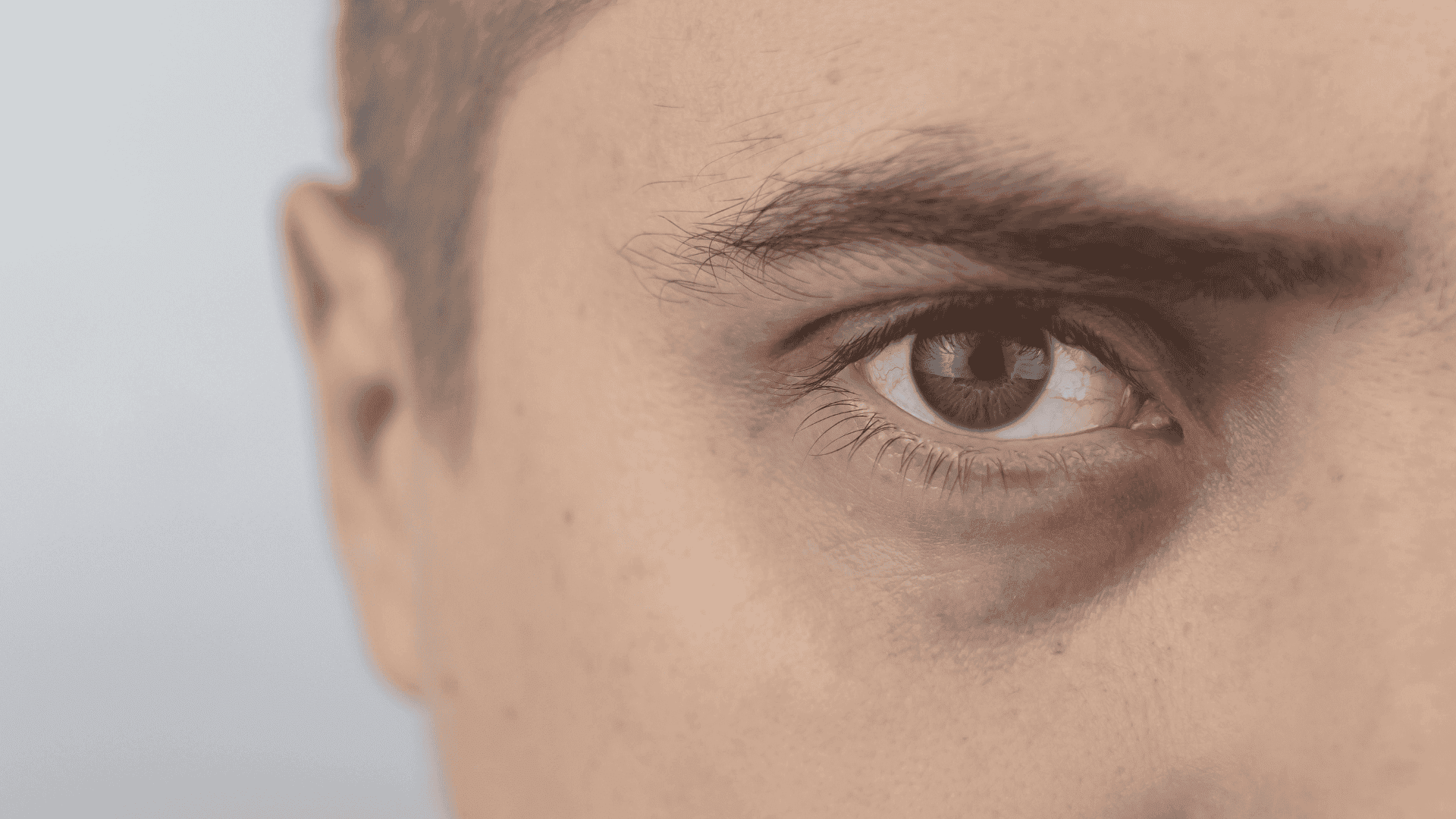
A laser for dark circles is an advanced cosmetic treatment designed to reduce or eliminate the appearance of dark shadows under the eyes. Dark circles can result from various factors, including genetic predisposition, aging, fatigue, or poor circulation. This treatment employs laser technology to rejuvenate the skin beneath the eyes and diminish the visibility of these unwanted shadows.
The procedure typically works by delivering controlled laser beams that heat and stimulate the skin. This promotes the production of collagen and elastin, two essential proteins that contribute to the skin's firmness and elasticity. By renewing the skin, the treatment can help reduce the dark pigments responsible for the shadows under the eyes.
Laser treatments are usually quick and involve minimal recovery time, making them a popular choice for many people seeking alternatives to more invasive surgical procedures. The treatment is generally safe, but it’s crucial to consult with a qualified specialist to determine the best approach for your skin type and specific needs.
Results can vary depending on individual skin structure and the severity of the dark circles. Multiple sessions are often required to achieve optimal results, and many patients notice an improvement after just one treatment. In addition to reducing dark circles, laser therapy can also enhance overall skin texture and minimize fine lines, making it a versatile option for skin rejuvenation.
Laser treatment for dark circles under the eyes is an increasingly popular option for those seeking to address the appearance of under-eye discoloration, shadows, or puffiness. Dark circles are often caused by various factors such as genetics, aging, lack of sleep, or thinning skin under the eyes, which can make the blood vessels more visible, leading to a darker appearance. Many individuals seek laser treatment as a non-invasive method to reduce these dark circles and achieve a fresher, more youthful look without the need for surgery.
The primary reason people choose laser treatment for dark circles is to address the underlying causes of the discoloration. While topical creams and other temporary solutions can provide some relief, laser treatments target the deeper layers of the skin and work by stimulating collagen production, reducing pigmentation, and tightening the skin. This can result in a more permanent reduction in the appearance of dark circles, making the eyes appear brighter, smoother, and more awake.
Another benefit of choosing laser treatment is that it is effective for a wide range of causes behind dark circles. Whether the dark circles are due to thinning skin, blood vessel visibility, or hyperpigmentation, different types of lasers, such as fractional lasers, Nd:YAG lasers, or intense pulsed light (IPL), can be used to treat the problem at its source. For many people, laser treatment provides a more comprehensive solution that targets both the pigmentation and the structural issues contributing to their under-eye concerns.
Laser treatment for dark circles is typically a quick, minimally invasive procedure that is performed in a clinic by a trained dermatologist or medical professional. The treatment starts with the application of a topical numbing cream to ensure patient comfort, as the area around the eyes can be sensitive. Once the numbing agent has taken effect, the practitioner will use a specific type of laser to target the dark circles.
There are several types of lasers used for treating dark circles under the eyes, depending on the cause and severity of the pigmentation. Fractional lasers work by delivering small, controlled beams of light that target the deeper layers of skin, stimulating collagen production and helping to improve the overall texture and tone of the skin. Nd:YAG lasers, on the other hand, are particularly effective at targeting blood vessels and reducing the appearance of veins, while IPL (intense pulsed light) is ideal for reducing pigmentation caused by sun exposure or aging.
During the procedure, the laser is moved over the skin in a series of small pulses. The light energy from the laser penetrates the skin to either break down excess pigmentation or tighten the skin. Depending on the type of laser used, the procedure may cause a mild warming or tingling sensation, but discomfort is generally minimal due to the numbing cream.
Laser treatment for dark circles typically takes between 20 to 40 minutes, depending on the extent of the area being treated. After the treatment, patients may experience some mild redness or swelling, but these side effects usually subside within a few hours to a day. The downtime is minimal, and most individuals can return to their daily activities right away, though it is advised to avoid direct sun exposure for a few days to ensure proper healing.
Results from laser treatment for dark circles can be seen gradually over the course of several weeks as the skin heals and collagen production is stimulated. Multiple sessions may be required, typically spaced about 4 to 6 weeks apart, to achieve the desired results. The number of treatments needed will depend on the individual’s skin type, the severity of the dark circles, and the type of laser used.
One of the most significant benefits of laser treatment for dark circles is its ability to provide long-lasting results. Unlike temporary solutions like concealers or creams, laser treatments target the underlying causes of dark circles, such as excess pigmentation, blood vessels, and thinning skin. By addressing these root issues, laser treatments can offer more permanent improvements in the appearance of the under-eye area, with results often lasting for several months or even longer.
Laser treatments are also highly versatile and customizable. Different types of lasers can be used to treat various causes of dark circles, such as pigmentation (from sun damage or aging), blood vessel visibility (due to thin skin or genetics), and overall skin laxity. This versatility means that laser treatments can be tailored to the individual’s specific needs, ensuring a more personalized and effective solution. Whether someone has hyperpigmentation, under-eye puffiness, or a combination of both, laser treatment can be adapted to address these concerns.
Additionally, laser treatment for dark circles is a non-invasive procedure that requires little to no downtime. Unlike surgical alternatives such as blepharoplasty, laser treatments do not require cuts or stitches, making them a safer and less traumatic option. Patients typically experience only minimal redness or swelling after the procedure, which quickly resolves within a few hours, allowing them to return to their normal activities almost immediately. The non-invasive nature of laser treatments makes them a popular choice for individuals who want to improve the appearance of their under-eye area without the need for a lengthy recovery.
Another advantage is that laser treatment is a more precise and controlled method compared to other treatments like chemical peels or topical products. The ability to target the underlying causes of dark circles with pinpoint accuracy allows for more effective and controlled results. The precision of the treatment ensures that only the affected areas are treated, preserving the surrounding skin and reducing the risk of side effects.
Finally, laser treatment for dark circles can boost self-confidence and improve overall facial appearance. Many individuals with dark circles feel self-conscious about their appearance, as they can make a person look tired, older, or stressed. By addressing these concerns, laser treatment can help individuals look more refreshed, youthful, and alert, leading to an enhanced sense of well-being and self-esteem. The natural, long-lasting results from laser treatment can significantly improve the appearance of the under-eye area, providing a rejuvenated, bright-eyed look without the need for continuous maintenance.
Dark circles are not all the same, and their appearance can vary significantly from person to person. Some are caused by excess pigmentation, while others result from visible blood vessels beneath thin under-eye skin. In other cases, shadowing from volume loss or eye hollowing plays a major role.
A laser for dark circles is effective because it can be adapted to these different causes. By targeting pigmentation, vascular visibility, or skin quality, laser technology offers a more tailored approach than surface-level solutions. Understanding the type of dark circles is key to setting realistic expectations.
Genetics strongly influence under-eye skin thickness, pigmentation, and vascular structure. This is why dark circles often run in families and appear at a young age. Lifestyle factors such as lack of sleep, dehydration, and stress can further intensify their appearance.
While lifestyle changes may help reduce severity, they rarely eliminate dark circles entirely. A laser for dark circles focuses on improving the underlying skin structure rather than masking external triggers. This makes it a valuable option for genetically predisposed concerns.
Laser treatments work by delivering controlled energy into the skin, triggering a natural repair response. This process stimulates collagen and elastin production, which improves firmness and thickness over time. Thicker skin can better conceal underlying blood vessels.
A laser for dark circles therefore does more than lighten discoloration. It enhances overall skin quality, leading to smoother texture and improved light reflection. These changes contribute to a brighter and more refreshed under-eye appearance.
When dark circles are caused by excess melanin, laser energy can break down pigment particles in the skin. Over time, the body clears these particles naturally, leading to a more even tone under the eyes.
👉 Targets hyperpigmentation beneath the skin
👉 Helps even out under-eye skin tone
👉 Gradual lightening over multiple sessions
👉 Supports long-term pigment control
A laser for dark circles is particularly useful when creams and serums fail to address deeper pigmentation.
Bluish or purple under-eye circles are often caused by visible blood vessels beneath thin skin. Certain lasers, such as Nd:YAG or IPL, specifically target vascular components. These lasers reduce vessel visibility without damaging surrounding tissue.
By improving circulation and skin thickness, a laser for dark circles can soften the appearance of vascular shadows. Results tend to improve gradually as the skin remodels itself.
Eye creams can hydrate and temporarily brighten the skin, but they cannot penetrate deeply enough to stimulate collagen or target blood vessels. Their effects are often subtle and short-lived.
A laser for dark circles works at a deeper level, addressing structural and pigment-related issues. Skincare products can complement laser treatments, but they are not substitutes for energy-based rejuvenation.
Laser treatment for dark circles is rarely a one-time solution. Most protocols involve multiple sessions spaced several weeks apart. This allows the skin to heal and regenerate between treatments.
👉 Sessions typically last under an hour
👉 Treatments are spaced 4–6 weeks apart
👉 Improvements develop gradually
👉 Full results may take several months
Patience is important when undergoing a laser for dark circles, as collagen remodeling takes time.
Recovery from laser treatment is usually minimal. Mild redness, warmth, or swelling may occur, especially in the first 24 hours. These effects generally resolve quickly.
A laser for dark circles allows most people to return to daily activities almost immediately. Avoiding sun exposure and following aftercare guidance helps protect the treated area during healing.
The skin under the eyes is thin and sensitive, which makes precision essential. Laser settings must be carefully adjusted to avoid irritation or pigmentation changes. Skin type and medical history play an important role in treatment planning.
👉 Careful energy settings are essential
👉 Skin type influences laser choice
👉 Sun protection is critical post-treatment
👉 Professional assessment improves safety
A properly planned laser for dark circles balances effectiveness with skin safety.
Results from laser treatment can last for many months, but aging and lifestyle factors continue to influence the under-eye area. Some individuals choose maintenance sessions to preserve results over time.
A laser for dark circles does not stop aging, but it can significantly slow visible changes. Ongoing skincare and sun protection help extend treatment benefits.
Dark circles often create a tired or stressed appearance that does not reflect how someone feels. This mismatch can affect confidence in social and professional settings. Improving the under-eye area can subtly change how the face is perceived.
For many, a laser for dark circles provides a refreshed look rather than a dramatic transformation. Feeling more awake and confident is often the most appreciated outcome.
As non-surgical treatments continue to evolve, laser therapy has become a preferred option for under-eye concerns. Improved technology and greater customization have made treatments safer and more effective than in the past.
The increasing demand for laser for dark circles reflects a broader shift toward subtle, skin-focused rejuvenation. This trend emphasizes natural enhancement and long-term skin health rather than temporary camouflage.
During your consultation, you will discuss your wishes, medical history, and expectations with the doctor. The doctor will examine you, take measurements if necessary, and explain which treatment suits you best, including risks and recovery. You will have the opportunity to ask questions and then receive a clear treatment proposal.
Make sure you have all relevant medical information ready, such as previous treatments, allergies, or medical conditions. This allows the doctor to give you better advice.
Payment is made securely via SurgeryBooking. You pay the amount in advance to SurgeryBooking. We hold the funds and transfer them to the clinic after your treatment. Cancellation or change conditions vary per clinic and are clearly communicated in advance.
During the consultation (online or at the clinic), the doctor will assess this based on your health, expectations, and physical characteristics. You will discuss what you want, what is possible, and what the limitations are. Sometimes there are alternatives if the chosen treatment is not ideal.
Through SurgeryBooking.com, you can quickly and easily book a consultation or procedure with doctors and clinics worldwide. SurgeryBooking.com provides an overview of doctors and clinics, allowing you to make an informed and transparent choice when booking a consultation or procedure.
You can easily book through the profile of the desired clinic or doctor. Select the desired treatment, enter your details, and choose an available date and time. If there are any costs involved, you will complete the payment first. Afterwards, you will receive a confirmation email with all the details.
Yes, during the booking process, you can indicate whether you prefer an online consultation or an in-person consultation at the clinic.
With SurgeryBooking.com, you gain access to a global network of doctors and clinics. Through SurgeryBooking.com, you can easily book a consultation or a cosmetic procedure directly. Clinic profiles provide information about available cosmetic procedures, reviews, photos of the clinic, and other relevant details. This enables you to compare costs and make an informed decision when booking a consultation or procedure.