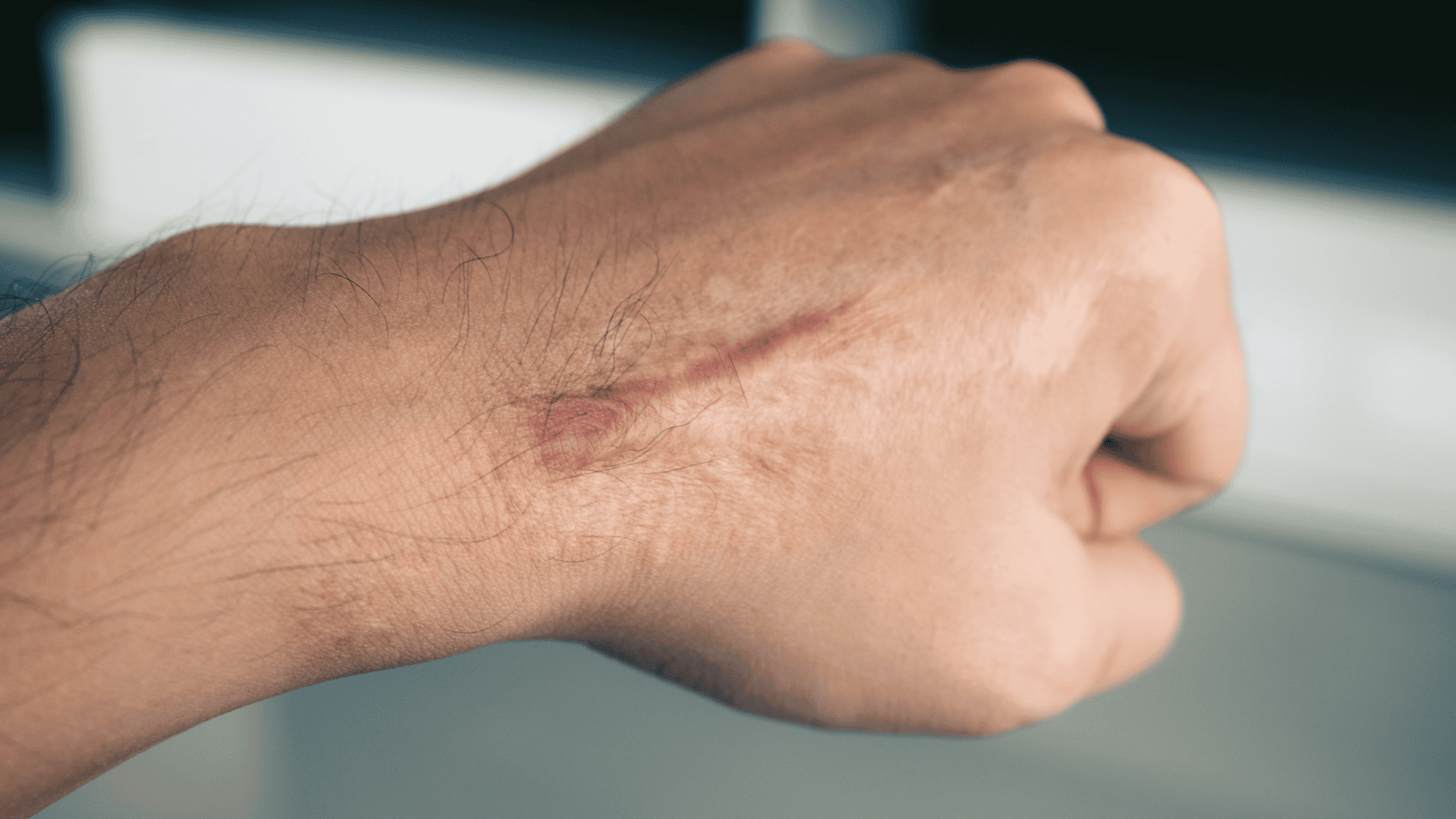
Keloid treatment focuses on reducing or removing keloids, which are abnormal, raised scars that extend beyond the original wound. Keloids develop due to an overproduction of collagen during the skin’s healing process and can form after any skin injury, such as cuts, surgeries, piercings, or even acne. These scars can be both cosmetically concerning and physically uncomfortable, sometimes causing itching, pain, or a tight, pulling sensation. Keloids are more common in younger individuals and people with darker skin tones, often developing on the upper body, including the chest, shoulders, earlobes, and jawline.
Several methods are available for treating keloids, typically depending on the scar's size, location, and sensitivity. One of the most common approaches is corticosteroid injections, where an anti-inflammatory medication is directly injected into the keloid to reduce inflammation and slow down collagen production. This treatment often results in softening and shrinking of the scar. Typically, multiple sessions are needed to achieve the desired result. Silicone sheets and silicone gel are also popular treatments, helping to keep the skin moist and exert gentle pressure on the scar, which can reduce its height and prevent further growth.
Cryotherapy is another method where the keloid tissue is frozen with liquid nitrogen, helping reduce its size, especially when the keloid is small and treated early. Laser therapy can also be effective for some keloids, using laser light to smooth the surface of the scar and reduce redness. For larger keloids, surgical removal may be considered, in which the excess scar tissue is excised. However, surgery carries the risk of the keloid returning and possibly even worsening. To counteract this risk, surgery is often paired with other treatments, such as corticosteroid injections or radiation therapy, to lower the chance of recurrence.
Radiation therapy is sometimes employed as a final step in treating stubborn keloids that persist after other treatments. The radiation inhibits collagen production, which can reduce the likelihood of the keloid growing back. However, due to potential side effects, radiation is generally only recommended for keloids that have not responded to other treatments.
There is no one-size-fits-all solution for treating keloids, and in many cases, multiple treatments are combined to achieve the best outcome. Since keloids can have a genetic component, achieving long-lasting results can be challenging. Therefore, early intervention and protective care of the skin are often recommended to help prevent excessive scar formation.
Keloids are a type of raised scar that form when the skin heals after an injury, surgery, or even something as minor as a pimple or piercing. Unlike regular scars, keloids can continue to grow beyond the boundaries of the original wound, becoming thick, raised, and often darker than the surrounding skin. For many people, keloids are not just a cosmetic concern but also a source of discomfort, as they can be itchy, tender, or even painful. Treating keloids can be particularly challenging because they have a tendency to return after treatment if not handled properly. This is why many turn to professional keloid treatments, which offer a more targeted and effective approach than over-the-counter remedies. Treatment can significantly reduce the size, appearance, and discomfort associated with keloids, helping people feel more confident and less self-conscious about their skin. Seeking treatment is especially important for keloids that continue to grow or cause ongoing discomfort.
Keloid treatment involves several different approaches depending on the size and severity of the keloid, as well as the patient’s skin type and preferences. One common method is corticosteroid injections, where the medication is injected directly into the keloid to reduce inflammation and shrink the scar tissue over time. This option is often used in combination with other treatments. Another widely used treatment is laser therapy, which uses concentrated beams of light to break down the excess scar tissue and promote the growth of healthy skin. Surgical removal is another option, especially for larger keloids, although this approach carries a higher risk of the keloid returning if not followed by additional treatments like steroid injections or radiation therapy to prevent recurrence. Some patients may also benefit from cryotherapy, where the keloid is frozen off using liquid nitrogen, or silicone gel sheets, which are applied to flatten and soften the scar over time. Each treatment session typically lasts less than an hour, and multiple sessions may be necessary for optimal results. Recovery is usually quick, although some redness, swelling, or tenderness around the treated area is common for a few days post-treatment.
Keloid treatment offers a range of benefits, both physical and emotional. The most immediate advantage is the reduction in the size and prominence of the keloid, which can greatly improve the overall appearance of the skin. For many patients, this leads to a significant boost in confidence, particularly if the keloid was in a highly visible area like the face, neck, or chest. Beyond aesthetics, many treatments help alleviate the discomfort that often accompanies keloids, such as itching, tenderness, or even pain. By shrinking or removing the keloid, these symptoms often diminish, improving the patient’s quality of life. Another key benefit is the prevention of keloid regrowth. With modern treatment techniques, the chances of a keloid returning can be significantly reduced, especially when a combination of treatments is used. This allows people to enjoy longer-lasting results and freedom from the worry of their keloid reappearing. Overall, keloid treatment provides both cosmetic and medical relief, helping individuals feel more at ease in their skin.
During your consultation, you will discuss your wishes, medical history, and expectations with the doctor. The doctor will examine you, take measurements if necessary, and explain which treatment suits you best, including risks and recovery. You will have the opportunity to ask questions and then receive a clear treatment proposal.
Make sure you have all relevant medical information ready, such as previous treatments, allergies, or medical conditions. This allows the doctor to give you better advice.
Payment is made securely via SurgeryBooking. You pay the amount in advance to SurgeryBooking. We hold the funds and transfer them to the clinic after your treatment. Cancellation or change conditions vary per clinic and are clearly communicated in advance.
During the consultation (online or at the clinic), the doctor will assess this based on your health, expectations, and physical characteristics. You will discuss what you want, what is possible, and what the limitations are. Sometimes there are alternatives if the chosen treatment is not ideal.
Through SurgeryBooking.com, you can quickly and easily book a consultation or procedure with doctors and clinics worldwide. SurgeryBooking.com provides an overview of doctors and clinics, allowing you to make an informed and transparent choice when booking a consultation or procedure.
You can easily book through the profile of the desired clinic or doctor. Select the desired treatment, enter your details, and choose an available date and time. If there are any costs involved, you will complete the payment first. Afterwards, you will receive a confirmation email with all the details.
Yes, during the booking process, you can indicate whether you prefer an online consultation or an in-person consultation at the clinic.
With SurgeryBooking.com, you gain access to a global network of doctors and clinics. Through SurgeryBooking.com, you can easily book a consultation or a cosmetic procedure directly. Clinic profiles provide information about available cosmetic procedures, reviews, photos of the clinic, and other relevant details. This enables you to compare costs and make an informed decision when booking a consultation or procedure.