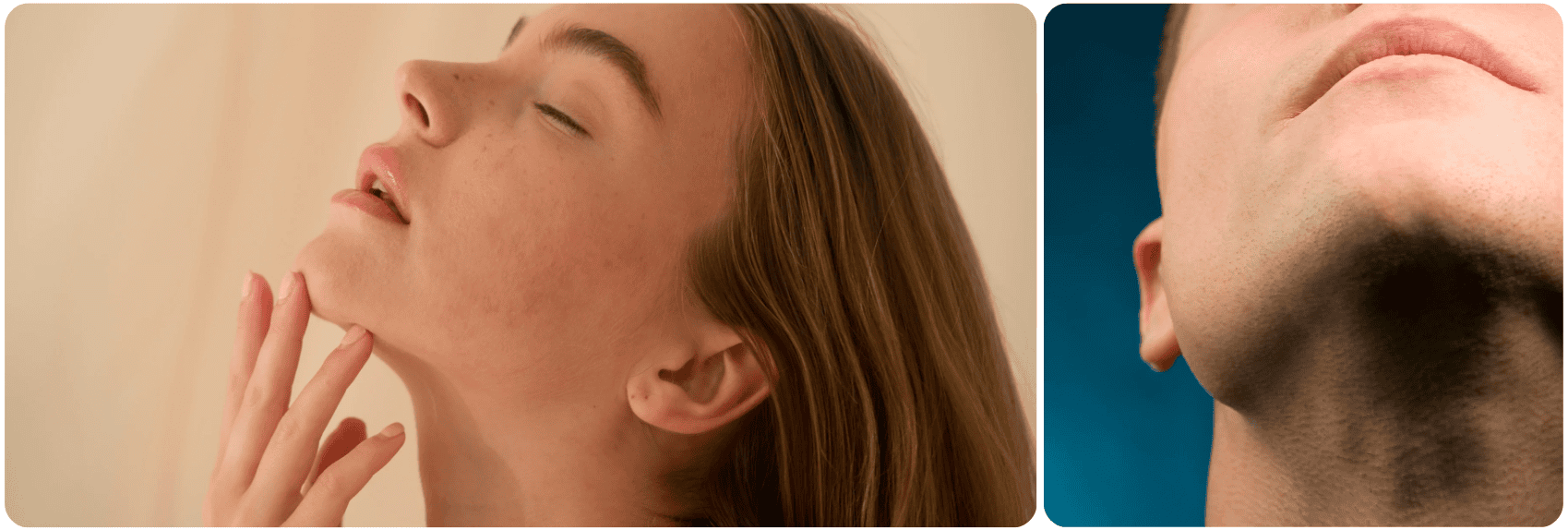
Jaw correction surgery, also known as orthognathic surgery, is a surgical procedure aimed at correcting abnormalities in the jaw structure. This surgery is often performed on patients with misaligned jaws, which can lead to functional issues such as difficulty chewing, speaking, and breathing. Additionally, jaw misalignment can also cause aesthetic concerns, making individuals feel self-conscious about their appearance.
Jaw correction surgery, also known as orthognathic surgery, is a surgical procedure aimed at correcting abnormalities in the jaw structure.
During jaw correction surgery, the positions of the upper and/or lower jaw are adjusted to improve function and achieve facial harmony. The procedure is typically carried out under general anesthesia and can take place in a hospital or a specialized clinic. After the surgery, a recovery period is necessary, during which patients may need to follow a special diet and take pain relief medications to manage discomfort.
The decision to undergo jaw correction surgery is usually made after a thorough evaluation by a jaw surgeon and an orthodontist. This team will review the patient's medical history, take X-rays, and create models of the teeth and jaws to discuss the desired outcomes. It is essential for patients to be well-informed about the procedure, potential risks and complications, and the expected recovery timeline.
In the months following the surgery, patients are often required to attend regular follow-up appointments to monitor their recovery progress. In some cases, additional orthodontic treatment may be necessary to achieve optimal results.
Jaw correction surgery can significantly impact a patient’s quality of life. Besides enhancing functionality, a successful procedure can also boost self-confidence and overall satisfaction with one’s appearance. Therefore, it is crucial for patients to carefully consider whether this surgery is appropriate for them and to communicate openly with their healthcare team.
Jaw correction surgery can involve different techniques depending on the patient’s unique condition. The choice of procedure is based on whether the upper jaw, lower jaw, or both need repositioning. Each type addresses specific functional and aesthetic challenges, and surgeons carefully tailor the surgery to meet individual needs. The most common approaches include:
👉 Maxillary osteotomy, which focuses on correcting misalignment of the upper jaw
👉 Mandibular osteotomy, performed when the lower jaw requires repositioning
👉 Bimaxillary osteotomy, which involves both jaws for severe misalignments
👉 Genioplasty, a complementary chin surgery that is sometimes combined with jaw surgery
👉 Segmental osteotomy, which adjusts a smaller section of the jaw for targeted correction
By understanding these surgical options, patients can better visualize how their specific jaw issues can be addressed with precision.
Facial harmony is one of the key goals of jaw correction surgery. When the jaws are repositioned, the overall proportions of the face often improve naturally. Patients with a recessed chin, asymmetrical smile, or protruding jawline frequently notice a more balanced facial appearance once healing is complete. The changes are structural rather than superficial, which means that the improvements are stable and long-lasting. This restoration of balance often enhances not only function but also the way the entire face looks in harmony.
Modern technology has greatly advanced the precision of jaw correction surgery. Surgeons now use digital planning tools, 3D imaging, and computer-assisted models to plan each step of the operation. This allows for a highly customized approach and minimizes unexpected complications. Some key innovations include:
👉 3D CT scans for detailed visualization of jaw structure
👉 Virtual surgical simulations to preview outcomes
👉 Custom surgical guides and plates for exact repositioning
👉 Digital orthodontic planning for smoother integration with braces
Jaw correction surgery, also known as orthognathic surgery, is often chosen by individuals seeking to address functional and aesthetic concerns related to the structure of their jaw. People who suffer from misaligned jaws, whether due to congenital conditions, injury, or developmental issues, may experience difficulty with chewing, speaking, breathing, and even sleeping. Jaw correction surgery provides a permanent solution to these problems by realigning the upper and/or lower jaw to improve both function and appearance. For those who are dissatisfied with the proportions or symmetry of their face, jaw correction surgery can provide dramatic aesthetic improvements, creating a more balanced and harmonious facial profile.
A crooked or uneven jawline can affect one's self-confidence, and jaw surgery offers a way to restore both facial symmetry and dental functionality. In addition to cosmetic benefits, jaw correction surgery also improves the overall quality of life by resolving issues such as chronic jaw pain, bite problems, and excessive teeth grinding.
It is often recommended when other treatments, such as braces, have not been effective in correcting severe jaw misalignments. While jaw correction surgery requires a longer recovery time compared to non-surgical options, its results are permanent, providing a long-term solution for both functional and cosmetic concerns.
Jaw correction surgery is typically performed under general anesthesia in a hospital or surgical center. The procedure begins with an assessment of the patient’s jaw structure through imaging studies such as X-rays or CT scans, allowing the surgeon to determine the extent of the misalignment and plan the most effective approach. Depending on the specific issue, the surgery may involve the upper jaw (maxillary surgery), lower jaw (mandibular surgery), or both.
Jaw correction surgery is typically performed under general anesthesia in a hospital or surgical center.
The surgeon makes precise incisions inside the mouth, which helps to avoid visible scarring. In some cases, incisions may also be made along the lower jawline if external access is necessary. Once the jawbone is exposed, the surgeon carefully repositions the bones to achieve the desired alignment. This can involve cutting and repositioning the bones, removing small sections of bone, or adjusting the jaw’s position to correct bite issues.
Once the bones are in the proper position, the surgeon secures them with screws, plates, or wires. After the bones are repositioned, the incisions are closed, and the patient is moved to a recovery area to wake up from anesthesia.
The procedure typically takes several hours, depending on the complexity of the case. Patients will need to stay in the hospital for observation for one or two days post-surgery, as swelling, bruising, and discomfort are common during the initial recovery phase. Patients may also need to follow a soft food diet and avoid strenuous activities for a few weeks to ensure proper healing. In some cases, jaw correction surgery is combined with orthodontic treatments, such as braces, which are worn before and after surgery to ensure the teeth align properly. While the recovery period can be lengthy—lasting several weeks to months—the results of jaw correction surgery are permanent, providing significant improvements in both facial appearance and jaw function.
Speech difficulties are sometimes linked to misaligned jaws. Problems with articulation, lisping, or difficulty pronouncing certain sounds may occur if the upper and lower jaws do not meet correctly. Jaw correction surgery addresses these issues by aligning the jaw structure, which allows for clearer and more precise speech. Many patients find that their communication improves significantly after surgery, as the new alignment supports proper tongue placement and airflow during speaking.
Like any major procedure, jaw correction surgery carries certain risks. However, experienced surgeons take numerous steps to minimize these risks and ensure a safe outcome. Patients are informed about potential complications and how they are managed. Common considerations include:
👉 Infection prevention through antibiotics and sterile surgical techniques
👉 Controlling bleeding and swelling with medication and careful monitoring
👉 Nerve protection to reduce the risk of temporary numbness
👉 Avoiding relapse of jaw position with precise fixation methods
👉 Long-term monitoring to ensure stability of results
Through meticulous planning and professional care, the likelihood of serious complications is kept very low.
Jaw correction surgery offers numerous benefits, both functional and cosmetic, for individuals with misaligned jaws. One of the primary benefits is the resolution of functional issues such as difficulty chewing, speaking, and biting, which can significantly impact a person’s daily life. Misaligned jaws can also cause chronic pain, including headaches, jaw discomfort, and neck pain. By realigning the jawbones, surgery can alleviate these issues, leading to improved comfort and overall oral health. For individuals with severe bite problems or temporomandibular joint (TMJ) disorders, jaw correction surgery can provide long-term relief, reducing the risk of complications such as tooth wear or misalignment caused by an improper bite.
Jaw correction surgery offers numerous benefits, both functional and cosmetic, for individuals with misaligned jaws.
In addition to functional improvements, jaw correction surgery provides significant cosmetic benefits. A misaligned or asymmetrical jaw can affect the overall balance of the face, making it appear uneven or unbalanced. Surgery can enhance facial symmetry, creating a more harmonious and aesthetically pleasing appearance. For individuals with a recessed or protruding jaw, the surgery can reposition the jaw to create a more proportionate and defined profile. This transformation can dramatically boost self-esteem and confidence by improving facial aesthetics.
Another important benefit of jaw correction surgery is its permanence. Unlike non-surgical treatments, such as braces or fillers, which require ongoing maintenance, the results of jaw correction surgery are long-lasting. Once the jawbones are repositioned and healed, the improvements in both function and appearance are permanent. Furthermore, jaw correction surgery can provide lasting relief from bite problems and other related issues, making it a comprehensive solution for those with significant jaw misalignments. While the recovery period may be longer compared to less invasive options, the permanent results and improvements in both jaw function and facial aesthetics make jaw correction surgery an appealing choice for individuals seeking a long-term solution to their concerns.
Before undergoing jaw correction surgery, patients must follow a detailed preparation plan designed by their healthcare team. This phase is crucial for ensuring a safe and successful procedure. Preparation typically includes orthodontic treatment, lifestyle adjustments, and thorough medical evaluations. Patients are often advised to:
👉 Complete orthodontic treatment if required to align teeth before surgery
👉 Undergo imaging such as panoramic X-rays or 3D scans for accurate surgical planning
👉 Stop smoking several weeks prior, as smoking can slow down healing
👉 Avoid certain medications that may increase bleeding risks
👉 Discuss dietary adjustments for the recovery phase, such as liquid and soft foods
These steps help optimize the patient’s health and readiness, reducing potential risks during and after surgery.
An important yet less-discussed advantage of jaw correction surgery is its impact on airway health. Misaligned jaws can sometimes contribute to restricted breathing, snoring, or even obstructive sleep apnea. By repositioning the jaws, the airway is often expanded, allowing for smoother airflow during rest and daily activities. Patients who previously experienced difficulty breathing at night may notice a substantial improvement in sleep quality. This effect is particularly valuable for individuals with long-standing respiratory concerns, as jaw surgery can provide a structural solution that other treatments may not fully achieve.
The recovery diet plays a key role in healing after jaw correction surgery. Since chewing is limited in the early weeks, patients must adapt their eating habits to avoid strain on the jaw. Surgeons usually recommend a staged dietary approach:
👉 Liquid diet in the first phase, focusing on soups, smoothies, and nutrient-rich drinks
👉 Transition to soft foods such as mashed potatoes, scrambled eggs, and yogurt after a few weeks
👉 Gradual reintroduction of easy-to-chew meals as healing progresses
👉 Avoidance of hard, crunchy, or sticky foods until cleared by the surgeon
👉 Incorporation of protein-rich and vitamin-packed meals to support tissue repair
Following these dietary guidelines ensures that recovery is smooth while maintaining proper nutrition.
Orthodontic treatment and jaw correction surgery often go hand in hand. In many cases, braces or aligners are required both before and after surgery to fine-tune the alignment of the teeth. This combination ensures that the bite functions properly once the jaw is repositioned. Orthodontics typically:
👉 Prepares the teeth so they fit correctly after the surgery
👉 Helps stabilize results by guiding teeth into their ideal positions post-surgery
👉 Prevents long-term complications like shifting or bite relapse
👉 Supports overall facial balance when combined with surgical adjustments
The partnership between orthodontists and surgeons ensures the final results are both functionally effective and aesthetically pleasing.
While jaw correction surgery is performed under general anesthesia, most patients will need to remain in the hospital for one or two days. This allows medical staff to monitor swelling, pain levels, and potential complications in the early stages of recovery. During this time, patients are given intravenous fluids, pain management medication, and guidance on how to manage their first days post-surgery. The hospital stay ensures that healing begins safely under professional supervision before patients return home to continue their recovery.
One of the most important aspects of jaw correction surgery is its long-term stability. Unlike temporary treatments that require ongoing adjustments, surgical repositioning of the jaw provides a permanent structural change. Once the bones heal in their new positions, patients can enjoy a balanced bite, improved functionality, and a stable facial profile. With proper follow-up care and orthodontic support, results remain consistent for many years, offering peace of mind to patients who invest in this transformative procedure.
After undergoing jaw correction surgery, patients must carefully follow post-surgery care instructions to ensure smooth recovery. These guidelines help reduce complications and support proper healing. Surgeons often advise patients to:
👉 Keep the head elevated while sleeping to minimize swelling
👉 Apply cold compresses during the first 48 hours to reduce bruising
👉 Take prescribed pain medication and antibiotics exactly as instructed
👉 Practice good oral hygiene using special rinses or gentle brushing
👉 Attend all scheduled follow-up appointments to monitor progress
By following these recommendations, patients can significantly improve their healing experience and outcome.
The timeline for returning to normal activities after jaw correction surgery varies depending on the individual. Most patients can return to work or school within two to three weeks, provided their job does not require heavy physical activity. Light exercise can be resumed after clearance from the surgeon, while more strenuous activities may need to wait for several months. Patients should continue to follow dietary guidelines and attend follow-up appointments during this time. With patience and proper care, individuals gradually return to their regular routines, often noticing functional improvements that make daily life easier than before.
During your consultation, you will discuss your wishes, medical history, and expectations with the doctor. The doctor will examine you, take measurements if necessary, and explain which treatment suits you best, including risks and recovery. You will have the opportunity to ask questions and then receive a clear treatment proposal.
Make sure you have all relevant medical information ready, such as previous treatments, allergies, or medical conditions. This allows the doctor to give you better advice.
Payment is made securely via SurgeryBooking. You pay the amount in advance to SurgeryBooking. We hold the funds and transfer them to the clinic after your treatment. Cancellation or change conditions vary per clinic and are clearly communicated in advance.
During the consultation (online or at the clinic), the doctor will assess this based on your health, expectations, and physical characteristics. You will discuss what you want, what is possible, and what the limitations are. Sometimes there are alternatives if the chosen treatment is not ideal.
Through SurgeryBooking.com, you can quickly and easily book a consultation or procedure with doctors and clinics worldwide. SurgeryBooking.com provides an overview of doctors and clinics, allowing you to make an informed and transparent choice when booking a consultation or procedure.
You can easily book through the profile of the desired clinic or doctor. Select the desired treatment, enter your details, and choose an available date and time. If there are any costs involved, you will complete the payment first. Afterwards, you will receive a confirmation email with all the details.
Yes, during the booking process, you can indicate whether you prefer an online consultation or an in-person consultation at the clinic.
With SurgeryBooking.com, you gain access to a global network of doctors and clinics. Through SurgeryBooking.com, you can easily book a consultation or a cosmetic procedure directly. Clinic profiles provide information about available cosmetic procedures, reviews, photos of the clinic, and other relevant details. This enables you to compare costs and make an informed decision when booking a consultation or procedure.