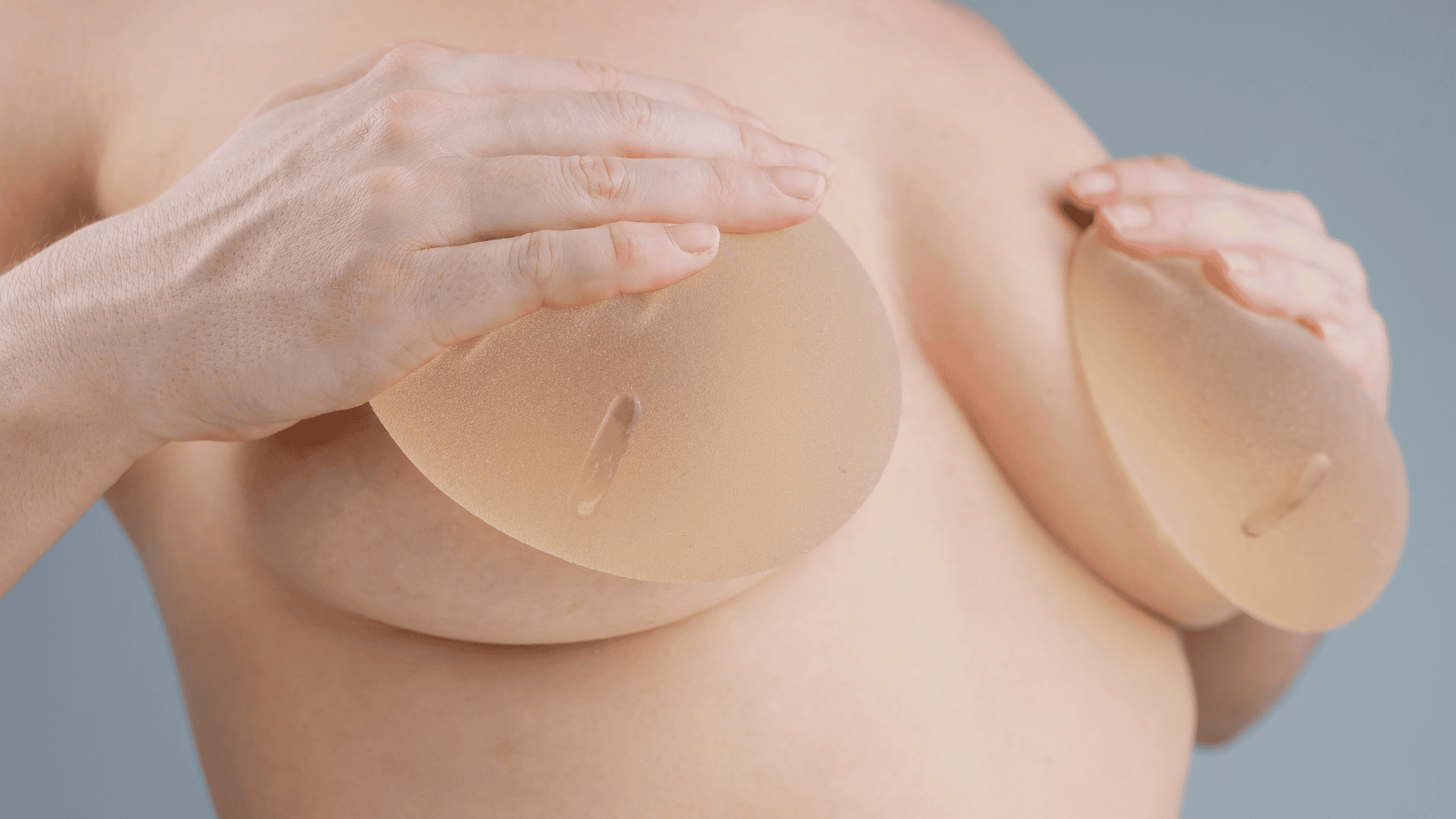
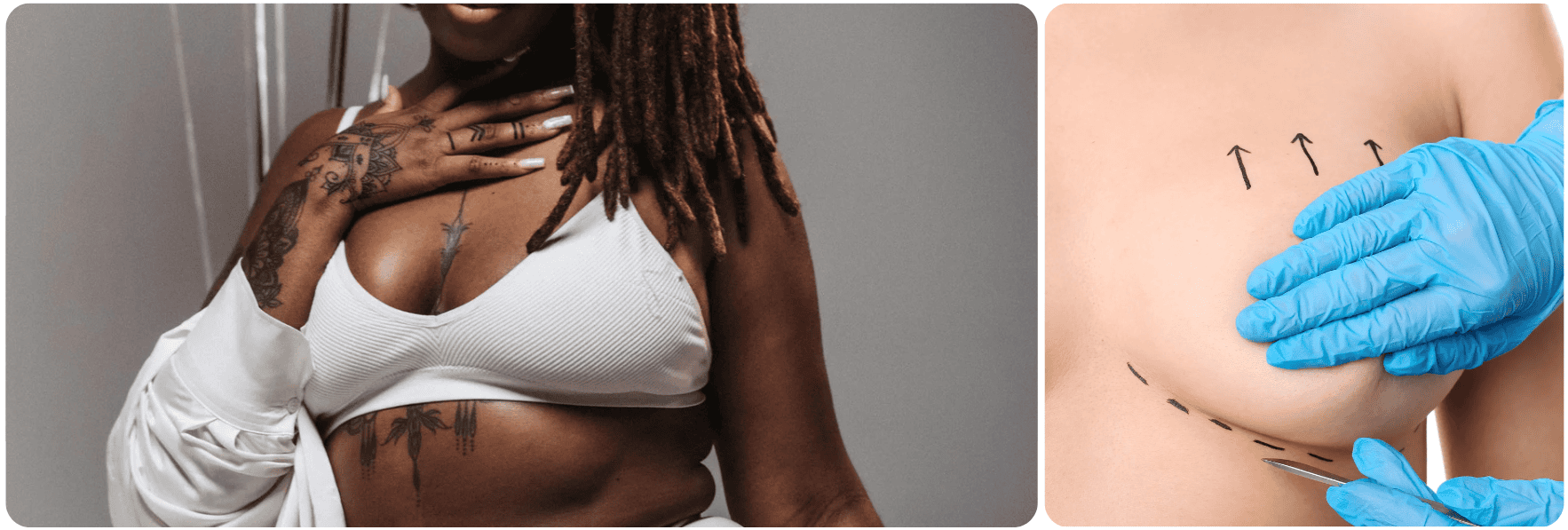
Implant exchange, also known as prosthesis exchange, is a surgical procedure in which an existing implant, such as a breast prosthesis, is removed and replaced with a new one. This procedure can be performed for various reasons, including the aging of the implant, complications such as capsular contracture, changes in breast tissue structure, or the desire of the patient to adjust her appearance by selecting a different size or shape of the implant.
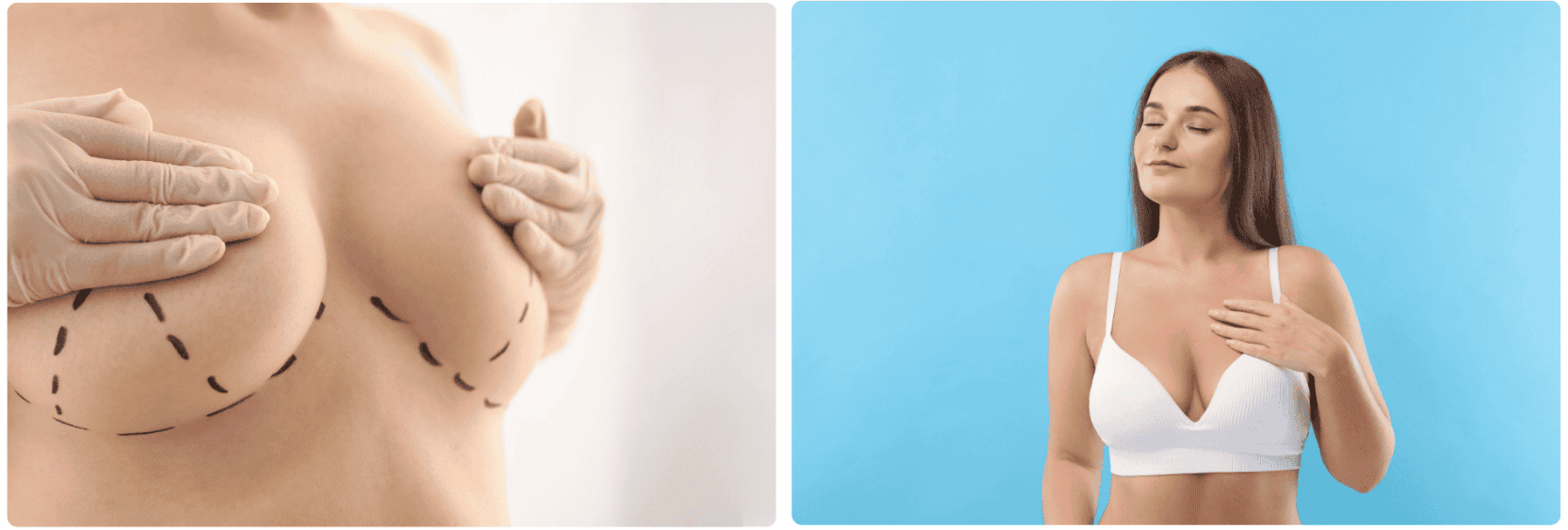
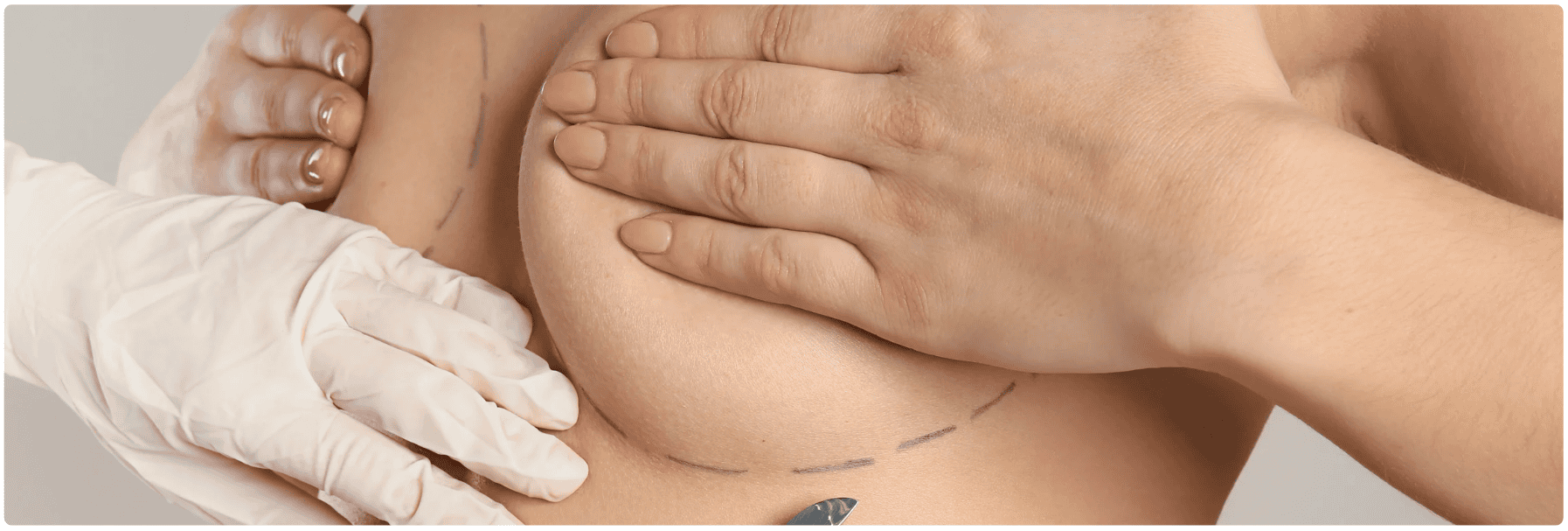
During the procedure, the surgeon typically makes an incision in the same location as the previous surgery to minimize scarring. The old implant is then removed, and the surgeon may inspect the surrounding tissue for any complications or changes. After evaluating the area, the new implant can be placed.
Implant exchange, also known as prosthesis exchange, is a surgical procedure in which an existing implant, such as a breast prosthesis, is removed and replaced with a new one.
Recovery after an implant exchange is similar to that of the initial implant placement. Patients may experience some swelling, pain, and discomfort, but with proper post-operative care and by following the surgeon's instructions, most individuals recover well. It is important to have realistic expectations regarding the results and to communicate openly with the surgeon about any concerns or desires.
As with the original implant placement, there are risks associated with implant exchange, such as infections, scarring, and complications related to the new implant. Therefore, it is essential for patients to be well-informed about the procedure and its potential risks, and to consult with an experienced plastic surgeon to determine the best approach for their situation.
Implant exchange, also known as prosthesis exchange, is a surgical procedure where existing breast implants are replaced with new ones. Many women choose to undergo implant exchange for various reasons, including changes in aesthetic preferences, medical concerns, or the natural aging of the implants. Over time, the body changes—factors such as weight fluctuations, aging, pregnancy, or breast tissue changes can alter the appearance of the implants, leading some women to seek a new size, shape, or type of implant to better suit their current body and lifestyle.
Implant exchange, also known as prosthesis exchange, is a surgical procedure where existing breast implants are replaced with new ones
Others may require implant exchange due to complications such as implant rupture, capsular contracture (when scar tissue tightens around the implant), or issues with implant placement. Modern implants are designed to be durable, but they are not lifetime devices, and some women may choose to replace them after a certain number of years as a precaution or in response to normal wear and tear.
Additionally, advancements in implant technology, such as improved materials or shapes, motivate some women to opt for newer implants that provide a more natural feel or enhanced safety. Whether driven by cosmetic or medical factors, implant exchange allows women to maintain or improve the appearance and comfort of their breast augmentation results over time.
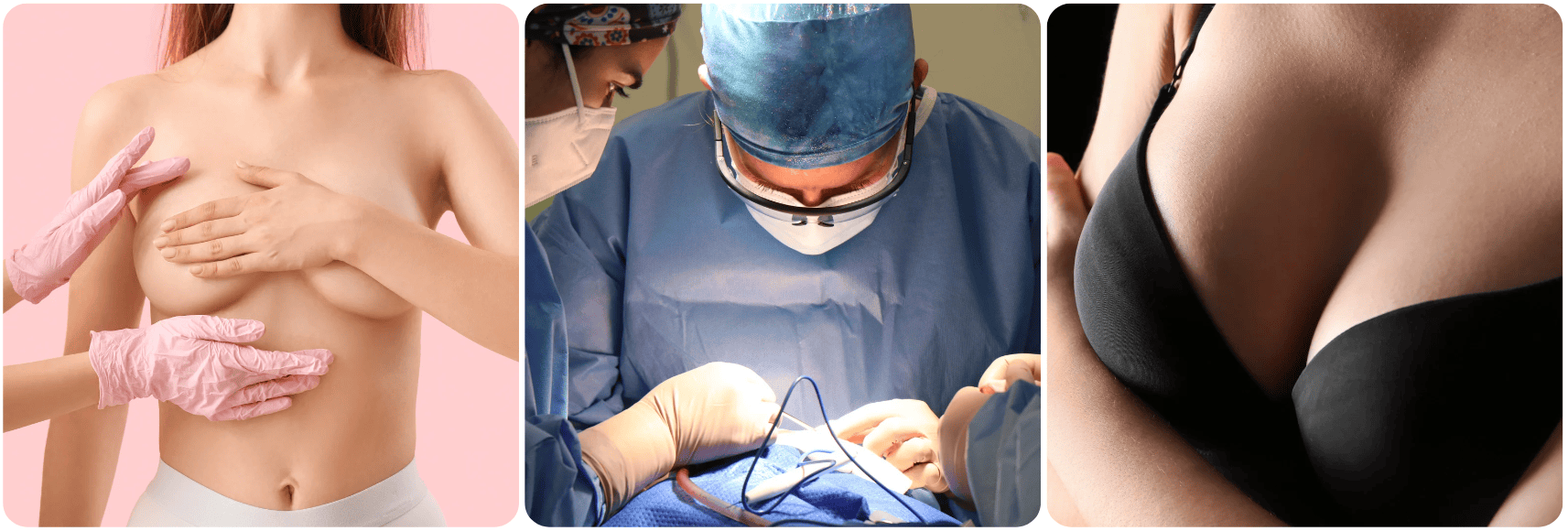
The implant exchange procedure typically begins with a consultation where the surgeon evaluates the condition of the current implants and discusses the patient’s goals for the new implants. The surgery itself is similar to the initial breast augmentation, often performed under general anesthesia. The surgeon may use the same incisions as the original surgery, whether they are under the breast (inframammary), around the areola (periareolar), or in the armpit (transaxillary), to minimize scarring. Once the incisions are made, the surgeon removes the old implants and assesses the breast pocket to ensure it is in good condition.
The implant exchange procedure typically begins with a consultation where the surgeon evaluates the condition of the current implants and discusses the patient’s goals for the new implants.
If necessary, the surgeon may adjust the pocket size or location to better accommodate the new implants, especially if the patient is changing implant size, shape, or type. In some cases, a breast lift (mastopexy) may be performed at the same time to address sagging or changes in breast tissue.
After the new implants are inserted—whether silicone, saline, or a newer generation of implant—the surgeon closes the incisions with sutures. The recovery process is similar to that of the initial augmentation, with patients typically experiencing some swelling and discomfort that subsides over a few weeks. Patients are advised to avoid heavy lifting and strenuous activities during the recovery period, and follow-up appointments with the surgeon ensure that healing progresses smoothly.
One of the main motivations for implant exchange is the opportunity to adjust breast size. Some women wish to go larger for a fuller look, while others prefer a smaller, more natural profile. Choosing the right size requires careful consultation, during which surgeons use sizers, imaging technology, or 3D simulations to visualize potential results. The decision is highly personal and should reflect both aesthetic goals and body proportions for long-term satisfaction.
The benefits of implant exchange are multifaceted, offering both aesthetic and health-related improvements for women who undergo the procedure. One of the most significant benefits is the ability to update the appearance of the breasts to align with a patient’s current preferences. Over time, a woman’s body and aesthetic tastes may change, and implant exchange allows for adjustments in size, shape, or projection to create a more desirable look. This can be especially important after major life events like pregnancy or weight changes, which can alter the way implants sit on the body.
The benefits of implant exchange are multifaceted, offering both aesthetic and health-related improvements for women who undergo the procedure.
Another key benefit is the opportunity to replace older implants with newer, more advanced options. Technological improvements in implant design have led to safer, more natural-feeling implants with reduced risks of complications like rupture or rippling. Women can also choose newer types of implants, such as cohesive gel (gummy bear) implants, which provide a more stable shape and a firmer feel.
Implant exchange also addresses medical concerns that may arise with older implants, such as capsular contracture, implant leakage, or shifting. By replacing the implants, women can resolve these issues and restore comfort and appearance, reducing the likelihood of future complications.
Additionally, some women opt for implant exchange to improve the aesthetic outcome of their original surgery, correcting issues like asymmetry or dissatisfaction with the initial results. The procedure can be highly personalized, offering a tailored approach that helps each woman achieve her ideal breast size, shape, and contour. Overall, implant exchange not only rejuvenates the breasts but also provides peace of mind by ensuring that the implants are safe and suitable for the patient’s evolving needs.
Not every person with breast implants will need or want an implant exchange, but certain individuals are ideal candidates for the procedure. These include those experiencing complications such as capsular contracture, implant rupture, or visible rippling. Others may be dissatisfied with the appearance of their current implants due to changes in weight, aging, or personal preference.
Candidates should be in good general health and have realistic expectations about the outcomes. Those considering newer implant types or combining the procedure with a breast lift can also benefit from implant exchange. A consultation with a qualified plastic surgeon is essential to determine the most appropriate timing and approach for each individual.
While modern breast implants are more durable than ever, they are not designed to last a lifetime. On average, implants may need to be replaced after 10 to 15 years, depending on the type and condition of the implant and the patient’s individual circumstances. Some women go much longer without needing a change, while others may need an implant exchange earlier due to complications or personal choice.
Regular check-ups and imaging tests like MRI or ultrasound can help monitor the integrity of the implants over time. Proactively replacing aging implants can help reduce the risk of issues such as rupture or leakage and maintain optimal aesthetic results.
Before deciding on implant exchange, there are several factors to weigh. Consider the reason for the exchange—is it medical, cosmetic, or both? Think about your desired breast size, shape, and profile, and whether you want to switch from saline to silicone or opt for a newer type like gummy bear implants. It's also important to consider whether a breast lift may be necessary to achieve the best results.
Reviewing your surgical history, understanding potential risks, and discussing expectations with your surgeon will help create a clear treatment plan. Emotional readiness and recovery time should also be taken into account before moving forward with the procedure.
Yes, implant exchange is often combined with additional cosmetic procedures to enhance overall results. A common combination is a breast lift, especially for patients dealing with sagging or loss of skin elasticity. In some cases, fat grafting is used alongside new implants to improve contour or correct asymmetry. Implant exchange may also be performed in conjunction with body contouring procedures such as liposuction or a tummy tuck for a more comprehensive transformation. Combining surgeries can reduce total recovery time and deliver more dramatic, balanced results. It’s important to discuss combination options during your consultation to ensure safety and proper planning.
When considering an implant exchange, one of the most important decisions involves choosing the type of new implant. Patients are no longer limited to the traditional options of saline or silicone. Advancements in technology now provide several alternatives, each with distinct advantages. Modern choices offer improved safety, durability, and aesthetics, giving patients greater flexibility to achieve their desired outcome. A consultation with a surgeon helps determine which implant type is most compatible with body type, lifestyle, and long-term expectations.
One concern patients often raise about implant exchange is the possibility of new scarring. While some scarring is inevitable, skilled surgeons usually work through existing incision lines to reduce additional marks. Advanced surgical techniques, combined with post-operative scar treatments like silicone sheets, gels, or laser therapy, can minimize the visibility of scars.
Patients are also advised to protect the healing area from direct sun exposure, as UV rays can darken scars. Over time, most scars fade and become significantly less noticeable, ensuring the aesthetic benefits of the exchange outweigh any concerns.
Recovering from prosthesis exchange surgery requires patience and proper care. While the healing process is similar to the initial augmentation, there are ways to improve comfort and promote faster recovery:
Follow your surgeon’s post-operative instructions carefully
Wear supportive surgical bras as recommended
Avoid heavy lifting and strenuous activities for several weeks
Stay hydrated and maintain a balanced diet to support healing
Attend all scheduled follow-up appointments
By adhering to these guidelines, most patients experience a smooth recovery and enjoy their results sooner.
Another reason women choose implant exchange is to address asymmetry between the breasts. Over time, natural changes in breast tissue, weight fluctuations, or pregnancy can cause one breast to look noticeably different from the other. Implant exchange allows the surgeon to replace the existing implants with new ones that better balance the breasts, sometimes adjusting pocket placement or combining the procedure with fat grafting for improved symmetry. The result is a more harmonious and proportionate appearance that enhances body confidence.
Like any surgery, implant exchange carries certain risks, even when performed by a qualified surgeon. Potential complications may include:
Infection at the surgical site
Bleeding or fluid accumulation
Capsular contracture developing around the new implant
Implant malposition or shifting
Dissatisfaction with size or shape
Rare cases of implant rupture
Understanding these risks in advance allows patients to make an informed decision and to work with their surgeon to minimize potential complications through careful planning and follow-up care.
Many people confuse implant exchange with revision surgery, but the two are not always the same. Implant exchange focuses specifically on replacing old implants with new ones, while revision surgery can involve more extensive corrections such as reshaping the breast pocket, addressing severe complications, or performing additional procedures to improve outcomes.
Some patients require only a straightforward implant exchange, while others may benefit from a revision approach to achieve optimal results. Clarifying the difference helps set the right expectations during consultation.
A growing trend in cosmetic surgery is combining implant exchange with fat transfer. This technique involves using liposuction to remove fat from areas like the abdomen or thighs and then transferring it to the breasts for added contour and softness. While implants provide volume and shape, fat transfer helps create a smoother transition and more natural appearance. This combination allows surgeons to refine breast aesthetics while also contouring other parts of the body, delivering a comprehensive enhancement.
Pregnancy and breastfeeding often cause significant changes in breast tissue and skin elasticity, which can impact the look and feel of implants. Many women consider implant exchange after these life events to restore their pre-pregnancy shape or to adapt to changes in their body. In some cases, a breast lift is performed simultaneously to address sagging and ensure the new implants sit correctly. This combination can provide a rejuvenated, youthful look while restoring confidence.
Modern imaging plays an important role in planning implant exchange. Tools such as ultrasound, MRI, or 3D breast simulations help surgeons evaluate the condition of the current implants and visualize outcomes for the replacements.
These technologies allow for a more precise assessment of rupture, leakage, or tissue health, ensuring that patients receive the most appropriate treatment plan. Imaging also assists in reducing uncertainties, giving patients confidence in their decision.
The recovery process after prosthesis exchange varies depending on the complexity of the surgery and whether additional procedures are performed. In general, patients can expect:
First few days: swelling, bruising, and discomfort managed with medication
First week: return to light activities and work, depending on job demands
2–4 weeks: gradual resumption of normal routines, avoiding strenuous exercise
6 weeks and beyond: most patients fully healed, with final results becoming visible
Following the surgeon’s instructions during each stage of recovery is crucial for long-term success.
The cost of an implant exchange can vary widely depending on several elements:
Surgeon’s expertise and credentials
Type and brand of implants chosen
Whether additional procedures such as a lift are included
The location and reputation of the clinic
Anesthesia and operating room fees
While price is an important factor, patients are advised to prioritize safety and quality, as choosing a highly skilled surgeon ensures better results and fewer risks.
One of the benefits of undergoing prosthesis exchange is the chance to enjoy long-lasting results. With modern implants designed for improved durability, many women can expect their new implants to last well over a decade without issues. However, regular check-ups remain important to monitor implant health. Maintaining a stable weight and healthy lifestyle can also contribute to extending the longevity of the results, helping patients enjoy their new look for many years.
Perhaps the most critical step in planning an implant exchange is selecting the right surgeon. Patients should look for board-certified specialists with extensive experience in breast surgery. Key factors to consider include:
Proven expertise in implant exchange procedures
Positive reviews and before-and-after results
Clear communication about risks and outcomes
A clinic environment that prioritizes patient safety
Willingness to tailor the procedure to individual needs
Choosing a qualified surgeon ensures that patients achieve safe, natural, and satisfying results.
During your consultation, you will discuss your wishes, medical history, and expectations with the doctor. The doctor will examine you, take measurements if necessary, and explain which treatment suits you best, including risks and recovery. You will have the opportunity to ask questions and then receive a clear treatment proposal.
Make sure you have all relevant medical information ready, such as previous treatments, allergies, or medical conditions. This allows the doctor to give you better advice.
Payment is made securely via SurgeryBooking. You pay the amount in advance to SurgeryBooking. We hold the funds and transfer them to the clinic after your treatment. Cancellation or change conditions vary per clinic and are clearly communicated in advance.
During the consultation (online or at the clinic), the doctor will assess this based on your health, expectations, and physical characteristics. You will discuss what you want, what is possible, and what the limitations are. Sometimes there are alternatives if the chosen treatment is not ideal.
Through SurgeryBooking.com, you can quickly and easily book a consultation or procedure with doctors and clinics worldwide. SurgeryBooking.com provides an overview of doctors and clinics, allowing you to make an informed and transparent choice when booking a consultation or procedure.
You can easily book through the profile of the desired clinic or doctor. Select the desired treatment, enter your details, and choose an available date and time. If there are any costs involved, you will complete the payment first. Afterwards, you will receive a confirmation email with all the details.
Yes, during the booking process, you can indicate whether you prefer an online consultation or an in-person consultation at the clinic.
With SurgeryBooking.com, you gain access to a global network of doctors and clinics. Through SurgeryBooking.com, you can easily book a consultation or a cosmetic procedure directly. Clinic profiles provide information about available cosmetic procedures, reviews, photos of the clinic, and other relevant details. This enables you to compare costs and make an informed decision when booking a consultation or procedure.