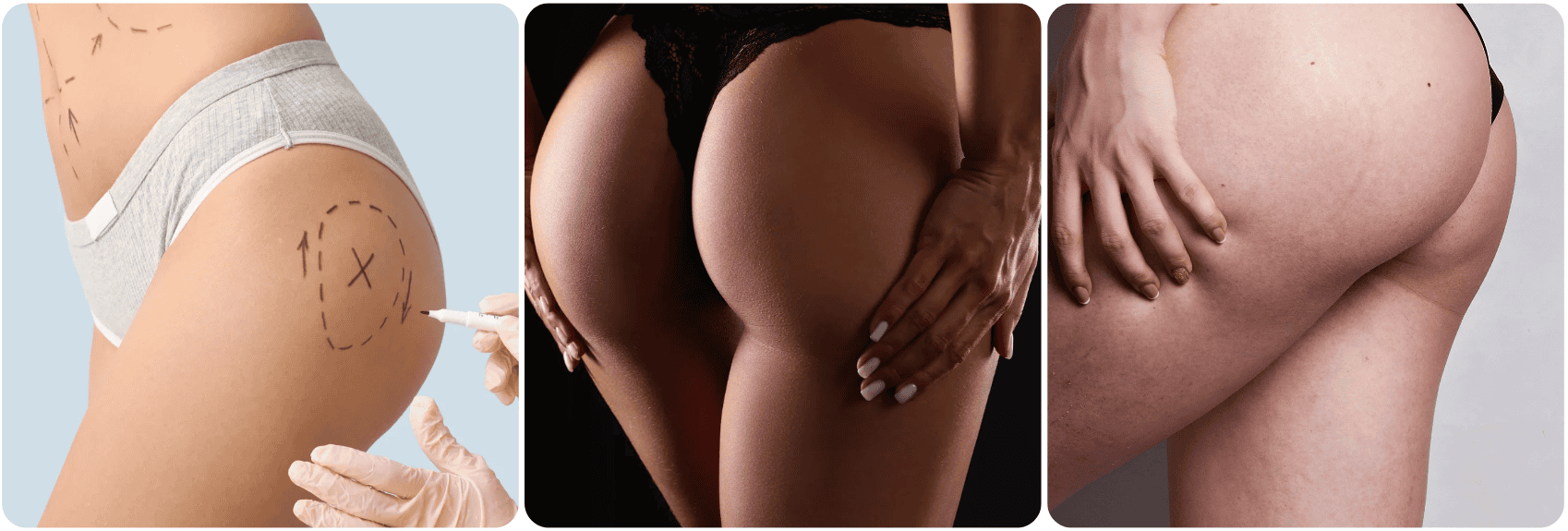
A hip reduction is a surgical procedure aimed at reducing the size of the hips. This operation is often performed for aesthetic reasons, where an individual may wish to adjust the proportions of their body or achieve a slimmer silhouette. During a hip reduction, excess fat is typically removed through liposuction, a process in which a thin tube, called a cannula, is used to suction fat from the hip area. In some cases, skin or muscle tissue may also be modified to achieve the desired outcome.
A hip reduction is a surgical procedure aimed at reducing the size of the hips.
While the procedure is primarily cosmetic, hip reduction can also be considered for medical reasons. Individuals who experience pain or discomfort due to an imbalanced body structure or who face difficulties during physical activities may benefit from the surgery. The procedure can help alleviate pressure on the joints and improve overall mobility.
The recovery period after a hip reduction varies depending on the complexity of the surgery and the patient’s individual circumstances. Generally, light daily activities can be resumed within a few weeks, but full recovery may take several months. During this time, it is important to follow the surgeon’s instructions carefully, ensuring proper wound care and adequate rest. As with any surgical procedure, there are risks involved, such as infection, bleeding, or asymmetry in the results. Therefore, consulting with a qualified and experienced plastic surgeon is essential to weigh the pros and cons of the operation.
Beyond the physical changes, a hip reduction can also have a positive impact on self-esteem and overall body confidence. However, it is crucial to have realistic expectations and a clear understanding of the procedure before making any decisions.
Not everyone considering hip reduction is automatically a suitable candidate. Hip reduction is generally recommended for individuals experiencing discomfort from hip asymmetry, excess fat accumulation, or structural irregularities that affect mobility. Patients in good overall health, with stable body weight and realistic expectations, tend to achieve the most favorable results.
Other characteristics that may make someone an ideal candidate include:
👉 Adults who have completed physical growth and development
👉 Individuals with localized fat deposits around the hips
👉 Those experiencing pain while walking, standing, or exercising
👉 Patients with no serious underlying medical conditions
👉 People who are committed to following post-operative care instructions
A comprehensive consultation with a board-certified surgeon is crucial to determine if hip reduction is suitable and safe. Proper evaluation helps ensure outcomes are both effective and lasting.
Hip reduction surgery is typically performed to address hip dislocations or severe hip deformities that result from traumatic injuries, congenital conditions, or degenerative diseases such as arthritis. A hip dislocation occurs when the ball of the femur (thigh bone) is forced out of the hip socket, causing significant pain, instability, and difficulty moving the leg.
Over time, untreated dislocations or deformities can lead to permanent damage to the hip joint, resulting in chronic pain and loss of function. For individuals who experience recurring dislocations or have been diagnosed with severe hip dysplasia (a condition where the hip socket does not fully cover the ball of the thigh bone), hip reduction surgery can be a solution to restore proper alignment and improve joint stability.
A hip dislocation occurs when the ball of the femur (thigh bone) is forced out of the hip socket, causing significant pain, instability, and difficulty moving the leg.
This procedure is aimed at repositioning the hip joint into its correct anatomical position, which can alleviate pain, prevent further joint damage, and allow for greater mobility and quality of life. For those who have exhausted conservative treatments such as physical therapy or medications, hip reduction provides a more permanent solution to restore hip function and prevent long-term complications.
Many misconceptions surround hip reduction, and clarifying them helps patients make informed choices. Understanding the facts reduces anxiety and sets realistic expectations.
Common myths versus facts:
👉 Myth: Hip reduction is only for weight loss. Fact: The procedure primarily targets contour and symmetry, not general weight reduction.
👉 Myth: Recovery is extremely painful. Fact: Pain is manageable with prescribed medications and proper care.
👉 Myth: Results are temporary. Fact: Long-term results are achievable with stable weight and healthy habits.
👉 Myth: Everyone can have hip reduction safely. Fact: Candidates must meet specific health criteria for safety.
Educating oneself on the realities of hip reduction ensures informed decision-making and a smoother overall experience.
Patients considering hip reduction often wonder about the visual and functional changes they can anticipate. Realistic expectations are key to satisfaction with the outcome.
Before surgery, patients may have:
👉 Noticeable hip prominence or asymmetry
👉 Discomfort while walking, running, or sitting
👉 Clothing fit issues due to wider hip proportions
After surgery, improvements typically include:
👉 Slimmer, more balanced hip contours
👉 Reduced physical discomfort and better mobility
👉 Enhanced confidence in body shape and proportions
Understanding the transformation from before to after helps set practical expectations for recovery and long-term results from hip reduction.
Hip reduction surgery is typically performed under general anesthesia to ensure the patient is comfortable and pain-free during the procedure. The exact method of surgery depends on the cause of the hip dislocation or deformity. In cases of traumatic dislocations, the surgeon will first reduce the hip, meaning they will manually reposition the femoral head back into the hip socket. If the hip dislocation is complex or recurrent, the surgeon may need to perform more advanced procedures, such as repairing the joint or correcting structural abnormalities that are contributing to instability.
Hip reduction surgery is typically performed under general anesthesia to ensure the patient is comfortable and pain-free during the procedure.
In cases of hip dysplasia, the surgery may involve reshaping the acetabulum (the hip socket) or the femoral head to better align with the joint, ensuring the ball and socket fit properly. In some situations, a hip replacement may be recommended, especially if the joint has been severely damaged and cannot be restored to its original function. The surgery may involve making incisions around the hip joint to access the affected area, and the patient may need to stay in the hospital for a few days for observation and pain management.
After surgery, the patient will typically be advised to limit movement and weight-bearing on the affected hip for several weeks. Physical therapy is often recommended to help restore mobility and strength as the hip heals.
Preparing for hip reduction is crucial for achieving safe surgery and optimal results. Patients are typically advised to undergo a complete medical evaluation, including blood tests and imaging studies to assess hip structure. Maintaining a stable weight and avoiding certain medications can help reduce complications.
Key preparation steps include:
👉 Discussing your medical history and current medications with your surgeon
👉 Quitting smoking or limiting alcohol intake for several weeks before surgery
👉 Arranging post-operative support, including someone to assist with daily tasks
👉 Planning for downtime and avoiding strenuous activity immediately after surgery
👉 Following a balanced diet to promote healing
Proper preparation ensures that hip reduction can be performed safely, reducing recovery time and improving long-term outcomes.
Many patients have common questions regarding hip reduction, ranging from safety concerns to expected outcomes. Understanding the procedure in detail can help reduce anxiety and ensure informed decisions.
Some frequently asked questions include:
👉 How long does the surgery take?
👉 Will I experience permanent scarring?
👉 How much pain is normal after surgery?
👉 When can I resume normal activities or exercise?
👉 Are the results permanent or subject to change?
Most questions can be answered through a detailed consultation, where a surgeon evaluates your specific situation and explains the surgical plan. Knowledge and preparation help patients approach hip reduction with confidence.
While generally safe, hip reduction carries potential side effects and risks, as with any surgical procedure. Awareness of these possibilities allows patients to make informed decisions and follow precautions.
Common risks include:
👉 Infection at the incision site
👉 Excessive swelling or bruising
👉 Temporary or permanent changes in skin sensation
👉 Minor asymmetry or uneven contours
👉 Blood clots in rare cases
Careful surgical planning and adherence to post-operative instructions minimize these risks, making hip reduction a reliable option for individuals seeking both functional and aesthetic improvements.
The main benefit of hip reduction surgery is the relief of pain and restoration of hip stability. For individuals suffering from a dislocated hip or hip deformities, the procedure can significantly reduce discomfort, improve mobility, and restore a more natural walking pattern.
By repositioning the hip joint, the surgery helps prevent further damage to the cartilage, muscles, and ligaments surrounding the joint, which can lead to more serious complications, including arthritis or permanent disability. Additionally, hip reduction surgery can improve overall function by enabling the individual to return to normal activities like walking, standing, and exercising. For those who have been living with chronic instability or pain, the procedure can enhance their quality of life, allowing them to engage in daily tasks without the limitations they once faced.
The main benefit of hip reduction surgery is the relief of pain and restoration of hip stability.
In cases where hip dysplasia is corrected, the procedure can also prevent future dislocations, providing long-term stability to the hip joint. Overall, hip reduction surgery offers a highly effective solution for restoring hip function, alleviating pain, and improving the overall quality of life for individuals with hip dislocations or deformities.
Results from hip reduction can vary depending on the patient’s body type, the extent of surgery, and adherence to post-operative care. Most patients notice a more proportionate hip contour, improved symmetry, and enhanced confidence in their body shape. While the procedure can significantly reduce excess tissue, it is not a substitute for weight loss or overall fitness.
Patients can generally expect:
👉 A slimmer hip silhouette
👉 Improved balance and proportion of lower body contours
👉 Reduced discomfort caused by excessive hip size
👉 Enhanced range of motion and ease in physical activities
👉 Minimal scarring when proper surgical techniques are used
It’s important to have realistic expectations; hip reduction enhances shape and comfort but may not completely eliminate minor irregularities or asymmetries.
Recovery from hip reduction is gradual and requires careful adherence to post-operative instructions. Initially, patients may experience swelling, bruising, and discomfort, which typically improve within a few weeks. Pain management and activity restrictions are important during the early stage.
A step-by-step overview includes:
👉 First week: Limited movement, use of mobility aids, and wound care
👉 Weeks 2-4: Gradual increase in light activity, continued monitoring for swelling or infection
👉 Weeks 4-6: Gentle exercises or physical therapy to restore flexibility and strength
👉 Months 2-3: More active lifestyle resumed under surgeon guidance
👉 Full recovery: Usually 3-6 months for complete results and normalization of hip function
Following these steps ensures a smoother healing process and maximizes the aesthetic and functional benefits of hip reduction.
Post-operative care is essential for sustaining the results of hip reduction. Proper aftercare accelerates healing, reduces complications, and ensures a smoother recovery experience.
Key tips include:
👉 Follow all surgeon instructions regarding wound care and medication
👉 Wear compression garments if recommended to reduce swelling
👉 Avoid strenuous activity for the first few weeks
👉 Attend all scheduled follow-up appointments
👉 Maintain a healthy diet and stay hydrated to promote healing
👉 Engage in gentle physical therapy to restore strength and flexibility
Diligent aftercare allows patients to enjoy the full aesthetic and functional benefits of hip reduction.
The longevity of hip reduction results depends on factors such as age, genetics, lifestyle, and weight stability. Generally, the contour improvements are long-lasting if patients maintain a healthy lifestyle.
Factors that influence results include:
👉 Weight fluctuations, which can affect hip shape
👉 Aging and changes in skin elasticity
👉 Post-surgical exercise habits
👉 Overall health and metabolic conditions
With proper care and stable body weight, most patients experience durable results for many years. However, occasional touch-ups or adjustments may be considered in rare cases to maintain optimal appearance.
Physical therapy plays a crucial role in maximizing the benefits of hip reduction. It helps restore mobility, strength, and functional balance after surgery.
During rehabilitation, physical therapy may include:
👉 Gentle stretching exercises to improve flexibility
👉 Strengthening routines targeting glutes, hips, and lower back
👉 Posture training to prevent compensatory strain
👉 Low-impact activities like walking or swimming for cardiovascular health
👉 Guidance on safe resumption of daily activities and exercise
Consistent therapy ensures that hip reduction results are maintained and functional improvements are fully realized, reducing the risk of long-term complications.
Maintaining results from hip reduction depends heavily on lifestyle choices. Proper diet, exercise, and overall health practices can enhance the longevity of surgical outcomes.
Key lifestyle considerations include:
👉 Balanced diet rich in protein, vitamins, and minerals to support tissue repair
👉 Regular low-impact exercise to maintain hip contour and muscle tone
👉 Avoiding significant weight fluctuations that could distort results
👉 Staying hydrated to improve skin elasticity and healing
👉 Limiting smoking and alcohol, which can impair recovery
By integrating these habits, patients can protect and prolong the aesthetic and functional benefits of hip reduction.
During your consultation, you will discuss your wishes, medical history, and expectations with the doctor. The doctor will examine you, take measurements if necessary, and explain which treatment suits you best, including risks and recovery. You will have the opportunity to ask questions and then receive a clear treatment proposal.
Make sure you have all relevant medical information ready, such as previous treatments, allergies, or medical conditions. This allows the doctor to give you better advice.
Payment is made securely via SurgeryBooking. You pay the amount in advance to SurgeryBooking. We hold the funds and transfer them to the clinic after your treatment. Cancellation or change conditions vary per clinic and are clearly communicated in advance.
During the consultation (online or at the clinic), the doctor will assess this based on your health, expectations, and physical characteristics. You will discuss what you want, what is possible, and what the limitations are. Sometimes there are alternatives if the chosen treatment is not ideal.
Through SurgeryBooking.com, you can quickly and easily book a consultation or procedure with doctors and clinics worldwide. SurgeryBooking.com provides an overview of doctors and clinics, allowing you to make an informed and transparent choice when booking a consultation or procedure.
You can easily book through the profile of the desired clinic or doctor. Select the desired treatment, enter your details, and choose an available date and time. If there are any costs involved, you will complete the payment first. Afterwards, you will receive a confirmation email with all the details.
Yes, during the booking process, you can indicate whether you prefer an online consultation or an in-person consultation at the clinic.
With SurgeryBooking.com, you gain access to a global network of doctors and clinics. Through SurgeryBooking.com, you can easily book a consultation or a cosmetic procedure directly. Clinic profiles provide information about available cosmetic procedures, reviews, photos of the clinic, and other relevant details. This enables you to compare costs and make an informed decision when booking a consultation or procedure.