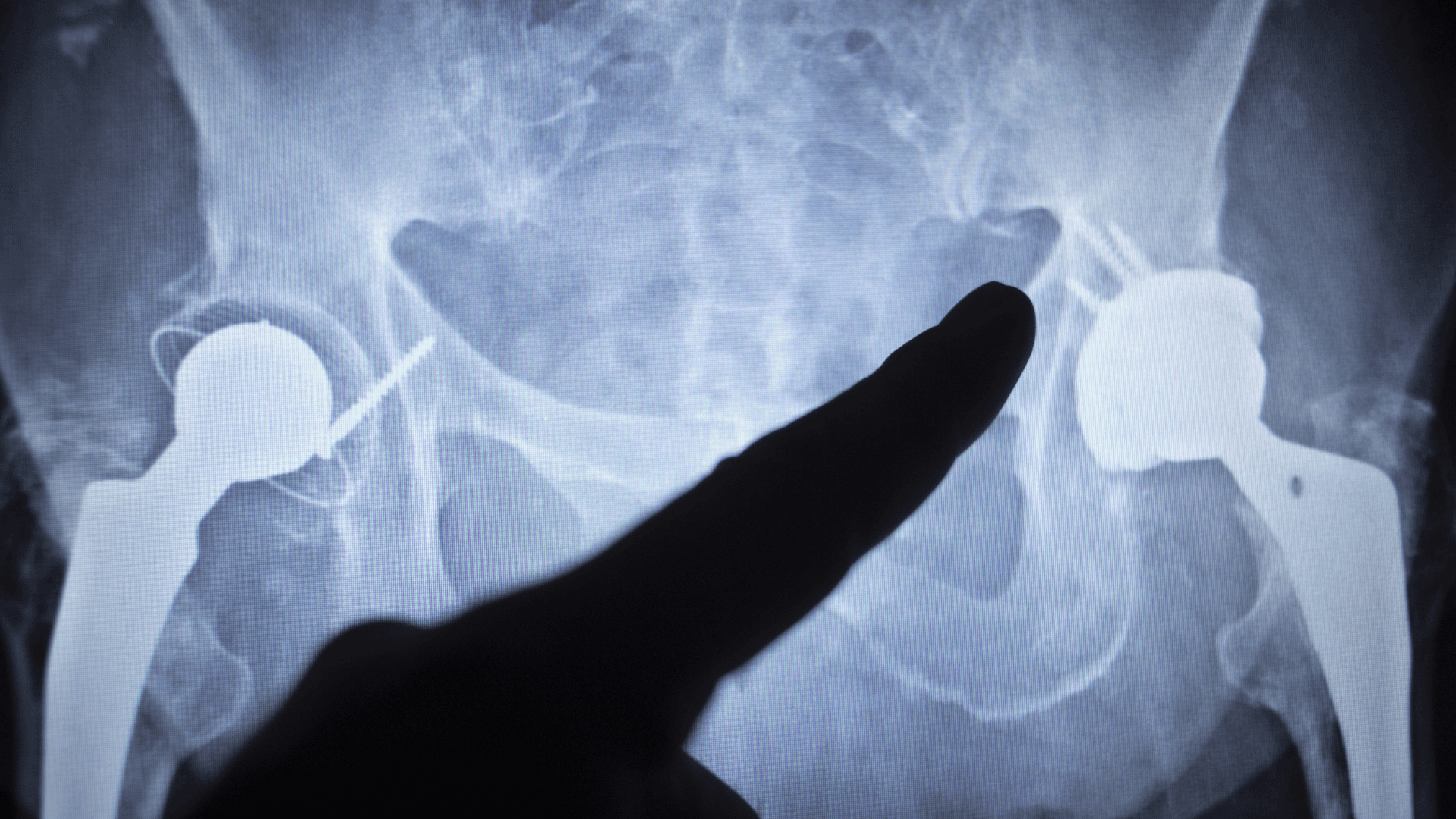
A hip implant is a medical prosthesis used to replace a damaged or worn-out hip joint. This type of surgery is commonly performed on individuals suffering from severe hip degeneration, such as osteoarthritis or rheumatoid arthritis, or those who have experienced a hip fracture. The purpose of a hip implant is to reduce pain and improve mobility, allowing the patient to move more freely again.
The hip joint is a ball-and-socket joint, where the ball at the top of the femur (thigh bone) fits into a socket in the pelvis. When this joint becomes severely damaged or worn, walking or performing daily activities can become difficult or painful. A hip implant replaces these parts with artificial components. The ball of the femur is replaced with a metal or ceramic ball, and the socket is replaced with a plastic or metal cup.
There are different types of hip implants, which vary based on the materials used and how they are anchored into the bone. Some implants are fixed with bone cement, while others are designed to allow the bone to grow into them over time. The choice of implant depends on several factors, including the patient’s age, activity level, and overall health.
The procedure to insert a hip implant is common and generally successful. After surgery, patients typically undergo a rehabilitation process that includes exercises to restore strength and mobility. In many cases, individuals are able to walk pain-free and resume normal activities after a successful hip replacement.
Although a hip implant can last for many years, it may eventually need to be replaced, especially in younger or more active patients. This replacement surgery, known as revision surgery, can be more complex than the original procedure. Nevertheless, hip implants offer significant improvements in the quality of life for those who suffer from chronic hip pain or mobility limitations.
Hip implants are medical devices used to enhance the shape and volume of the hips, typically for cosmetic purposes. This procedure is popular among individuals who desire fuller, more defined hips or wish to correct asymmetry in the hip area. Hip implants are often used when other methods, such as fat grafting, may not provide the desired results or when a more dramatic enhancement is needed. The implants are made from biocompatible materials like silicone, designed to mimic the natural contours of the body. Hip implants can provide a long-lasting solution to enhance body proportions, creating a more balanced, curvaceous silhouette. This procedure is often sought by individuals who want to improve their overall body shape and boost self-confidence.
Hip implant surgery is typically performed under general anesthesia, ensuring the patient is comfortable throughout the procedure. The surgeon makes small incisions in discreet areas of the body, such as the natural folds of the skin, to minimize visible scarring. Through these incisions, the surgeon carefully inserts silicone implants into the hip area to add volume and enhance the natural curves of the hips. The implants are placed in specific locations to ensure a symmetrical and natural-looking result. The procedure usually takes a few hours to complete, depending on the complexity and the number of implants used. After the surgery, patients are typically monitored for a short period before being allowed to return home. A supportive garment may be recommended to help reduce swelling and aid in the healing process. Patients are generally advised to avoid strenuous physical activity for several weeks to allow for proper healing and to ensure the implants settle into their final position.
The primary benefit of hip implants is the enhancement of the body's shape, particularly the hip area. For individuals who are dissatisfied with the size or shape of their hips, implants offer a permanent solution to achieve fuller, more contoured hips. This procedure can help improve body proportions, creating a more balanced and curvaceous silhouette, which can significantly boost self-esteem and confidence. Hip implants also provide a predictable and long-lasting result, with many patients enjoying the enhanced appearance of their hips for years. Additionally, because the implants are made from durable, biocompatible materials, they typically carry a low risk of complications when performed by an experienced surgeon. The recovery time for hip implant surgery is relatively short, with most patients resuming normal activities within a few weeks. Overall, hip implants offer a safe and effective way to achieve the desired hip shape and volume.
During your consultation, you will discuss your wishes, medical history, and expectations with the doctor. The doctor will examine you, take measurements if necessary, and explain which treatment suits you best, including risks and recovery. You will have the opportunity to ask questions and then receive a clear treatment proposal.
Make sure you have all relevant medical information ready, such as previous treatments, allergies, or medical conditions. This allows the doctor to give you better advice.
Payment is made securely via SurgeryBooking. You pay the amount in advance to SurgeryBooking. We hold the funds and transfer them to the clinic after your treatment. Cancellation or change conditions vary per clinic and are clearly communicated in advance.
During the consultation (online or at the clinic), the doctor will assess this based on your health, expectations, and physical characteristics. You will discuss what you want, what is possible, and what the limitations are. Sometimes there are alternatives if the chosen treatment is not ideal.
Through SurgeryBooking.com, you can quickly and easily book a consultation or procedure with doctors and clinics worldwide. SurgeryBooking.com provides an overview of doctors and clinics, allowing you to make an informed and transparent choice when booking a consultation or procedure.
You can easily book through the profile of the desired clinic or doctor. Select the desired treatment, enter your details, and choose an available date and time. If there are any costs involved, you will complete the payment first. Afterwards, you will receive a confirmation email with all the details.
Yes, during the booking process, you can indicate whether you prefer an online consultation or an in-person consultation at the clinic.
With SurgeryBooking.com, you gain access to a global network of doctors and clinics. Through SurgeryBooking.com, you can easily book a consultation or a cosmetic procedure directly. Clinic profiles provide information about available cosmetic procedures, reviews, photos of the clinic, and other relevant details. This enables you to compare costs and make an informed decision when booking a consultation or procedure.