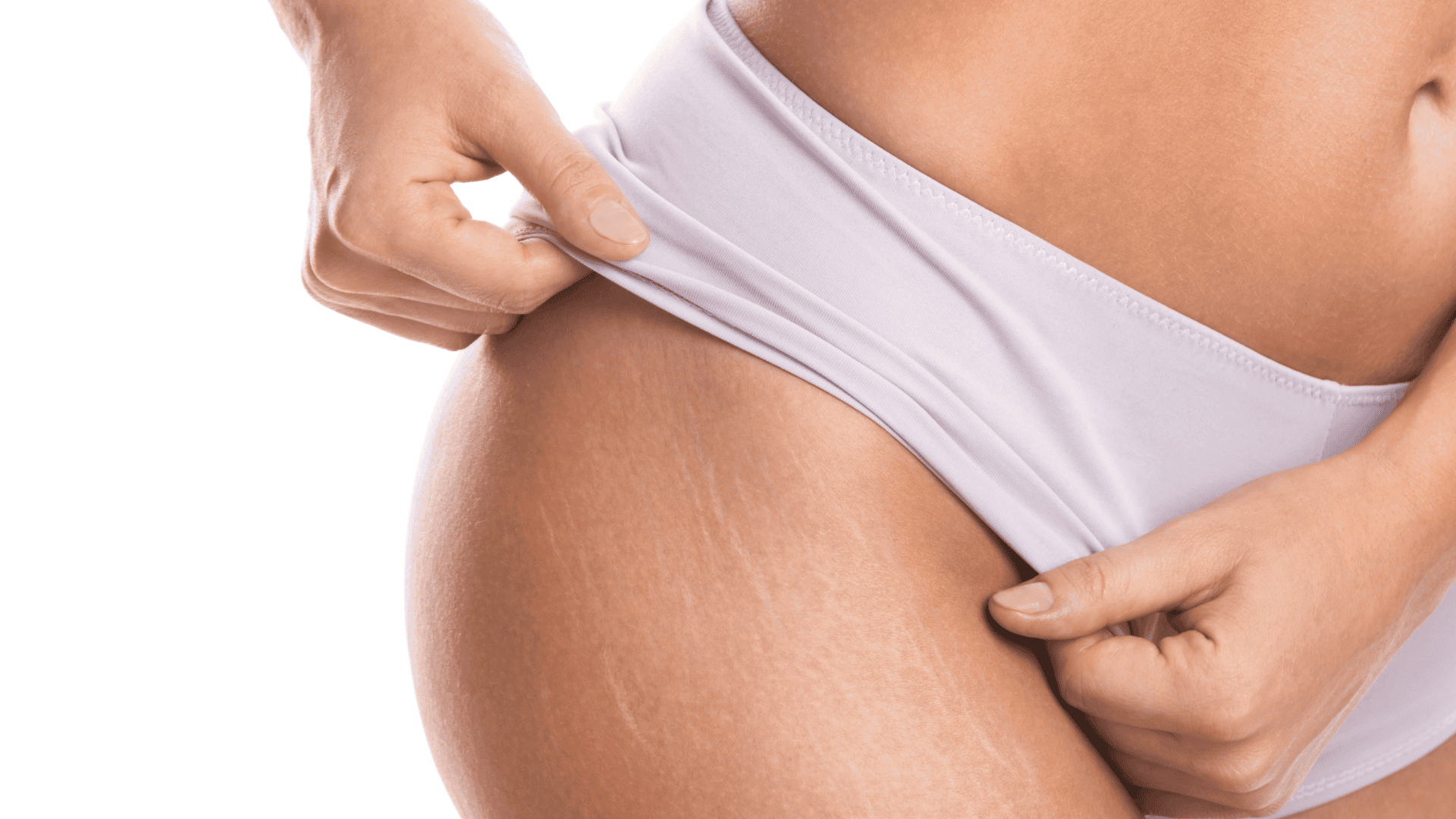
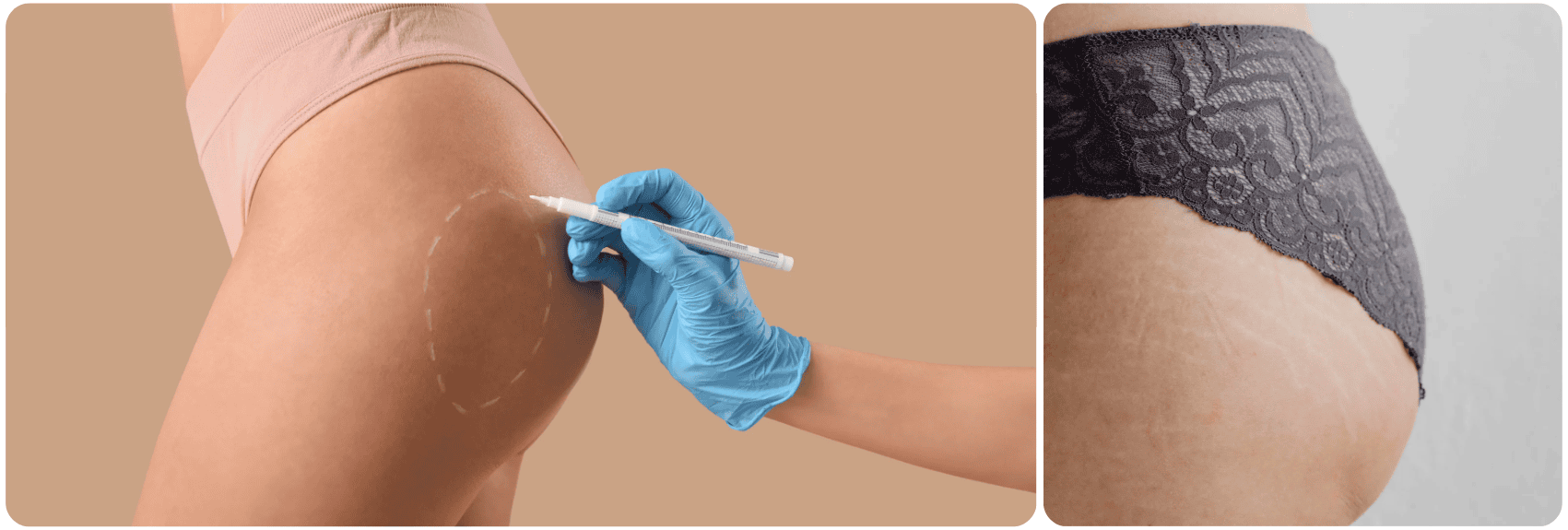
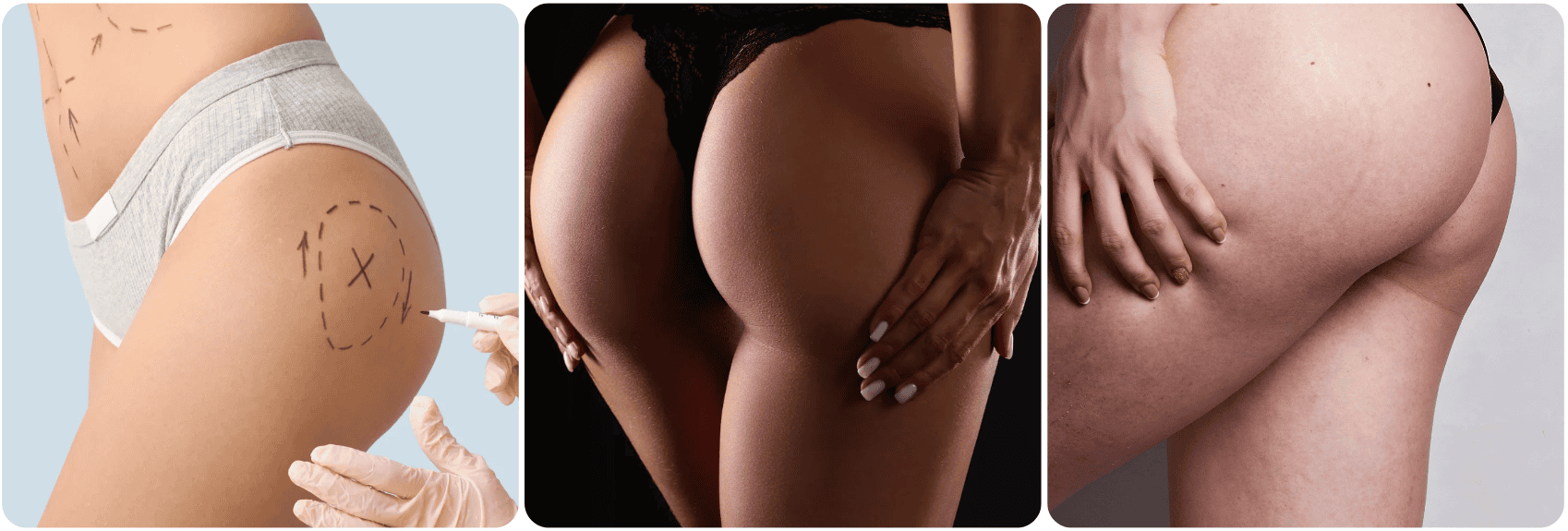
Hip dip surgery, also known as a hip augmentation or fat grafting procedure, is a cosmetic treatment designed to address the natural indentations or "dips" on the sides of the hips. These dips occur where the hip bone meets the thigh bone and are a normal part of the body’s anatomy. Although hip dips are common and completely natural, some people may feel self-conscious about them, as they can interrupt the smooth, rounded curve often associated with the idealized shape of the hips.
During hip dip surgery, fat is typically harvested from other areas of the body, such as the abdomen, thighs, or flanks, through liposuction. This fat is then purified and re-injected into the hip area to fill out the dips, creating a more rounded and even appearance. This technique is called fat transfer or lipofilling. In cases where there is insufficient fat available for transfer, synthetic implants may be used to smooth out the hip contour.
Hip dip surgery, also known as a hip augmentation or fat grafting procedure, is a cosmetic treatment designed to address the natural indentations or "dips" on the sides of the hips.
The procedure is typically performed under general anesthesia or local anesthesia with sedation and usually takes one to three hours, depending on the complexity. Post-surgery, patients may experience some swelling, bruising, and discomfort in the treated areas, but these side effects generally subside within a few weeks. Full recovery can take several months, as the body adjusts to the newly added fat and any residual swelling diminishes.
The results of hip dip surgery are usually long-lasting, but factors like weight fluctuations and the natural aging process can affect the appearance over time. Maintaining a stable weight is often recommended to preserve the outcome. This procedure has gained popularity among individuals looking to enhance their body contours and achieve a more symmetrical and aesthetically pleasing figure.
Hip dip surgery, also known as hip dip correction or "hip reshaping," is sought by individuals who desire smoother, more contoured hips. Hip dips refer to natural indentations or inward curves on the sides of the hips, which can sometimes create an appearance that some people wish to change. While these indentations are completely normal and a result of genetics, body structure, and bone structure, many people feel self-conscious about them, especially when wearing tight clothing or swimsuits.
Hip dip surgery, also known as hip dip correction or "hip reshaping," is sought by individuals who desire smoother, more contoured hips.
For those seeking a more balanced and rounded shape, hip dip surgery offers a solution. This cosmetic procedure aims to smooth out the appearance of these dips by redistributing fat in the hip area. Whether through fat grafting (lipofilling), implants, or other surgical techniques, hip dip surgery provides patients with the option to achieve their ideal body contour. Many choose to undergo this procedure to enhance their self-esteem and boost confidence, feeling more comfortable with their body shape.
It is important to note that while hip dips are natural and not a medical concern, hip dip surgery can help address personal aesthetic goals for those who are bothered by the appearance of their hips.
The ideal candidate for Hip dip surgery is generally someone who feels bothered by visible hip indentations and wants a smoother, more continuous hip contour. This procedure is most suitable for individuals who are already close to their target weight and have realistic expectations about what hip augmentation can achieve. While hip dips are a natural anatomical feature, some people choose surgery to enhance symmetry and body proportions.
Good candidates also tend to be in overall good health, non-smokers, and willing to follow post-procedure guidelines carefully. Surgeons usually assess fat availability, skin elasticity, and bone structure before recommending treatment.
👉 Adults with stable body weight
👉 People with noticeable hip dips affecting body contour
👉 Individuals with enough donor fat for transfer (if choosing fat grafting)
👉 Patients without major underlying medical conditions
It’s equally important that candidates understand Hip dip surgery is a cosmetic enhancement, not a medical necessity. A detailed consultation helps clarify whether fat transfer, implants, or alternative contouring methods are most appropriate.
Results from Hip dip surgery typically focus on improving hip curvature and reducing the appearance of indentations. Most patients notice a rounder, more balanced silhouette once swelling subsides, although final outcomes may take several months to fully appear.
Fat grafting delivers subtle, natural-looking volume, while implants can provide more dramatic shaping. However, perfection is not guaranteed—anatomy still plays a role in the final contour.
👉 Smoother transitions between waist and thighs
👉 Improved hip symmetry
👉 Enhanced overall lower-body proportions
It’s also worth noting that some transferred fat may be reabsorbed by the body. Because of this, surgeons sometimes slightly overfill the area to compensate. Maintaining stable weight after Hip dip surgery supports longer-lasting results.
Results from Hip dip surgery can last for many years, especially when fat grafting successfully integrates with surrounding tissue. However, natural aging and weight fluctuations may influence appearance over time.
Patients who maintain a consistent lifestyle tend to retain their results longer. In some cases, a secondary fat transfer may be considered if volume decreases.
👉 Fat survival varies per individual
👉 Stable weight supports longevity
👉 Aging can subtly change contours
While not immune to change, outcomes are generally considered long-lasting.
There are several misconceptions surrounding Hip dip surgery. One myth is that exercise alone can eliminate hip dips; in reality, bone structure largely determines their appearance.
Another misconception is that results look artificial—modern techniques aim for natural transitions and proportional shaping.
👉 Myth: Hip dips mean you’re unhealthy
👉 Fact: They’re a normal anatomical feature
👉 Myth: Results are always dramatic
Understanding these facts helps set realistic expectations and reduces unnecessary worry.
Although Hip dip surgery focuses specifically on lateral hip indentations, it differs from broader body contouring treatments like Brazilian butt lift or standard liposuction. Its goal is targeted reshaping rather than overall volume enhancement.
The procedure often complements other treatments but requires its own planning due to the unique anatomy of the hip area. Fat placement must be precise to achieve smooth transitions.
👉 Targets side-hip indentations specifically
👉 Uses strategic fat placement or implants
👉 Often combined with liposuction for harmony
By understanding these distinctions, patients gain clearer insight into what Hip dip surgery can realistically offer—and how it fits within the wider world of cosmetic body contouring.
Hip dip surgery can be performed using different techniques, with the most common method being fat grafting, also known as lipofilling. In this procedure, the surgeon first liposuctions fat from another area of the body, such as the abdomen or thighs, where there is excess fat. The fat is then purified and carefully injected into the hip dip areas to fill in the indentations, providing a smoother, more rounded contour. This technique is popular because it is minimally invasive, uses the patient’s own fat, and often results in a more natural look.
Hip dip surgery can be performed using different techniques, with the most common method being fat grafting, also known as lipofilling.
In some cases, patients may opt for implants to correct their hip dips. During this procedure, small incisions are made, and implants are inserted into the hip area to create a fuller, more even appearance. The choice between fat grafting and implants depends on the patient’s body type, desired results, and the surgeon’s recommendations. The surgery is typically performed under local anesthesia with sedation or general anesthesia, depending on the procedure's complexity.
Recovery time varies, but patients are generally advised to avoid strenuous physical activity for several weeks to allow the body to heal properly. Some swelling and bruising are common after the procedure, but these usually subside within a few weeks.
The primary benefit of hip dip surgery is the aesthetic enhancement it provides. By smoothing out the contour of the hips, this procedure can give the body a more balanced, curvier, and feminine appearance. For those who feel self-conscious about their hip dips, the surgery can significantly boost confidence and self-esteem, allowing individuals to feel more comfortable in their clothes and with their body.
The primary benefit of hip dip surgery is the aesthetic enhancement it provides.
Additionally, hip dip surgery has the potential to offer long-lasting results, especially if fat grafting is used, as the transferred fat can survive in the new location for years. The procedure is relatively low risk and provides noticeable improvements with minimal downtime, making it an attractive option for individuals looking to enhance their shape without extensive recovery. Hip dip surgery can also create a more harmonious silhouette, complementing the overall figure and balancing out proportions.
Overall, this procedure offers both physical and psychological benefits, giving patients the opportunity to achieve a more contoured and appealing appearance while feeling more confident in their own skin.
Preparation for Hip dip surgery goes beyond scheduling the procedure. Patients are typically advised to stop smoking weeks in advance and avoid blood-thinning medications or supplements that could increase bruising.
A preoperative plan often includes lab tests, medical clearance, and detailed discussions about expectations. Preparing your home for recovery—such as arranging pillows or compression garments—can also make a big difference.
👉 Stop smoking at least 2–4 weeks before surgery
👉 Avoid aspirin and certain supplements unless approved
👉 Arrange transportation and post-op support
Hydration and balanced nutrition help optimize healing. Proper preparation not only improves safety but also supports better aesthetic outcomes from Hip dip surgery.
Recovery after Hip dip surgery usually happens in stages. The first week often involves swelling, bruising, and mild discomfort around both the hips and donor areas. Compression garments are commonly worn to control swelling and help shape results.
By weeks two to four, most patients can resume light activities, although sitting directly on the treated area is often discouraged. Full recovery may take several months as tissues settle and transferred fat stabilizes.
Many people researching Hip dip surgery have similar questions, especially regarding safety, longevity, and discomfort. One common concern is whether the results look natural—when performed correctly, fat grafting typically blends smoothly with existing contours.
Another frequent question involves downtime. While individual experiences vary, most patients can return to desk work within one to two weeks.
👉 Is Hip dip surgery permanent? Results are long-lasting but affected by weight changes.
👉 Will scars be visible? Incisions are usually small and discreet.
👉 Can exercise replace surgery? Targeted workouts can’t change bone structure.
Reliable educational platforms such as SurgeryBooking often explain these aspects in detail, helping patients make informed decisions.
Like any cosmetic procedure, Hip dip surgery comes with potential risks. Temporary swelling, bruising, and soreness are common, especially in both donor and treatment areas.
Less frequent complications may include infection, uneven fat absorption, or asymmetry. Implant-based approaches carry additional considerations such as shifting or capsular contracture.
👉 Temporary swelling and bruising
👉 Fat reabsorption or irregular contours
👉 Rare risk of infection or hematoma
Choosing an experienced surgeon and following aftercare instructions carefully helps reduce these risks and supports smoother healing.
Before undergoing Hip dip surgery, patients often visualize dramatic transformations. In reality, improvements are typically gradual and refined rather than extreme. Early swelling can temporarily mask results, making patience essential.
After several weeks, contours begin to look more natural, with continued improvement over the following months. Photographic comparisons are usually taken during follow-ups to track progress.
👉 Initial swelling may distort early appearance
👉 Final results develop over 3–6 months
👉 Minor touch-ups are sometimes discussed
Understanding this timeline helps align expectations with realistic outcomes.
Proper aftercare significantly influences the success of Hip dip surgery. Patients are often advised to avoid direct pressure on the hips and to wear compression garments as recommended.
Hydration, balanced nutrition, and gentle movement support circulation and healing. Skipping intense workouts during early recovery protects newly transferred fat.
👉 Avoid sitting directly on hips for several weeks
👉 Wear compression garments consistently
👉 Maintain stable weight and healthy diet
These habits help preserve volume and contour, maximizing long-term satisfaction.
During your consultation, you will discuss your wishes, medical history, and expectations with the doctor. The doctor will examine you, take measurements if necessary, and explain which treatment suits you best, including risks and recovery. You will have the opportunity to ask questions and then receive a clear treatment proposal.
Make sure you have all relevant medical information ready, such as previous treatments, allergies, or medical conditions. This allows the doctor to give you better advice.
Payment is made securely via SurgeryBooking. You pay the amount in advance to SurgeryBooking. We hold the funds and transfer them to the clinic after your treatment. Cancellation or change conditions vary per clinic and are clearly communicated in advance.
During the consultation (online or at the clinic), the doctor will assess this based on your health, expectations, and physical characteristics. You will discuss what you want, what is possible, and what the limitations are. Sometimes there are alternatives if the chosen treatment is not ideal.
Through SurgeryBooking.com, you can quickly and easily book a consultation or procedure with doctors and clinics worldwide. SurgeryBooking.com provides an overview of doctors and clinics, allowing you to make an informed and transparent choice when booking a consultation or procedure.
You can easily book through the profile of the desired clinic or doctor. Select the desired treatment, enter your details, and choose an available date and time. If there are any costs involved, you will complete the payment first. Afterwards, you will receive a confirmation email with all the details.
Yes, during the booking process, you can indicate whether you prefer an online consultation or an in-person consultation at the clinic.
With SurgeryBooking.com, you gain access to a global network of doctors and clinics. Through SurgeryBooking.com, you can easily book a consultation or a cosmetic procedure directly. Clinic profiles provide information about available cosmetic procedures, reviews, photos of the clinic, and other relevant details. This enables you to compare costs and make an informed decision when booking a consultation or procedure.