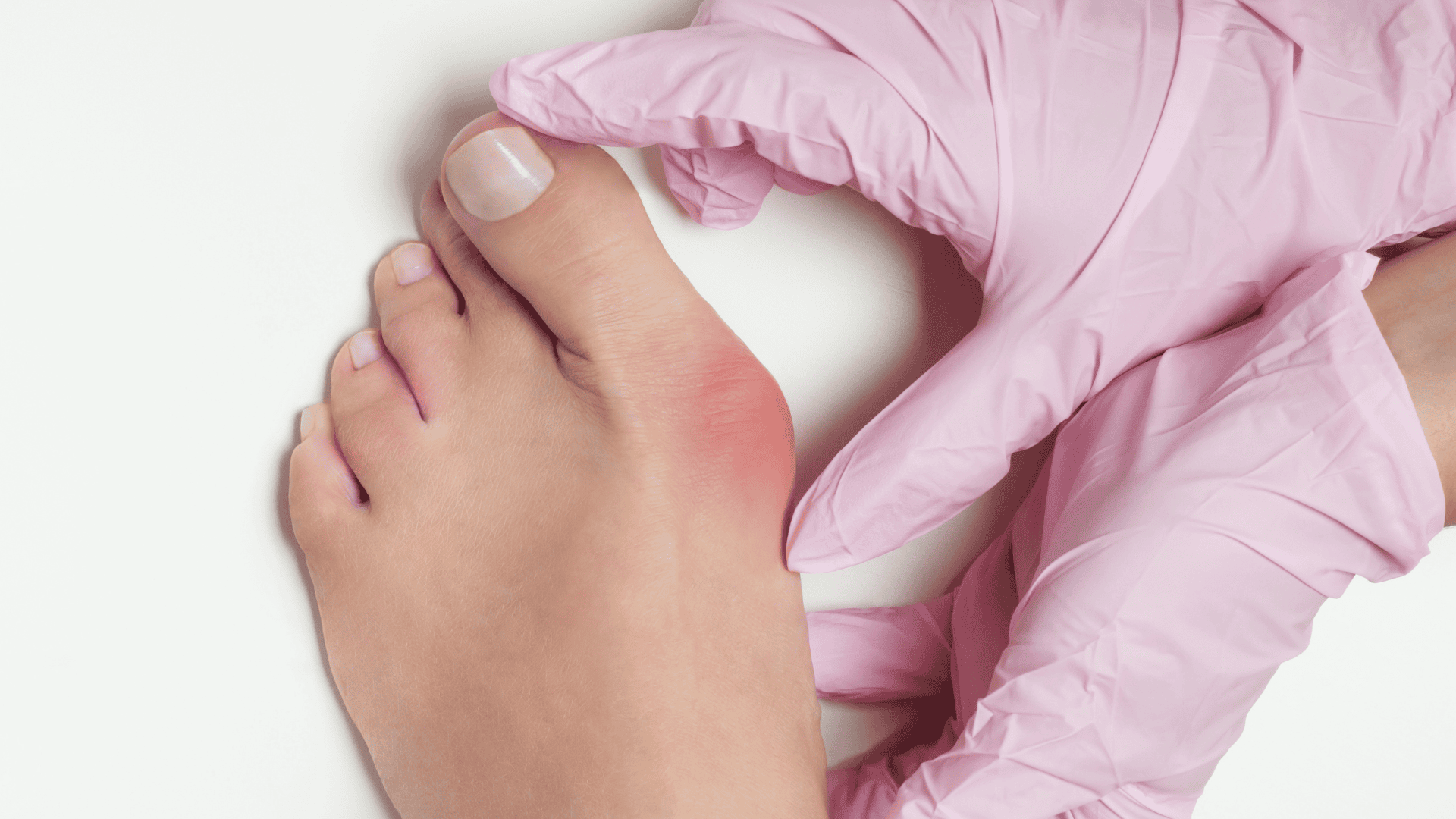
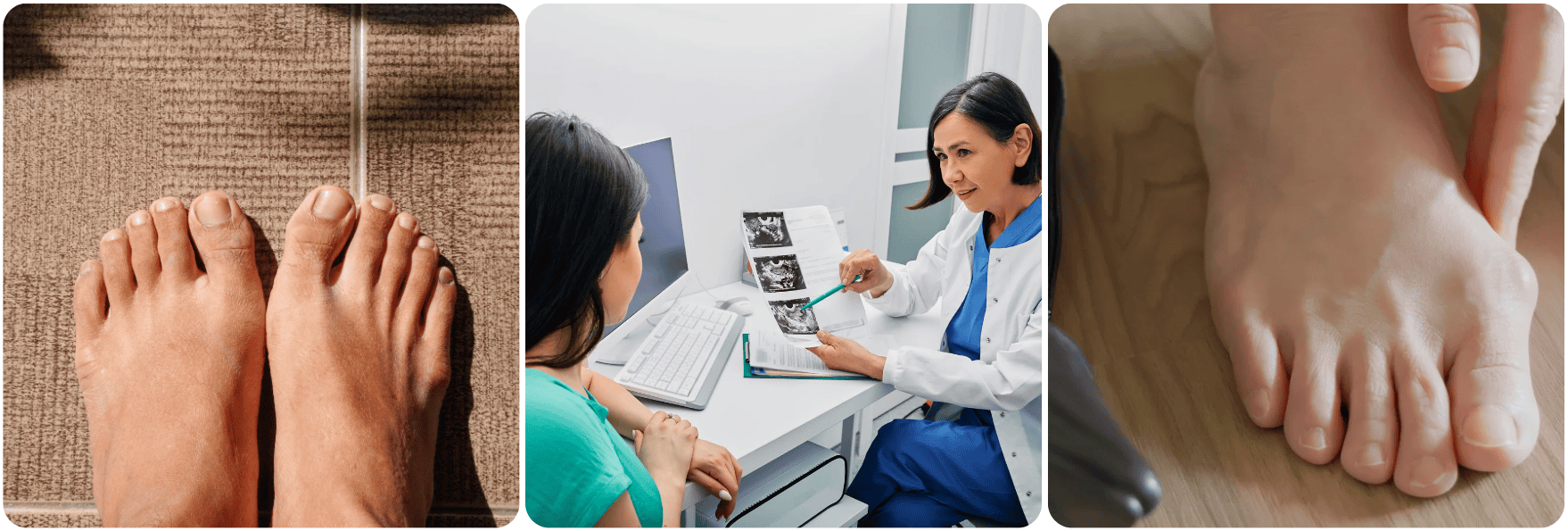
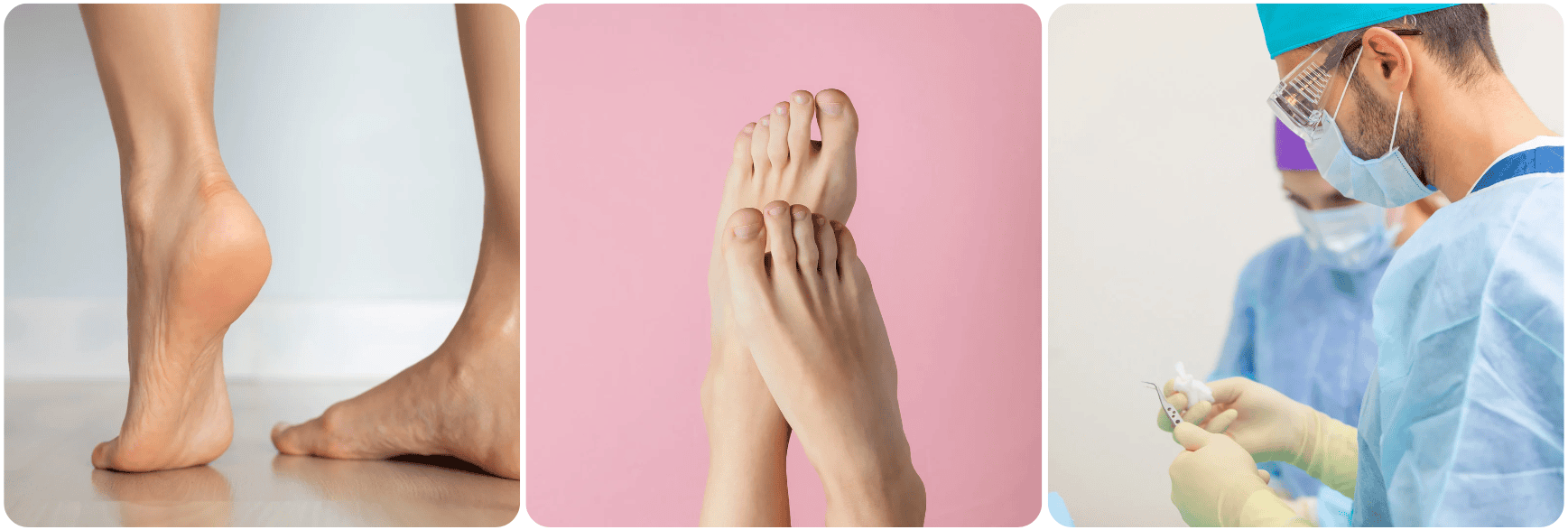
Hallux rigidus correction is a surgical procedure aimed at restoring mobility and function to the big toe in individuals suffering from hallux rigidus, a condition characterized by stiffness and pain in the big toe joint. This condition can result from wear and tear, arthritis, or previous injuries, leading to significant limitations in daily activities and discomfort while walking.
During hallux rigidus correction, the surgeon may utilize various techniques depending on the severity of the condition. In some cases, an osteotomy is performed, where the bone is cut and realigned to restore proper positioning. In other instances, the joint may be cleaned out by removing damaged tissue and bone fragments, or joint replacement may be considered if the joint is severely deteriorated.
Hallux rigidus correction is a surgical procedure aimed at restoring mobility and function to the big toe in individuals suffering from hallux rigidus, a condition characterized by stiffness and pain in the big toe joint.
The procedure is typically performed under local or general anesthesia and usually takes a few hours to complete. Following surgery, a rehabilitation period is required, during which the patient must learn to move and walk without pain again. This recovery period can vary from several weeks to several months, depending on the specific procedure performed and the individual's healing process.
Patients undergoing hallux rigidus correction often experience a significant reduction in pain and an improvement in the function of the big toe, allowing them to engage in daily activities more comfortably and achieve a better quality of life. A thorough consultation with an orthopedic surgeon is essential to discuss the appropriate treatment options and to set realistic expectations regarding the outcomes of the surgery.
Before undergoing surgery, patients usually experience a combination of symptoms that affect their mobility and comfort. The early signs can be subtle, but as the condition advances, the pain often becomes more intense and persistent. Typical symptoms include:
👉 Pain and stiffness in the big toe joint, especially during walking or bending
👉 Swelling and inflammation around the joint area
👉 Difficulty wearing certain types of shoes due to pressure on the toe
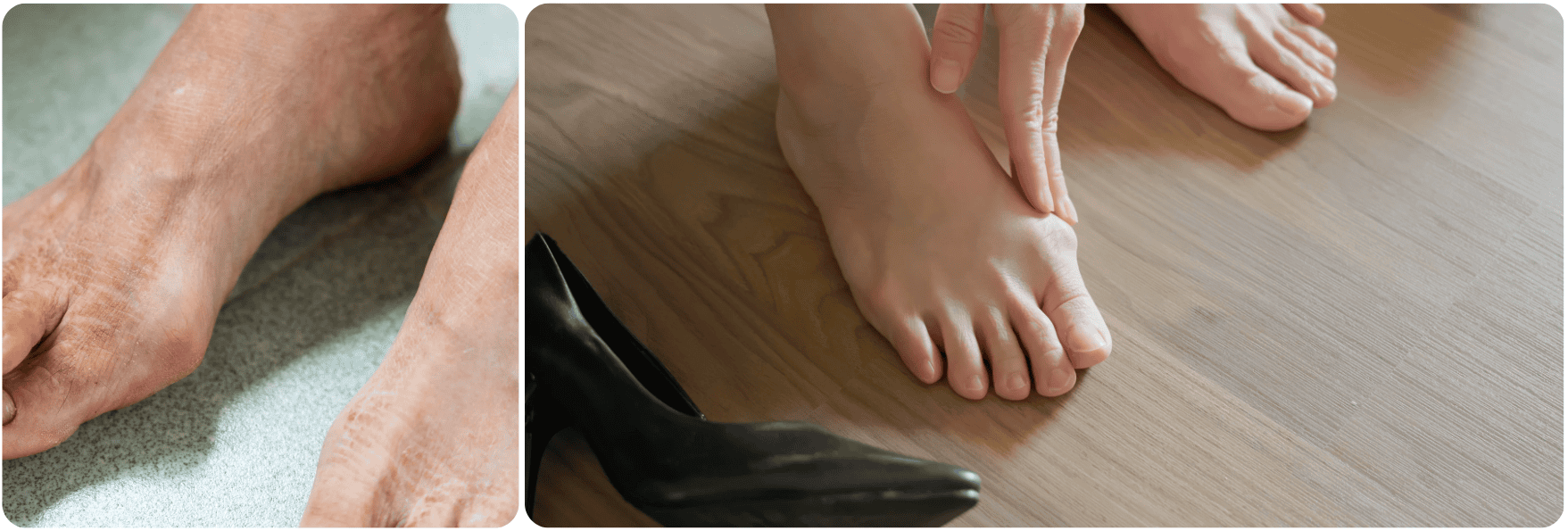
👉 A visible bump or bone spur on top of the joint
👉 Reduced range of motion, often worse in cold or damp weather
These symptoms can make daily activities increasingly difficult, leading many individuals to consider Hallux Rigidus Correction surgery for lasting relief.
Hallux rigidus is a condition characterized by stiffness and pain in the big toe joint, often caused by arthritis or degenerative joint disease. As the condition progresses, it can make simple activities like walking, standing, or climbing stairs incredibly painful. Many individuals with hallux rigidus find that the pain worsens over time, limiting their mobility and interfering with their daily life. For those who are unable to manage the symptoms through non-surgical treatments, such as anti-inflammatory medications, orthotics, or physical therapy, surgery may become necessary.
Hallux rigidus is a condition characterized by stiffness and pain in the big toe joint, often caused by arthritis or degenerative joint disease.
Hallux rigidus correction surgery is a highly effective option for patients looking to relieve pain, restore toe function, and improve their quality of life. The procedure addresses the underlying joint problem, allowing patients to regain their ability to move freely and comfortably. This correction can also prevent the condition from progressing, which can otherwise lead to more severe deformities and additional foot issues. Ultimately, undergoing hallux rigidus correction can significantly improve both foot function and overall well-being, particularly for those whose symptoms interfere with their lifestyle.
Not every case of hallux rigidus requires surgical intervention, but surgery becomes the best option when conservative treatments fail to relieve pain. Typically, an orthopedic specialist will first recommend rest, footwear modifications, and physical therapy. If these do not improve the condition, Hallux Rigidus Correction may be necessary. Surgery is particularly recommended when:
👉 Pain persists even at rest or during light activities
👉 Movement in the big toe becomes severely limited
👉 Non-surgical treatments no longer provide relief
👉 Bone spurs or deformities affect walking mechanics
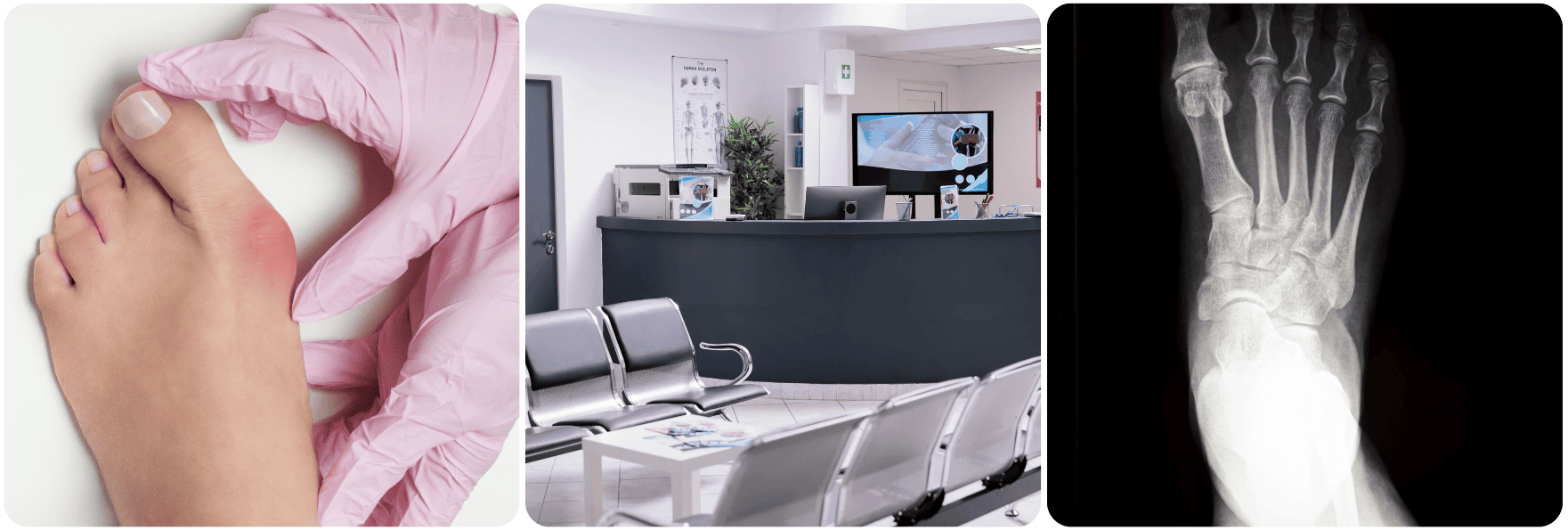
👉 X-rays show advanced joint damage
In such cases, surgery offers the most effective and long-term solution for restoring comfort and function.
Hallux rigidus correction surgery is performed to alleviate pain and restore motion in the big toe joint. The specific type of surgery depends on the severity of the condition, but it typically begins with a thorough evaluation by the surgeon, who will assess the extent of the joint damage and discuss the best surgical option. For mild cases, a procedure called cheilectomy may be performed, where the surgeon removes bone spurs and debris around the joint to restore more normal movement.
Hallux rigidus correction surgery is performed to alleviate pain and restore motion in the big toe joint.
In more advanced cases, a procedure called joint fusion, or arthrodesis, may be necessary. This involves fusing the bones of the big toe joint together, effectively eliminating pain but also limiting the joint’s range of motion. In some cases, the surgeon may opt for a joint replacement, where the damaged joint is replaced with an artificial one to restore movement while minimizing discomfort.
The surgery is typically performed under local or general anesthesia and can take several hours depending on the complexity. After the procedure, the patient will need to wear a protective boot or cast to allow the foot to heal, and physical therapy may be recommended to regain strength and flexibility. Recovery times vary, but most patients can expect to return to normal activities within a few months, with full healing taking around 6 to 12 months.
Selecting a skilled and experienced orthopedic surgeon is essential for achieving the best possible results from Hallux Rigidus Correction. A good surgeon will not only have advanced technical skills but also a deep understanding of foot biomechanics. When choosing a clinic or surgeon, consider the following factors:
👉 Board certification and specialization in foot and ankle surgery
👉 Proven track record of successful outcomes in similar cases
👉 Clear explanation of available surgical options
👉 Transparent pricing and patient-focused care
👉 Positive reviews or testimonials from previous patients
A well-qualified surgeon can make a significant difference in both the success of the operation and the overall recovery process.
The benefits of hallux rigidus correction surgery are profound, particularly for individuals whose condition has caused chronic pain and limited mobility. One of the most significant advantages is the relief of pain, which allows individuals to return to their regular activities without the constant discomfort associated with hallux rigidus. Post-surgery, many patients experience improved foot function and greater ease of movement, whether it’s walking, exercising, or even standing for long periods. Additionally, surgery can prevent the condition from worsening, which can help avoid more severe joint deformities or complications in the future.
The benefits of hallux rigidus correction surgery are profound, particularly for individuals whose condition has caused chronic pain and limited mobility.
For patients who opt for a joint replacement, the surgery can offer a more natural range of motion in the toe, allowing for a more normal walking pattern. From an aesthetic perspective, hallux rigidus correction surgery can help realign the big toe, improving the overall appearance of the foot. Ultimately, the procedure can greatly enhance both the quality of life and the overall comfort for individuals suffering from hallux rigidus, offering long-term benefits and a return to an active, pain-free lifestyle.
Hallux rigidus typically develops gradually, often as a result of chronic stress and degeneration in the big toe joint. The cartilage covering the bones wears down over time, leading to stiffness, inflammation, and pain. While age-related wear and tear is a common factor, other causes can accelerate its progression. Repetitive trauma from sports, certain types of footwear, or anatomical abnormalities like flat feet can all contribute to this condition. Some individuals may also have a genetic predisposition to developing arthritis in the toe joint. Understanding the root cause is essential for planning an effective Hallux Rigidus Correction, as it allows surgeons to tailor treatment based on the underlying issue rather than just addressing the symptoms.
Preparation plays a key role in achieving a successful outcome. Before surgery, patients undergo a detailed medical evaluation, including X-rays or MRI scans to assess the joint condition. Surgeons also review medical history, current medications, and overall health to minimize risks. Patients are typically advised to stop smoking and avoid certain medications before surgery to promote better healing. Preoperative instructions often include:
👉 Arranging transportation for the day of surgery
👉 Avoiding food and drink for a set period before the operation
👉 Ensuring the home environment is ready for limited mobility afterward
Proper preparation helps ensure that Hallux Rigidus Correction is both safe and effective, setting the stage for a smooth recovery.
Recovery after Hallux Rigidus Correction surgery requires patience, consistency, and adherence to postoperative instructions. Most patients will wear a protective boot or cast to safeguard the foot during the healing phase. Elevating the foot and applying ice can help minimize swelling and discomfort in the early days. Surgeons often recommend gentle range-of-motion exercises as healing progresses to prevent stiffness. Physical therapy also plays a significant role in rebuilding strength and flexibility. With proper care and gradual activity increase, most individuals experience excellent long-term outcomes and restored mobility.
Like any surgical procedure, Hallux Rigidus Correction carries some risks, although complications are rare when performed by experienced specialists. It’s important for patients to be aware of these possibilities so they can recognize early signs of concern and act promptly. Common complications may include:
👉 Swelling or prolonged pain during recovery
👉 Infection around the incision site
👉 Delayed bone healing or stiffness in the joint
👉 Nerve irritation causing numbness or tingling
👉 Scar tissue formation limiting mobility
Most issues can be managed effectively with early medical attention and adherence to postoperative guidelines, ensuring optimal healing and function.
Physical therapy is a crucial component of recovery following Hallux Rigidus Correction. It helps patients regain flexibility, strength, and proper gait function. In the first weeks after surgery, therapists focus on gentle movements to restore mobility without overstraining the joint. As healing progresses, more advanced exercises are introduced to strengthen the muscles around the big toe and foot. This rehabilitation process also helps prevent future stiffness or imbalance in walking. Consistent therapy significantly improves long-term outcomes, allowing patients to walk and move more naturally again.
Wearing the right shoes after Hallux Rigidus Correction plays a vital role in maintaining results and preventing discomfort. Post-surgery, patients are advised to choose shoes that provide proper support, cushioning, and room for the big toe. Ideal footwear should have:
👉 A wide toe box to reduce pressure on the joint
👉 Soft, flexible soles that absorb shock while walking
👉 Adjustable straps or laces for comfort and stability
👉 Avoidance of high heels or tight-fitting shoes
These choices help protect the healing joint and ensure long-term comfort while walking or performing daily activities.
One of the most encouraging aspects of Hallux Rigidus Correction is the long-term success rate. Most patients report lasting pain relief and significant improvements in toe mobility. The restored alignment allows for a more natural walking motion, reducing stress on other parts of the foot. In cases where joint fusion is performed, patients may lose some flexibility but gain remarkable stability and comfort. Regular follow-up appointments ensure that the joint heals properly and that any minor complications are addressed early. The long-term results often lead to a more active and fulfilling lifestyle.
After surgery, certain lifestyle changes can help patients maintain optimal foot health and avoid recurrence of symptoms. Gradually returning to activities while following medical guidance is essential. Patients are also encouraged to maintain a healthy weight to reduce pressure on the feet. Additional recommendations include:
👉 Choosing supportive footwear for all activities
👉 Avoiding repetitive high-impact movements like jumping or running on hard surfaces
👉 Doing regular stretching and strengthening exercises for the foot muscles
👉 Attending follow-up consultations to monitor recovery
By following these adjustments, individuals can enjoy the benefits of their Hallux Rigidus Correction for years to come.
Modern medical technology has greatly improved the precision and success rate of Hallux Rigidus Correction. Surgeons now use minimally invasive techniques that result in smaller incisions, less pain, and faster recovery times. Advanced imaging systems assist in accurately aligning the bones and placing implants if necessary. The use of high-quality biomaterials for joint replacements also enhances long-term durability. These innovations allow for shorter hospital stays, reduced scarring, and better aesthetic outcomes. Patients can now expect a more efficient and comfortable surgical experience compared to traditional methods.
Many athletes worry that Hallux Rigidus Correction might prevent them from returning to their favorite sports, but with proper recovery, most can resume full activity levels. After the healing phase, gradual reintroduction of low-impact exercises helps rebuild strength and coordination. Once cleared by the surgeon, patients can safely engage in activities like cycling, swimming, or yoga before progressing to higher-impact sports. Key tips for safe return include:
👉 Using supportive footwear designed for athletic movement
👉 Warming up and stretching the foot before activity
👉 Avoiding overtraining during the initial months
With dedication to recovery, it’s possible to achieve excellent mobility and performance again.
Follow-up appointments are crucial for ensuring that the recovery process stays on track after Hallux Rigidus Correction. During these visits, the surgeon examines the healing progress, checks for signs of infection, and assesses joint alignment.
X-rays may be taken to confirm proper bone healing. These follow-ups also provide an opportunity to adjust physical therapy routines and footwear recommendations. Skipping appointments can delay healing or lead to unnoticed complications. Regular follow-up ensures that patients fully benefit from their surgery and maintain long-term foot health.
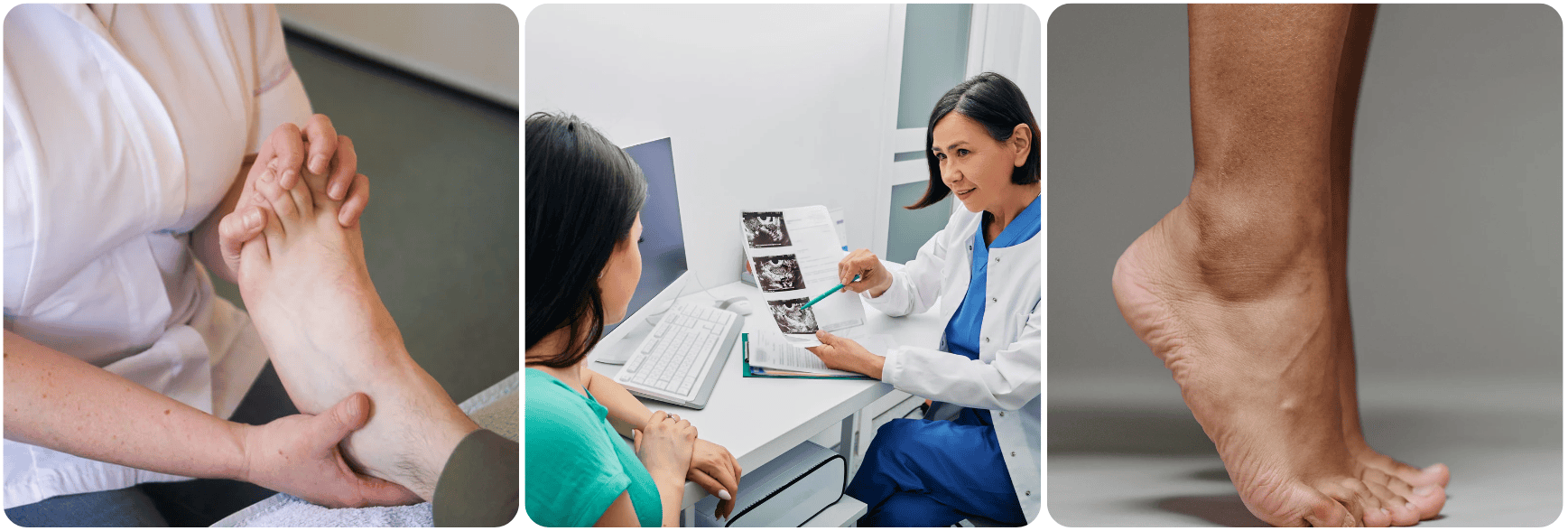
During your consultation, you will discuss your wishes, medical history, and expectations with the doctor. The doctor will examine you, take measurements if necessary, and explain which treatment suits you best, including risks and recovery. You will have the opportunity to ask questions and then receive a clear treatment proposal.
Make sure you have all relevant medical information ready, such as previous treatments, allergies, or medical conditions. This allows the doctor to give you better advice.
Payment is made securely via SurgeryBooking. You pay the amount in advance to SurgeryBooking. We hold the funds and transfer them to the clinic after your treatment. Cancellation or change conditions vary per clinic and are clearly communicated in advance.
During the consultation (online or at the clinic), the doctor will assess this based on your health, expectations, and physical characteristics. You will discuss what you want, what is possible, and what the limitations are. Sometimes there are alternatives if the chosen treatment is not ideal.
Through SurgeryBooking.com, you can quickly and easily book a consultation or procedure with doctors and clinics worldwide. SurgeryBooking.com provides an overview of doctors and clinics, allowing you to make an informed and transparent choice when booking a consultation or procedure.
You can easily book through the profile of the desired clinic or doctor. Select the desired treatment, enter your details, and choose an available date and time. If there are any costs involved, you will complete the payment first. Afterwards, you will receive a confirmation email with all the details.
Yes, during the booking process, you can indicate whether you prefer an online consultation or an in-person consultation at the clinic.
With SurgeryBooking.com, you gain access to a global network of doctors and clinics. Through SurgeryBooking.com, you can easily book a consultation or a cosmetic procedure directly. Clinic profiles provide information about available cosmetic procedures, reviews, photos of the clinic, and other relevant details. This enables you to compare costs and make an informed decision when booking a consultation or procedure.