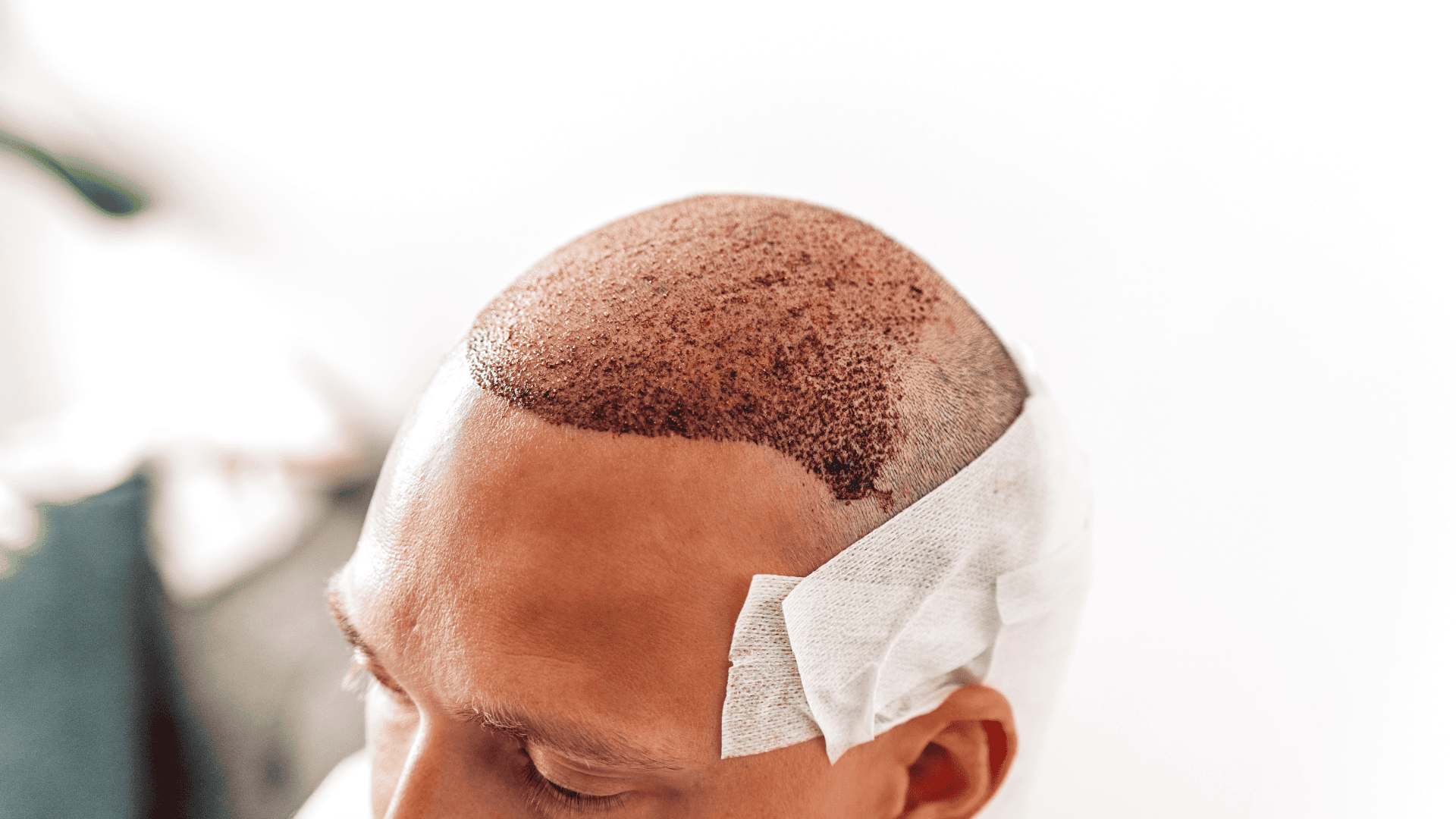
Hair Transplant is a surgical procedure designed to treat hair loss or baldness. The primary goal of this procedure is to restore hair growth in areas of the scalp where hair has thinned or is completely absent. Hair transplant can be an effective solution for both men and women experiencing genetic hair loss or other forms of alopecia.
During a hair transplant, hair follicles from a donor area on the scalp (usually the back or sides of the head, where hair tends to be thicker) are removed and then implanted into the balding or thinning areas. There are several techniques for hair transplantation, including:
FUT (Follicular Unit Transplantation): In this method, a strip of skin containing hair follicles is removed from the donor area. The strip is then divided into small grafts, which are subsequently placed in the areas lacking hair.
FUE (Follicular Unit Extraction): This technique involves extracting individual hair follicles directly from the donor area using a specialized needle or punch tool. This results in smaller scars and a quicker recovery time.
DHI (Direct Hair Implantation): This advanced technique allows for the direct implantation of hair follicles without the need for prior incisions. It uses a specialized implanter device to efficiently and accurately place the follicles.
The procedure typically takes several hours, depending on the number of hair follicles being transplanted. After the surgery, patients may experience mild swelling and discomfort, but this is usually short-lived. The results of a hair transplant are typically not visible for several months, as the transplanted hairs may fall out in the initial weeks before they start to regrow.
Hair transplantation can have a significant impact on a person's self-confidence and appearance. It is important to choose an experienced surgeon and to thoroughly discuss expectations, risks, and potential results of the procedure.
A hair transplant is a popular solution for individuals experiencing hair loss or thinning, whether due to genetics, aging, or other factors like stress or medical conditions. Many people choose this procedure to restore their hairline, regain confidence, and achieve a more youthful appearance. Hair loss can significantly impact self-esteem and emotional well-being, especially when it happens at a younger age. A hair transplant provides a permanent solution by redistributing healthy hair follicles to thinning or bald areas, offering a natural and long-lasting result. Unlike temporary fixes like wigs or hairpieces, a hair transplant allows individuals to enjoy their own hair growing naturally, which can improve their overall quality of life and boost self-confidence.
A hair transplant involves the removal of healthy hair follicles from a donor area, usually the back or sides of the scalp, where hair is denser and less prone to thinning. These follicles are then transplanted to the areas experiencing hair loss, typically the top of the head, hairline, or crown. There are two primary methods of hair transplantation: Follicular Unit Transplantation (FUT) and Follicular Unit Extraction (FUE).
In the FUT method, a strip of skin containing hair follicles is removed from the donor area, and individual follicles are extracted and implanted into the recipient site. The area from which the strip is taken is then sutured closed, and the scar typically becomes hidden by surrounding hair.
In the FUE method, individual hair follicles are extracted one by one directly from the donor area using a specialized tool, leaving tiny puncture marks that heal with minimal scarring. These follicles are then implanted into the recipient area. FUE is less invasive than FUT and is often preferred by those who want minimal scarring and a quicker recovery time.
Both procedures can take several hours, depending on the number of grafts needed, and are performed under local anesthesia. Recovery usually involves mild swelling and discomfort, with most patients able to resume normal activities within a few days. Full hair growth results typically become visible over the course of several months, as the transplanted follicles settle and begin to produce new hair.
One of the most significant benefits of a hair transplant is that it provides a permanent solution to hair loss. Since the transplanted follicles come from areas that are genetically resistant to hair thinning, they continue to grow hair in their new location for a lifetime. This offers a long-lasting and natural solution compared to temporary treatments like topical medications or hairpieces.
The results of a hair transplant are also remarkably natural-looking. Because the procedure uses your own hair, the transplanted hair blends seamlessly with the existing hair, making it difficult to detect any difference. As the new hair grows, patients can style it as they would normally, enjoying the full benefits of a natural, thicker head of hair.
Additionally, hair transplants offer a boost in self-esteem and confidence. Hair loss can make people feel self-conscious or less attractive, especially when it affects their appearance at a younger age. By restoring a fuller head of hair, individuals often feel more confident in social and professional settings, improving their overall quality of life.
Finally, hair transplants are a low-maintenance solution. Unlike other treatments that require ongoing care, once the transplanted hair grows, it doesn't need any special attention beyond regular hair care routines. This makes hair transplants a convenient and effective option for those seeking a permanent resolution to hair loss.
Hair loss can develop for many reasons, and understanding the cause is essential when researching a hair transplant. Genetic hair loss, also known as androgenetic alopecia, is the most common reason people consider transplantation. Hormonal changes, aging, stress, and certain medical conditions may also contribute to thinning hair. In some cases, hair loss progresses slowly, while in others it appears more suddenly. Identifying the underlying cause helps clarify whether a hair transplant is a suitable option.
Not all hair loss patterns are permanent. Temporary shedding may improve without surgical intervention. A hair transplant is generally discussed when hair follicles are no longer active in specific areas. Understanding the cause of hair loss supports realistic expectations. It also helps individuals explore all available options responsibly.
Not everyone experiencing hair loss is immediately suited for a hair transplant. Suitability depends on factors such as donor hair quality, scalp condition, and overall health. The donor area must contain enough healthy follicles to achieve natural-looking results. Stable hair loss patterns are often preferred to reduce the risk of uneven outcomes over time.
Key factors often evaluated include:
👉 Density of donor hair
👉 Pattern and progression of hair loss
👉 General health and scalp condition
Understanding eligibility helps manage expectations. A careful assessment supports informed decision-making. Suitability is highly individual.
Hair transplant techniques vary in approach and recovery. FUT involves removing a strip of scalp, while FUE extracts individual follicles. DHI allows for direct implantation using a specialized tool. Each hair transplant method has unique characteristics. The choice often depends on hair loss pattern, donor area condition, and personal preferences.
FUE and DHI are often discussed for their minimal scarring. FUT may be chosen for larger graft numbers. Understanding differences helps individuals compare options objectively. Technique selection influences healing and visual outcomes. Education supports balanced decisions.
The donor area plays a crucial role in the success of a hair transplant. Hair follicles from this region are genetically resistant to hair loss. This resistance allows transplanted hair to grow long-term. Most donor hair is taken from the back or sides of the scalp. Preserving donor density is essential for natural appearance.
Overharvesting the donor area may affect scalp aesthetics. Skilled planning aims to distribute extraction evenly. Understanding donor limitations helps set realistic goals. Donor management is key to long-term satisfaction.
Hairline design is one of the most critical aspects of a hair transplant. A natural hairline considers facial structure, age, and existing hair patterns. Overly straight or dense hairlines may appear artificial. Careful planning focuses on gradual density and irregular placement.
Natural-looking results depend on artistic judgment as well as technical skill. Hair direction and angle are important factors. Subtle design choices influence long-term satisfaction. Understanding hairline principles helps manage expectations.
Recovery after a hair transplant typically occurs in phases. Early stages may involve redness, swelling, or scabbing. These effects usually improve within the first weeks. Transplanted hairs often shed initially, which is a normal part of the process. This stage can be surprising but is expected.
Later stages involve gradual regrowth. New hair usually begins to appear after several months. Patience is essential during recovery. Understanding recovery stages helps reduce anxiety and uncertainty.
Hair growth after a hair transplant follows a predictable timeline. Initial shedding occurs within weeks. New growth typically starts around three to four months. Visible improvements continue over the following months. Full results may take up to a year.
Growth speed varies between individuals. Factors such as metabolism and scalp health may influence outcomes. Understanding the timeline helps set realistic expectations. Gradual progress is normal.
Once transplanted hair begins to grow, regular hair care routines are usually sufficient. A hair transplant does not require special long-term maintenance. However, existing non-transplanted hair may continue to thin. Some individuals explore supportive treatments to maintain overall density.
Healthy habits support scalp condition and hair strength. Gentle care during early growth stages is important. Long-term satisfaction often depends on realistic planning. Maintenance considerations help preserve results.
Like any surgical procedure, a hair transplant involves potential risks. Temporary swelling, redness, or discomfort may occur. Complications are generally uncommon when performed by experienced professionals. Understanding limitations is equally important. Transplants do not create new hair follicles.
Key limitations often discussed include:
👉 Finite donor hair supply
👉 Gradual nature of results
👉 Continued natural hair loss
Awareness of risks supports informed decisions. Balanced expectations reduce disappointment.
Hair loss can affect self-image and confidence. Many individuals explore a hair transplant to feel more comfortable with their appearance. Emotional readiness plays an important role in satisfaction. Understanding personal motivation helps align expectations with outcomes.
Hair restoration is often part of a broader self-care journey. Improvements may positively influence social and professional confidence. Emotional well-being is an important consideration. Balanced perspectives support healthier decisions.
Age can influence both suitability and expectations for a hair transplant. Younger individuals may experience ongoing hair loss, requiring careful planning. Older individuals often have more stable patterns. Age alone is not a limitation, but timing matters.
Long-term planning considers future hair changes. Conservative approaches may be preferred at younger ages. Understanding age-related factors supports sustainable results. Education helps guide timing decisions.
Hair transplantation continues to evolve with ongoing research. Advances focus on improving graft survival and natural appearance. Hair transplant techniques are refined to enhance precision and comfort. Technological improvements support better outcomes.
Patient-reported outcomes also guide innovation. Research emphasizes safety and long-term satisfaction. Staying informed helps individuals understand modern options. Evidence-based knowledge supports responsible exploration.
During your consultation, you will discuss your wishes, medical history, and expectations with the doctor. The doctor will examine you, take measurements if necessary, and explain which treatment suits you best, including risks and recovery. You will have the opportunity to ask questions and then receive a clear treatment proposal.
Make sure you have all relevant medical information ready, such as previous treatments, allergies, or medical conditions. This allows the doctor to give you better advice.
Payment is made securely via SurgeryBooking. You pay the amount in advance to SurgeryBooking. We hold the funds and transfer them to the clinic after your treatment. Cancellation or change conditions vary per clinic and are clearly communicated in advance.
During the consultation (online or at the clinic), the doctor will assess this based on your health, expectations, and physical characteristics. You will discuss what you want, what is possible, and what the limitations are. Sometimes there are alternatives if the chosen treatment is not ideal.
Through SurgeryBooking.com, you can quickly and easily book a consultation or procedure with doctors and clinics worldwide. SurgeryBooking.com provides an overview of doctors and clinics, allowing you to make an informed and transparent choice when booking a consultation or procedure.
You can easily book through the profile of the desired clinic or doctor. Select the desired treatment, enter your details, and choose an available date and time. If there are any costs involved, you will complete the payment first. Afterwards, you will receive a confirmation email with all the details.
Yes, during the booking process, you can indicate whether you prefer an online consultation or an in-person consultation at the clinic.
With SurgeryBooking.com, you gain access to a global network of doctors and clinics. Through SurgeryBooking.com, you can easily book a consultation or a cosmetic procedure directly. Clinic profiles provide information about available cosmetic procedures, reviews, photos of the clinic, and other relevant details. This enables you to compare costs and make an informed decision when booking a consultation or procedure.