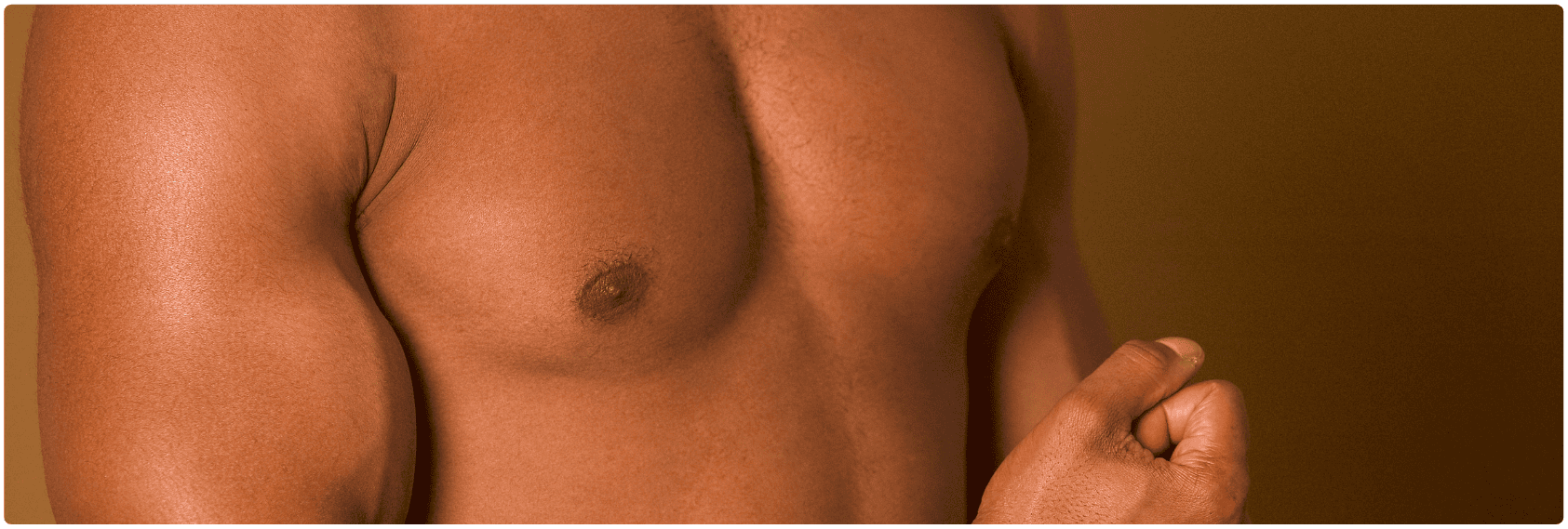
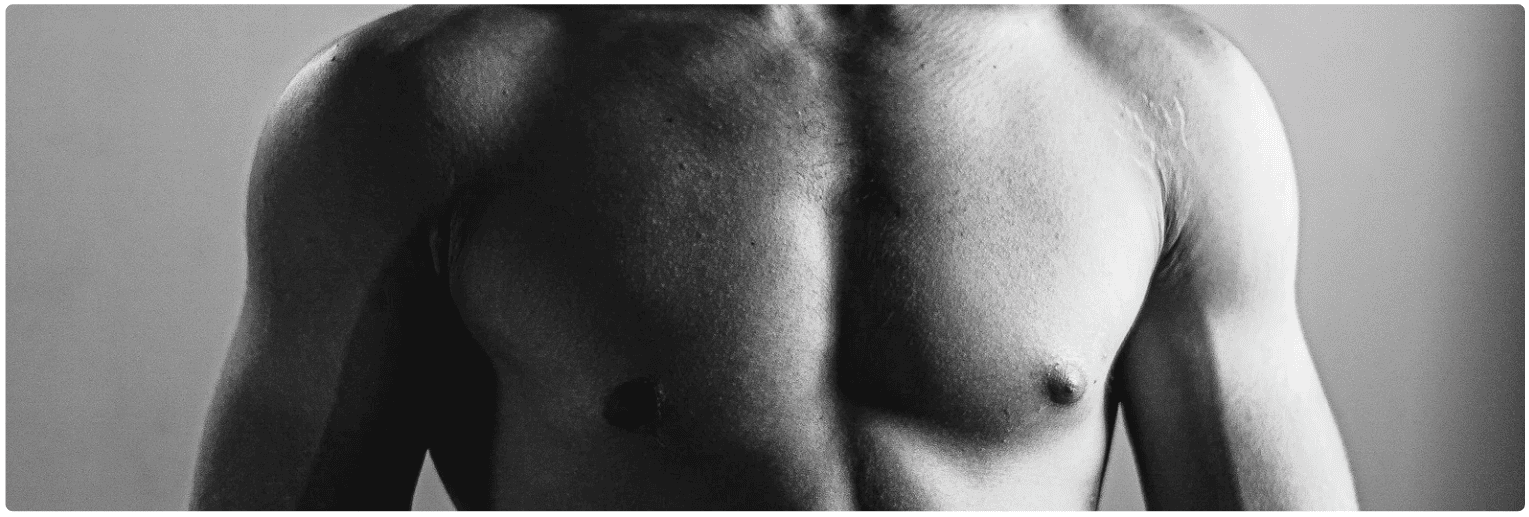
Gynecomastia surgery is a surgical procedure designed to reduce enlarged breast tissue in men, a condition known as gynecomastia. This condition can occur due to various factors, including hormonal changes, weight gain, certain medications, or genetic predisposition. It can lead to psychological discomfort, insecurity, and reduced self-confidence.
During the procedure, the surgeon will first evaluate the specific cause and extent of the gynecomastia. Different techniques are available for correction, depending on the severity of the condition. In mild cases, liposuction may be sufficient to remove excess fatty tissue. In more severe cases, a combination of liposuction and excision of excess glandular tissue may be necessary.
Gynecomastia surgery is a surgical procedure designed to reduce enlarged breast tissue in men, a condition known as gynecomastia.
The surgery is typically performed under general anesthesia or local anesthesia with sedation, depending on the patient's preference and the surgeon's recommendations. After the surgery, patients may experience some swelling, bruising, and discomfort, but these symptoms are usually temporary. It is important to follow the surgeon's post-operative instructions for optimal recovery.
Most patients can return to their daily activities within a few days, but strenuous physical activities should generally be avoided for a certain period. Gynecomastia surgery is generally considered a safe procedure, but, like any surgery, there are risks involved, including infections, bleeding, and scarring. It is essential for patients to be well-informed about the process and its potential implications, and to consult with an experienced plastic surgeon to discuss their options and determine the best approach for their situation.
Gynecomastia surgery is a procedure designed to reduce enlarged male breasts, a condition known as gynecomastia. Many men choose to undergo this surgery to address the physical and emotional discomfort associated with the condition. Gynecomastia can develop due to hormonal imbalances, genetics, obesity, or certain medications, leading to an overgrowth of breast tissue in men. This condition can cause feelings of embarrassment, self-consciousness, and low self-esteem, especially in situations where the chest is exposed, such as at the beach or while playing sports. For some, gynecomastia may also cause physical discomfort, including tenderness or pain in the chest area.
Gynecomastia surgery is a procedure designed to reduce enlarged male breasts, a condition known as gynecomastia. Many men choose to undergo this surgery to address the physical and emotional discomfort associated with the condition.
The surgery provides a solution by removing the excess tissue and restoring a flatter, more traditionally masculine chest contour. Many men opt for gynecomastia surgery to improve their confidence and feel more comfortable in their bodies, as well as to eliminate any discomfort associated with the condition. Whether the goal is aesthetic, emotional, or physical, gynecomastia surgery offers a path toward a more balanced and self-assured appearance.
Gynecomastia surgery is typically performed under general anesthesia and usually takes one to two hours, depending on the extent of the correction needed. The procedure generally involves two main techniques: liposuction and excision. If the gynecomastia is primarily caused by excess fat, liposuction may be used to remove the fat through small incisions around the chest.
The surgeon inserts a thin tube, called a cannula, which loosens and suctions out the unwanted fat. However, if the condition involves dense glandular tissue or significant sagging, excision techniques are necessary to remove the glandular tissue and excess skin. In this case, the surgeon makes incisions either around the edge of the areola or in the natural creases of the chest to minimize visible scarring. In some cases, both liposuction and excision are used to achieve the best results.
Gynecomastia surgery is typically performed under general anesthesia and usually takes one to two hours, depending on the extent of the correction needed.
After the tissue is removed, the chest is reshaped, and the incisions are closed with sutures. Post-surgery, a compression garment is usually worn to reduce swelling and support the healing process. Recovery time varies, but most patients can return to light activities within a week and resume more strenuous activities within a few weeks.
Achieving a natural-looking chest contour is a central goal of gynecomastia surgery. Simply removing tissue may not be sufficient; the surgeon must carefully sculpt the chest to ensure symmetry and proportion. Liposuction and excision are often combined to address both fatty and glandular tissue, creating a smooth and masculine appearance.
👉 Key considerations in chest contouring include:
👉 Position and size of the nipples
👉 Symmetry between left and right sides
👉 Skin elasticity and excess skin removal
👉 Preservation of natural chest curves
👉 Avoidance of irregularities or depressions
Meticulous planning and technique enhance satisfaction and minimize the risk of revision surgery.
Returning to physical activity after gynecomastia surgery requires careful planning. While early movement helps circulation and prevents stiffness, excessive strain can compromise healing or distort results. Gradual reintroduction of exercise is crucial for optimal recovery and long-term results.
👉 Recommended strategies include:
👉 Light walking during the first few days
👉 Gentle stretching after the initial swelling subsides
👉 Gradual strength training starting around 4–6 weeks
👉 Avoiding direct chest impact for at least 6–8 weeks
👉 Monitoring for swelling or discomfort and adjusting activity accordingly
These guidelines support safe recovery while helping patients regain strength and fitness.
A common concern among patients considering gynecomastia surgery is the visibility of scars. Modern surgical techniques are designed to minimize scarring by placing incisions in natural creases or along the areola, where they are less noticeable. Over time, scars typically fade and become less visible, especially when patients follow proper scar care routines such as moisturizing, avoiding sun exposure, and using recommended creams. For most men, the improved chest contour far outweighs the presence of any minor scarring.
Hormonal imbalances are a key factor in the development of gynecomastia. Elevated estrogen levels or decreased testosterone levels can lead to the overgrowth of breast tissue in men. This imbalance may occur naturally during puberty or aging, or it may be influenced by medical conditions, medications, or lifestyle factors. Understanding the hormonal component is important for both diagnosis and treatment planning.
👉 Conditions that can influence hormone levels include:
👉 Thyroid disorders
👉 Liver disease
👉 Kidney failure
👉 Use of anabolic steroids
👉 Certain prescription medications, such as anti-androgens or antidepressants
Addressing underlying hormonal issues before or after surgery may enhance outcomes and prevent recurrence.
While gynecomastia is often discussed in terms of appearance, its psychological impact can extend deeper than self-confidence. Men with this condition may experience social anxiety, embarrassment during physical activities, or avoidance of situations that expose the chest. Chronic stress related to body image may even affect mental health over time.
Seeking surgical correction can offer relief beyond aesthetic improvement. Patients frequently report enhanced social interactions and a reduction in body-focused anxiety after surgery. By combining the physical and emotional benefits, gynecomastia surgery can significantly improve overall quality of life.
Advancements in surgical methods have introduced minimally invasive approaches for gynecomastia surgery. These techniques aim to reduce scarring, minimize tissue trauma, and shorten recovery times. Using smaller incisions and specialized instruments, surgeons can remove excess fat and glandular tissue with precision.
👉 Benefits of minimally invasive techniques include:
👉 Reduced post-operative pain
👉 Shorter hospital or clinic stays
👉 Faster return to daily activities
👉 Lower risk of complications
👉 Improved cosmetic outcomes
These methods make the procedure more appealing to men seeking effective results with minimal disruption to their lives.
Gynecomastia can affect males at different stages of life, and the approach to treatment may vary. In adolescents, gynecomastia is often temporary, caused by hormonal fluctuations during puberty. Most cases resolve without surgical intervention. Adults, however, are more likely to have persistent gynecomastia due to factors like aging, weight gain, or long-term medication use.
Understanding the age-related differences is important when planning treatment. Surgery in adults generally provides permanent results, while conservative monitoring is often recommended for teenagers unless symptoms persist beyond two years or cause significant psychological distress.
Proper nutrition plays a vital role in recovery after gynecomastia surgery. A balanced diet provides essential nutrients for tissue repair and helps manage inflammation and swelling. Protein, vitamins, and minerals support healing, while adequate hydration ensures proper cellular function.
👉 Nutritional tips include:
👉 High-protein foods such as lean meat, fish, or legumes
👉 Foods rich in vitamin C and zinc for tissue repair
👉 Omega-3 fatty acids to reduce inflammation
👉 Avoiding excessive sugar and processed foods
👉 Limiting alcohol to support liver function
Some patients may also benefit from supplements, but it’s important to consult a healthcare professional before adding anything new.
For athletes, gynecomastia can be particularly challenging. Enlarged male breasts may affect performance, self-confidence, and participation in sports that require minimal clothing, such as swimming or wrestling. Surgery can restore both function and appearance, allowing athletes to focus on training without distraction or embarrassment.
The procedure can also prevent posture adjustments or behavioral changes caused by attempts to hide the chest. By correcting gynecomastia, athletes regain confidence, freedom of movement, and psychological comfort, which can positively impact both personal and competitive performance.
While most gynecomastia surgery procedures are successful, some patients may require revision surgery. Reasons for revision include asymmetry, residual tissue, or dissatisfaction with contouring. Understanding the potential need for adjustments is important for realistic expectations.
👉 Factors that may necessitate revision surgery:
👉 Uneven tissue removal
👉 Excess skin not initially addressed
👉 Scar contracture or poor healing
👉 Weight fluctuations after surgery
👉 Persistent glandular tissue in rare cases
Choosing an experienced surgeon and closely following post-operative care reduces the likelihood of needing revisions and ensures the best long-term results.
Skin quality plays a significant role in gynecomastia surgery outcomes. Men with good skin elasticity typically experience smoother results with less residual sagging. In contrast, reduced elasticity may require additional skin removal or specialized techniques to achieve a flat and firm chest.
👉 Factors affecting skin elasticity include:
👉 Age
👉 Genetic predisposition
👉 Significant weight changes
👉 Sun exposure history
👉 Smoking habits
By evaluating skin quality preoperatively, surgeons can tailor the surgical approach for the most natural and satisfying outcome.
The benefits of gynecomastia surgery are both physical and psychological, making it a transformative procedure for many men. One of the most immediate benefits is the restoration of a flatter, firmer, and more masculine chest contour, which can greatly enhance a man’s self-confidence. The reduction of excess breast tissue allows men to feel more comfortable in fitted clothing, and many find they can participate in physical activities or social events with greater ease and confidence.
The benefits of gynecomastia surgery are both physical and psychological, making it a transformative procedure for many men.
The surgery not only improves physical appearance but also helps alleviate any physical discomfort caused by enlarged breast tissue, such as tenderness or skin irritation. For men who have struggled with low self-esteem due to gynecomastia, the psychological benefits can be profound, leading to a renewed sense of self-worth and body image.
Another major advantage of gynecomastia surgery is the long-lasting nature of the results. Once the excess fat and glandular tissue are removed, the results are typically permanent, provided the patient maintains a stable weight and avoids factors that could cause the condition to return, such as certain medications or hormonal imbalances.
Additionally, modern surgical techniques have made gynecomastia surgery safer and more effective, with minimal scarring and a relatively short recovery period. Overall, the procedure not only enhances physical appearance but also improves quality of life, allowing men to feel more confident and comfortable in their own bodies.
Not every man with enlarged breast tissue automatically qualifies for gynecomastia surgery. Ideal candidates are individuals who are physically healthy, maintain a stable weight, and have realistic expectations about the outcomes. Men who have not seen improvement through diet, exercise, or medication often consider surgery as a final solution.
Additionally, the breast tissue should be fully developed — for adolescents, it’s usually best to wait until hormonal changes have stabilized. Candidates should also be non-smokers and avoid recreational drugs, as these factors can negatively affect healing. A personal consultation with a certified plastic surgeon helps determine whether surgery is the right choice.
Recovery from gynecomastia surgery varies per individual, but most men can resume light daily activities within a few days. Swelling, bruising, and a feeling of tightness in the chest are common right after surgery. Patients are typically advised to wear a compression garment for several weeks to support healing and reduce swelling.
It’s important to avoid strenuous activities, especially upper body workouts, for at least 3–4 weeks. Following post-operative instructions closely can significantly speed up the recovery process and improve final results. Your surgeon may also schedule follow-up visits to monitor healing and ensure optimal outcome.
One common concern is whether gynecomastia can come back after surgery. In most cases, the results are permanent, especially when both excess fat and glandular tissue have been removed. However, certain factors can contribute to a recurrence, such as significant weight gain, use of anabolic steroids, hormonal imbalances, or certain medications.
To maintain long-term results, it’s essential to lead a healthy lifestyle and follow medical advice regarding any substances that could trigger breast tissue growth. Regular checkups and awareness of potential risk factors can help ensure the results of the surgery last a lifetime.
The success of gynecomastia surgery largely depends on the expertise of the plastic surgeon performing the procedure. It’s crucial to choose a board-certified surgeon who specializes in male breast reduction and has extensive experience with this type of surgery. Look for before-and-after photos, patient reviews, and credentials to ensure you’re in capable hands.
A skilled surgeon not only provides high-quality results but also ensures a safe and supportive environment throughout the entire process—from consultation to recovery. During the initial appointment, don’t hesitate to ask detailed questions about the surgeon’s approach, techniques used, and what kind of results you can realistically expect.
Gynecomastia surgery can be performed using several surgical approaches depending on the severity of the condition and the type of tissue involved. While some men primarily have excess fatty deposits, others present with firm glandular tissue that requires excision. In more advanced cases, excess skin may also need removal to achieve a smooth and natural chest contour. Surgeons carefully tailor the surgical plan to each patient’s unique anatomy, ensuring the best functional and aesthetic results. By combining methods when necessary, such as liposuction with direct tissue excision, surgeons can achieve a more defined, balanced, and masculine chest appearance.
When undergoing gynecomastia surgery, patients have different anesthesia options available. General anesthesia is often chosen for more extensive procedures, allowing the patient to sleep throughout the operation. For milder cases, local anesthesia with sedation may be sufficient, ensuring comfort while avoiding the deeper effects of general anesthesia.
The decision depends on factors such as the complexity of the surgery, the patient’s medical history, and personal preferences. Discussing anesthesia options with the surgeon before the procedure helps patients understand the benefits, recovery time, and safety considerations for each choice.
Successful recovery after gynecomastia surgery relies heavily on how well patients follow post-operative instructions. Some of the most recommended recovery tips include:
Wearing a compression garment consistently to support chest healing
Sleeping on the back to reduce pressure on the chest area
Keeping physical activity limited for the first weeks
Staying hydrated and following a balanced diet to encourage tissue repair
Attending all scheduled follow-up appointments with the surgeon
By carefully following these steps, patients can minimize complications and maximize the quality of their results.
Although gynecomastia surgery is generally safe, patients should be aware of the potential risks associated with the procedure. These risks can include bleeding, infection, unfavorable scarring, or temporary changes in nipple sensation. In rare cases, patients may experience asymmetry or require revision surgery for optimal results.
Surgeons take several measures to reduce these risks, such as using meticulous surgical techniques and providing clear aftercare guidelines. Understanding these possibilities helps patients make informed decisions and set realistic expectations about the surgery.
After gynecomastia surgery, compression garments play an essential role in recovery. These specially designed vests help reduce swelling, prevent fluid buildup, and support the newly contoured chest during the healing process. Patients are usually advised to wear the garment day and night for the first weeks, gradually reducing use as healing progresses. While it may feel restrictive at first, the garment significantly contributes to achieving smoother, more symmetrical results.
Selecting the right professional is one of the most important steps when considering gynecomastia surgery. Patients should look for surgeons who are board-certified, have proven experience with male chest contouring, and can provide before-and-after photos of previous procedures. It is also valuable to assess communication style, surgical facilities, and aftercare services. By choosing a qualified and experienced surgeon, patients increase the likelihood of safe treatment and satisfying outcomes.
Maintaining long-term results from gynecomastia surgery requires adopting healthy lifestyle habits. Patients are encouraged to follow a balanced diet rich in lean proteins, fruits, vegetables, and whole grains. Regular exercise also helps maintain weight stability, which is crucial for preventing fat deposits in the chest area. Avoiding substances that may affect hormones, such as anabolic steroids or excessive alcohol, further supports the permanence of results. These choices not only protect the surgical outcome but also improve overall health.
One of the key advantages of gynecomastia surgery is that the results are generally permanent. Once glandular tissue and excess fat are removed, they do not return unless significant hormonal changes or weight fluctuations occur. Many patients continue to enjoy a flatter chest contour years after the procedure, provided they maintain a stable lifestyle. This lasting impact makes gynecomastia surgery a reliable solution for men seeking both aesthetic and physical improvement.
Some men explore non-surgical approaches before considering gynecomastia surgery. These may include weight loss, hormone therapy, or targeted exercise. While such methods can help in cases of fat-related chest enlargement, they are often ineffective against glandular tissue, which requires surgical removal. Comparing both approaches with a medical professional allows patients to clearly understand whether surgery is the best solution for their condition. Ultimately, surgery remains the most effective and permanent option for true gynecomastia.
Some men explore non-surgical approaches before considering gynecomastia surgery.
More men are choosing to undergo gynecomastia surgery abroad, where specialized clinics offer high-quality treatments at competitive prices. Countries such as Turkey, Mexico, and Thailand are popular destinations due to their combination of experienced surgeons and lower costs. Patients should carefully research clinics, verify certifications, and ensure clear communication about treatment plans before traveling. With proper preparation, medical tourism can provide excellent results and an affordable solution.
In recent years, technological advancements have significantly improved the outcomes of gynecomastia surgery. Minimally invasive liposuction techniques allow for faster healing, while modern excision methods reduce scarring and improve precision. Some surgeons now use energy-assisted devices, such as ultrasound or laser liposuction, to break down fat more effectively.
These innovations provide patients with shorter recovery times, enhanced comfort, and more natural-looking results compared to older methods.
Swelling and bruising are normal after gynecomastia surgery, but proper management can accelerate recovery. Compression garments, cold therapy, and careful monitoring all contribute to reducing discomfort and promoting optimal healing. Patients who actively manage these symptoms often experience a smoother recovery and better aesthetic outcomes.
👉 Tips to manage swelling and bruising:
👉 Wear the compression garment consistently
👉 Apply cold packs intermittently for the first 48 hours
👉 Elevate the upper body while resting
👉 Avoid strenuous activity and heavy lifting
👉 Monitor for signs of infection or unusual bleeding
Following these steps ensures patients maintain comfort and prevent complications.
Maintaining the results of gynecomastia surgery requires attention to lifestyle choices. Weight fluctuations, poor diet, or certain medications can contribute to fat accumulation in the chest area. By adopting healthy habits, patients can preserve their results for many years.
👉 Strategies for long-term maintenance:
👉 Consistent exercise routine, focusing on cardio and strength training
👉 Balanced diet with limited processed foods and sugars
👉 Avoidance of anabolic steroids and other hormone-altering substances
👉 Regular medical checkups to monitor hormone levels
👉 Awareness of potential recurrence factors and addressing them early
These habits complement the surgical results and support overall health.
During your consultation, you will discuss your wishes, medical history, and expectations with the doctor. The doctor will examine you, take measurements if necessary, and explain which treatment suits you best, including risks and recovery. You will have the opportunity to ask questions and then receive a clear treatment proposal.
Make sure you have all relevant medical information ready, such as previous treatments, allergies, or medical conditions. This allows the doctor to give you better advice.
Payment is made securely via SurgeryBooking. You pay the amount in advance to SurgeryBooking. We hold the funds and transfer them to the clinic after your treatment. Cancellation or change conditions vary per clinic and are clearly communicated in advance.
During the consultation (online or at the clinic), the doctor will assess this based on your health, expectations, and physical characteristics. You will discuss what you want, what is possible, and what the limitations are. Sometimes there are alternatives if the chosen treatment is not ideal.
Through SurgeryBooking.com, you can quickly and easily book a consultation or procedure with doctors and clinics worldwide. SurgeryBooking.com provides an overview of doctors and clinics, allowing you to make an informed and transparent choice when booking a consultation or procedure.
You can easily book through the profile of the desired clinic or doctor. Select the desired treatment, enter your details, and choose an available date and time. If there are any costs involved, you will complete the payment first. Afterwards, you will receive a confirmation email with all the details.
Yes, during the booking process, you can indicate whether you prefer an online consultation or an in-person consultation at the clinic.
With SurgeryBooking.com, you gain access to a global network of doctors and clinics. Through SurgeryBooking.com, you can easily book a consultation or a cosmetic procedure directly. Clinic profiles provide information about available cosmetic procedures, reviews, photos of the clinic, and other relevant details. This enables you to compare costs and make an informed decision when booking a consultation or procedure.