A gastric bypass is a surgical procedure designed to treat obesity and promote weight loss. The primary goal of the surgery is to reduce the size of the stomach and alter the digestive process, allowing the patient to consume less food and absorb fewer calories.
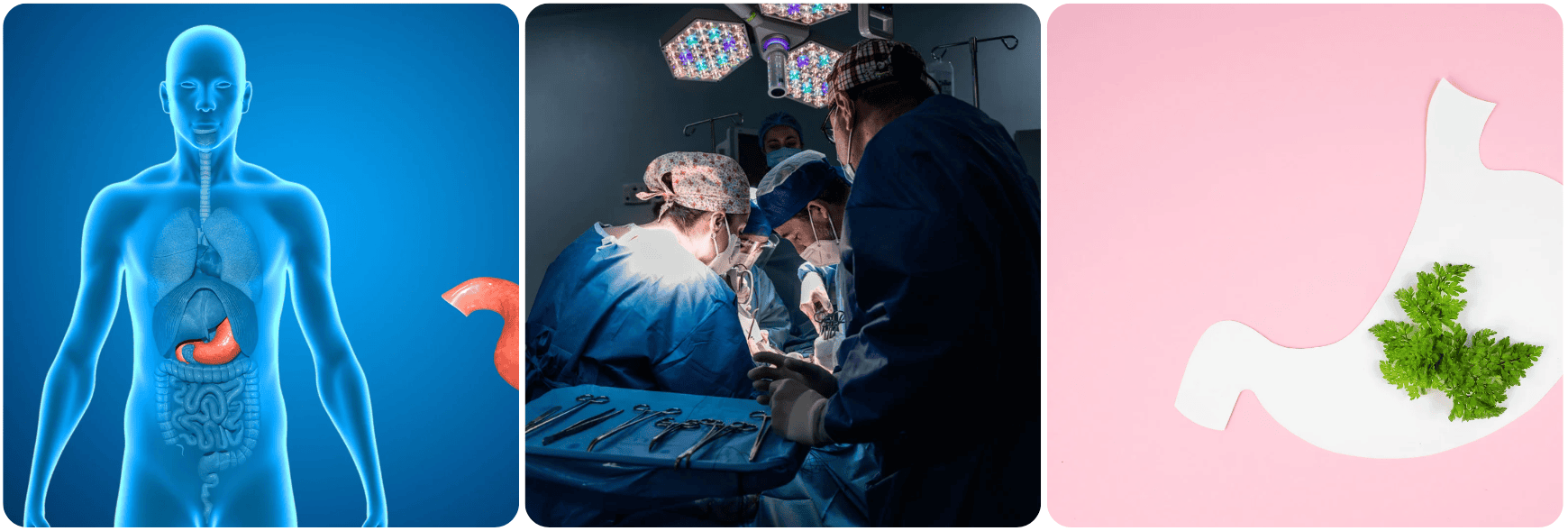
During the procedure, a small portion of the stomach is stapled off to create a new, smaller stomach pouch. This pouch is significantly smaller than the original stomach, enabling the patient to feel full after eating only a small amount of food. Additionally, a portion of the small intestine is bypassed, redirecting food to the lower part of the small intestine. This change decreases the absorption of nutrients and calories.
A gastric bypass is a surgical procedure designed to treat obesity and promote weight loss.
Post-surgery, patients must make substantial changes to their eating habits. This involves adhering to a specific diet that is gradually expanded in the weeks following the procedure. It is crucial to monitor nutrient intake, as the alterations in digestion can lead to deficiencies in certain vitamins and minerals.
The benefits of gastric bypass extend beyond weight loss; many patients experience improvements in overall health. Conditions often associated with obesity, such as type 2 diabetes, high blood pressure, and sleep apnea, may significantly improve or even resolve. However, the surgery carries risks and potential complications, including infections, bleeding, and long-term issues like dumping syndrome.
Before undergoing a gastric bypass, patients typically go through a comprehensive screening process. This evaluation helps the medical team determine if the individual is a suitable candidate for the surgery, which may include psychological assessments and dietary evaluations.
Overall, gastric bypass can be a life-changing procedure for individuals struggling with obesity who have not found success with other weight loss methods. However, it requires a lifelong commitment to healthy eating and regular physical activity to maximize the benefits of the surgery and maintain a healthy weight.
Gastric bypass surgery is often considered by individuals who struggle with severe obesity and have not had success with traditional weight loss methods like dieting and exercise. It is typically recommended for people with a body mass index (BMI) of 40 or higher, or for those with a BMI of 35 or higher who suffer from obesity-related health conditions, such as type 2 diabetes, hypertension, or sleep apnea. Gastric bypass is one of the most effective surgical options for significant and long-term weight loss, particularly for individuals who have multiple health problems due to obesity.
Gastric bypass surgery is often considered by individuals who struggle with severe obesity and have not had success with traditional weight loss methods like dieting and exercise.
The surgery works by not only reducing the size of the stomach but also by altering the digestive tract to bypass a portion of the small intestine, which limits how much food can be absorbed. For many patients, the procedure offers a life-changing solution to chronic health issues and the physical limitations caused by excess weight. Beyond the immediate goal of weight loss, gastric bypass can improve overall quality of life, increase mobility, and alleviate the social and emotional challenges that often accompany obesity. Many people choose gastric bypass because of its proven success in producing dramatic weight loss and its potential to reverse or significantly improve obesity-related conditions, providing them with a renewed sense of health and well-being.
Gastric bypass surgery is typically performed using laparoscopic techniques, which involve making small incisions in the abdomen through which a camera and surgical instruments are inserted. During the procedure, the surgeon creates a small pouch at the top of the stomach by stapling part of it off from the rest, effectively reducing the stomach’s size to a fraction of its original capacity. This pouch can hold only about an ounce of food at a time, which significantly limits how much a person can eat. The surgeon then connects this pouch directly to the middle portion of the small intestine, bypassing a large part of the stomach and the upper section of the small intestine (the duodenum). This not only restricts food intake but also reduces the body’s ability to absorb calories and nutrients from food.
Gastric bypass surgery is typically performed using laparoscopic techniques, which involve making small incisions in the abdomen through which a camera and surgical instruments are inserted.
By rerouting the digestive system, the surgery creates both a physical and hormonal change, including the reduction of ghrelin, the hormone responsible for hunger, helping patients feel fuller faster and stay satisfied longer. The procedure usually takes a few hours, and most patients stay in the hospital for two to three days for observation and recovery. After surgery, patients must follow a carefully structured diet, starting with liquids and gradually transitioning to solid foods, while committing to long-term lifestyle changes to ensure successful and sustained weight loss.
Although gastric bypass is highly effective, it carries certain risks. Complications can include bleeding, infection, or blockages in the intestines. Long-term challenges may involve hernias, gallstones, or ulcers. Patients should be aware of warning signs like severe abdominal pain, persistent vomiting, or difficulty swallowing, and seek medical care promptly. With close monitoring and adherence to follow-up appointments, these risks can often be managed successfully.
One of the less obvious benefits of gastric bypass surgery is its effect on hormones. The procedure lowers levels of ghrelin, known as the hunger hormone, while boosting hormones that promote feelings of fullness and regulate blood sugar. These hormonal adjustments explain why many patients experience reduced appetite and improved diabetes control soon after surgery, even before substantial weight loss occurs.
Some patients choose to undergo gastric bypass surgery abroad, especially in countries known for medical tourism. In such cases, it is important to:
💚 Research accredited clinics and surgeons
💚 Verify post-surgery follow-up care options
💚 Understand the total costs, including flights and accommodations
💚 Plan for an adequate recovery period before traveling home
With careful planning, international surgery can be both safe and cost-effective.
Gastric bypass surgery offers numerous benefits, both in terms of substantial weight loss and the improvement or resolution of many obesity-related health conditions. One of the most significant advantages is the potential for rapid and sustained weight loss, with many patients losing 60-80% of their excess body weight within the first year or two following surgery. This dramatic weight loss can lead to significant improvements in a wide range of health issues, such as type 2 diabetes, high blood pressure, and high cholesterol, with many patients experiencing remission of these conditions.
Gastric bypass surgery offers numerous benefits, both in terms of substantial weight loss and the improvement or resolution of many obesity-related health conditions.
For people with diabetes, gastric bypass is particularly effective in improving blood sugar control, sometimes even before significant weight loss occurs, due to the hormonal changes caused by the surgery. The reduction in weight also alleviates pressure on joints, helping to improve mobility and reduce chronic pain, making daily activities easier and more enjoyable. Additionally, sleep apnea, a common condition in individuals with obesity, is often greatly reduced or eliminated after surgery, resulting in better sleep and increased energy levels.
Beyond the physical health benefits, the surgery can have a profound impact on mental and emotional well-being. Many patients report feeling more confident, less anxious, and more willing to engage in social situations after losing weight. The improvements in physical appearance and mobility often lead to a more active lifestyle, further supporting long-term weight maintenance and overall health. Gastric bypass surgery can also help to reduce the stigma associated with obesity, allowing individuals to feel more comfortable in their own skin and in social environments. While the surgery requires a lifelong commitment to healthy eating and regular exercise, the benefits can be life-changing for those who struggle with the effects of severe obesity, offering a path to better health, increased longevity, and an improved quality of life.
The long-term effects of gastric bypass surgery can vary from person to person. While the immediate benefits such as significant weight loss, improved mobility, and relief from obesity-related health conditions are often noticeable, patients must also consider the ongoing challenges that come with the procedure. One of the most positive long-term outcomes is the improvement in conditions like type 2 diabetes, high blood pressure, and sleep apnea. These conditions often improve drastically or even resolve after weight loss.
The long-term effects of gastric bypass surgery can vary from person to person.
However, weight loss after gastric bypass requires a lifelong commitment to maintaining a healthy diet and regular exercise. Because the surgery alters the digestive system, patients are at risk for nutritional deficiencies, especially in vitamins and minerals like B12, iron, calcium, and vitamin D. Regular monitoring and supplementation are necessary to prevent long-term health issues. Additionally, some individuals may experience the "dumping syndrome," a condition where food moves too quickly through the stomach and intestines, leading to nausea, dizziness, and diarrhea. It's crucial for patients to work closely with their healthcare providers to manage their health in the years following surgery.
The psychological impact of gastric bypass surgery is often underestimated, yet it plays a crucial role in the overall success of the procedure. Many patients experience a significant boost in self-esteem and confidence as they lose weight and become more active. This can lead to a better quality of life, both socially and emotionally. However, the drastic physical transformation can also lead to emotional challenges. Some individuals may struggle with body image issues, even after significant weight loss, because they feel that their appearance still doesn’t align with their expectations. Additionally, people who have relied on food for comfort might experience emotional distress as their relationship with food changes.
The psychological impact of gastric bypass surgery is often underestimated, yet it plays a crucial role in the overall success of the procedure.
Mental health support is vital for anyone considering gastric bypass surgery. Patients are often encouraged to undergo psychological evaluations before and after surgery to help manage any emotional or psychological challenges. Support groups or therapy can be helpful for addressing issues like depression, anxiety, or food-related emotional triggers, ensuring that the patient is mentally prepared for the life changes that come after the procedure.
One of the key factors that contribute to the success of gastric bypass surgery is ongoing support and follow-up care. After the surgery, patients are typically enrolled in a weight management program that includes regular check-ups with a dietitian, exercise coach, and psychological support. This multi-disciplinary approach helps patients stay on track with their new lifestyle, ensuring that they can adapt to the changes in their diet and physical activity.
Post-surgery support also focuses on educating patients about the new way they must eat. The size of the stomach pouch is small, and portion control becomes critical. Patients must learn to eat smaller meals more frequently, avoid high-calorie, high-sugar foods, and ensure that they get enough protein and other essential nutrients. Without proper guidance, it can be easy to fall back into old habits, leading to weight regain or other complications.
Ongoing medical monitoring is crucial to detect potential issues early, such as nutrient deficiencies, dehydration, or digestive problems. The success of gastric bypass depends not only on the surgery itself but also on the patient’s commitment to making lasting changes in their daily routine.
Gastric bypass surgery is often considered one of the most effective weight-loss surgeries due to its ability to induce significant, sustained weight loss and its capacity to improve obesity-related health conditions. Unlike some other weight-loss methods, gastric bypass leads to both physical and hormonal changes that support long-term weight management.
The physical reduction in stomach size restricts how much food a person can eat, while the bypassing of a portion of the small intestine reduces the absorption of calories and nutrients. Additionally, the hormonal changes that occur after surgery can help reduce appetite and improve insulin sensitivity, making it easier for patients to manage their weight in the long run.
Another reason for its effectiveness is that it helps address the underlying causes of obesity. For many patients, gastric bypass is not just a solution for losing weight but also a way to reverse or significantly improve obesity-related diseases, such as type 2 diabetes, sleep apnea, and high blood pressure. This combined impact on both weight loss and overall health makes gastric bypass one of the most comprehensive solutions for severe obesity.
Recovery from gastric bypass surgery varies from person to person, but most patients can expect to stay in the hospital for two to three days. During this time, medical staff monitor vital signs, incision sites, and overall progress. Once at home, rest and gradual physical activity are key. Walking short distances early on promotes blood circulation and prevents complications like blood clots. Healing takes time, and patients should follow their surgeon’s advice carefully to ensure the best possible outcome.
Following gastric bypass, patients must adapt to a structured eating plan that focuses on nutrition rather than volume. Meals need to be small, frequent, and rich in protein. Foods high in sugar or fat are discouraged, as they can trigger digestive discomfort. Hydration is also critical, but water should be sipped slowly throughout the day rather than consumed all at once. This new way of eating supports both weight loss and the prevention of long-term health issues.
Because gastric bypass surgery reduces nutrient absorption, supplements become an essential part of daily life. Patients are usually advised to take a combination of vitamins and minerals, including:
💚 Vitamin B12
💚 Iron
💚 Calcium
💚 Vitamin D
💚 A complete multivitamin
These supplements help protect against deficiencies that could otherwise lead to anemia, bone weakness, or fatigue. Routine blood tests ensure the correct dosage is maintained over time.
Weight loss after gastric bypass surgery is supported by incorporating regular exercise into daily routines. Light physical activities such as walking, swimming, or cycling are encouraged as soon as the patient feels strong enough. Over time, exercise routines can expand to include strength training and cardio workouts. These lifestyle adjustments not only maximize weight loss but also contribute to improved cardiovascular health, stronger muscles, and higher energy levels.
Staying hydrated is essential after gastric bypass surgery, but the reduced stomach size makes it impossible to drink large amounts at once. Patients are encouraged to sip water throughout the day to avoid dehydration. Drinking carbonated or sugary beverages is discouraged, as they can cause bloating, discomfort, or hinder weight loss progress. Proper hydration also supports digestion and helps maintain overall energy levels.
To achieve long-term success with gastric bypass surgery, patients must avoid common dietary pitfalls, such as:
💚 Eating too quickly
💚 Consuming high-sugar foods
💚 Drinking fluids during meals
💚 Skipping protein-rich foods
💚 Overeating despite feeling full
By being mindful of these mistakes, individuals can maintain steady progress and reduce the risk of complications like dumping syndrome.
For women of childbearing age, gastric bypass surgery can improve fertility by balancing hormones and reducing weight-related complications. However, doctors often advise waiting 12 to 18 months after surgery before attempting pregnancy. This allows the body to stabilize in terms of nutrition and weight, ensuring a healthier pregnancy for both mother and baby.
Achieving weight loss through gastric bypass surgery is only the first step. Maintaining it requires a lifelong commitment to balanced nutrition and regular physical activity. Support groups, ongoing medical follow-ups, and realistic goal setting all play a role in preventing weight regain. Patients who stay consistent with these strategies typically experience more stable, long-term results.
When comparing gastric bypass surgery to other bariatric options, it often stands out due to its high success rate and comprehensive health benefits. While sleeve gastrectomy reduces the size of the stomach, it does not alter nutrient absorption. Adjustable gastric banding is less invasive but typically results in slower and less dramatic weight loss. Gastric bypass combines restriction with malabsorption, making it one of the most effective tools for tackling severe obesity.
Protein plays a central role in healing after gastric bypass surgery. It supports tissue repair, maintains muscle mass during weight loss, and helps patients feel fuller for longer. Lean meats, fish, eggs, and dairy products are recommended sources. Protein shakes or supplements are also commonly used in the early recovery phase to ensure adequate intake.
Routine medical check-ups are vital after gastric bypass surgery. These appointments allow healthcare providers to monitor weight trends, assess nutritional status, and adjust supplements as needed. Blood tests are often scheduled every few months during the first year and annually afterward. Staying engaged with the medical team ensures that small issues are addressed before they become major complications.
Excess weight often puts stress on joints, particularly the knees and hips. After gastric bypass surgery, weight reduction can significantly improve joint function and mobility. Many patients find relief from chronic pain, allowing them to participate in physical activities they once avoided. This renewed mobility not only supports further weight loss but also enhances overall quality of life.
During your consultation, you will discuss your wishes, medical history, and expectations with the doctor. The doctor will examine you, take measurements if necessary, and explain which treatment suits you best, including risks and recovery. You will have the opportunity to ask questions and then receive a clear treatment proposal.
Make sure you have all relevant medical information ready, such as previous treatments, allergies, or medical conditions. This allows the doctor to give you better advice.
Payment is made securely via SurgeryBooking. You pay the amount in advance to SurgeryBooking. We hold the funds and transfer them to the clinic after your treatment. Cancellation or change conditions vary per clinic and are clearly communicated in advance.
During the consultation (online or at the clinic), the doctor will assess this based on your health, expectations, and physical characteristics. You will discuss what you want, what is possible, and what the limitations are. Sometimes there are alternatives if the chosen treatment is not ideal.
Through SurgeryBooking.com, you can quickly and easily book a consultation or procedure with doctors and clinics worldwide. SurgeryBooking.com provides an overview of doctors and clinics, allowing you to make an informed and transparent choice when booking a consultation or procedure.
You can easily book through the profile of the desired clinic or doctor. Select the desired treatment, enter your details, and choose an available date and time. If there are any costs involved, you will complete the payment first. Afterwards, you will receive a confirmation email with all the details.
Yes, during the booking process, you can indicate whether you prefer an online consultation or an in-person consultation at the clinic.
With SurgeryBooking.com, you gain access to a global network of doctors and clinics. Through SurgeryBooking.com, you can easily book a consultation or a cosmetic procedure directly. Clinic profiles provide information about available cosmetic procedures, reviews, photos of the clinic, and other relevant details. This enables you to compare costs and make an informed decision when booking a consultation or procedure.