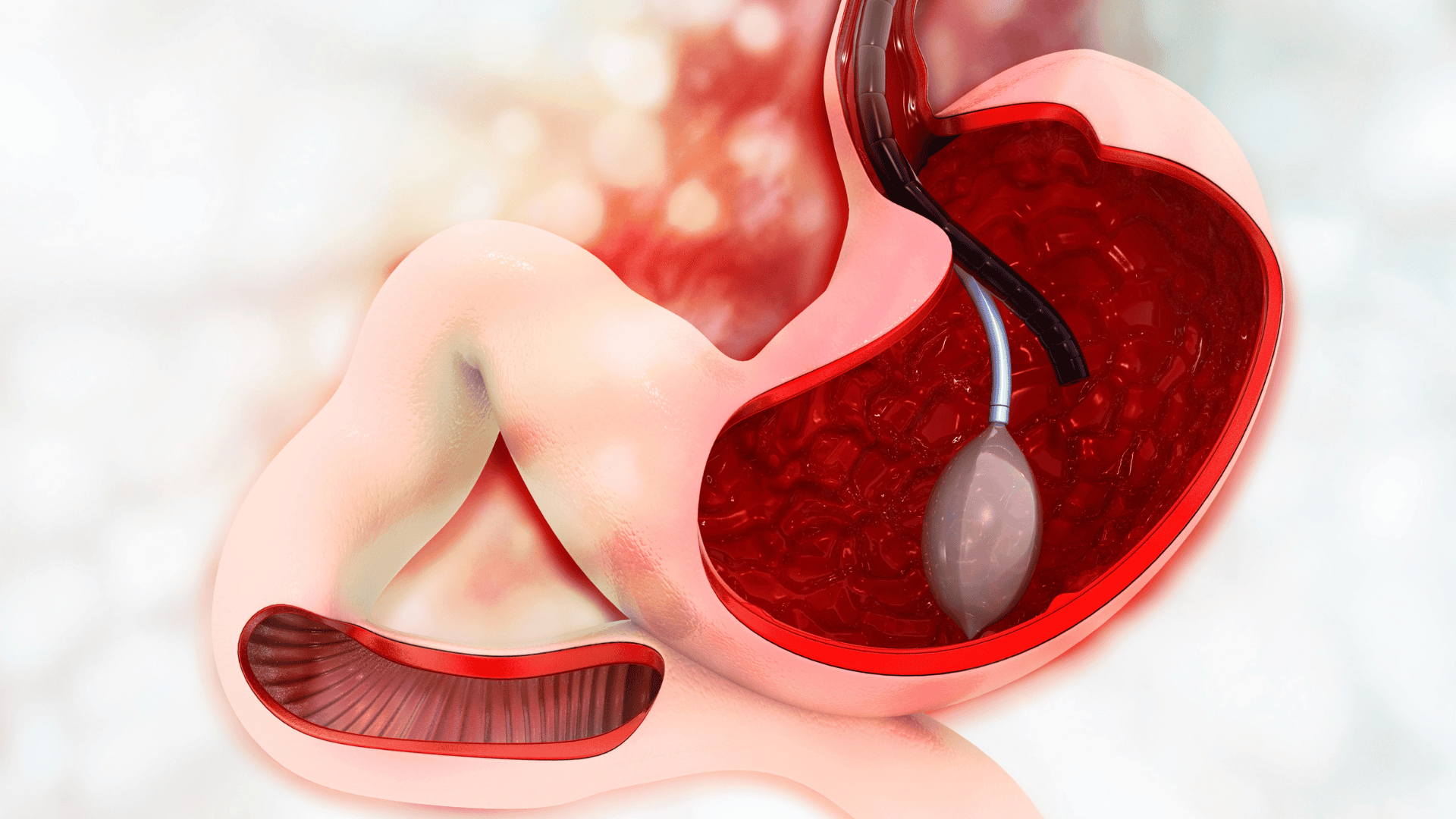
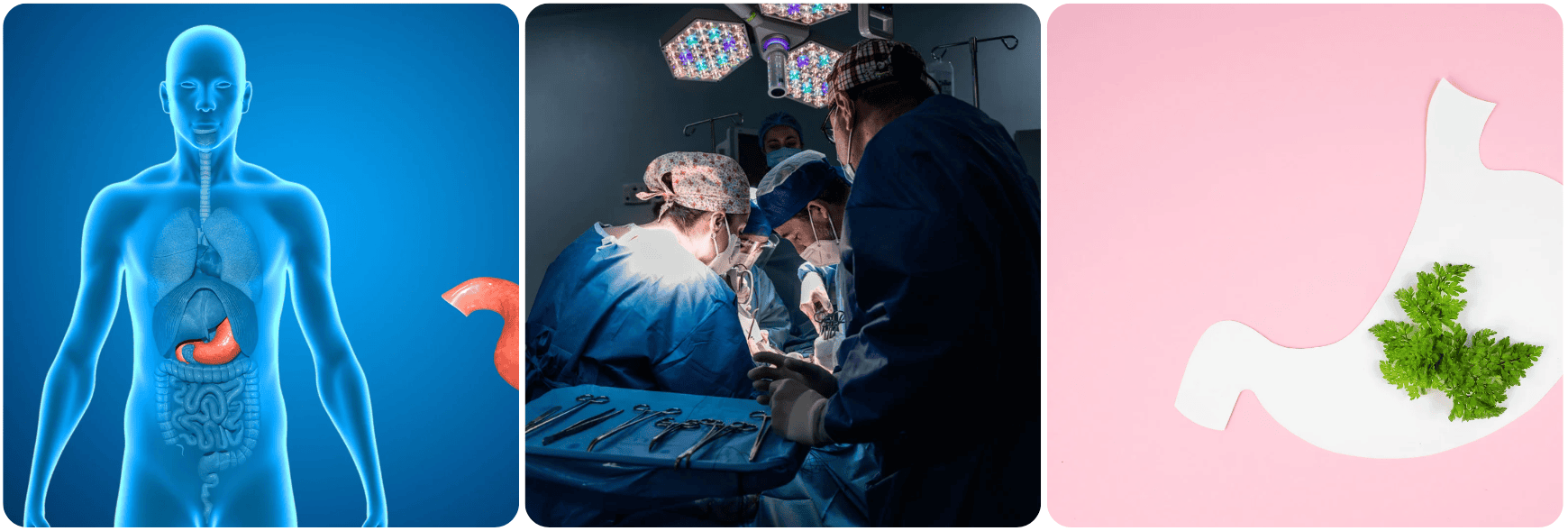
A gastric balloon is a medical device used to aid in weight loss. It consists of a soft silicone balloon that is inserted into the stomach through the mouth and esophagus while deflated. Once in the stomach, the balloon is filled with a sterile saline solution or air, causing it to expand. The balloon then occupies space in the stomach, which helps reduce feelings of hunger. As a result, individuals tend to eat smaller portions and feel full more quickly. The procedure to place a gastric balloon is minimally invasive and typically does not require general anesthesia.
A gastric balloon is a medical device used to aid in weight loss. It consists of a soft silicone balloon that is inserted into the stomach through the mouth and esophagus while deflated.
It is a temporary solution, as the balloon is usually removed after six to twelve months to avoid complications such as deflation or leakage. The use of a gastric balloon is often combined with a tailored diet and regular exercise to encourage long-term lifestyle changes. It is designed for individuals who are overweight but may not qualify for more invasive bariatric surgeries or who have not had lasting success with other weight-loss methods. While it can be an effective tool for weight loss, it should always be done under the supervision of a doctor, who will provide guidance both before and after the balloon is placed to ensure safety and support throughout the process.
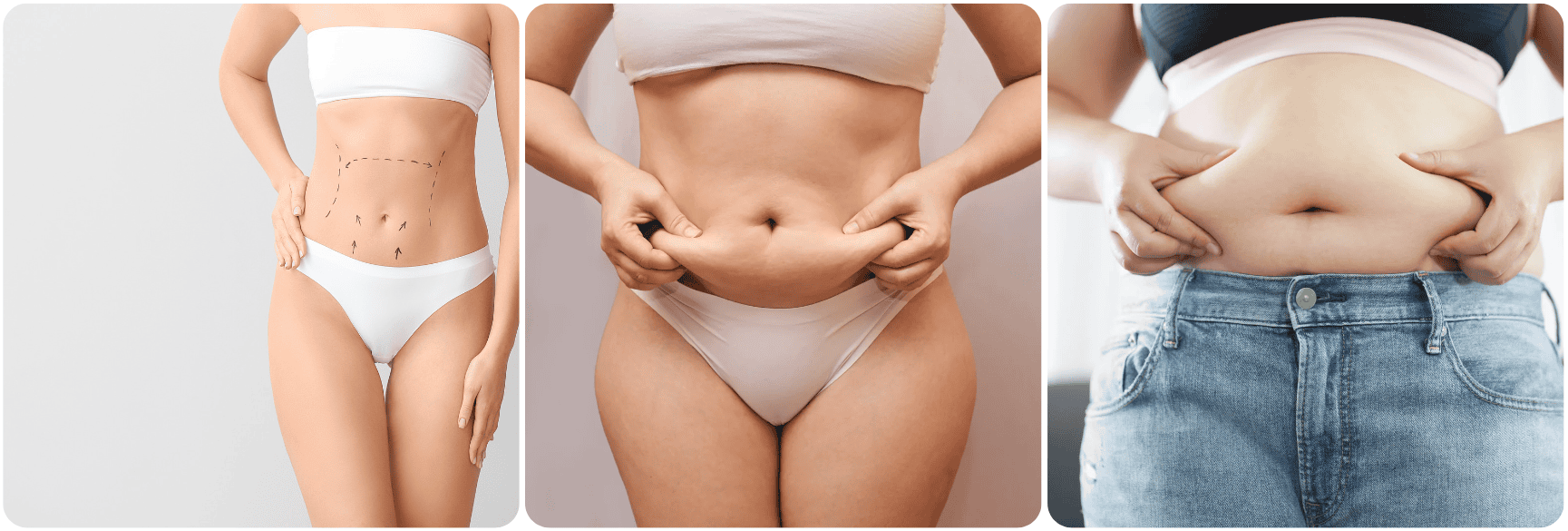
Gastric balloon surgery, also known as an intragastric balloon procedure, is a non-surgical, minimally invasive weight-loss option designed for individuals who are overweight or mildly obese and need help losing weight when diet and exercise alone have not been effective. It is often recommended for people with a body mass index (BMI) between 30 and 40, particularly those who do not qualify for more invasive bariatric surgeries like gastric bypass or sleeve gastrectomy.
The gastric balloon is a temporary solution, typically in place for about six months, that helps individuals jumpstart their weight loss journey. It is an appealing option for people who may not want or need permanent surgery but require a tool to reduce their food intake and develop healthier eating habits.
The balloon works by filling part of the stomach, which creates a feeling of fullness and reduces hunger, making it easier to eat smaller portions and consume fewer calories. Many individuals opt for the gastric balloon because it is a less invasive and reversible procedure, offering a way to lose weight and improve overall health without the long recovery times or significant risks associated with traditional bariatric surgeries.
The gastric balloon procedure is a relatively simple and quick outpatient process that does not require surgery. It begins with the patient being lightly sedated before a deflated silicone balloon is inserted through the mouth and into the stomach using an endoscope, a thin, flexible tube with a camera. Once the balloon is properly positioned in the stomach, it is filled with a sterile saline solution or, in some cases, air, until it reaches the size of a grapefruit. This partially fills the stomach, which reduces the amount of space available for food, making patients feel fuller after eating smaller amounts of food. The entire procedure typically takes about 20-30 minutes, and patients are usually able to go home the same day.
The gastric balloon procedure is a relatively simple and quick outpatient process that does not require surgery.
The balloon remains in the stomach for approximately six months, during which time patients work closely with a healthcare team, including nutritionists and counselors, to make lifestyle changes and adopt healthier eating habits. After six months, the balloon is deflated and removed in a procedure similar to its insertion. While the balloon is a temporary aid, it serves as a catalyst for long-term weight loss by helping patients adjust to new portion sizes and develop sustainable habits for managing their weight.
To maintain the results of gastric balloon treatment, patients are encouraged to follow a set of long-term strategies:
💚 Continue practicing portion control
💚 Stick to a balanced, nutrient-rich diet
💚 Engage in regular physical activity
💚 Attend periodic follow-ups with healthcare providers
By incorporating these habits, patients can prevent weight regain and continue building on the progress achieved during treatment.
For some individuals, the gastric balloon serves as a bridge to bariatric surgery. Patients who are initially not eligible for more invasive procedures due to high surgical risks may use the balloon to lose enough weight to safely qualify. This staged approach allows them to reduce risks and prepare both physically and mentally for a potential long-term surgical solution.
The cost of gastric balloon surgery varies depending on the country, clinic, and included services. Prices may cover not only the procedure itself but also aftercare, dietary counseling, and follow-up visits. In many cases, undergoing treatment abroad can significantly lower costs while maintaining quality. Patients should always ensure that the clinic is certified and provides transparent information about all expenses involved.
Exercise plays a crucial role in maximizing the success of gastric balloon treatment. Clinics often recommend low-impact activities during the first weeks, such as walking or swimming, before gradually moving on to more intensive workouts. Regular physical activity not only boosts weight loss but also helps patients develop energy, strength, and confidence, contributing to long-lasting results.
Exercise plays a crucial role in maximizing the success of gastric balloon treatment.
Gastric balloon surgery offers several key benefits, particularly for individuals seeking a non-surgical option to lose weight and improve their health. One of the main advantages is that it is minimally invasive, requiring no incisions, stitches, or permanent changes to the digestive system. This makes the recovery time much shorter than other weight-loss procedures, and patients can return to normal activities within a few days. The procedure is also reversible, as the balloon is removed after six months, offering a temporary yet effective method for kickstarting weight loss.
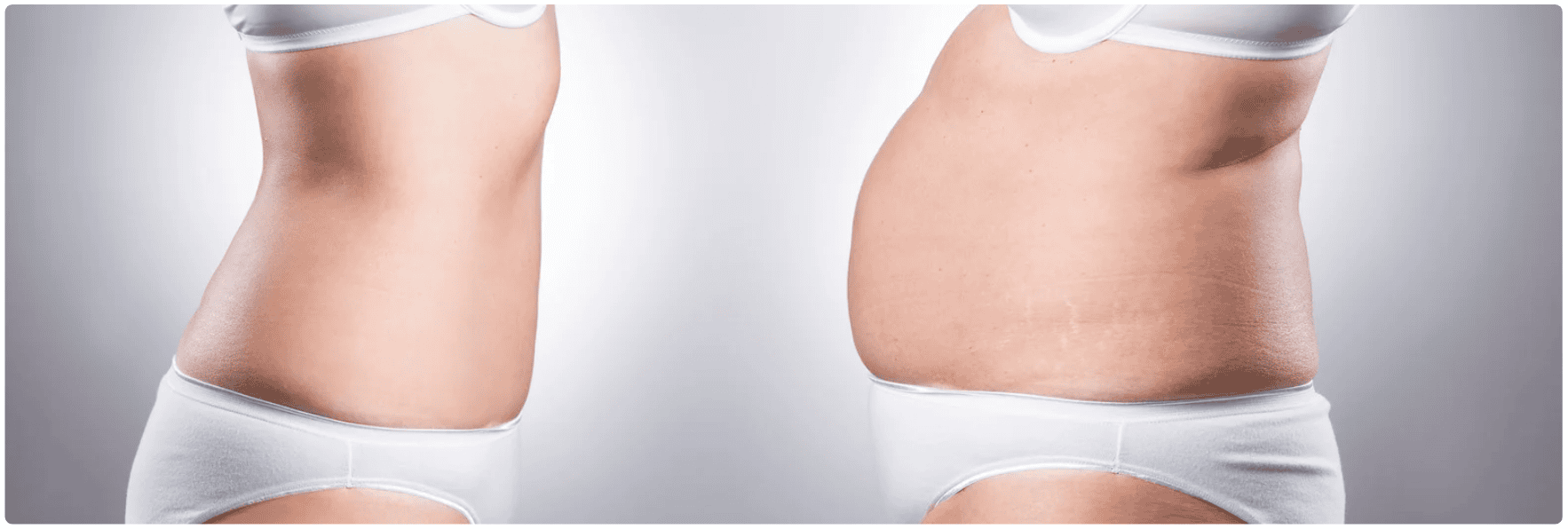
Many individuals experience significant weight loss during the six months that the balloon is in place, often shedding 20-30% of their excess weight, which can lead to improvements in various obesity-related health conditions, such as type 2 diabetes, high blood pressure, and sleep apnea.
In addition to the physical health benefits, the gastric balloon helps patients develop a healthier relationship with food. By limiting the amount of food that can be consumed, the balloon encourages portion control and mindful eating, which are critical for long-term weight management. During the months that the balloon is in place, patients receive ongoing support from healthcare professionals, including dietary guidance and behavioral counseling, to help them make sustainable changes that can continue after the balloon is removed.
In addition to the physical health benefits, the gastric balloon helps patients develop a healthier relationship with food.
Another important benefit is that the procedure is suitable for individuals who may not qualify for more invasive bariatric surgeries, making it a flexible option for a broader range of people seeking weight loss solutions. While the weight loss results may not be as dramatic as with surgical options, the gastric balloon is a valuable tool for those looking to improve their health and lifestyle without the risks and recovery associated with more permanent procedures.
When considering weight-loss interventions, the gastric balloon stands out as a unique, non-surgical option. Unlike weight-loss medications, it does not rely on altering metabolism or suppressing appetite through chemicals. Instead, it creates a physical change in the stomach that naturally reduces food intake. Compared to restrictive diets alone, it provides stronger and more reliable results, especially for those who have struggled with repeated cycles of weight loss and regain.
Many patients choose to undergo gastric balloon surgery abroad, combining their treatment with travel. Countries such as Turkey are known for offering high-quality care at affordable prices. Clinics often provide package deals that include the procedure, accommodation, and follow-up consultations. For patients considering medical tourism, it’s important to select a clinic with certified professionals and transparent pricing to ensure safety and positive outcomes.
A gastric balloon primarily influences hunger by physically occupying space in the stomach. This presence reduces the stomach's capacity and stretches the stomach wall, which sends early signals of fullness to the brain. As a result, individuals experience reduced appetite and feel satisfied after eating smaller meals. While the balloon does not alter the digestive tract or nutrient absorption like surgical procedures do, it slows gastric emptying — meaning food stays in the stomach longer, further enhancing the feeling of fullness. These effects help support calorie reduction without the intense hunger that often accompanies dieting.
The gastric balloon is intended for people who are overweight or mildly obese, typically with a BMI between 30 and 40. It's ideal for individuals who haven’t achieved success with diet and exercise alone and are looking for a non-surgical solution to support weight loss. It's also an option for those who may not yet qualify for more invasive bariatric surgery or who are seeking a stepping stone before considering a permanent procedure.
The gastric balloon is intended for people who are overweight or mildly obese, typically with a BMI between 30 and 40.
Candidates should be willing to commit to lifestyle changes, including nutritional counseling and regular physical activity, both during and after the balloon’s presence. A medical evaluation is necessary to ensure the balloon is safe and appropriate, particularly for individuals with gastrointestinal conditions or previous stomach surgeries.
After the gastric balloon is placed, it may take a few days for the body to adjust. Nausea, bloating, or discomfort are common during the initial adjustment period but usually subside within a week. Patients are advised to follow a liquid diet at first, gradually transitioning to soft foods, and eventually to a regular but portion-controlled diet. Ongoing support from a medical team, including nutritionists and possibly behavioral therapists, is key to long-term success.
Many individuals lose a significant amount of weight in the first few months, but the real goal is to build sustainable habits that continue once the balloon is removed. Continued follow-ups after removal can help ensure that weight loss is maintained and that the lifestyle changes remain effective.
A gastric balloon is most effective when combined with comprehensive lifestyle support. Clinics often provide structured programs that include nutritional counseling, fitness guidance, and regular check-ins to track progress. This holistic approach helps patients not only lose weight during the treatment but also develop sustainable habits for the future. The balloon acts as a tool, but the true long-term success comes from learning how to eat balanced meals, manage portion sizes, and stay active consistently.
Before receiving a gastric balloon, patients typically undergo a series of pre-procedure assessments. These may include blood tests, imaging, and a detailed medical history to confirm eligibility. Doctors also provide dietary guidelines to follow in the days leading up to the placement, such as adopting a lighter diet to ease the transition. Proper preparation not only ensures safety but also helps patients adapt more smoothly once the balloon is in place.
Many clinics offer structured aftercare programs following gastric balloon placement. These programs may include:
💚 Regular follow-up appointments with a doctor
💚 Nutritional guidance from certified dietitians
💚 Access to exercise programs tailored to individual fitness levels
💚 Support groups or one-on-one coaching sessions
This level of support ensures that patients maximize the benefits of the balloon and are equipped with the knowledge to maintain weight loss once it is removed.
The removal of a gastric balloon is straightforward and similar to the insertion. Patients are sedated while an endoscope is used to puncture and deflate the balloon before carefully extracting it through the mouth. The process usually takes less than 30 minutes and patients can return home the same day. Most experience only mild throat soreness afterward, which resolves quickly. This simple removal highlights the temporary and reversible nature of the procedure.
Patients receiving a gastric balloon are guided through specific dietary stages:
💚 Initial liquid-only diet to allow the stomach to adjust
💚 Soft foods introduced gradually after the first week
💚 Balanced solid meals focusing on lean proteins, vegetables, and whole grains
💚 Avoidance of carbonated drinks, alcohol, and high-sugar foods
These guidelines help patients adapt to smaller portions and healthier choices, ensuring maximum benefits from the balloon.
The success of gastric balloon treatment depends greatly on consistent medical monitoring. Doctors track weight loss progress, evaluate nutritional intake, and monitor overall health. Regular check-ups allow for adjustments in dietary plans and provide an opportunity to address any side effects early. This continuous medical support ensures that patients remain on the right track throughout the treatment.
Most patients notice weight loss within the first few weeks of gastric balloon placement, as their appetite naturally decreases. The most significant progress usually occurs within the first three months, with continued gradual weight reduction afterward. By the time the balloon is removed at six months, many patients have achieved substantial improvements in both weight and health markers.
Most patients notice weight loss within the first few weeks of gastric balloon placement, as their appetite naturally decreases.
Although gastric balloon surgery is generally safe, patients should be aware of potential risks. These may include nausea, vomiting, acid reflux, or abdominal discomfort in the first days after placement. Rarely, balloons can deflate or cause blockages. Careful screening and choosing an experienced medical team significantly reduce these risks and help ensure a smooth recovery.
Beyond weight reduction, gastric balloon treatment often leads to notable health improvements. Many patients experience better control of type 2 diabetes, reduced blood pressure, and improved cholesterol levels. Sleep quality and energy levels also tend to rise, helping individuals enjoy a healthier and more active lifestyle overall.
During your consultation, you will discuss your wishes, medical history, and expectations with the doctor. The doctor will examine you, take measurements if necessary, and explain which treatment suits you best, including risks and recovery. You will have the opportunity to ask questions and then receive a clear treatment proposal.
Make sure you have all relevant medical information ready, such as previous treatments, allergies, or medical conditions. This allows the doctor to give you better advice.
Payment is made securely via SurgeryBooking. You pay the amount in advance to SurgeryBooking. We hold the funds and transfer them to the clinic after your treatment. Cancellation or change conditions vary per clinic and are clearly communicated in advance.
During the consultation (online or at the clinic), the doctor will assess this based on your health, expectations, and physical characteristics. You will discuss what you want, what is possible, and what the limitations are. Sometimes there are alternatives if the chosen treatment is not ideal.
Through SurgeryBooking.com, you can quickly and easily book a consultation or procedure with doctors and clinics worldwide. SurgeryBooking.com provides an overview of doctors and clinics, allowing you to make an informed and transparent choice when booking a consultation or procedure.
You can easily book through the profile of the desired clinic or doctor. Select the desired treatment, enter your details, and choose an available date and time. If there are any costs involved, you will complete the payment first. Afterwards, you will receive a confirmation email with all the details.
Yes, during the booking process, you can indicate whether you prefer an online consultation or an in-person consultation at the clinic.
With SurgeryBooking.com, you gain access to a global network of doctors and clinics. Through SurgeryBooking.com, you can easily book a consultation or a cosmetic procedure directly. Clinic profiles provide information about available cosmetic procedures, reviews, photos of the clinic, and other relevant details. This enables you to compare costs and make an informed decision when booking a consultation or procedure.