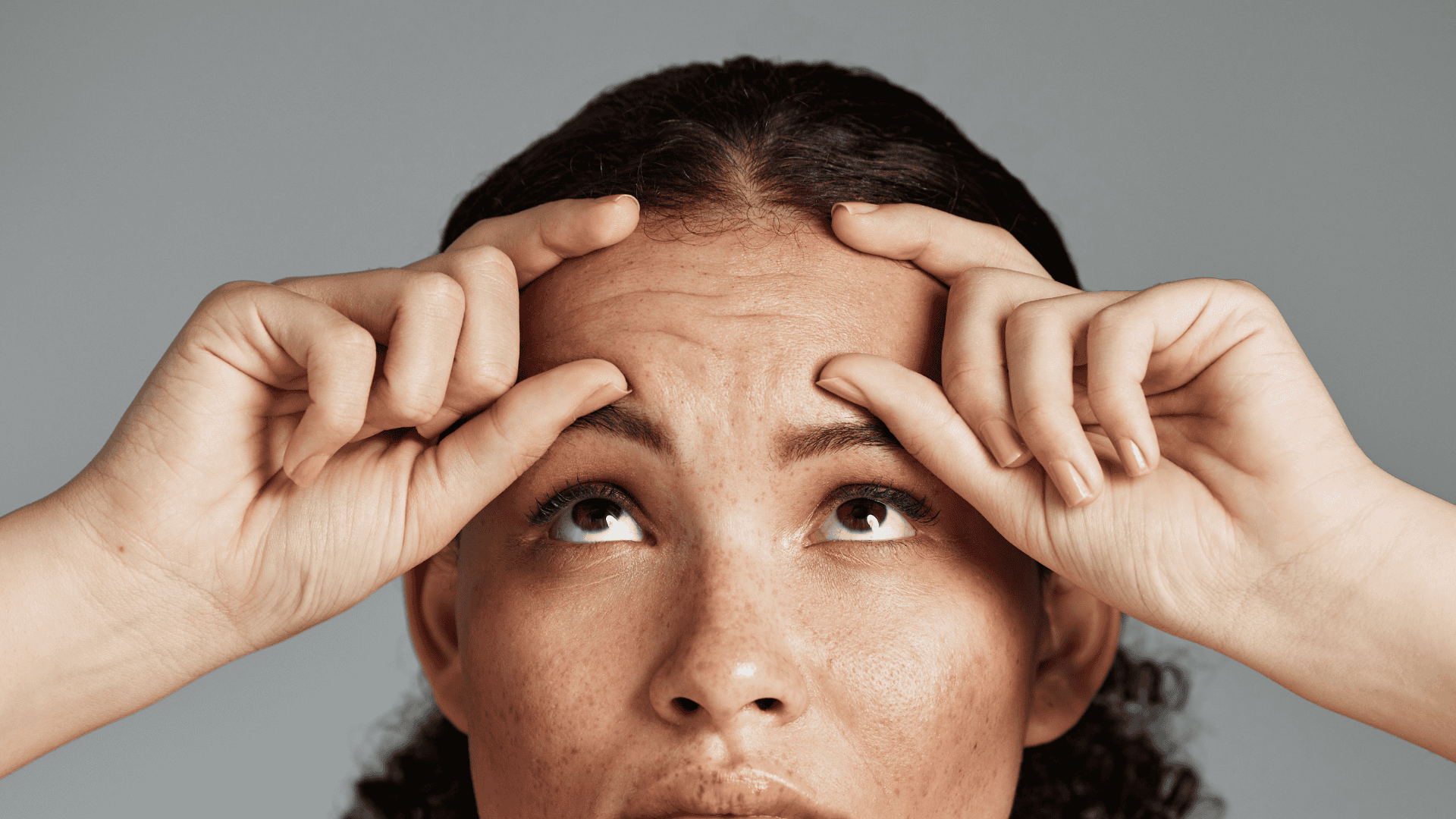
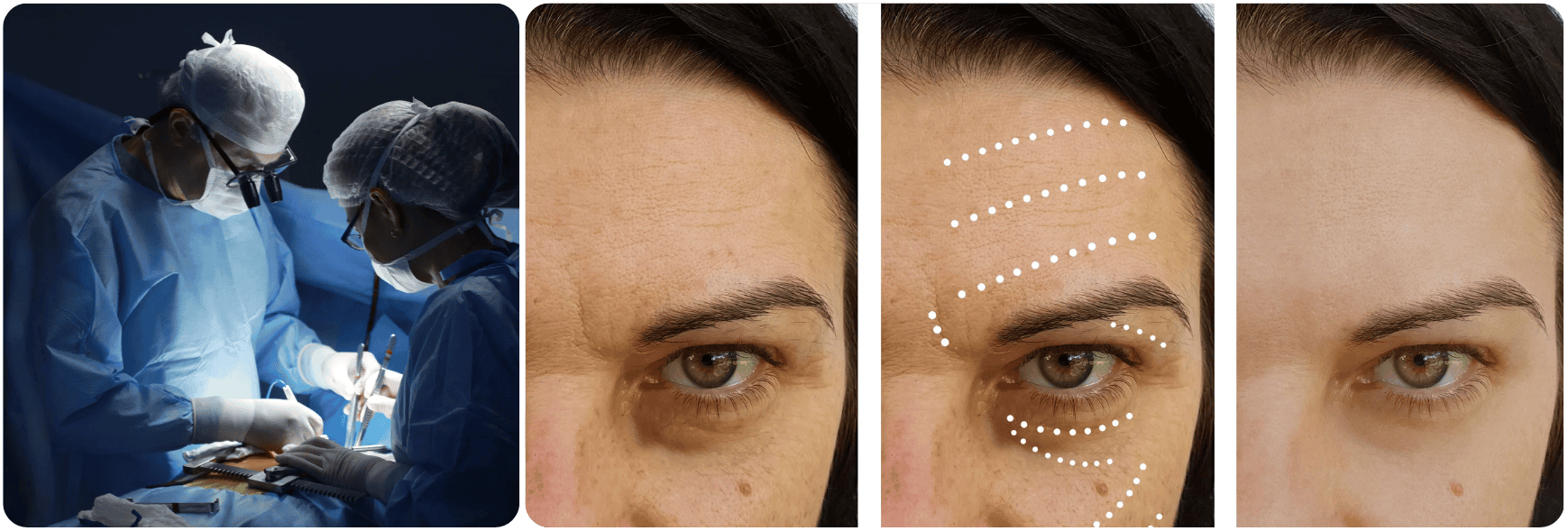
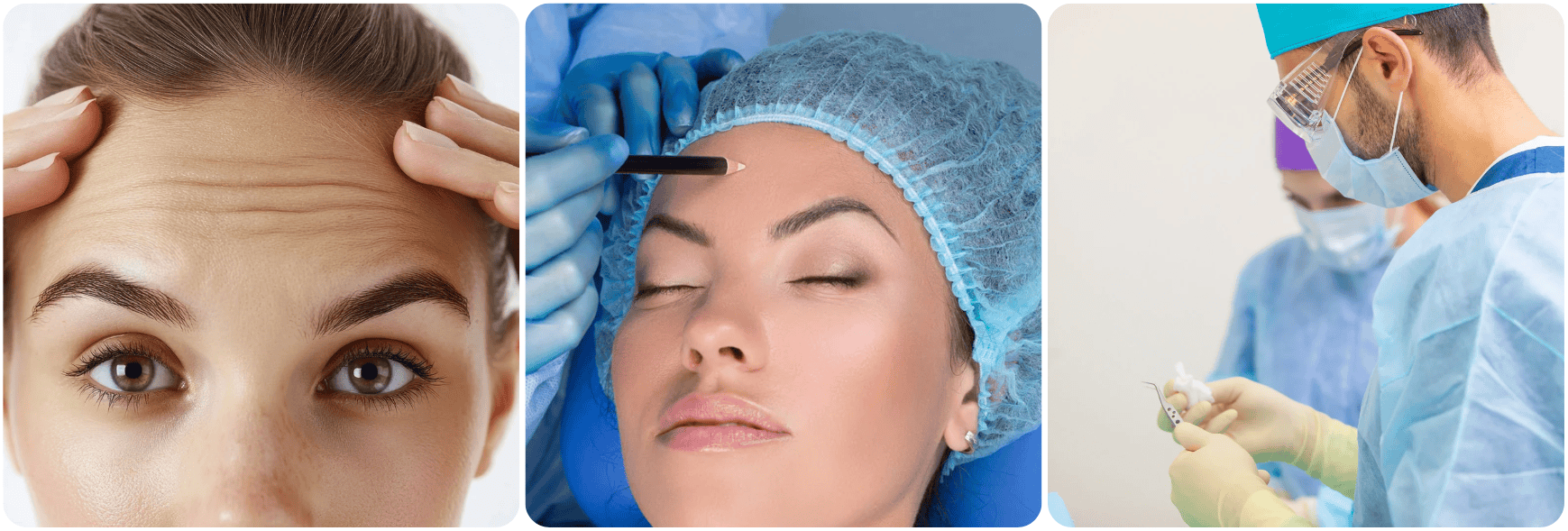
Forehead reduction, also known as hairline lowering, is a cosmetic surgical procedure aimed at decreasing the height of the forehead by lowering the hairline. This procedure is particularly sought after by individuals who feel their forehead is too prominent, which can contribute to an unbalanced facial appearance or an undesirable aesthetic. The primary objective of this surgery is to create a more proportionate and youthful-looking face.
The process typically begins with a consultation with a plastic surgeon or dermatologist. During this appointment, the surgeon evaluates the existing hairline and discusses the patient’s desires and expectations. Recommendations may be made regarding the best approach for the surgery, tailored to the specific needs of the patient.
Forehead reduction, also known as hairline lowering, is a cosmetic surgical procedure aimed at decreasing the height of the forehead by lowering the hairline.
The procedure itself is usually performed under local anesthesia. Several techniques can be utilized, such as excising a strip of skin from the forehead or repositioning hair from the back of the scalp to the front. After the excess skin is removed, the hairline is lowered, and the incision points are sutured closed. The outcome is a lower hairline that enhances the overall aesthetic of the face.
Following the surgery, a recovery period is necessary. Patients may experience swelling, bruising, and discomfort, but these symptoms typically resolve within a few days. It is crucial to follow the surgeon's postoperative instructions to ensure optimal healing. Most individuals can return to their daily activities within a few weeks, although the final results may take several months to become fully apparent.
A forehead reduction can significantly boost an individual’s self-esteem. Many patients report feeling happier and more confident after the procedure, which encourages them to engage more actively in social situations. As with any cosmetic surgery, there are risks and potential complications, such as infection or scarring, but the majority of patients experience positive outcomes. Being well-informed and considering all options before deciding to undergo this procedure is essential.
Forehead reduction, also known as hairline lowering surgery, is a cosmetic procedure designed to shorten the length of the forehead by lowering the hairline. This surgery is particularly beneficial for individuals who feel self-conscious about having a high or large forehead, as a high hairline can sometimes be associated with an older or less feminine appearance. Many people seek forehead reduction to achieve a more balanced and harmonious facial appearance, as a lower hairline can make the face appear more proportionate. This procedure is commonly sought by those who feel that their forehead is too prominent or who are dissatisfied with the aesthetic balance between their forehead, eyebrows, and chin.
Forehead reduction, also known as hairline lowering surgery, is a cosmetic procedure designed to shorten the length of the forehead by lowering the hairline.
For some, the procedure can provide a significant boost in confidence by improving their overall appearance, as the forehead becomes more in proportion with the rest of their facial features. Additionally, forehead reduction can be a solution for individuals who have a naturally high hairline due to genetics, or those who have experienced hair loss that has caused their hairline to recede further. Ultimately, forehead reduction offers a permanent solution for those looking to create a more youthful and balanced look by addressing the height of the forehead.
Forehead reduction is typically performed under general anesthesia or local anesthesia with sedation, depending on the patient's preferences and the extent of the procedure. The surgeon begins by making an incision along the hairline, which is typically positioned within the existing hair to ensure that any scarring is concealed. The procedure involves removing a portion of the skin from the upper forehead, and then the hairline is lowered by repositioning the remaining skin. The forehead is then carefully sutured, and the hairline is restructured to create a more aesthetically pleasing and natural-looking result. In some cases, the surgeon may also address underlying issues such as excess skin or tissue, particularly if the forehead has been stretched over time due to aging or other factors. The procedure usually takes between two to three hours, and patients are generally able to go home on the same day after the surgery.
Forehead reduction is typically performed under general anesthesia or local anesthesia with sedation, depending on the patient's preferences and the extent of the procedure.
Recovery from a forehead reduction typically includes managing swelling, bruising, and discomfort in the first few days, and most patients can return to normal activities within one to two weeks. The final result is a lower, more balanced hairline that enhances the overall proportions of the face. As with any surgery, post-operative care and follow-up visits are important to ensure proper healing and optimal outcomes.
There are several methods surgeons can use to perform a forehead reduction procedure. The most appropriate technique depends on the patient’s anatomy, hairline shape, and goals. Common approaches include:
Direct hairline advancement where a strip of forehead skin is removed, and the hairline is lowered in one step.
Tissue expansion which allows for greater scalp mobility before the actual reduction surgery.
Hair grafting combined with reduction to refine the new hairline and fill in areas for a softer look.
Endoscopic methods in some cases, where small incisions are used to minimize scarring.
Each technique has its own advantages, and surgeons select the method that provides the most natural result for the individual patient.
The primary benefit of forehead reduction is the creation of a more balanced and youthful facial appearance. For those with a high or prominent forehead, this procedure can bring the facial features into better proportion, making the face appear more harmonious. By lowering the hairline, individuals can achieve a more aesthetically pleasing look that can help boost self-esteem and improve confidence, particularly for those who have been self-conscious about their forehead size for years. Additionally, a lower hairline can make other facial features, such as the eyes, nose, and chin, appear more prominent.
The results of forehead reduction are permanent, meaning that once the hairline is lowered, it will remain at that level for the rest of the patient's life. This permanent solution can provide long-term satisfaction without the need for touch-up surgeries or ongoing treatments. Another advantage is that the procedure is generally well-tolerated, with minimal risk of complications when performed by a skilled surgeon. The recovery period is relatively short compared to more invasive facial surgeries, and most patients experience a significant improvement in their appearance once they have fully healed. Overall, the benefits of forehead reduction go beyond the physical changes; many individuals report feeling more confident and comfortable with their appearance, leading to a more positive impact on their overall quality of life.
A good candidate for forehead reduction surgery is someone who is in overall good health, does not smoke, and has realistic expectations about the results. This procedure is particularly beneficial for individuals who have a naturally high hairline due to genetics or have experienced hair loss over time. It is also suitable for patients who feel that their forehead is disproportionately large in comparison to the rest of their facial features and wish to create a more harmonious appearance. Individuals with good scalp laxity—meaning the scalp skin can be moved forward without excessive tension—are ideal candidates, as this allows for more flexibility in lowering the hairline.
Forehead reduction is commonly performed on women seeking a more feminine facial balance, but it can also be a valuable option for men, especially those with stable hairlines. During the consultation, the surgeon will assess scalp mobility, hair density, and overall facial proportions to determine if this is the best solution.
Preparing for a hairline lowering surgery involves several important steps to ensure the best possible outcome and a smooth recovery. Before surgery, patients are usually advised to avoid smoking and alcohol, as both can impair healing. It’s also important to stop taking blood-thinning medications or supplements, such as aspirin or fish oil, which can increase the risk of bleeding. Patients should wash their hair thoroughly the night before surgery and avoid applying any styling products. During the preoperative consultation, the surgeon will review medical history, perform a physical examination of the scalp, and discuss expectations and desired outcomes.
It’s essential to arrange transportation to and from the clinic on the day of surgery, as patients will not be able to drive themselves. Preparing the home with comfortable pillows, ice packs, and prescribed medications in advance can also ease the post-operative experience. Following the surgeon’s pre-surgical instructions carefully is a key part of ensuring a safe and successful procedure.
Recovery after forehead reduction surgery is generally straightforward, but knowing what to expect can help patients feel more at ease. In the first few days, it’s common to experience mild to moderate swelling, bruising, and some tightness in the forehead area. Discomfort can usually be managed with prescribed pain medications and cold compresses. Keeping the head elevated, even while sleeping, helps reduce swelling more quickly.
Most patients can return to work or light activities within 7 to 10 days, but it’s important to avoid strenuous exercise or bending over for at least two weeks. The sutures or staples used during the procedure are typically removed within a week. Over time, any scars will fade and become less noticeable, especially when the incision is placed within the hairline. Patients should avoid sun exposure during recovery to minimize the risk of hyperpigmentation along the incision line. With proper aftercare, the final results—a lower, more balanced hairline—become fully visible within a few months.
Yes, forehead reduction is often combined with other facial procedures to enhance overall results. One common combination is a brow lift, which helps elevate the eyebrows to a more youthful position and can be performed through the same incision used for the forehead reduction. This dual approach is ideal for individuals who want to reduce forehead height while also smoothing forehead lines or correcting sagging brows.
In some cases, patients may also choose to undergo hair grafting to fill in areas of thinning hair or to refine the shape of the new hairline. Another option is pairing the procedure with eyelid surgery (blepharoplasty) to address drooping eyelids or puffiness around the eyes. Combining treatments can save time and recovery by addressing multiple concerns in one surgical session. During the consultation, your surgeon will help determine which procedures can be safely and effectively performed together to meet your aesthetic goals.
One of the most common questions about forehead reduction surgery is whether the results are permanent. The good news is that once the procedure has been performed, the new hairline remains stable for life. The skin that was removed does not grow back, and the hairline does not shift back to its original position. Of course, natural aging and minor hair thinning may still occur over time, but the lowered hairline itself is a lasting change. This makes the procedure highly appealing for individuals who want a definitive solution without the need for repeated treatments. When performed by an experienced surgeon, the outcome provides long-term satisfaction that does not require future adjustments.
The success of a forehead reduction often depends on the flexibility of the scalp. Patients with good scalp laxity have more tissue that can be moved forward, which allows the surgeon to lower the hairline more significantly. If the scalp is tight, additional strategies such as tissue expansion may be recommended before the main surgery. Tissue expansion involves placing a balloon-like device under the scalp, which gradually stretches the skin over several weeks. This step creates enough elasticity to achieve a natural-looking result. Understanding scalp flexibility is an important part of planning the surgery, and it helps set realistic expectations for how much the forehead can be reduced.
Recovering after forehead reduction surgery is smoother when patients follow practical self-care guidelines. To ensure the best healing process, many surgeons recommend:
Keeping the head elevated for at least the first week.
Using cold compresses to minimize swelling.
Avoiding heavy exercise or bending forward.
Following all prescribed medications carefully.
Sleeping on the back with extra pillows for support.
By sticking to these tips, patients can speed up their recovery and reduce the risk of complications, ensuring that the final results look natural and appealing.
Although forehead reduction is commonly associated with women seeking a more feminine balance, men can also benefit greatly from this procedure. For men with a naturally high hairline, lowering the forehead can create stronger facial proportions and a more balanced look. In cases where hair loss is stable and predictable, surgery can help frame the face more effectively and enhance overall aesthetics. Many men choose to combine this procedure with hair transplantation to further improve density and shape. A thorough consultation helps determine whether the hairline is suitable for surgical lowering or whether alternative approaches would be better.
One of the most important aspects of forehead reduction surgery is the placement of the incision. Surgeons typically make the incision along the natural hairline, so the resulting scar blends seamlessly with the patient’s existing hair growth. For those with thicker hair, the scar is often almost invisible once healing is complete. Special suturing techniques are used to minimize scar visibility and to encourage new hair growth around the incision line. Over time, the incision fades further, leaving patients with a smooth and natural-looking result that enhances the face without obvious surgical signs.
In some cases, the most effective approach to forehead reduction is to combine it with a hair transplant procedure. While the surgical reduction lowers the hairline, hair transplantation can refine the shape by adding natural density or softening the hairline edges. This combination is particularly useful for patients with thinning hair at the temples or those who want a more rounded or feminine appearance. The synergy between the two techniques provides long-lasting, natural-looking results that cannot be achieved by either method alone. Patients who want the most refined aesthetic often find this combined approach to be the ideal solution.
A natural concern among patients considering forehead reduction is the visibility of scars. Fortunately, most surgeons place incisions in a way that the resulting scar is hidden within the hairline. In patients with good hair density, new hair often grows through the scar itself, making it even less noticeable. With proper aftercare, scars gradually fade over time and become difficult to detect. Surgeons may also recommend scar care treatments, such as silicone gels or laser therapy, to optimize healing. As a result, the aesthetic benefits of the procedure typically far outweigh any concerns about scarring.
An added benefit of forehead reduction surgery is the way natural hair growth helps conceal the incision over time. As the scalp heals, new hair grows along the lowered hairline, further blending the surgical area with the existing hair. For patients with thicker or denser hair, the transition is almost invisible within a few months. This natural integration ensures that the results not only look balanced but also maintain a completely authentic appearance. The combination of precise surgical technique and natural hair coverage provides long-lasting and discreet results.
Swelling is a normal part of recovery following forehead reduction surgery. Most swelling peaks within the first 48 hours and then begins to subside gradually. By the end of the first week, much of the swelling has already resolved, although minor puffiness may persist for a few weeks. Patients can help reduce swelling by keeping the head elevated, avoiding salty foods, and applying cold compresses as instructed by their surgeon. With patience and proper aftercare, the swelling completely disappears, allowing the final results of the surgery to become fully visible.
The outcome of a forehead reduction surgery can vary slightly from person to person. Several key factors play a role in the final appearance, including:
The natural shape and height of the patient’s hairline.
The flexibility of the scalp and surrounding tissues.
The patient’s age and skin elasticity.
The surgeon’s experience and chosen technique.
The patient’s commitment to aftercare during recovery.
Understanding these influences helps patients set realistic expectations and appreciate the personalized nature of the results.
Not all patients have the same goals when undergoing a forehead reduction. For rounder face shapes, lowering the hairline can create more balance by elongating the overall look of the face. For those with long, narrow faces, the procedure helps shorten the forehead area and achieve symmetry. The customization of the surgery ensures that each individual’s unique features are taken into account. Surgeons carefully plan the new hairline design to match the proportions of the face, resulting in a naturally attractive outcome that enhances harmony among facial features.
The results of a forehead reduction are designed to last a lifetime. Once the forehead has been surgically shortened, the improvement remains stable, giving patients long-term satisfaction. Unlike temporary cosmetic solutions, such as fillers or hair grafts alone, forehead reduction provides a structural change that does not reverse over time. Patients can enjoy the benefits of a more balanced facial profile for decades, with only the natural aging process influencing their overall appearance. This long-lasting effect is one of the main reasons why so many people consider the procedure a worthwhile investment in their aesthetics.
During your consultation, you will discuss your wishes, medical history, and expectations with the doctor. The doctor will examine you, take measurements if necessary, and explain which treatment suits you best, including risks and recovery. You will have the opportunity to ask questions and then receive a clear treatment proposal.
Make sure you have all relevant medical information ready, such as previous treatments, allergies, or medical conditions. This allows the doctor to give you better advice.
Payment is made securely via SurgeryBooking. You pay the amount in advance to SurgeryBooking. We hold the funds and transfer them to the clinic after your treatment. Cancellation or change conditions vary per clinic and are clearly communicated in advance.
During the consultation (online or at the clinic), the doctor will assess this based on your health, expectations, and physical characteristics. You will discuss what you want, what is possible, and what the limitations are. Sometimes there are alternatives if the chosen treatment is not ideal.
Through SurgeryBooking.com, you can quickly and easily book a consultation or procedure with doctors and clinics worldwide. SurgeryBooking.com provides an overview of doctors and clinics, allowing you to make an informed and transparent choice when booking a consultation or procedure.
You can easily book through the profile of the desired clinic or doctor. Select the desired treatment, enter your details, and choose an available date and time. If there are any costs involved, you will complete the payment first. Afterwards, you will receive a confirmation email with all the details.
Yes, during the booking process, you can indicate whether you prefer an online consultation or an in-person consultation at the clinic.
With SurgeryBooking.com, you gain access to a global network of doctors and clinics. Through SurgeryBooking.com, you can easily book a consultation or a cosmetic procedure directly. Clinic profiles provide information about available cosmetic procedures, reviews, photos of the clinic, and other relevant details. This enables you to compare costs and make an informed decision when booking a consultation or procedure.