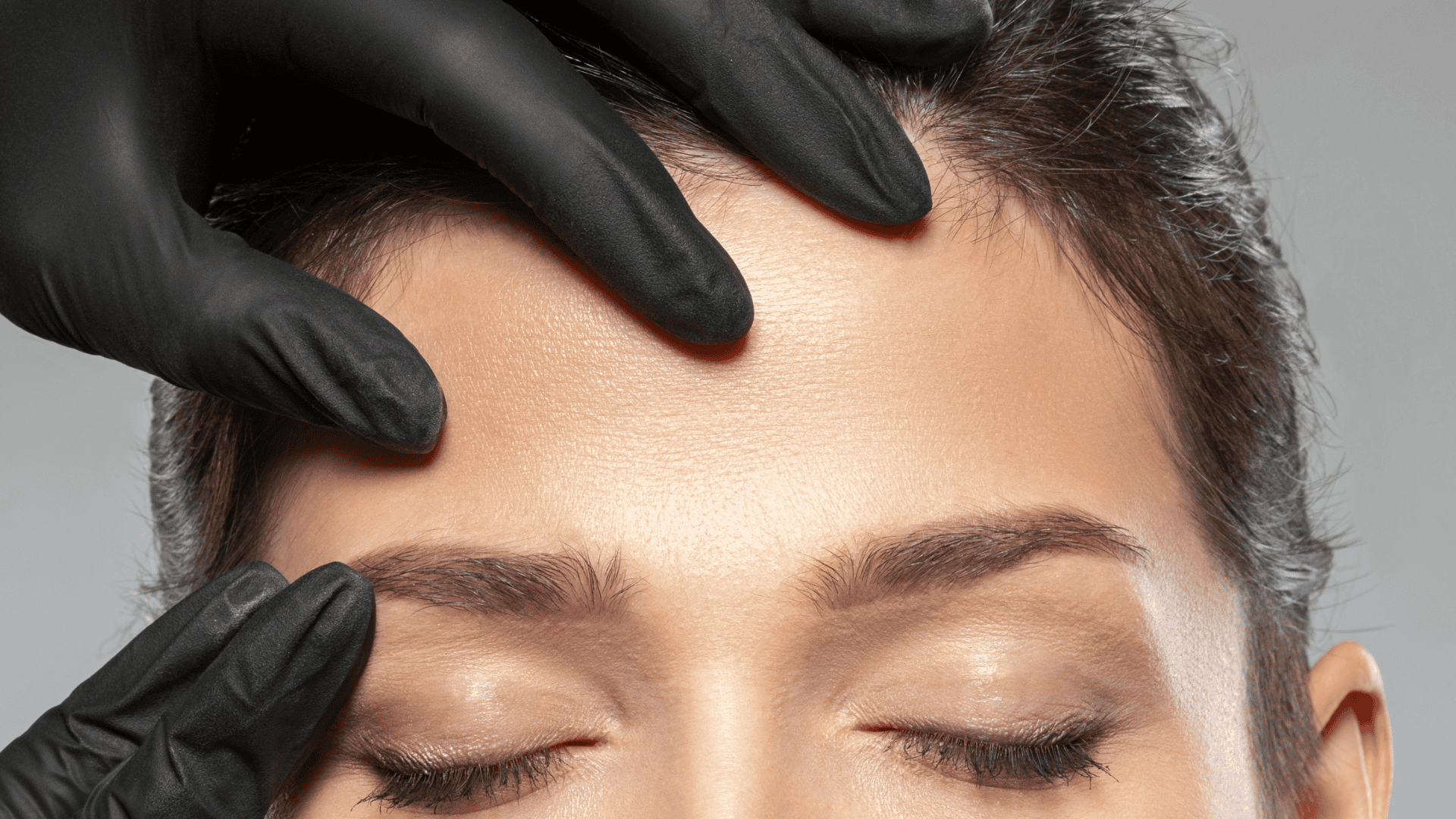
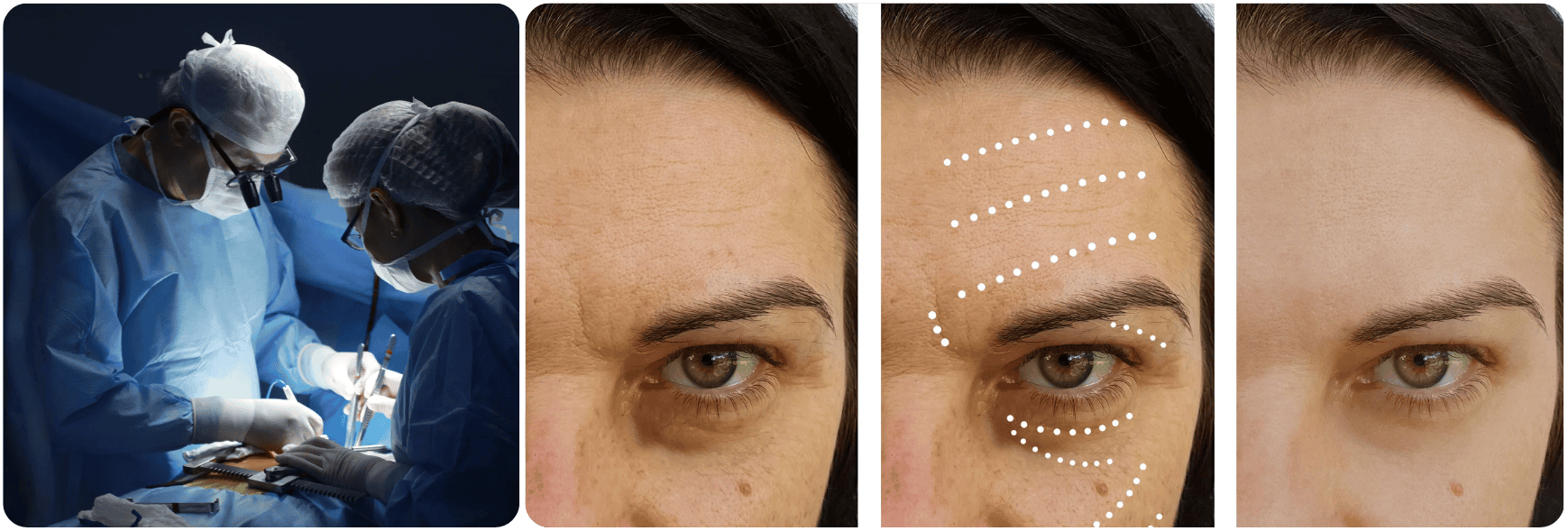
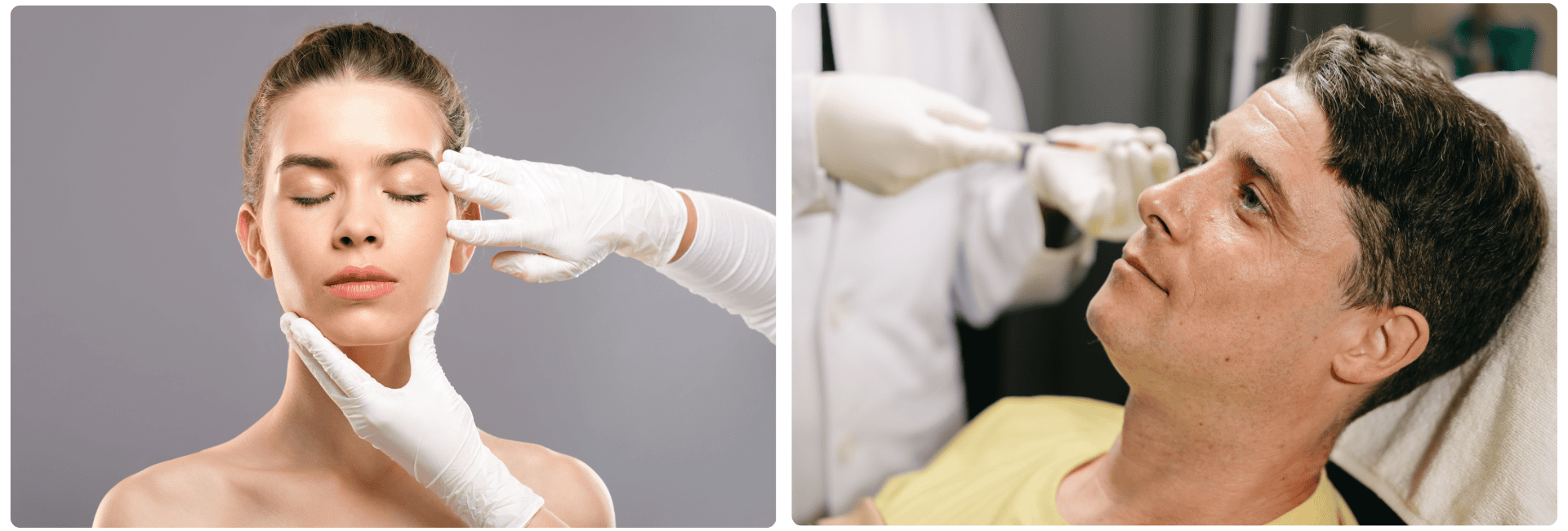
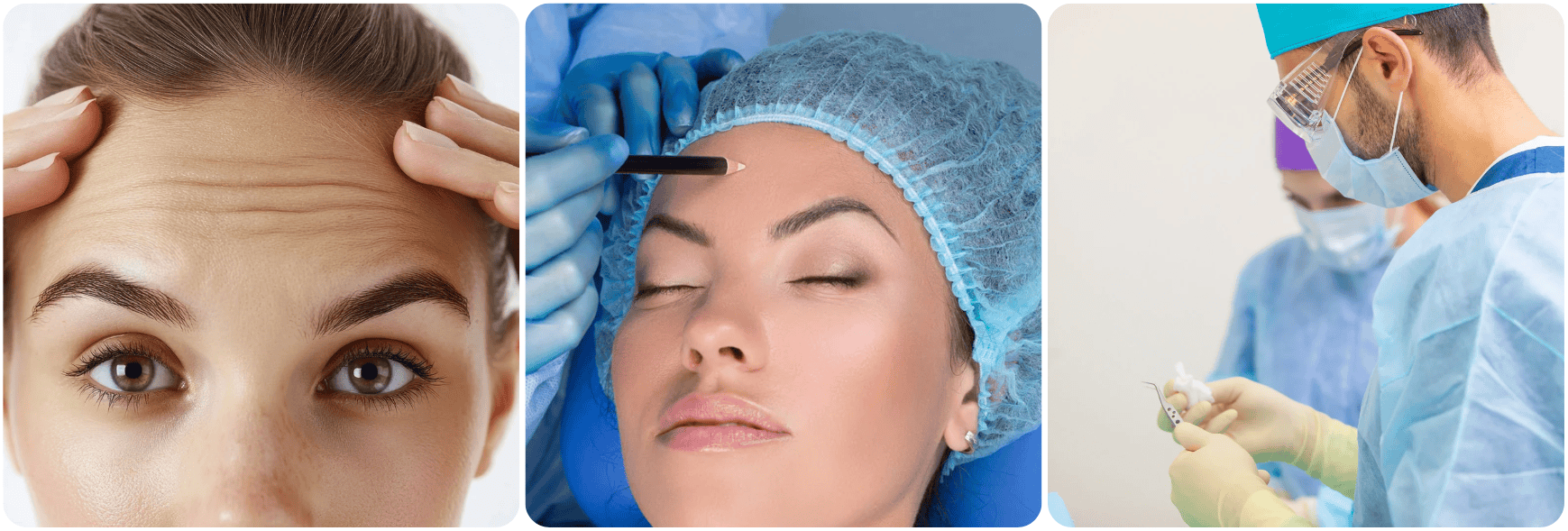
A forehead lift, also known as a brow lift, is a surgical procedure designed to elevate the skin of the forehead and brow area, creating a more youthful and rejuvenated appearance. This procedure is often sought by individuals experiencing sagging skin, deep wrinkles, or a tired look, and it can significantly enhance facial aesthetics by lifting the brow and smoothing out forehead lines.
During the procedure, the surgeon typically makes small incisions along the hairline or just above the eyebrows. Depending on the technique used, the underlying forehead muscles may be tightened, and excess skin may be removed to reposition the eyebrows to a higher, more youthful position. In some cases, an endoscopic technique is utilized, where a small camera and specialized instruments are employed to perform the procedure with minimal incisions.
A forehead lift, also known as a brow lift, is a surgical procedure designed to elevate the skin of the forehead and brow area, creating a more youthful and rejuvenated appearance.
Recovery after a forehead lift varies, but patients can generally return to their daily activities within a few weeks. Some swelling, bruising, and discomfort may occur, which is normal and subsides gradually. The results of the surgery are often long-lasting, and many patients report improved self-esteem and satisfaction with their appearance following the procedure.
It is essential to have a thorough consultation with an experienced plastic surgeon to discuss expectations, potential risks, and desired outcomes of the surgery. This discussion helps to develop a personalized treatment plan tailored to the specific needs and desires of the patient.
A forehead lift, often referred to as a brow lift, is a popular cosmetic procedure designed to smooth out wrinkles, lift sagging brows, and rejuvenate the upper third of the face. As we age, the forehead skin loses its elasticity, causing deep forehead lines, furrows, and drooping brows, which can make individuals look older, tired, or even angry.
A forehead lift addresses these issues by lifting the brow and smoothing the skin on the forehead. Many people choose this procedure because it offers a more youthful and refreshed appearance, reducing the signs of aging in the upper face. Unlike other facial surgeries, the forehead lift specifically targets the forehead and brow area, which is often the first region to show visible signs of aging.
A forehead lift, often referred to as a brow lift, is a popular cosmetic procedure designed to smooth out wrinkles, lift sagging brows, and rejuvenate the upper third of the face.
A significant advantage of this surgery is that it restores a more relaxed and naturally youthful expression without the need for a full facelift. The procedure also provides a more harmonious balance to the face by elevating the eyebrows, reducing heavy eyelids, and minimizing crow’s feet around the eyes. Overall, a forehead lift can have a dramatic impact on one’s facial appearance, improving self-confidence and offering long-lasting results.
Like any surgery, a forehead lift carries some risks, although complications are rare when performed by a skilled surgeon. Common issues include temporary numbness or tingling, swelling, bruising, or minor asymmetry in the brow position. In very rare cases, patients may experience infection or poor scarring.
👉 Minor swelling that typically resolves in days
👉 Temporary numbness in the forehead
👉 Slight asymmetry that may improve over time
👉 Bruising that fades within two weeks
👉 Rare infections requiring treatment
👉 Scarring that usually becomes inconspicuous
Understanding potential risks helps patients make informed decisions about their forehead lift procedure.
A forehead lift is suitable for adults experiencing signs of aging in the upper face, particularly those with sagging brows, deep frown lines, or heavy eyelids. The procedure is generally recommended for individuals in good overall health, without serious medical conditions that could impair healing. Non-smokers typically have faster recovery and better outcomes.
Candidates often have realistic expectations about the results, understanding that a forehead lift improves facial aesthetics without altering overall facial identity. Those who combine this surgery with eyelid procedures or other facial rejuvenation may achieve even more harmonious results.
A forehead lift is typically performed under general anesthesia or local anesthesia with sedation, depending on the patient’s preferences and the complexity of the procedure. The surgery begins with small incisions made along the hairline or within natural folds of the forehead to minimize visible scarring. In some cases, a minimally invasive technique known as the endoscopic forehead lift may be used, which involves smaller incisions and the use of a tiny camera to guide the surgeon in lifting and repositioning the skin and underlying muscles.
A forehead lift is typically performed under general anesthesia or local anesthesia with sedation, depending on the patient’s preferences and the complexity of the procedure.
Through these incisions, the surgeon will lift and reposition the brow to a higher position, smooth out the forehead skin, and tighten the muscles. This can reduce the appearance of deep lines and wrinkles, resulting in a smoother and more youthful forehead. The surgeon may also remove any excess skin if necessary to achieve the desired look. Once the brow is lifted, the incisions are carefully closed with sutures.
The procedure typically takes about 1 to 2 hours, and most patients are able to return home the same day. Swelling and bruising are common post-surgery but usually subside within a couple of weeks. Most patients can return to normal activities within 7 to 10 days, with full recovery taking around 2 to 3 weeks.
Pain management is an important consideration for anyone undergoing a forehead lift. Most patients experience mild to moderate discomfort in the first few days after surgery. Prescribed pain medications help manage soreness, while cold compresses can reduce swelling.
Patients are encouraged to avoid strenuous activity and keep the head elevated. Following the surgeon’s guidance regarding pain management promotes a more comfortable recovery. Over-the-counter medication may also be recommended for ongoing relief as swelling subsides.
The cost of a forehead lift varies depending on several factors, including the surgeon’s experience, the technique used, and geographic location. Additional expenses may include anesthesia, facility fees, and post-operative care. Patients may also choose to combine the procedure with other cosmetic surgeries, which can affect the total cost. While price is a consideration, it is essential to prioritize experience and safety over cost alone. Investing in a skilled surgeon ensures optimal outcomes and long-lasting results from a forehead lift.
Many patients choose to combine a forehead lift with other facial procedures to achieve a more balanced and youthful appearance. Combining treatments can enhance results and address multiple aging concerns in a single recovery period.
👉 Upper eyelid surgery (blepharoplasty) to reduce droopy eyelids
👉 Facelift for overall facial rejuvenation
👉 Botox or fillers to smooth additional wrinkles
👉 Skin resurfacing for a more even texture
👉 Chin or cheek enhancements to improve facial harmony
This combined approach can produce more comprehensive results and streamline recovery time.
While often associated with middle-aged patients, a forehead lift can benefit a wide range of ages. Younger adults may seek surgery to correct congenital brow asymmetry or early sagging, while older adults focus on reversing visible aging signs. The technique and recovery can be adjusted based on the patient’s age and skin elasticity.
Younger patients usually experience faster recovery, while older patients may require additional care due to thinner skin or slower healing. Age-specific approaches ensure a natural result tailored to the individual’s facial structure and aesthetic goals.
The primary benefit of a forehead lift is the dramatic improvement in the appearance of the upper face. By lifting the brows and smoothing out the forehead, this procedure can eliminate deep lines, frown lines, and wrinkles, providing a more youthful and refreshed look. It also restores a more natural, relaxed expression by lifting the brows and opening up the eyes, which can make individuals appear less tired or stressed.
The primary benefit of a forehead lift is the dramatic improvement in the appearance of the upper face.
One of the key advantages of a forehead lift is that it targets a specific area of the face, offering significant improvements with minimal scarring. For many people, this procedure is less invasive and involves a shorter recovery time than a full facelift, making it a great option for those seeking rejuvenation in the upper face. Another benefit is that the results are long-lasting, with many patients enjoying the rejuvenated appearance for several years. In addition to improving aesthetic appearance, a forehead lift can also help with functional benefits, such as lifting heavy eyelids and improving vision.
The procedure can often be combined with other cosmetic treatments, such as eyelid surgery or facelifts, for even more dramatic results. Overall, a forehead lift offers a safe, effective way to address aging concerns in the forehead and brow area, resulting in a smoother, more youthful, and revitalized appearance.
There are several techniques for a forehead lift, each offering different benefits depending on the patient’s needs and the surgeon’s expertise. Some common methods include coronal, endoscopic, and trichophytic techniques, each designed to minimize scarring while achieving effective brow elevation.
Surgeons often choose the technique based on hairline position, forehead height, and the degree of skin laxity. An endoscopic forehead lift uses small incisions and a camera to lift the brow with minimal invasiveness, which can reduce recovery time. The coronal technique may require a longer incision across the scalp but is ideal for patients with significant sagging. Meanwhile, the trichophytic method hides incisions within the hairline for a more natural finish. Understanding these options helps patients make an informed decision about their forehead lift procedure.
Proper preparation is crucial to ensure a safe and effective forehead lift. Surgeons typically advise avoiding certain medications, such as blood thinners, to reduce the risk of excessive bleeding during surgery. Smoking should be stopped several weeks before the procedure, as nicotine can slow down healing.
Patients are also encouraged to follow a healthy diet and stay hydrated to support recovery. During the preoperative consultation, surgeons may take photographs and discuss desired brow position and aesthetic goals. Following all pre-surgery instructions can significantly improve both safety and outcomes. Being well-prepared allows for smoother surgery and a faster recovery process.
Recovering after a forehead lift involves careful attention to your body and incision sites. Patients are usually advised to keep their head elevated for several days to minimize swelling. Cold compresses can reduce bruising, and gentle movements help prevent stiffness. Sutures are generally removed within a week to ten days.
👉 Follow post-operative care instructions precisely
👉 Avoid strenuous activity for at least two weeks
👉 Refrain from smoking or alcohol consumption
👉 Protect incisions from direct sunlight
👉 Use prescribed medications to reduce pain and inflammation
👉 Attend all follow-up appointments
Following these steps improves healing and ensures the best long-term results from your forehead lift.
For patients seeking subtle changes or who are hesitant about surgery, there are non-surgical options that can provide temporary improvement in the forehead and brow area. These treatments are less invasive but do not produce the same dramatic results as a forehead lift.
👉 Botox injections to relax forehead muscles and reduce lines
👉 Dermal fillers to add volume and smooth furrows
👉 Thread lifts that lift the brow using absorbable threads
👉 Laser resurfacing to improve skin texture and fine lines
👉 Radiofrequency treatments to tighten skin
👉 Topical skincare for hydration and elasticity improvement
These alternatives may serve as temporary or complementary solutions for brow rejuvenation.
Maintaining the results of a forehead lift involves ongoing care and lifestyle adjustments. Protecting the skin from sun exposure, avoiding excessive facial movements, and keeping a healthy lifestyle all contribute to longer-lasting outcomes. Regular follow-ups with the surgeon can catch any minor issues early and ensure the brows remain well-positioned. A balanced skincare routine, including moisturizers and gentle exfoliation, helps maintain smooth forehead skin. Avoiding habits that strain the forehead muscles can also preserve the lift.
Patients concerned about scarring should discuss hairline placement with their surgeon. Certain techniques allow the incision to be hidden within the hairline, which is particularly important for those with high foreheads or receding hairlines.
Adjusting incision placement can result in a more natural appearance and less noticeable scarring. Surgeons may also recommend trimming or repositioning small sections of hair to camouflage the incision. Hairline-conscious approaches ensure that a forehead lift enhances the brow area without compromising aesthetics.
Different skin types can influence the approach and outcomes of a forehead lift. Patients with thicker skin may experience more tension during brow elevation, while those with thinner skin may notice more visible contours after surgery. Surgeons may tailor incision techniques and lifting methods based on skin elasticity and texture. Understanding your skin type helps in setting realistic expectations and achieving optimal results. Proper pre- and post-operative care, including moisturization and sun protection, is critical for all skin types undergoing a forehead lift.
During your consultation, you will discuss your wishes, medical history, and expectations with the doctor. The doctor will examine you, take measurements if necessary, and explain which treatment suits you best, including risks and recovery. You will have the opportunity to ask questions and then receive a clear treatment proposal.
Make sure you have all relevant medical information ready, such as previous treatments, allergies, or medical conditions. This allows the doctor to give you better advice.
Payment is made securely via SurgeryBooking. You pay the amount in advance to SurgeryBooking. We hold the funds and transfer them to the clinic after your treatment. Cancellation or change conditions vary per clinic and are clearly communicated in advance.
During the consultation (online or at the clinic), the doctor will assess this based on your health, expectations, and physical characteristics. You will discuss what you want, what is possible, and what the limitations are. Sometimes there are alternatives if the chosen treatment is not ideal.
Through SurgeryBooking.com, you can quickly and easily book a consultation or procedure with doctors and clinics worldwide. SurgeryBooking.com provides an overview of doctors and clinics, allowing you to make an informed and transparent choice when booking a consultation or procedure.
You can easily book through the profile of the desired clinic or doctor. Select the desired treatment, enter your details, and choose an available date and time. If there are any costs involved, you will complete the payment first. Afterwards, you will receive a confirmation email with all the details.
Yes, during the booking process, you can indicate whether you prefer an online consultation or an in-person consultation at the clinic.
With SurgeryBooking.com, you gain access to a global network of doctors and clinics. Through SurgeryBooking.com, you can easily book a consultation or a cosmetic procedure directly. Clinic profiles provide information about available cosmetic procedures, reviews, photos of the clinic, and other relevant details. This enables you to compare costs and make an informed decision when booking a consultation or procedure.