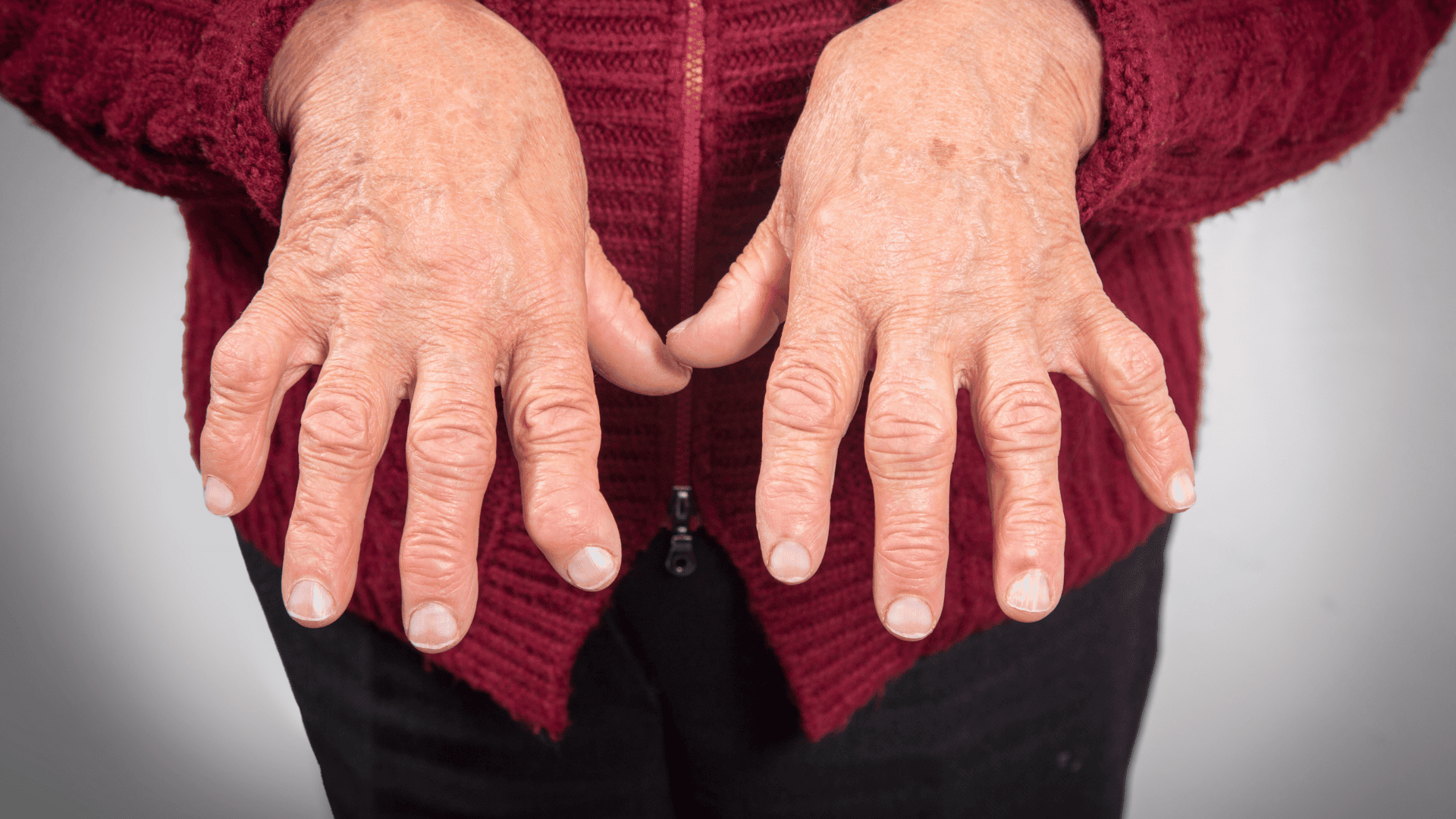
Finger straightening surgery is a surgical procedure performed to correct deformities or misalignments in one or more fingers. This type of surgery may be necessary for various reasons, such as an injury that has resulted in a broken or dislocated finger, conditions like arthritis that cause joint stiffness, or diseases such as Dupuytren’s contracture, where the tissue in the palm thickens and pulls the fingers into a bent position. The primary aim of this procedure is to restore the normal function and appearance of the hand, improve range of motion, reduce pain, and prevent further complications related to the finger’s abnormal position.
The surgery can vary in complexity depending on the underlying cause of the deformity. For example, if the issue is related to a bone problem, such as a fracture that has healed incorrectly, the surgeon may need to re-break the bone and reposition it. In other cases, problems with the tendons, ligaments, or muscles that control finger movement may need to be addressed. Dupuytren’s contracture, which commonly affects the ring and pinky fingers, often requires removing or releasing the thickened tissue to allow the fingers to straighten. In some cases, pins, screws, or plates may be used to hold the finger in the correct position while it heals.
The surgery can be performed under local or general anesthesia, depending on the severity of the condition and the patient’s preference. The procedure itself typically involves small incisions around the affected finger or fingers. Through these incisions, the surgeon works to realign the bones, release any tight tendons or scar tissue, and repair damaged ligaments if necessary. The exact approach depends on the type of deformity and the structures involved.
Following the surgery, there is usually a period of recovery and rehabilitation. This can include wearing a splint or brace to keep the finger in the proper position during healing, as well as physical therapy to restore movement, strength, and coordination. Hand exercises play a crucial role in the recovery process, as they help prevent stiffness and improve the flexibility of the finger. Massage and scar management techniques may also be recommended to minimize scar tissue formation and improve overall hand function.
The length of recovery depends on the complexity of the surgery and the individual’s healing process. In some cases, the patient may regain full function within a few weeks, while others may require several months of therapy to achieve the best results. It is important to follow post-operative care instructions closely to ensure proper healing and to prevent complications.
Like any surgery, finger straightening procedures come with potential risks, such as infection, stiffness, or incomplete recovery of movement. In some cases, there may be a need for additional surgeries or long-term therapy to fully restore the finger’s function. The outcome of the surgery also depends on factors such as the patient’s age, overall health, and the severity of the original deformity.
Despite these potential challenges, finger straightening surgery is generally successful in significantly improving hand function and reducing pain. It allows patients to regain the use of their hand for daily activities, which can greatly enhance their quality of life. The decision to undergo this surgery is typically made after careful evaluation by a hand specialist, who will assess the condition of the finger and recommend the best treatment option based on the individual’s needs.
Finger straightening surgery is often the preferred solution for individuals experiencing limited mobility, discomfort, or deformity in their fingers due to conditions such as Dupuytren's contracture, arthritis, or injury. This type of surgery is chosen when conservative treatments, such as physical therapy or splints, have not provided sufficient relief, and the fingers remain bent or locked in a position that hinders daily activities. For many people, finger deformities can cause pain and affect their ability to perform everyday tasks, such as gripping objects, typing, or even personal care routines. Finger straightening surgery aims to restore function, improve hand dexterity, and alleviate discomfort by addressing the root cause of the problem—whether it’s tightening of the tissue, joint stiffness, or tendon issues. Patients often choose this surgery to enhance their quality of life, regain independence, and prevent further complications that can arise from untreated finger contractures. By opting for surgery, many individuals are able to achieve a significant improvement in their hand function and overall comfort.
Finger straightening surgery is typically performed by a specialized hand surgeon and the approach taken depends on the underlying condition causing the finger contracture or deformity. If the surgery is to treat Dupuytren's contracture, for example, the procedure involves making small incisions in the palm and finger to remove or release the thickened bands of tissue that are pulling the finger into a bent position. This releases the tension and allows the finger to be straightened. In cases where joint stiffness or arthritis is the cause of the bent finger, the surgeon may need to address the joint directly, which could involve removing damaged joint surfaces or performing joint fusion to stabilize and straighten the finger.
The surgery is usually performed under regional or general anesthesia, ensuring that the patient feels no pain during the procedure. The operation can take one to two hours, depending on the complexity and number of fingers being treated. After the surgery, the finger is typically placed in a splint or cast to hold it in a straight position while it heals. Physical therapy is often recommended after the initial healing phase to help improve flexibility, strength, and movement in the finger. Recovery times can vary, but most patients begin to see significant improvements in finger mobility within a few weeks, with full recovery often taking a few months.
The primary benefit of finger straightening surgery is the restoration of hand function. Individuals who undergo this surgery often regain the ability to straighten their fingers, which greatly enhances their ability to perform everyday tasks and improves their overall quality of life. For people who have been living with pain or discomfort due to bent or locked fingers, the surgery can provide long-lasting relief, as it directly addresses the physical cause of the problem, whether that is damaged tissue, a tightened tendon, or joint degeneration.
Another key benefit of finger straightening surgery is the prevention of further complications. Left untreated, conditions such as Dupuytren's contracture can worsen over time, causing more fingers to become affected or leading to permanent loss of function. By intervening with surgery, patients can prevent the progression of the condition and protect their hand function. Additionally, the surgery can improve the appearance of the hand, as many patients feel self-conscious about visible deformities or bent fingers.
Post-surgery, the improvement in finger alignment often results in reduced pain, increased flexibility, and a better range of motion, allowing patients to return to normal activities, including hobbies and work that require fine motor skills. With proper post-operative care and physical therapy, the results of finger straightening surgery are typically long-lasting, making it a valuable solution for individuals struggling with finger deformities or contractures.
During your consultation, you will discuss your wishes, medical history, and expectations with the doctor. The doctor will examine you, take measurements if necessary, and explain which treatment suits you best, including risks and recovery. You will have the opportunity to ask questions and then receive a clear treatment proposal.
Make sure you have all relevant medical information ready, such as previous treatments, allergies, or medical conditions. This allows the doctor to give you better advice.
Payment is made securely via SurgeryBooking. You pay the amount in advance to SurgeryBooking. We hold the funds and transfer them to the clinic after your treatment. Cancellation or change conditions vary per clinic and are clearly communicated in advance.
During the consultation (online or at the clinic), the doctor will assess this based on your health, expectations, and physical characteristics. You will discuss what you want, what is possible, and what the limitations are. Sometimes there are alternatives if the chosen treatment is not ideal.
Through SurgeryBooking.com, you can quickly and easily book a consultation or procedure with doctors and clinics worldwide. SurgeryBooking.com provides an overview of doctors and clinics, allowing you to make an informed and transparent choice when booking a consultation or procedure.
You can easily book through the profile of the desired clinic or doctor. Select the desired treatment, enter your details, and choose an available date and time. If there are any costs involved, you will complete the payment first. Afterwards, you will receive a confirmation email with all the details.
Yes, during the booking process, you can indicate whether you prefer an online consultation or an in-person consultation at the clinic.
With SurgeryBooking.com, you gain access to a global network of doctors and clinics. Through SurgeryBooking.com, you can easily book a consultation or a cosmetic procedure directly. Clinic profiles provide information about available cosmetic procedures, reviews, photos of the clinic, and other relevant details. This enables you to compare costs and make an informed decision when booking a consultation or procedure.