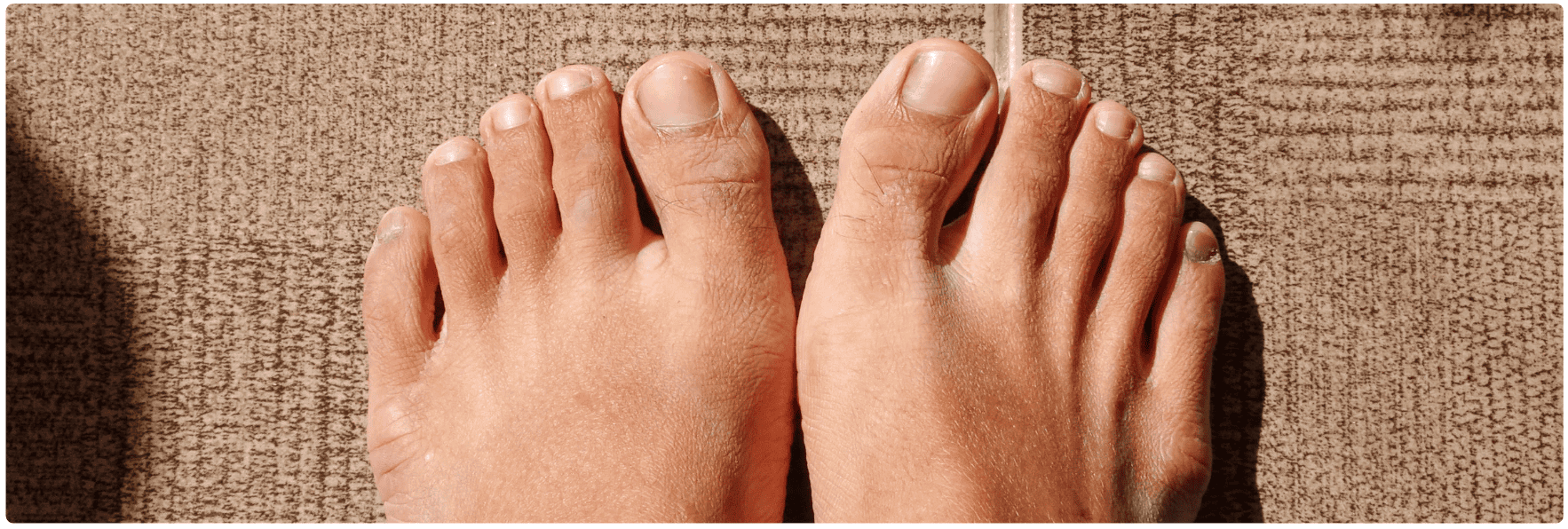
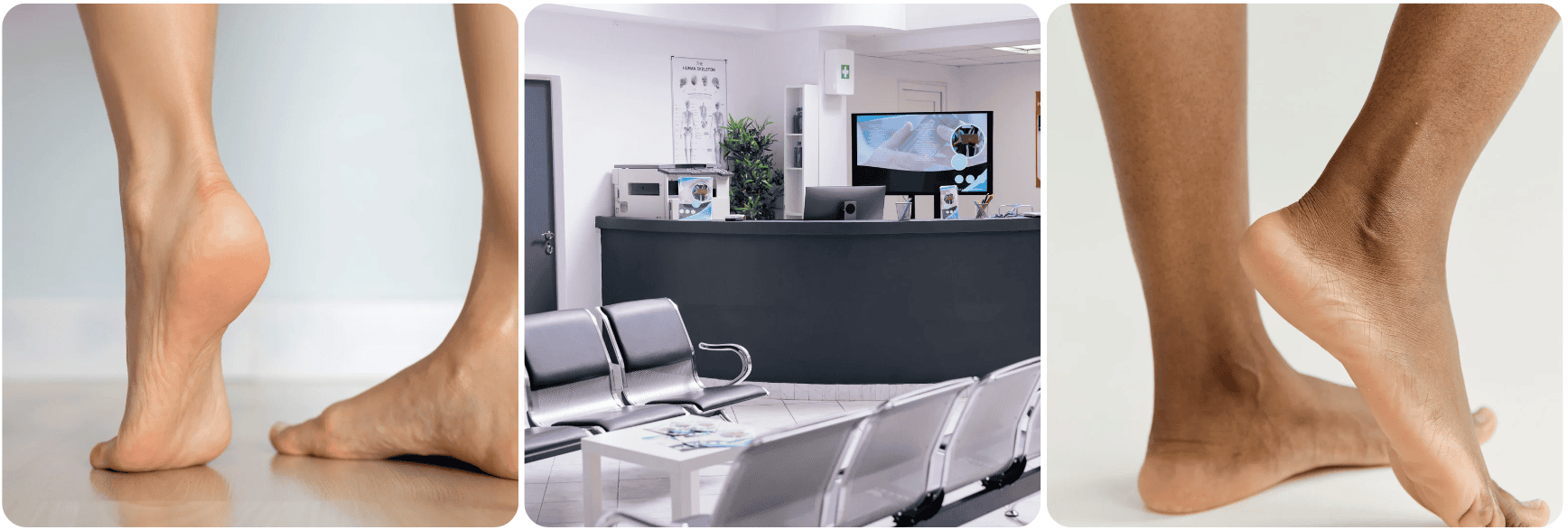
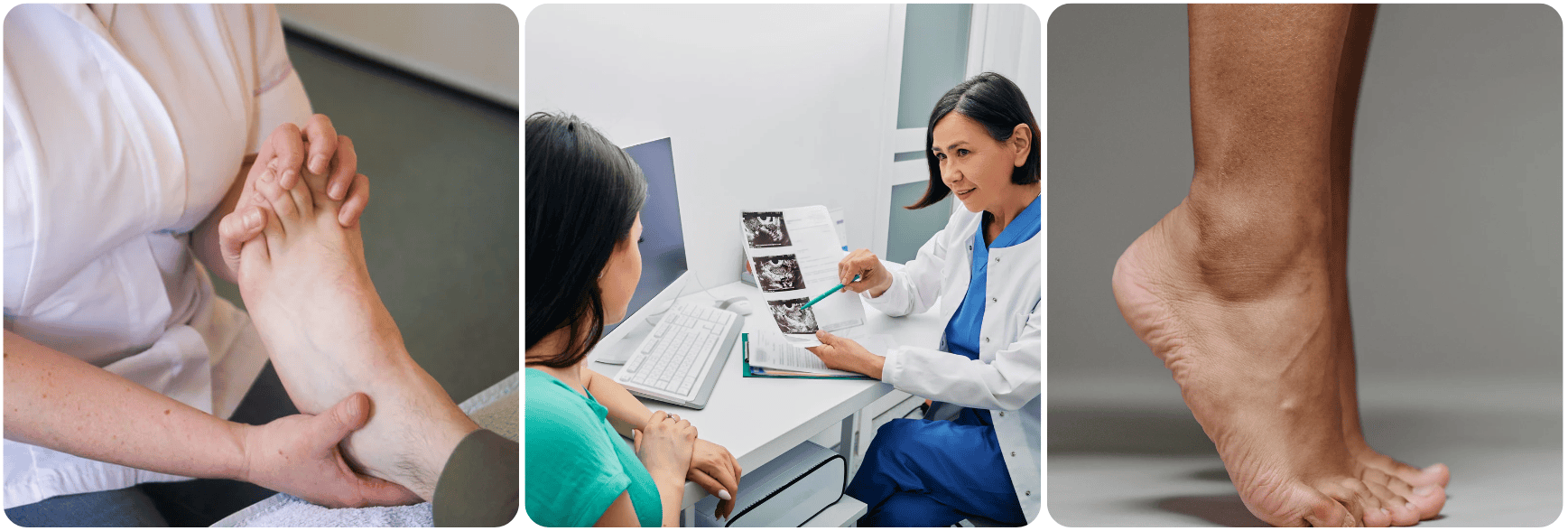
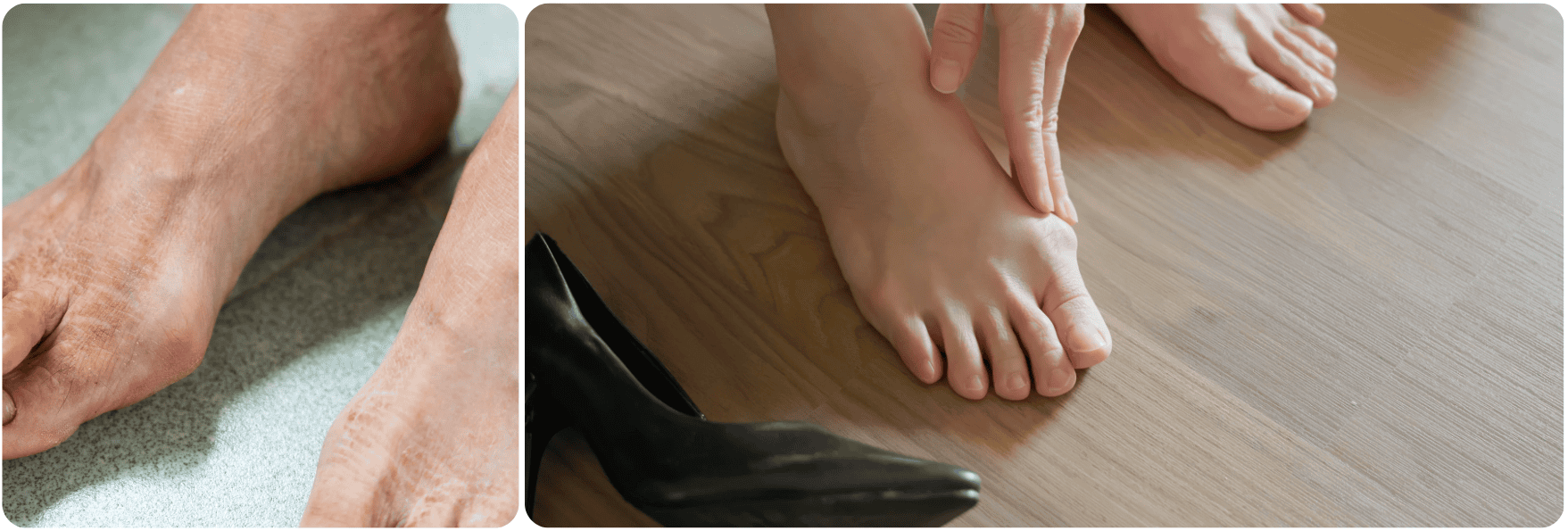
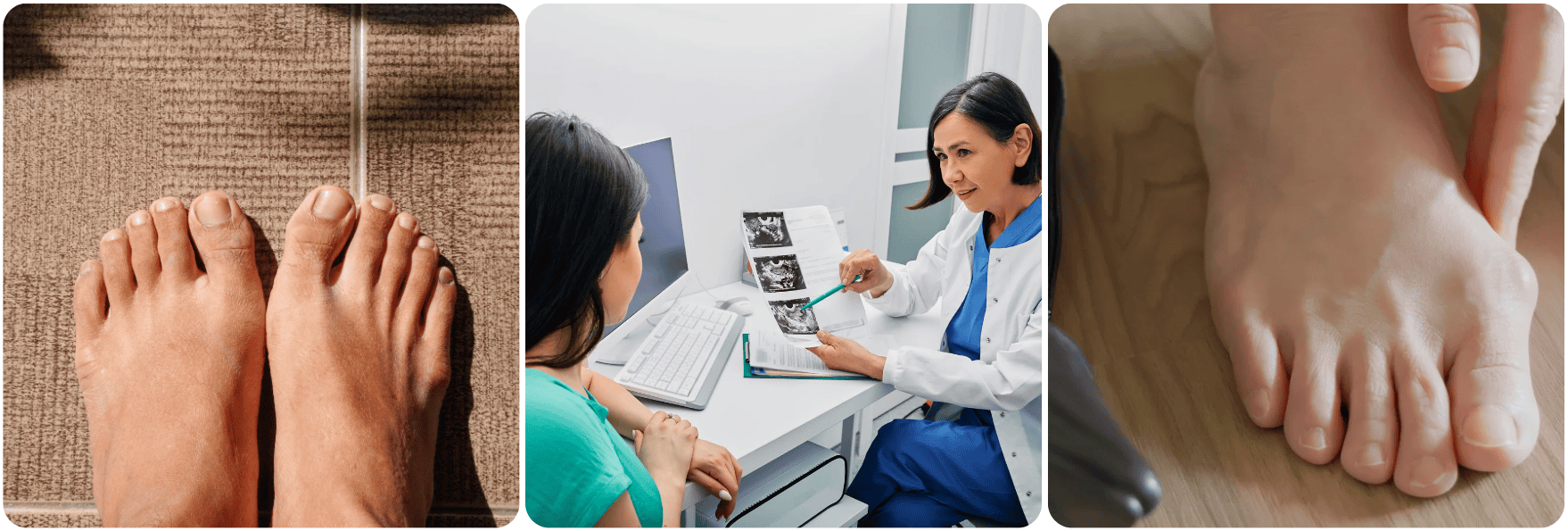
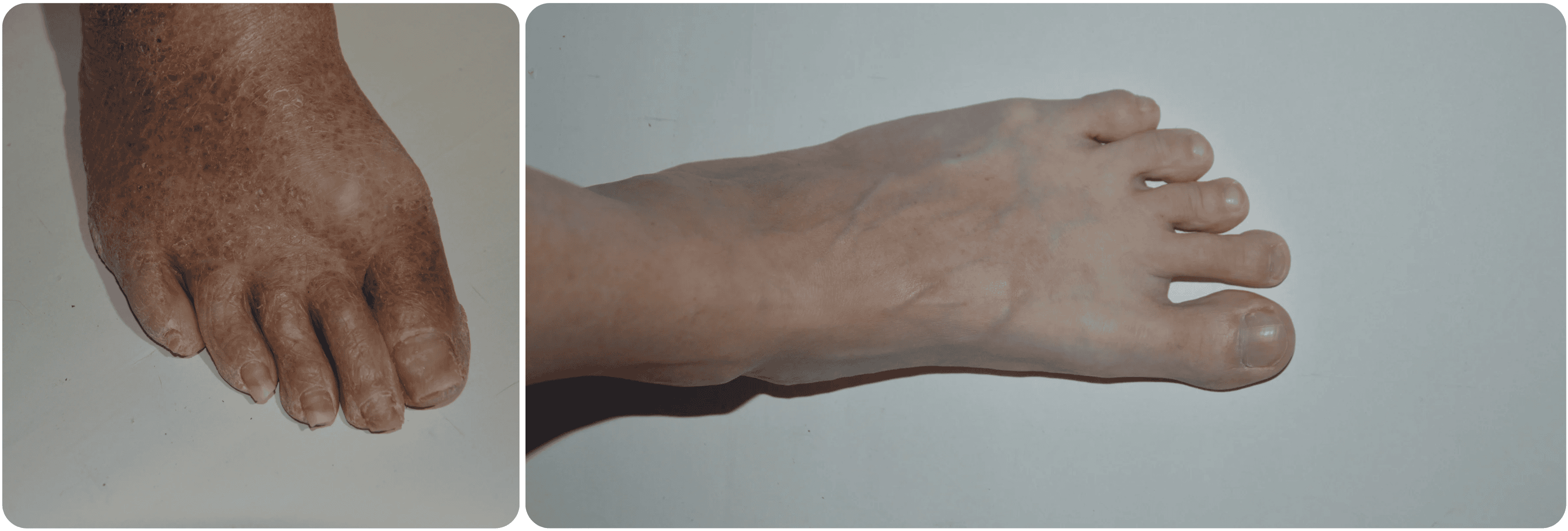
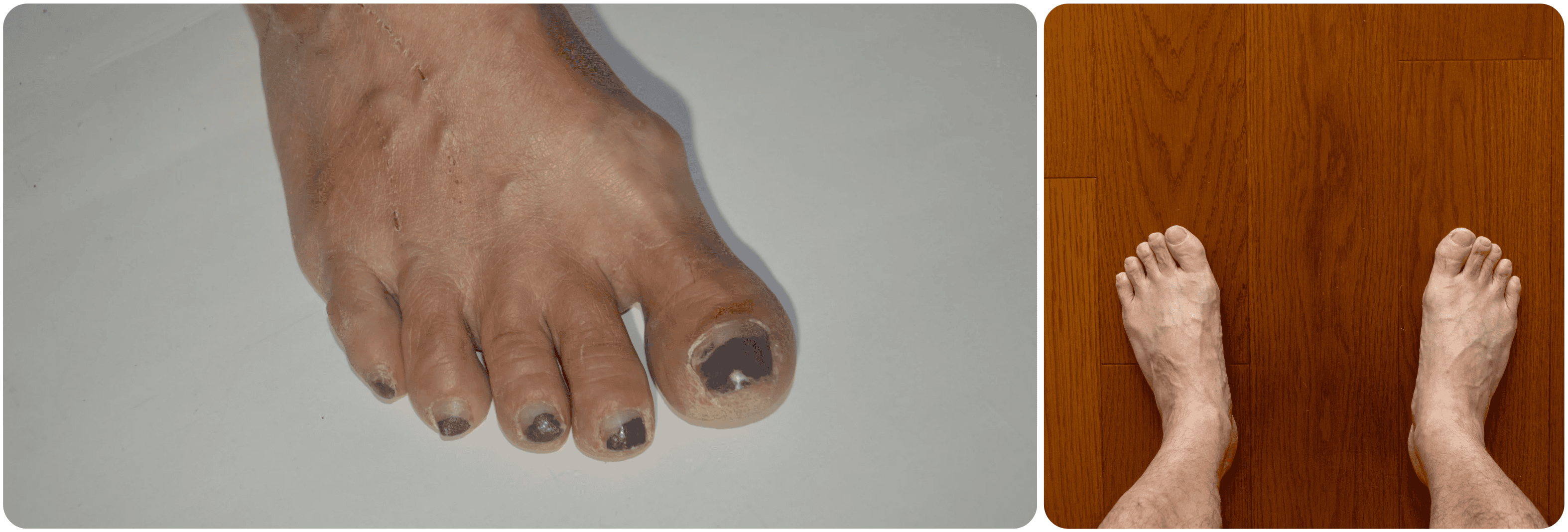
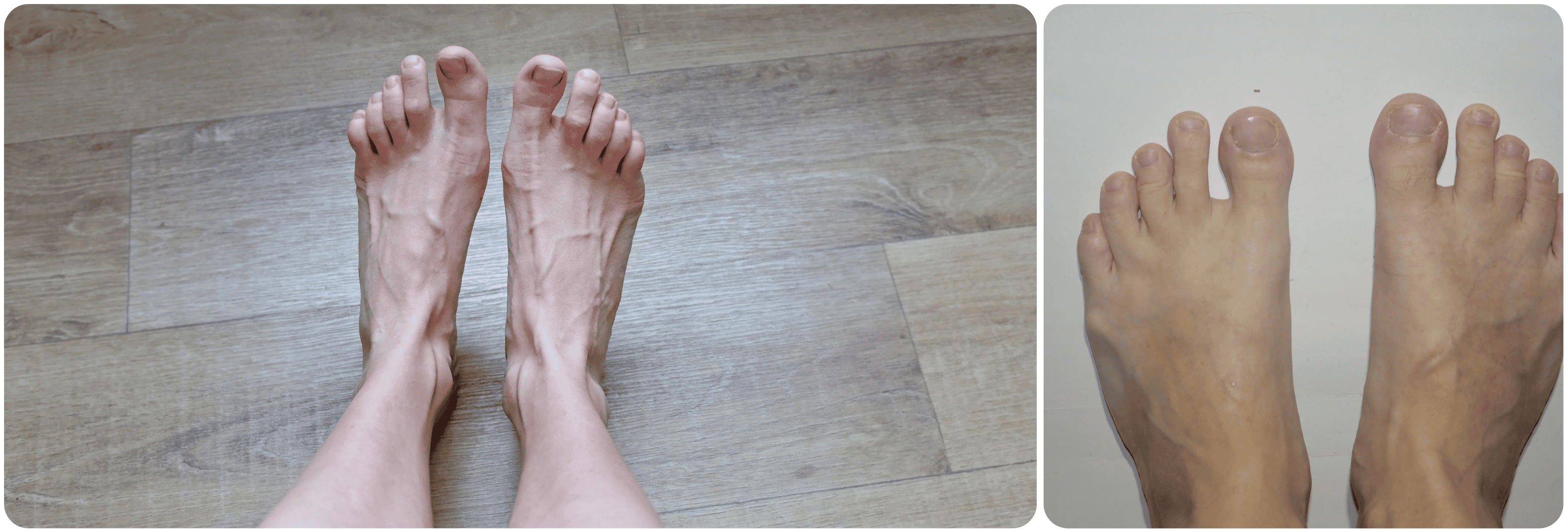
Fat pad augmentation in the feet refers to the procedure aimed at restoring or enhancing the natural cushioning provided by the fat pads located beneath the heel and the balls of the feet. These fat pads serve as crucial shock absorbers, providing comfort and support during activities such as walking, running, and standing.
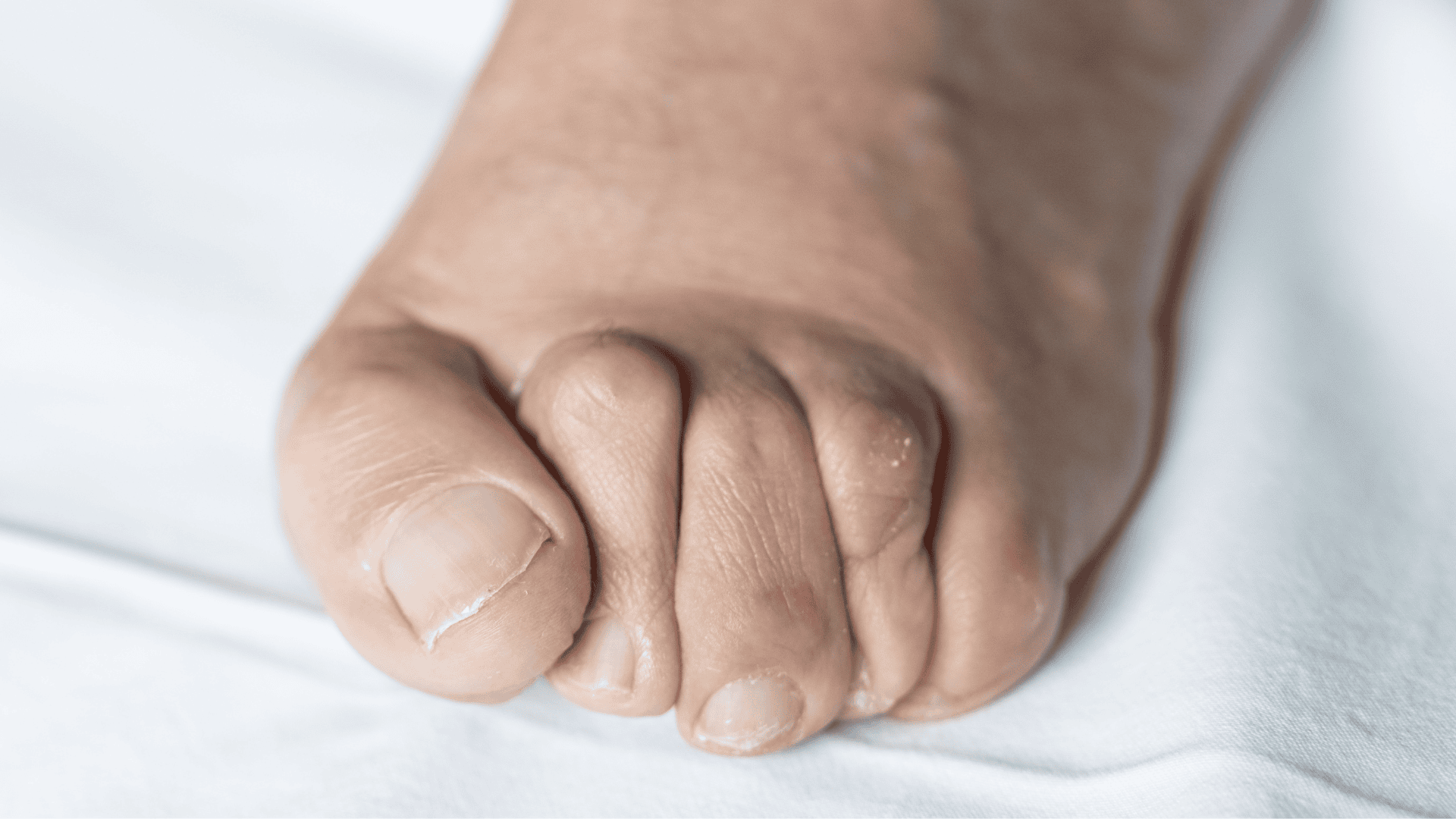
As individuals age or due to factors such as weight gain, injury, or certain medical conditions, these fat pads can become thinner or may shift from their original position. This can lead to reduced cushioning, increasing the risk of foot pain and discomfort. Common issues resulting from this thinning can include plantar fasciitis, metatarsalgia, and general foot fatigue.
Fat pad augmentation in the feet refers to the procedure aimed at restoring or enhancing the natural cushioning provided by the fat pads located beneath the heel and the balls of the feet.
Fat pad augmentation can be performed through various methods. One common approach involves injecting fat into the affected areas, a process known as lipofilling. This technique uses the patient's own body fat, which is harvested from another area and then injected into the feet to restore volume and cushioning. This not only alleviates pain but also improves overall foot functionality.
In addition to surgical options, non-surgical interventions are available. Custom orthotics, for example, can redistribute pressure across the foot and provide additional support to the fat pads. Foot exercises and physical therapy can also play a vital role in strengthening the foot muscles, enhancing stability, and improving overall foot health.
Understanding fat pad augmentation is essential for both preventive and therapeutic purposes, particularly for those who are active or experiencing discomfort. Paying attention to foot structure and addressing any changes in comfort or function early on can help prevent further complications and maintain a better quality of life.
Fat pad augmentation is a procedure sought by individuals who experience discomfort or pain in the feet due to the thinning or loss of fat pads, particularly in the ball of the foot or heel. Over time, the natural cushioning of the feet can diminish, either due to aging, excessive pressure from walking or standing for long periods, or wearing high heels or ill-fitting shoes.
Fat pad augmentation is a procedure sought by individuals who experience discomfort or pain in the feet due to the thinning or loss of fat pads, particularly in the ball of the foot or heel.
This can lead to pain, tenderness, and a decrease in overall foot comfort, making everyday activities like walking or running challenging. People who suffer from conditions such as metatarsalgia, which is pain in the ball of the foot, may also find fat pad augmentation beneficial. The procedure involves injecting or grafting fat into the areas of the feet where the natural padding has worn away.
Not only does this enhance comfort and reduce foot pain, but it can also improve the appearance of the feet, providing a fuller, more youthful look. For individuals who have been struggling with foot pain or discomfort, fat pad augmentation can offer long-lasting relief and a significant improvement in both functionality and aesthetics.
Many patients have questions about Fat Pad Augmentation (Feet), ranging from safety to expected results. One common concern is whether the procedure is painful. Most individuals experience only minor discomfort due to local anesthesia or mild soreness afterward. Recovery timelines are also frequently discussed, with most patients returning to routine activities within a week or two.
Other questions often focus on durability, risks, and aesthetic outcomes. Understanding these aspects can help patients make informed decisions.
👉 Is the procedure permanent or temporary?
👉 How long does recovery usually take?
👉 Are there risks of infection or complications?
👉 Will the procedure improve foot aesthetics as well as comfort?
Having clear answers to these FAQs can ease patient anxiety and ensure realistic expectations for Fat Pad Augmentation (Feet).
Like any medical procedure, Fat Pad Augmentation (Feet) carries potential risks and side effects, although these are typically mild. Swelling, bruising, and temporary tenderness at the injection site are common and usually resolve within a few days. Rare complications may include infection, uneven fat distribution, or temporary numbness.
It’s important to follow post-procedure instructions carefully to minimize risk. Patients should report any unusual symptoms, such as excessive pain, redness, or persistent swelling, to a healthcare professional promptly.
👉 Mild swelling and bruising
👉 Temporary tenderness or discomfort
👉 Slight risk of uneven fat distribution
👉 Rare chance of infection
Proper preparation and aftercare significantly reduce the likelihood of complications from Fat Pad Augmentation (Feet).
Fat pad augmentation for the feet is typically performed as an outpatient procedure, usually under local anesthesia, ensuring the patient remains comfortable throughout the treatment. The first step involves assessing the areas of the foot that require augmentation, such as the ball of the foot or the heel.
Depending on the technique, fat can either be harvested from the patient’s own body, often from the abdomen or thighs, or it can be a synthetic injectable filler. The fat or filler is carefully injected into the areas where the fat padding has decreased, with precision to ensure even distribution and natural contouring. In some cases, the procedure may involve grafting a small amount of fat, where the tissue is carefully placed in the desired location and secured. After the procedure, patients can generally resume normal activities with minimal downtime, although it’s important to avoid excessive pressure or activity on the feet during the initial recovery period.
Fat pad augmentation for the feet is typically performed as an outpatient procedure, usually under local anesthesia, ensuring the patient remains comfortable throughout the treatment.
Post-procedure, some swelling or bruising may occur, but this typically resolves within a few days. Fat pad augmentation for the feet is a minimally invasive, highly effective treatment that can significantly improve both the comfort and aesthetic appearance of the feet.
Understanding what to expect before and after Fat Pad Augmentation (Feet) is crucial for patient satisfaction. Before the procedure, patients may notice reduced cushioning and discomfort in the heels or balls of the feet. Consultation helps identify the areas requiring augmentation and sets realistic goals.
After the procedure, most patients experience immediate improvement in cushioning and comfort. Swelling and bruising may be present for a short period, but these typically resolve within a week. Over the following weeks, the fat pads integrate with surrounding tissue, enhancing both function and appearance.
👉 Pre-procedure: Thinning fat pads, discomfort, pressure points
👉 Immediate post-procedure: Mild swelling, tenderness, initial cushioning
👉 Weeks after: Improved comfort, gradual reduction in swelling
👉 Long-term: Enhanced foot function, possible aesthetic improvement
Setting clear expectations ensures patients appreciate the benefits of Fat Pad Augmentation (Feet) without unnecessary concern.
There are several misconceptions surrounding Fat Pad Augmentation (Feet). One common myth is that the procedure is purely cosmetic; in reality, it addresses functional issues such as pain and cushioning loss. Another is that the procedure is extremely painful or requires long downtime, whereas it is usually minimally invasive with a short recovery period.
Facts about the procedure include its ability to restore natural cushioning, improve comfort, and enhance foot functionality. Understanding the truth helps patients make informed decisions and reduces unnecessary anxiety.
👉 Myth: It’s only for aesthetic purposes
👉 Fact: It provides functional relief from pain
👉 Myth: Recovery takes weeks of immobility
👉 Fact: Most patients resume normal activities quickly
By separating myths from facts, patients gain a realistic perspective on Fat Pad Augmentation (Feet).
While Fat Pad Augmentation (Feet) is highly effective, some patients may prefer non-surgical approaches. Options such as custom orthotics, cushioned insoles, and physical therapy can alleviate foot pain by redistributing pressure and strengthening supportive muscles.
These alternatives are less invasive and carry minimal risk, but they may not provide the same long-term cushioning benefits as fat pad augmentation. Combining multiple approaches can be effective for mild cases or as a temporary solution.
👉 Custom orthotics for pressure distribution
👉 Physical therapy exercises for foot strengthening
👉 Cushioned insoles to enhance comfort
👉 Lifestyle adjustments like reduced standing time
Non-surgical methods can complement or precede Fat Pad Augmentation (Feet) to improve overall foot health.
Fat pad augmentation offers a range of benefits, both in terms of foot comfort and appearance. One of the most significant advantages is the pain relief it provides. For those who suffer from metatarsalgia or other conditions related to the thinning of the fat pads, this procedure can restore cushioning to the feet, significantly reducing pain and discomfort when walking or standing.
Fat pad augmentation offers a range of benefits, both in terms of foot comfort and appearance.
It can also make it easier for individuals to engage in physical activities, like running or exercising, without the constant strain on their feet. In addition to the functional benefits, fat pad augmentation can improve the overall look of the feet. Thin or hollowed-out areas of the feet, particularly around the ball or heel, can be filled in to create a more youthful, fuller appearance. This can make individuals feel more confident about the appearance of their feet, especially when wearing sandals or open-toed shoes.
The procedure is often a long-lasting solution, providing both comfort and enhanced aesthetics for many years. Ultimately, fat pad augmentation is a non-invasive, effective option for those looking to improve the health, comfort, and appearance of their feet.
The ideal candidate for Fat Pad Augmentation (Feet) is someone experiencing discomfort or pain due to thinning fat pads in the feet. This can result from natural aging, repetitive stress, weight fluctuations, or conditions like plantar fasciitis and metatarsalgia. People who have noticed decreased cushioning in the heels or balls of their feet, leading to chronic soreness during daily activities, are often suitable candidates.
Candidates should also have realistic expectations about what the procedure can achieve. Those with significant structural foot deformities or severe medical conditions that affect healing may need to consult a specialist first. Typically, individuals in good general health who are looking to restore comfort and improve foot function are best suited for Fat Pad Augmentation (Feet).
Patients undergoing Fat Pad Augmentation (Feet) can expect noticeable improvements in foot comfort and support. While the procedure does not prevent aging or completely eliminate foot-related conditions, it can significantly reduce pain associated with thinning fat pads. Most individuals report an immediate increase in cushioning, particularly in pressure-prone areas like the heel or metatarsal heads.
👉 Enhanced shock absorption during walking and running
👉 Reduced soreness and tenderness in the feet
👉 Improved ability to wear various types of footwear comfortably
👉 Slight aesthetic improvement in foot contour and volume
Realistic expectations are key: results vary depending on the extent of fat loss and individual anatomy. Patients are encouraged to maintain a healthy lifestyle and foot care routine to prolong the benefits.
Preparing for Fat Pad Augmentation (Feet) involves both physical and practical considerations. Patients should have a consultation with a qualified professional to evaluate foot structure, discuss expectations, and identify any contraindications. Pre-procedure instructions may include avoiding certain medications, such as blood thinners, to minimize bruising.
It’s also important to organize recovery logistics. Arrange for comfortable shoes that do not apply pressure to treated areas and plan to limit prolonged standing for the first few days. Hydration and maintaining a balanced diet can also support healing.
👉 Schedule a consultation and discuss your medical history
👉 Avoid blood-thinning medications or supplements as advised
👉 Wear loose-fitting or supportive footwear post-procedure
👉 Arrange assistance if mobility will be temporarily reduced
Following these steps ensures a smoother procedure and optimal results from Fat Pad Augmentation (Feet).
Recovery after Fat Pad Augmentation (Feet) generally involves a phased approach. Immediately post-procedure, patients may experience mild swelling, bruising, or tenderness at the injection sites. This typically subsides within a few days, allowing for gradual return to normal activities.
During the first week, minimizing pressure on the feet is crucial. Many patients are advised to use cushioned footwear and avoid high-impact activities. Over the following weeks, foot function improves as the augmented fat pads settle and integrate with existing tissue.
👉 Day 1–3: Rest, avoid excessive walking, and use supportive shoes
👉 Week 1–2: Light activities allowed, swelling begins to reduce
👉 Week 3–4: Gradual return to normal footwear and low-impact exercise
👉 After 1 month: Full integration of fat pads, ongoing monitoring for comfort
Patience is essential, as the full benefits of Fat Pad Augmentation (Feet) may take several weeks to become apparent.
Proper aftercare is essential for maximizing the results of Fat Pad Augmentation (Feet). Patients should follow the recommended rest and activity guidelines to allow the fat pads to settle and integrate. Avoiding high-impact activities in the early recovery phase can prevent displacement or damage to the augmented tissue.
Footwear choices also play a critical role in maintaining results. Supportive, cushioned shoes reduce stress on treated areas, while excessive pressure can compromise outcomes. Regular follow-up with a healthcare professional ensures any issues are addressed promptly.
👉 Wear supportive, well-cushioned shoes
👉 Avoid running or jumping in the first weeks
👉 Monitor swelling and tenderness daily
👉 Follow up for professional evaluation if discomfort persists
Consistency in aftercare enhances both comfort and longevity of Fat Pad Augmentation (Feet) results.
The longevity of Fat Pad Augmentation (Feet) results can vary depending on factors such as age, lifestyle, and activity level. Generally, patients can expect the cushioning effect to last several years, though gradual thinning of fat pads may occur naturally over time. Regular foot care and maintaining a healthy weight help extend the benefits.
Some patients may require touch-up treatments to restore optimal comfort, especially if they are highly active or prone to repetitive foot stress. Understanding the expected duration helps patients plan for long-term foot health management.
👉 Results can last multiple years
👉 Gradual natural thinning may occur
👉 Touch-up treatments may be necessary for long-term maintenance
👉 Lifestyle factors influence durability
With proper care, Fat Pad Augmentation (Feet) provides lasting relief and improved foot function.
Maintaining results after Fat Pad Augmentation (Feet) involves lifestyle adjustments that reduce stress on the feet. Proper footwear, weight management, and regular foot care routines contribute significantly to the longevity of outcomes. Avoiding prolonged standing, high-impact sports, or ill-fitting shoes can prevent accelerated thinning of fat pads.
Incorporating foot-strengthening exercises, such as calf raises and toe stretches, supports natural cushioning and circulation. Regular check-ups with a foot specialist help identify early changes and allow for timely interventions.
👉 Wear well-fitted, supportive shoes daily
👉 Monitor foot health and address discomfort early
👉 Maintain a healthy weight
👉 Include foot exercises in your routine
Through these measures, patients can prolong the benefits of Fat Pad Augmentation (Feet) and maintain optimal foot comfort.
During your consultation, you will discuss your wishes, medical history, and expectations with the doctor. The doctor will examine you, take measurements if necessary, and explain which treatment suits you best, including risks and recovery. You will have the opportunity to ask questions and then receive a clear treatment proposal.
Make sure you have all relevant medical information ready, such as previous treatments, allergies, or medical conditions. This allows the doctor to give you better advice.
Payment is made securely via SurgeryBooking. You pay the amount in advance to SurgeryBooking. We hold the funds and transfer them to the clinic after your treatment. Cancellation or change conditions vary per clinic and are clearly communicated in advance.
During the consultation (online or at the clinic), the doctor will assess this based on your health, expectations, and physical characteristics. You will discuss what you want, what is possible, and what the limitations are. Sometimes there are alternatives if the chosen treatment is not ideal.
Through SurgeryBooking.com, you can quickly and easily book a consultation or procedure with doctors and clinics worldwide. SurgeryBooking.com provides an overview of doctors and clinics, allowing you to make an informed and transparent choice when booking a consultation or procedure.
You can easily book through the profile of the desired clinic or doctor. Select the desired treatment, enter your details, and choose an available date and time. If there are any costs involved, you will complete the payment first. Afterwards, you will receive a confirmation email with all the details.
Yes, during the booking process, you can indicate whether you prefer an online consultation or an in-person consultation at the clinic.
With SurgeryBooking.com, you gain access to a global network of doctors and clinics. Through SurgeryBooking.com, you can easily book a consultation or a cosmetic procedure directly. Clinic profiles provide information about available cosmetic procedures, reviews, photos of the clinic, and other relevant details. This enables you to compare costs and make an informed decision when booking a consultation or procedure.