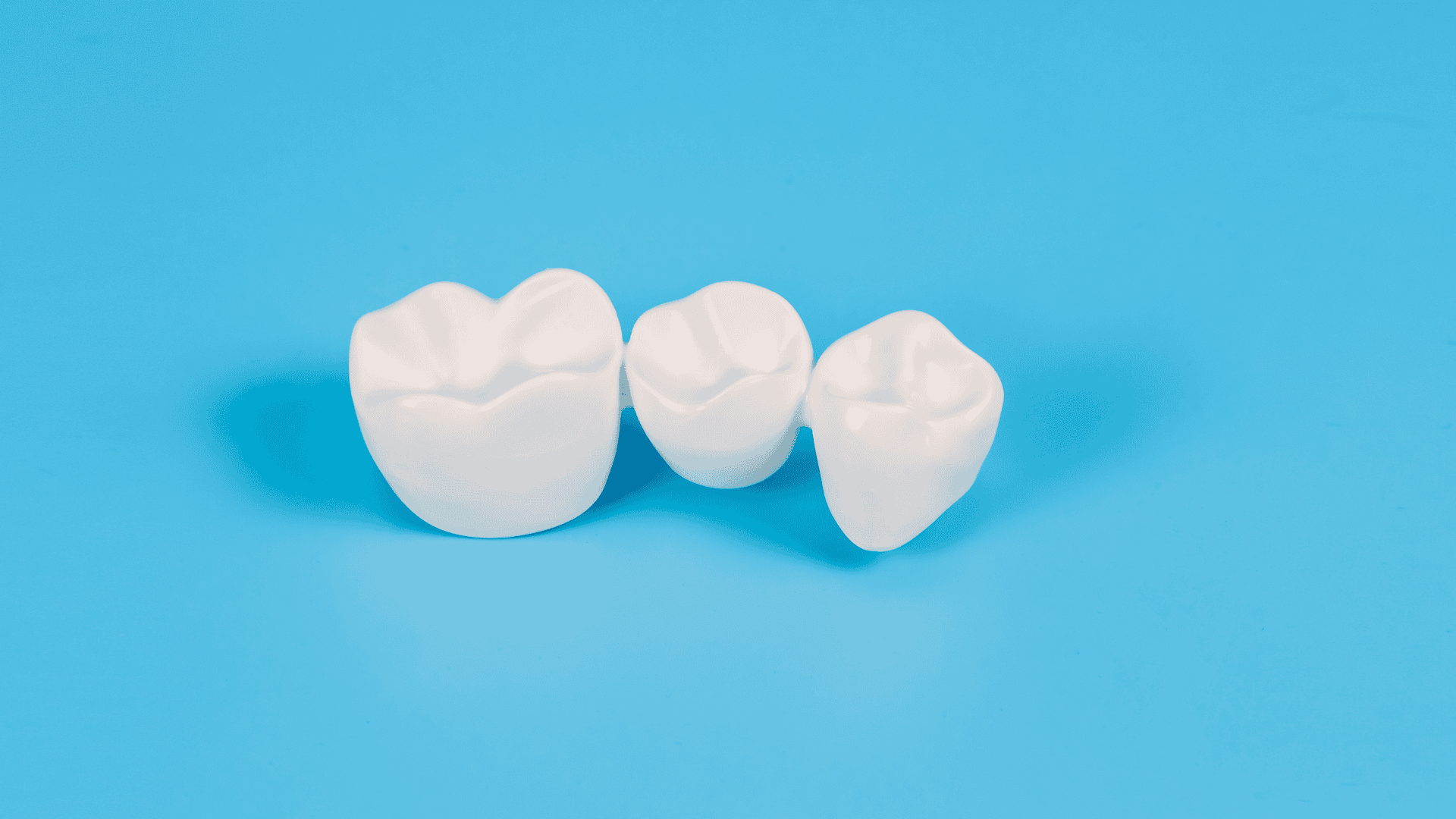
A dental bridge is a cosmetic and functional solution used to replace one or more missing teeth. This bridge is anchored to the adjacent teeth, which act as support points. It can be made from various materials, such as porcelain, gold, or a combination of materials, and is designed to look natural and function effectively.
The process of placing a dental bridge typically begins with a consultation with the dentist, during which the condition of the mouth and remaining teeth is assessed. The adjacent teeth are then prepared by reshaping them so that the bridge can be securely attached. An impression of the mouth is made, which is used to create a custom-fit bridge.
During a second appointment, the bridge is placed. The dentist checks to ensure that the fit and bite of the bridge are correct before permanently affixing it. A well-placed bridge can last for many years and helps improve not only the aesthetics of the smile but also facilitates chewing and speaking.
Bridges also help maintain the position of the surrounding teeth, which is important for overall oral health. Maintaining good oral hygiene, including regular brushing and flossing, is essential to maximize the lifespan of the bridge and ensure the health of the surrounding gums. Regular check-ups with the dentist are also important to ensure that the bridge continues to function properly and to prevent any complications.
A dental bridge is a popular restorative solution for individuals who have one or more missing teeth. Choosing a dental bridge can help restore the natural appearance and function of the smile by filling the gap left by missing teeth. Missing teeth can lead to various dental problems, such as difficulty chewing or speaking, changes in bite alignment, and shifting of surrounding teeth, which can impact overall oral health. A dental bridge helps maintain the structure of the mouth by preventing neighboring teeth from shifting into the empty space and ensures that the bite remains balanced. This can help prevent further dental complications and promote long-term oral health.
One of the main reasons people choose dental bridges is for the cosmetic improvement they offer. Missing teeth can make the smile appear incomplete or unattractive, impacting self-esteem and confidence. Dental bridges can be made from materials that blend seamlessly with the natural teeth, such as porcelain, ceramic, or a combination of porcelain and metal. This provides a natural look that is both functional and aesthetically pleasing. Whether for appearance or functionality, dental bridges are an effective solution for people looking to improve their smile and maintain good oral health after tooth loss.
The process of applying a dental bridge typically involves two or more visits to the dentist. During the first visit, the dentist will assess the patient’s oral health to determine if a bridge is the appropriate treatment. The adjacent teeth that will support the bridge (known as abutment teeth) will be prepared by removing a small amount of enamel to allow space for the dental crowns that will be placed over them. Impressions of the teeth are then taken using traditional molds or digital scanning technology to create a custom-fitted bridge. These impressions are sent to a dental lab where the bridge is fabricated to match the patient's specific dental structure.
While waiting for the permanent bridge to be created, a temporary bridge is placed to protect the prepared abutment teeth and maintain the appearance of the smile. Once the permanent bridge is ready, typically within a few weeks, the temporary bridge is removed, and the permanent bridge is placed and adjusted for fit, color, and comfort. The dentist checks the patient's bite to ensure the bridge aligns properly and makes any necessary adjustments before securely cementing it in place. This ensures that the dental bridge functions properly, feels natural, and looks great.
Dental bridges offer a range of benefits, making them a popular choice for individuals with missing teeth. One of the most significant advantages is the restoration of function. A dental bridge helps restore the ability to chew and speak properly, improving the overall quality of life for those with missing teeth. The bridge supports the jaw and bite alignment, preventing the shifting of surrounding teeth that can occur when a gap is left unaddressed. This helps maintain a healthy bite, reducing the risk of pain and jaw disorders associated with an uneven bite or misalignment.
In addition to functional benefits, dental bridges provide important cosmetic improvements. By filling in the gap created by missing teeth, bridges can help improve the appearance of the smile, giving it a more complete and natural look. This can have a positive effect on self-confidence and encourage people to smile more freely, which can improve social and professional interactions. Modern dental bridges are crafted from high-quality materials, such as porcelain or ceramic, that can match the color and texture of natural teeth, making them indistinguishable from real teeth.
Dental bridges are also a long-lasting solution when cared for properly. With good oral hygiene and regular dental check-ups, a dental bridge can last for several years or even decades. They are durable, designed to withstand normal chewing and speaking pressures, and can help prevent additional dental issues that might arise from missing teeth. Bridges can also help distribute bite pressure evenly across the mouth, which can reduce stress on specific teeth and prevent damage. Overall, dental bridges are an effective treatment for those seeking a reliable and aesthetically pleasing way to replace missing teeth and improve oral function.
During your consultation, you will discuss your wishes, medical history, and expectations with the doctor. The doctor will examine you, take measurements if necessary, and explain which treatment suits you best, including risks and recovery. You will have the opportunity to ask questions and then receive a clear treatment proposal.
Make sure you have all relevant medical information ready, such as previous treatments, allergies, or medical conditions. This allows the doctor to give you better advice.
Payment is made securely via SurgeryBooking. You pay the amount in advance to SurgeryBooking. We hold the funds and transfer them to the clinic after your treatment. Cancellation or change conditions vary per clinic and are clearly communicated in advance.
During the consultation (online or at the clinic), the doctor will assess this based on your health, expectations, and physical characteristics. You will discuss what you want, what is possible, and what the limitations are. Sometimes there are alternatives if the chosen treatment is not ideal.
Through SurgeryBooking.com, you can quickly and easily book a consultation or procedure with doctors and clinics worldwide. SurgeryBooking.com provides an overview of doctors and clinics, allowing you to make an informed and transparent choice when booking a consultation or procedure.
You can easily book through the profile of the desired clinic or doctor. Select the desired treatment, enter your details, and choose an available date and time. If there are any costs involved, you will complete the payment first. Afterwards, you will receive a confirmation email with all the details.
Yes, during the booking process, you can indicate whether you prefer an online consultation or an in-person consultation at the clinic.
With SurgeryBooking.com, you gain access to a global network of doctors and clinics. Through SurgeryBooking.com, you can easily book a consultation or a cosmetic procedure directly. Clinic profiles provide information about available cosmetic procedures, reviews, photos of the clinic, and other relevant details. This enables you to compare costs and make an informed decision when booking a consultation or procedure.