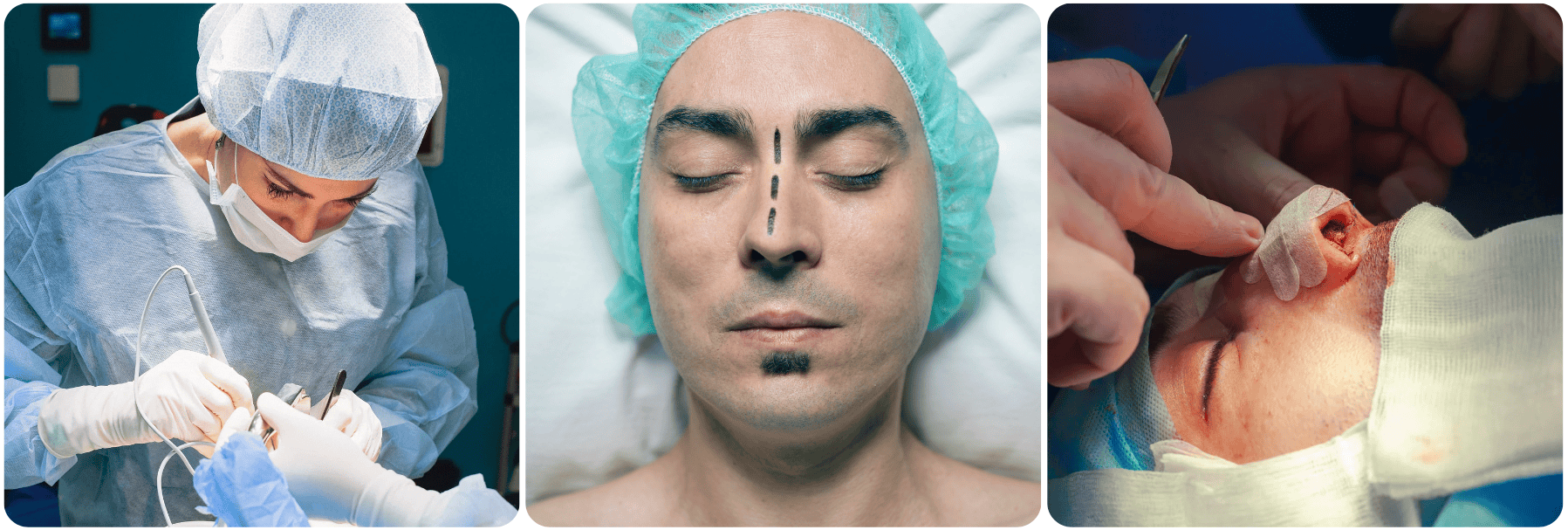
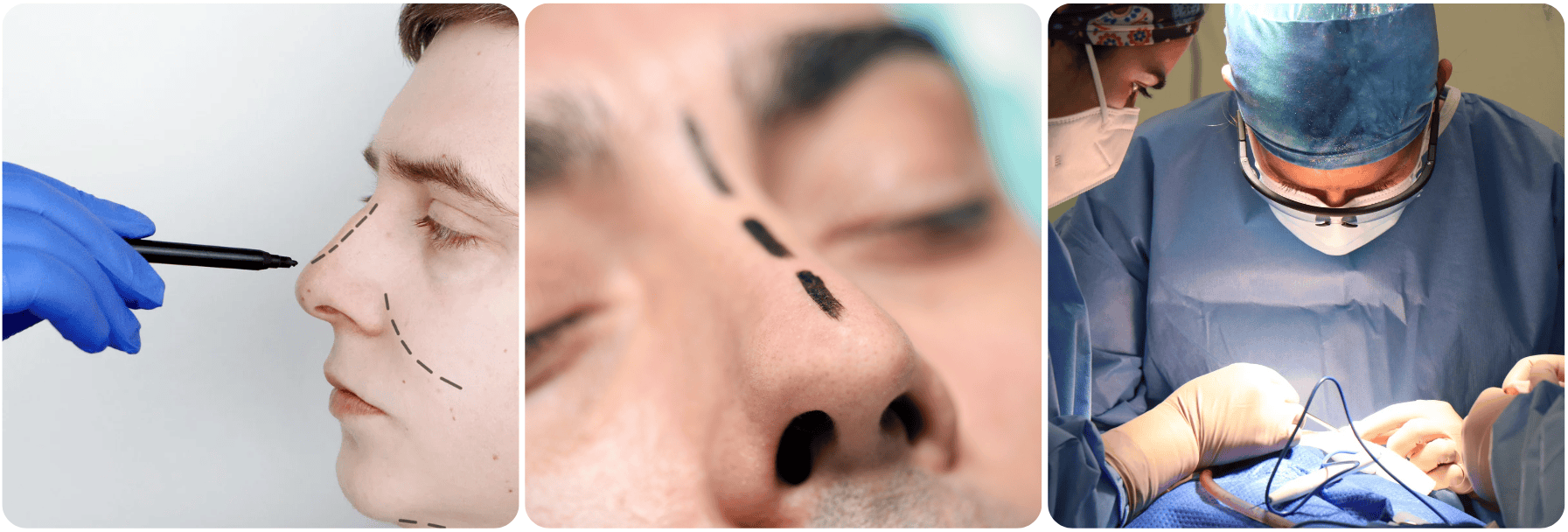
Endoscopic sinus surgery is a minimally invasive procedure designed to relieve chronic sinus issues and improve the natural drainage of the sinuses. This surgery is commonly recommended for patients with chronic sinusitis, recurring sinus infections, nasal polyps, or other structural blockages that impair airflow and lead to persistent inflammation. The primary goal of the surgery is to remove obstructions in the sinus passages, allowing for normal air circulation and reducing symptoms such as facial pressure, headaches, and nasal congestion.
During the procedure, an ENT specialist inserts an endoscope—a thin tube equipped with a tiny camera and light—through the nostrils to access the sinus cavities. This endoscopic approach provides clear and detailed images of the internal nasal structures, allowing the surgeon to precisely target blocked or inflamed areas without external incisions. Unlike traditional sinus surgery, which often involves cutting through surrounding tissue, endoscopic sinus surgery preserves healthy tissue, resulting in a shorter recovery period, less postoperative pain, and reduced scarring.
Endoscopic sinus surgery is a minimally invasive procedure designed to relieve chronic sinus issues and improve the natural drainage of the sinuses.
Special instruments are used alongside the endoscope to carefully remove obstructions, such as nasal polyps, thickened mucosa, or other tissue that blocks the sinus openings. In some cases, the bone structure is reshaped slightly to expand the sinus passages, allowing for better airflow and drainage. For patients whose sinus problems are aggravated by chronic conditions like allergies, endoscopic surgery can significantly improve breathing and overall sinus health.
Recovery from endoscopic sinus surgery tends to be faster than from more invasive sinus procedures. Patients typically experience mild swelling, minor bleeding, and a congested sensation, which generally subsides within a few days. Full healing may take several weeks, during which saline rinses and avoiding strenuous activities are recommended to prevent infection and support optimal healing. Regular follow-up visits with the ENT specialist are essential for monitoring progress and ensuring lasting results.
Endoscopic sinus surgery offers substantial relief for patients whose sinus conditions have not improved with medication, such as antibiotics, nasal rinses, or corticosteroids. Before surgery, patients often undergo a thorough diagnostic process, including imaging like a CT scan, to assess the extent of their sinus condition and plan a personalized surgical approach.
Although the surgery is generally safe, it does carry some risks, as with any medical procedure. Potential complications include infection, bleeding, or rare instances of injury to surrounding tissues. Choosing a skilled and experienced surgeon can help minimize these risks. For most patients, endoscopic sinus surgery provides effective, long-lasting relief from chronic symptoms, enabling them to breathe more comfortably and experience fewer sinus-related issues.
Doctors usually suggest endoscopic sinus surgery after non-surgical options have been exhausted. While medications can control symptoms for some patients, others find that their issues persist despite treatment. Surgery is often recommended when chronic infections, polyps, or blockages continue to affect quality of life.
👉 Chronic sinusitis lasting more than 12 weeks
👉 Multiple sinus infections each year despite medication
👉 Nasal polyps that do not respond to drug therapy
👉 Structural blockages preventing normal airflow
👉 Ongoing facial pain or pressure related to sinus disease
By following these criteria, doctors can identify patients who will benefit most from surgical intervention.
Endoscopic sinus surgery is a minimally invasive procedure designed to treat chronic sinusitis and other sinus-related issues that don’t respond to medications or other non-surgical treatments. Many people choose endoscopic sinus surgery to find long-term relief from symptoms such as nasal congestion, facial pain, pressure, headaches, and frequent sinus infections. Chronic sinusitis can significantly impact daily life, making it hard to breathe, sleep, or even concentrate due to persistent discomfort.
Endoscopic sinus surgery is a minimally invasive procedure designed to treat chronic sinusitis and other sinus-related issues that don’t respond to medications or other non-surgical treatments.
The goal of this surgery is to open the sinus passages, allowing for better airflow, drainage, and reducing the likelihood of future infections. Because it uses a small, flexible tube with a camera (an endoscope), the surgery is performed through the nostrils without the need for external incisions, resulting in less tissue damage, faster recovery, and minimal scarring.
Endoscopic sinus surgery is an excellent option for individuals suffering from chronic or recurrent sinusitis, nasal polyps, or structural issues like a deviated septum. By choosing this procedure, patients often experience significant improvements in breathing, reduced sinus infections, and an overall better quality of life.
Over the years, technology has greatly improved the safety and effectiveness of endoscopic sinus surgery. Surgeons now have access to advanced instruments that allow them to work with remarkable accuracy inside the sinus cavities.
👉 High-definition cameras provide clear visuals of even the smallest structures
👉 Micro-debriders gently remove tissue without damaging surrounding areas
👉 Balloon dilation tools can expand sinus openings in selected cases
👉 Navigation systems guide surgeons using real-time imaging
👉 Precision suction instruments remove mucus and obstructions efficiently
These modern tools enhance the outcome of the procedure while keeping risks low.
Endoscopic sinus surgery is typically performed under general anesthesia, though local anesthesia with sedation may also be an option for some patients. During the procedure, the surgeon inserts an endoscope—a thin tube equipped with a small camera—into the nostrils to provide a detailed view of the sinus passages.
This allows the surgeon to identify and treat the specific areas causing blockages or infections without the need for large incisions. Special surgical instruments are used alongside the endoscope to remove obstructions such as nasal polyps, swollen tissue, or bone fragments that are blocking the sinuses. The surgeon may also widen the natural openings of the sinuses to improve drainage and ventilation. In some cases, the procedure may also involve correcting a deviated septum or other structural issues contributing to sinus problems.
Endoscopic sinus surgery is typically performed under general anesthesia, though local anesthesia with sedation may also be an option for some patients.
The surgery usually takes between 1 to 2 hours, depending on the complexity of the case, and most patients can go home the same day. Because endoscopic sinus surgery is minimally invasive, the recovery process is relatively quick compared to traditional sinus surgery. Patients may experience mild discomfort, nasal congestion, and some bleeding immediately after the procedure, but these symptoms typically improve within a week. Full recovery usually takes about 2 to 4 weeks, during which patients notice a significant improvement in their ability to breathe and a reduction in sinus-related symptoms.
One overlooked benefit of this procedure is its ability to decrease the need for ongoing drug treatments. Patients who previously relied on nasal sprays, decongestants, or repeated courses of antibiotics often see a sharp reduction in usage. This not only lowers the risk of side effects but also improves overall well-being. Fewer medications mean fewer doctor visits and less long-term expense.
For those with recurring infections, avoiding constant antibiotic use helps reduce resistance. By addressing the root of the problem rather than masking symptoms, endoscopic sinus surgery offers a healthier long-term approach.
Safety is always a concern with any surgical procedure, but endoscopic sinus surgery is considered highly reliable. Surgeons use minimally invasive techniques that preserve as much healthy tissue as possible.
👉 Clear visibility with the endoscope reduces surgical risks
👉 Modern instruments minimize trauma to surrounding areas
👉 Patients experience shorter hospital stays or go home the same day
👉 Recovery complications are rare with proper aftercare
👉 Most patients return to normal routines quickly
These safety features make the procedure a trusted solution for chronic sinus issues.
One of the primary benefits of endoscopic sinus surgery is the long-term relief it provides from chronic sinusitis and related conditions. For patients who suffer from persistent sinus infections, facial pressure, and nasal congestion, this surgery offers a significant improvement in their quality of life by addressing the underlying causes of their sinus problems. Unlike traditional sinus surgery, endoscopic sinus surgery is minimally invasive, which means less tissue damage, no external incisions, and minimal scarring.
This approach results in a quicker recovery, with most patients returning to their normal activities within a week or two. Additionally, because the surgery is performed using an endoscope, it allows for greater precision in treating problem areas, reducing the risk of complications and improving the overall effectiveness of the procedure.
One of the primary benefits of endoscopic sinus surgery is the long-term relief it provides from chronic sinusitis and related conditions.
Another major advantage is that endoscopic sinus surgery can be tailored to the specific needs of the patient. Whether dealing with chronic sinusitis, nasal polyps, or structural issues like a deviated septum, the surgeon can customize the procedure to address the exact cause of the sinus blockages. This means that patients experience fewer sinus infections, improved breathing, and less dependence on medications like decongestants and antibiotics.
Moreover, the long-term results of the surgery often mean that patients don’t need to rely on ongoing treatments, providing lasting relief from sinus issues. Overall, endoscopic sinus surgery is a safe, effective, and minimally invasive option for anyone struggling with chronic sinus problems, offering both functional and quality-of-life improvements.
Compared to older surgical techniques, endoscopic sinus surgery offers several notable benefits that make it the preferred choice today. Patients often find that their recovery is smoother and less disruptive to daily life. The use of a camera-guided endoscope provides much greater precision, reducing the likelihood of damaging healthy tissue.
This precision not only shortens recovery but also improves the accuracy of the treatment. In addition, the absence of external incisions means there is no visible scarring, which is a major concern for many patients. Taken together, these advantages highlight why this procedure has become the modern standard in sinus care.
Endoscopic sinus surgery is not only useful for chronic sinusitis but can also address several other conditions that affect the nasal and sinus passages. Patients who suffer from recurrent infections often discover that medications alone are not sufficient, making surgery a more permanent solution. This treatment is also highly effective for individuals with nasal polyps, which are soft growths that can block airflow and trap mucus.
Some people also have structural abnormalities such as narrowed sinus openings or a deviated septum that benefit from this minimally invasive approach. By directly targeting the problem areas, surgeons can restore natural drainage and airflow. This versatility makes endoscopic sinus surgery a valuable option for a wide range of sinus-related health concerns.
The healing process after surgery is usually straightforward, but patients can help themselves by following specific guidelines. Proper care during the first few weeks can prevent complications and speed up recovery.
👉 Use prescribed saline rinses to keep nasal passages clean
👉 Avoid strenuous activities for at least two weeks
👉 Keep the head elevated when resting to minimize swelling
👉 Follow the ENT specialist’s instructions for pain management
👉 Attend all scheduled follow-up appointments for monitoring
With these steps, patients can experience smoother recovery and enjoy lasting results.
Many patients wonder how effective the procedure is in the long run. Studies show that the majority experience lasting relief from chronic sinus symptoms, with fewer infections and better breathing capacity. Those who previously relied heavily on antibiotics or decongestants often find that they no longer need constant medication.
Quality of sleep typically improves as nasal congestion diminishes. Moreover, patients report being able to engage in daily activities without the discomfort of sinus-related pressure or headaches. Overall, endoscopic sinus surgery provides durable results that continue to improve patients’ health well beyond the recovery phase.
One of the most noticeable changes after this procedure is the improvement in airflow through the nasal passages. When blockages are cleared, patients can finally breathe without obstruction, which has a positive impact on daily life. **Improved breathing also supports better oxygen intake, which can increase overall energy levels.
For individuals who suffered from frequent congestion, this change feels almost immediate once the healing process is underway**. Many patients also notice a reduction in snoring, as the airways remain clearer during sleep. These improvements make the surgery not only a medical solution but also a lifestyle upgrade.
Proper preparation is an important step to ensure the success of the procedure. Doctors usually provide patients with detailed instructions ahead of time.
👉 Stop taking certain medications like blood thinners before surgery
👉 Inform your doctor of any allergies or underlying health conditions
👉 Arrange for someone to drive you home after the procedure
👉 Avoid eating or drinking for several hours prior, if general anesthesia is used
👉 Plan for a few days off work or school to allow initial recovery
By preparing thoroughly, patients can feel confident and reduce any anxiety leading up to surgery.
Nasal polyps are one of the most common reasons patients undergo this surgery. These growths can obstruct nasal passages, causing congestion, infections, and breathing difficulties. Endoscopic surgery allows for precise removal without disturbing healthy tissue. Because the polyps are accessed through the nostrils, the procedure avoids external scars.
Patients typically experience immediate relief from blockage once the tissue is removed. For individuals with recurring polyps, ongoing medical management combined with surgery often provides the best long-term results.
The benefits of endoscopic sinus surgery extend beyond medical relief, as patients notice significant improvements in their daily lifestyle. Being able to breathe clearly again makes exercise, sleep, and even simple conversations easier and more comfortable. Many people discover they have more energy once their sinus symptoms are resolved. Fewer infections mean less time lost from work or personal activities.
In addition, the reduction in headaches and pressure allows patients to focus better on daily tasks. These lifestyle changes demonstrate that the surgery has an impact that reaches far beyond the medical setting.
Although the surgery itself is highly effective, follow-up care plays a vital role in long-term success. Regular check-ups with the ENT specialist allow for early detection of any complications and ensure proper healing.
👉 Endoscopic examinations confirm that the sinuses remain open
👉 Cleaning procedures may be performed if mucus builds up
👉 Adjustments to medications are made when necessary
👉 Doctors provide advice on allergy management if relevant
👉 Long-term monitoring helps prevent recurrence of problems
This continued care helps patients enjoy the maximum benefits of the procedure and maintain healthy sinuses for years to come.
During your consultation, you will discuss your wishes, medical history, and expectations with the doctor. The doctor will examine you, take measurements if necessary, and explain which treatment suits you best, including risks and recovery. You will have the opportunity to ask questions and then receive a clear treatment proposal.
Make sure you have all relevant medical information ready, such as previous treatments, allergies, or medical conditions. This allows the doctor to give you better advice.
Payment is made securely via SurgeryBooking. You pay the amount in advance to SurgeryBooking. We hold the funds and transfer them to the clinic after your treatment. Cancellation or change conditions vary per clinic and are clearly communicated in advance.
During the consultation (online or at the clinic), the doctor will assess this based on your health, expectations, and physical characteristics. You will discuss what you want, what is possible, and what the limitations are. Sometimes there are alternatives if the chosen treatment is not ideal.
Through SurgeryBooking.com, you can quickly and easily book a consultation or procedure with doctors and clinics worldwide. SurgeryBooking.com provides an overview of doctors and clinics, allowing you to make an informed and transparent choice when booking a consultation or procedure.
You can easily book through the profile of the desired clinic or doctor. Select the desired treatment, enter your details, and choose an available date and time. If there are any costs involved, you will complete the payment first. Afterwards, you will receive a confirmation email with all the details.
Yes, during the booking process, you can indicate whether you prefer an online consultation or an in-person consultation at the clinic.
With SurgeryBooking.com, you gain access to a global network of doctors and clinics. Through SurgeryBooking.com, you can easily book a consultation or a cosmetic procedure directly. Clinic profiles provide information about available cosmetic procedures, reviews, photos of the clinic, and other relevant details. This enables you to compare costs and make an informed decision when booking a consultation or procedure.