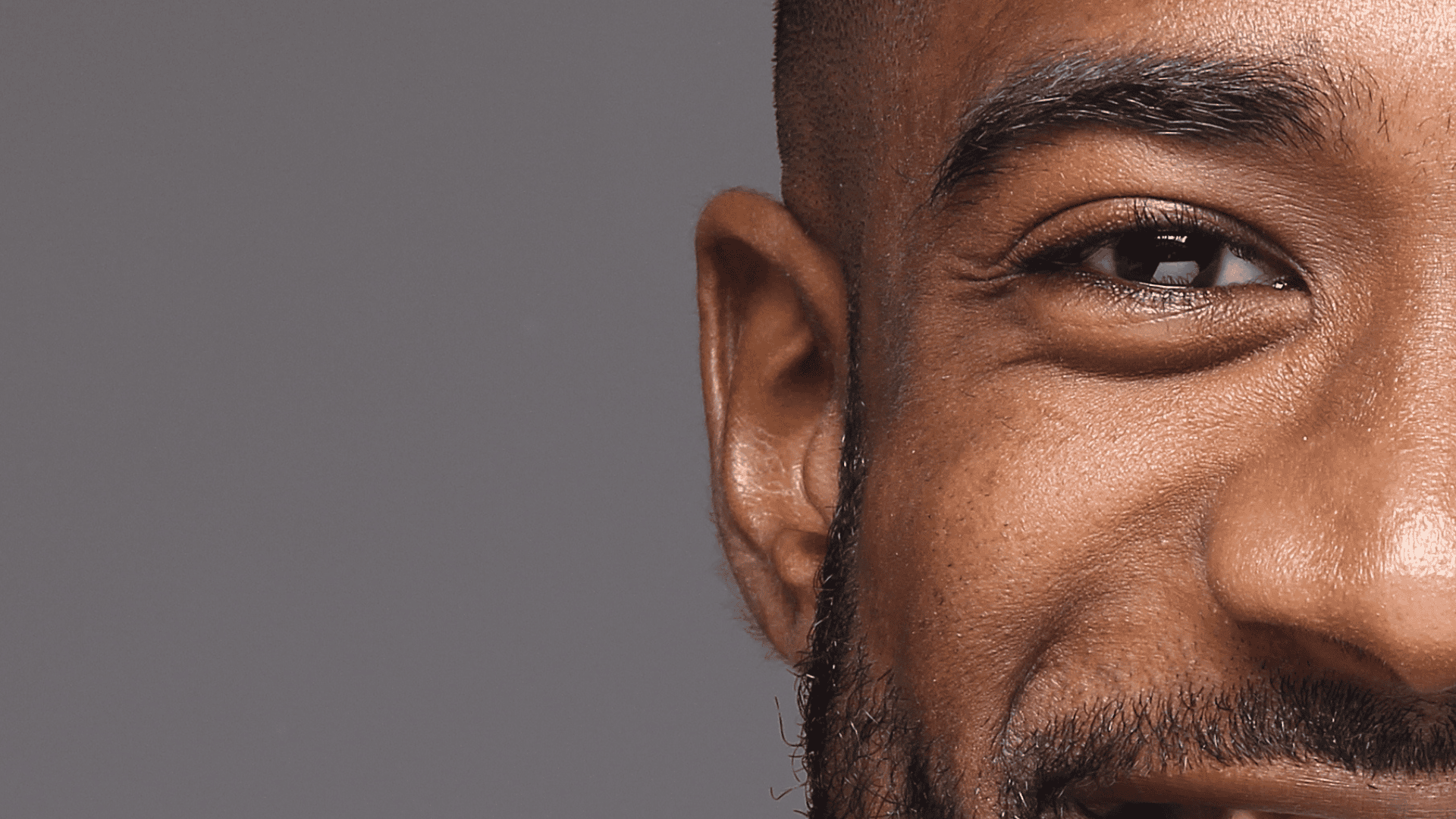
Ear surgery, commonly known as otoplasty, is a surgical procedure designed to improve the shape, size, or position of the ears. This intervention is often sought by individuals with prominent ears, where the ears protrude more than average from the head, or by those with other deformities, such as asymmetry or unusual shapes. Otoplasty can be performed on both children and adults, making it a safe and effective option for addressing aesthetic concerns related to ear appearance.
There are various reasons individuals consider undergoing ear surgery. For children, it can be a solution to bullying or social exclusion stemming from the appearance of their ears. Typically, the procedure can be performed when a child is at least 5 or 6 years old, as the ears are nearly fully developed by that age. For adults, the surgery can enhance self-esteem and confidence. Additionally, otoplasty may be pursued following an injury or in cases of congenital abnormalities affecting the ears.
The procedure itself is usually conducted under local anesthesia, often combined with a sedative to help the patient relax. The process begins with an incision, typically made behind the ear, which minimizes visible scarring. Once the incision is made, the surgeon can access and reshape the cartilage and surrounding tissue. This may involve sculpting the cartilage using sutures or removing portions of the cartilage to bring the ears closer to the head. After achieving the desired shape, the incisions are carefully closed, and a bandage is applied to protect the ears. The surgery typically lasts between one to two hours, depending on the complexity of the procedure and how many ears are being corrected.
After the surgery, there is usually a recovery period during which patients may experience discomfort, swelling, and bruising. This is entirely normal and can often be managed with pain relief medications. Wearing a special bandage or headband is essential, particularly in the first few weeks post-surgery, to hold the ears in place and protect them. Doctors generally advise avoiding physical activities and wearing tight clothing that may rub against the ears during recovery. Most patients can resume their daily activities within a week after the surgery, although it may take several weeks for the full results to become apparent. Regular follow-up appointments with the surgeon are important to monitor the healing process and identify any potential complications early on.
The results of otoplasty are typically long-lasting and can significantly impact a person's self-image and confidence. Many patients, especially children, report improvements in social interactions and a reduction in bullying after the surgery. It is not uncommon for individuals to feel much more confident about their appearance following the procedure, which can positively influence their overall quality of life.
In summary, ear surgery or otoplasty is a safe and effective surgical intervention that can not only bring about physical changes to the ears but also have a profound effect on a patient's emotional and social well-being. It is a procedure that should be carefully considered, taking into account the patient's expectations and personal circumstances.
Ear surgery, also known as otoplasty, is a cosmetic surgical procedure designed to reshape, reposition, or reduce the size of the ears to improve their appearance. Otoplasty is commonly performed on individuals who have ears that protrude excessively or are asymmetrical, but it can also address other concerns such as congenital ear deformities, ear injury, or the results of previous surgeries. The procedure is typically sought by those who feel self-conscious about the size or shape of their ears and want to enhance their facial harmony. Otoplasty can be performed on both children and adults, with children often undergoing the procedure at a younger age (typically 4 to 14 years old) when their ears are fully developed but still flexible. The surgery helps create more balanced, natural-looking ears, boosting the patient's confidence and improving their overall facial aesthetics.
Otoplasty is usually performed under local anesthesia with sedation or general anesthesia, depending on the patient's age, preferences, and the complexity of the procedure. The surgeon begins by making small incisions behind the ears, in the natural folds, to minimize visible scarring. Depending on the desired outcome, the surgeon may reshape the cartilage, remove excess tissue, or reposition the ears closer to the head. For protruding ears, the cartilage is often scored or folded to create a more natural, less prominent shape. In some cases, the ears may be reduced in size if they are overly large. After the adjustments are made, the incisions are closed with sutures, and a bandage is applied to support the ears during the initial healing phase. The procedure typically takes about 1 to 2 hours, and patients can usually go home the same day.
The main benefit of otoplasty is the improvement in the appearance of the ears, which can help create a more balanced and proportionate facial appearance. Otoplasty can address a variety of ear concerns, including protruding ears, large ears, or asymmetry between the ears, leading to a more natural and aesthetically pleasing result. The procedure can significantly boost self-esteem and confidence, especially for individuals who have been self-conscious about the appearance of their ears for years. Since the incisions are made behind the ears, scarring is minimal and typically not visible. Otoplasty also offers long-lasting results, with many patients enjoying the benefits of the surgery for a lifetime. The recovery time is relatively short, with most patients resuming normal activities within 1 to 2 weeks. Overall, ear surgery is a safe, effective way to enhance ear appearance, improve facial harmony, and provide a boost in confidence.
During your consultation, you will discuss your wishes, medical history, and expectations with the doctor. The doctor will examine you, take measurements if necessary, and explain which treatment suits you best, including risks and recovery. You will have the opportunity to ask questions and then receive a clear treatment proposal.
Make sure you have all relevant medical information ready, such as previous treatments, allergies, or medical conditions. This allows the doctor to give you better advice.
Payment is made securely via SurgeryBooking. You pay the amount in advance to SurgeryBooking. We hold the funds and transfer them to the clinic after your treatment. Cancellation or change conditions vary per clinic and are clearly communicated in advance.
During the consultation (online or at the clinic), the doctor will assess this based on your health, expectations, and physical characteristics. You will discuss what you want, what is possible, and what the limitations are. Sometimes there are alternatives if the chosen treatment is not ideal.
Through SurgeryBooking.com, you can quickly and easily book a consultation or procedure with doctors and clinics worldwide. SurgeryBooking.com provides an overview of doctors and clinics, allowing you to make an informed and transparent choice when booking a consultation or procedure.
You can easily book through the profile of the desired clinic or doctor. Select the desired treatment, enter your details, and choose an available date and time. If there are any costs involved, you will complete the payment first. Afterwards, you will receive a confirmation email with all the details.
Yes, during the booking process, you can indicate whether you prefer an online consultation or an in-person consultation at the clinic.
With SurgeryBooking.com, you gain access to a global network of doctors and clinics. Through SurgeryBooking.com, you can easily book a consultation or a cosmetic procedure directly. Clinic profiles provide information about available cosmetic procedures, reviews, photos of the clinic, and other relevant details. This enables you to compare costs and make an informed decision when booking a consultation or procedure.