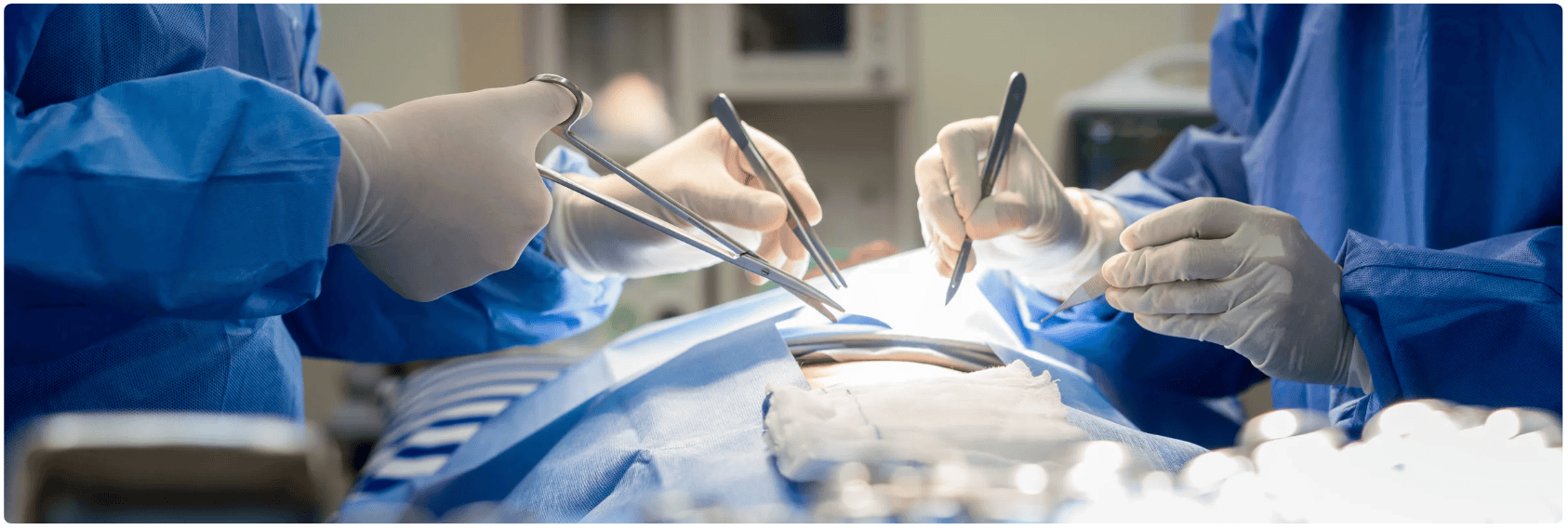
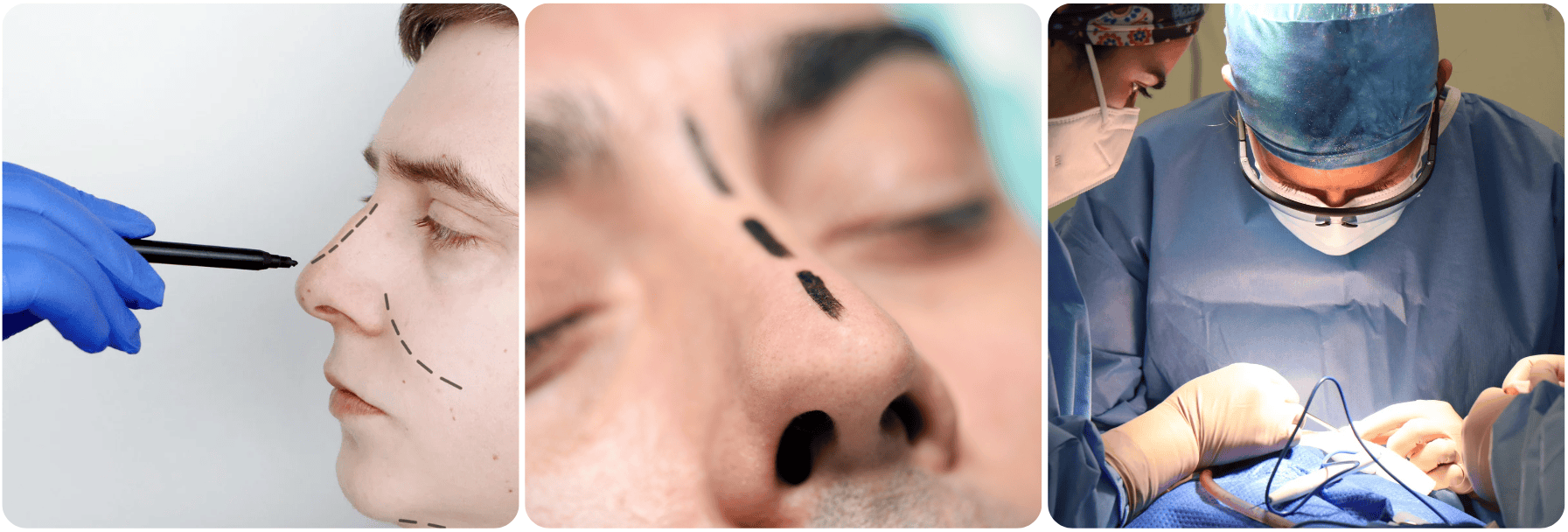
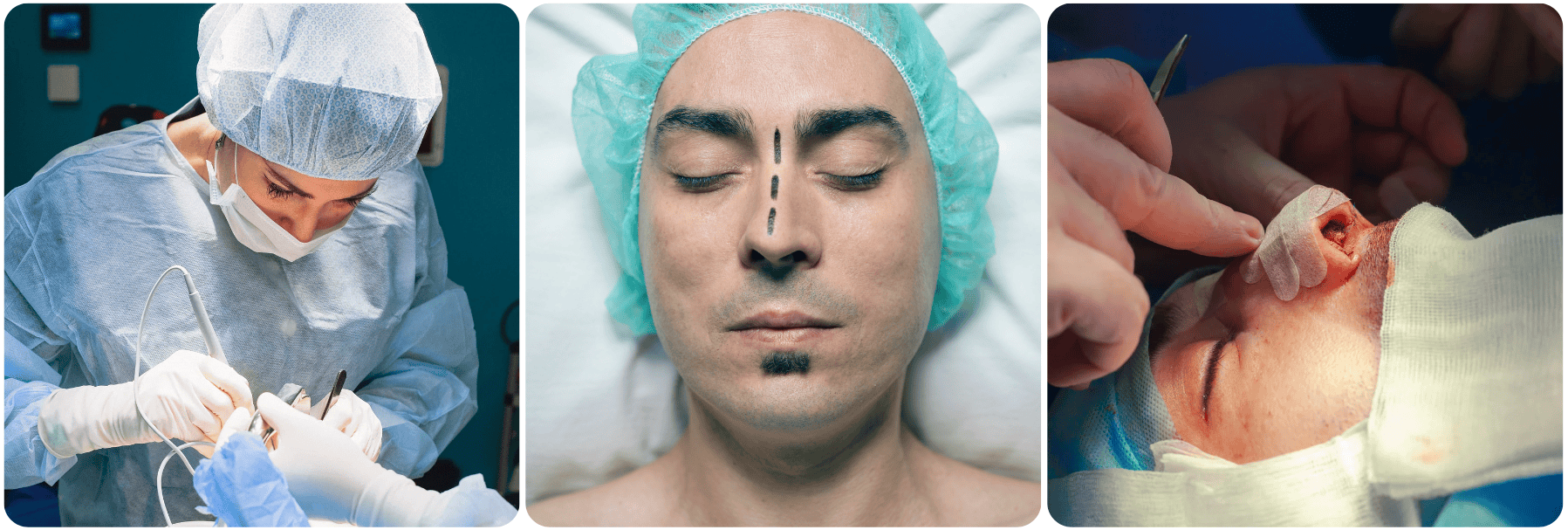
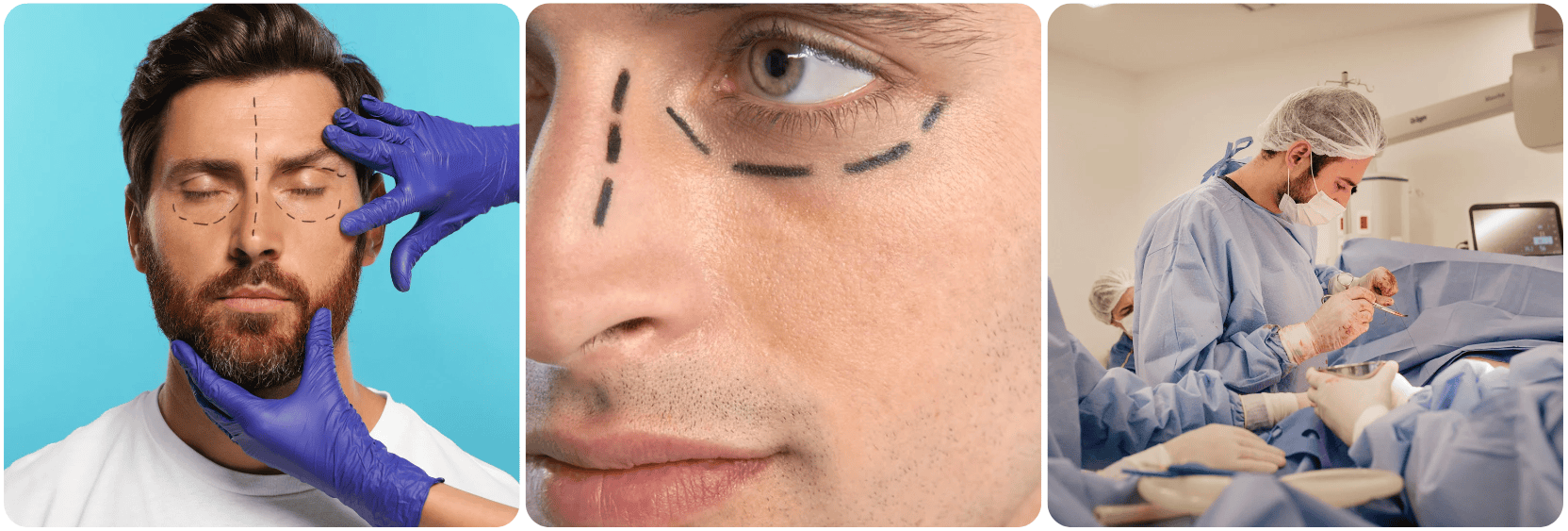
Dorsal hump augmentation, also known as nasal bridge augmentation, is a cosmetic procedure aimed at enhancing the contour and height of the nasal bridge. This type of surgery is commonly sought to correct a prominent dorsal hump or to create a smoother, more balanced profile. Patients may seek this procedure to improve facial proportions or to restore the appearance of the nose following an injury.
The procedure can be performed using various techniques depending on the desired outcomes and the individual anatomy of the patient. One approach involves the use of implants or fillers, which are injected beneath the skin to add volume and shape. Alternatively, a surgical method may be employed, where tissue from another area of the body is used to augment the nasal bridge.
Dorsal hump augmentation, also known as nasal bridge augmentation, is a cosmetic procedure aimed at enhancing the contour and height of the nasal bridge.
Prior to the procedure, a thorough consultation with a qualified plastic surgeon is essential. During this meeting, the patient's desires and expectations are discussed, alongside the potential risks and complications associated with the surgery. The surgeon will conduct a comprehensive assessment of the nose and face to determine the most appropriate technique.
After the procedure, patients typically experience a recovery period characterized by swelling and bruising. Most individuals can return to their daily activities within a few days, although it may take several weeks for the final results to become fully apparent. Dorsal hump augmentation can significantly boost a person’s confidence and contribute to a more positive self-image.
Dorsal hump augmentation, also known as nasal bridge augmentation, is a rhinoplasty procedure aimed at correcting or enhancing the appearance of the nasal bridge, particularly when there is a visible hump or bump on the nose. This type of nose surgery is commonly sought by individuals who feel that their nose has an imbalanced or unattractive profile due to a pronounced dorsal hump, which can make the nose appear uneven or disproportionate to other facial features. People with this condition often seek to smooth out the bridge of the nose for a more refined and harmonious look.
Dorsal hump augmentation, also known as nasal bridge augmentation, is a rhinoplasty procedure aimed at correcting or enhancing the appearance of the nasal bridge, particularly when there is a visible hump or bump on the nose.
Dorsal hump augmentation is not only a cosmetic procedure but can also help improve facial symmetry, making the face appear more balanced and aesthetically pleasing. Additionally, some individuals choose this procedure to address functional concerns, such as improving the airflow in the nasal passage if the hump causes any internal structural issues, though the procedure is primarily focused on aesthetic changes. Whether motivated by self-esteem, the desire for a more attractive profile, or to achieve better facial harmony, dorsal hump augmentation can make a significant difference in how individuals feel about their appearance.
Dorsal hump augmentation is typically performed through rhinoplasty techniques, which can be done under general anesthesia or local anesthesia with sedation, depending on the complexity of the procedure. The surgery usually takes about one to two hours. The goal of the procedure is to smooth or reshape the nasal bridge, which may involve reducing the bump or enhancing the structure of the nose using grafts if additional volume or height is required.
Dorsal hump augmentation is typically performed through rhinoplasty techniques, which can be done under general anesthesia or local anesthesia with sedation, depending on the complexity of the procedure.
In many cases, the surgeon will remove a portion of the cartilage and bone that forms the hump, carefully reshaping the bridge to achieve a smoother, more contoured profile. In more complex cases where the nasal bridge needs to be augmented, the surgeon may use cartilage grafts harvested from other areas of the nose, ear, or rib to enhance the bridge and achieve the desired look.
The incisions for dorsal hump augmentation are typically made inside the nostrils (closed rhinoplasty) to avoid visible external scarring, though in some cases, a small incision across the columella (the tissue between the nostrils) may be necessary (open rhinoplasty). Once the nasal bridge is reshaped, the surgeon will close the incisions, and a splint will be applied to the nose to help stabilize the newly shaped structure as it heals.
After surgery, patients can expect swelling and bruising, particularly around the eyes, which will subside over the course of a few weeks. Most patients return to normal activities within one to two weeks, though full recovery and the final results may take several months, as the swelling continues to subside and the nose refines its shape.
Preparing for dorsal hump augmentation is key to a smooth procedure and recovery. Patients should:
Schedule a pre-operative consultation and discuss goals
Avoid blood-thinning medications and supplements as instructed
Stop smoking at least two weeks before surgery
Arrange for transportation and post-operative support
Follow fasting instructions if undergoing general anesthesia
Plan time off work for recovery
Proper preparation minimizes complications and ensures that the surgery proceeds as planned. Following the surgeon’s recommendations improves both safety and results.
The benefits of dorsal hump augmentation are primarily aesthetic but can also have a positive impact on an individual’s confidence and overall facial harmony. One of the most significant benefits of this procedure is the smooth, balanced contour it creates by removing or reshaping a prominent nasal hump. This helps achieve a more refined and symmetrical profile, enhancing the appearance of the entire face. Individuals who feel self-conscious about the appearance of their nose often experience a major boost in self-esteem after the procedure, as it allows them to feel more comfortable with their profile and overall look. The smoothness of the nasal bridge can also make the nose appear more proportionate to other facial features, providing an overall sense of balance and harmony.
Dorsal hump augmentation can also improve facial aesthetics by addressing concerns of asymmetry. The procedure can make the nose appear more uniform and in line with the rest of the facial features, creating a more attractive and naturally appealing profile. While the primary goal of this surgery is cosmetic, for some patients, the procedure may also improve breathing function if the hump has been causing structural issues, such as a blockage or a deviated septum.
By reshaping the nasal bridge, dorsal hump augmentation can sometimes improve airflow, although this is typically a secondary benefit. Overall, the surgery delivers long-lasting results, with minimal scarring and a relatively quick recovery, allowing patients to enjoy an enhanced and more confident appearance for many years.
Creates a smooth, balanced nasal contour by removing or reshaping a prominent hump.
Enhances facial harmony and provides a more refined, symmetrical profile.
Boosts self-confidence by reducing self-consciousness about the nose’s appearance.
Makes the nose appear more proportionate to other facial features.
Improves facial aesthetics by addressing nasal asymmetry.
Can sometimes improve breathing function if the hump caused structural issues or blockage.
Provides long-lasting results with minimal scarring.
Relatively quick recovery compared to more invasive nasal procedures.
There are several methods used to perform dorsal hump augmentation, depending on the specific needs and goals of the patient. These can be broadly categorized into surgical and non-surgical approaches:
Surgical dorsal hump augmentation: This is the most common and long-lasting method. It typically involves the use of autologous grafts, such as cartilage taken from the nasal septum, ear (auricular cartilage), or rib (costal cartilage). These grafts are sculpted and placed strategically to smooth or elevate the nasal bridge. In some cases, synthetic implants made from materials like silicone, Gore-Tex, or Medpor may be used instead of natural tissue, particularly in revision rhinoplasty or for patients without sufficient donor cartilage. Surgical techniques offer the most significant and permanent changes to the nasal structure.
Non-surgical dorsal hump augmentation (Liquid rhinoplasty): This method involves the use of dermal fillers, such as hyaluronic acid, to temporarily mask a hump or bump on the nasal bridge by adding volume above or below it, thereby creating the illusion of a straighter profile. This is a popular option for individuals looking for subtle changes without the downtime of surgery. However, the results are temporary, usually lasting 6–18 months, and are better suited for minor irregularities or as a preview of potential surgical results.
Choosing the right method depends on the severity of the dorsal hump, the patient’s anatomical features, their aesthetic goals, and whether a permanent or temporary result is desired.
Good candidates for dorsal hump augmentation are individuals who are concerned about the shape and contour of their nasal bridge, particularly if they have:
A visible or pronounced bump on the nasal bridge
A low or flat nasal bridge that lacks definition (especially common in certain ethnic profiles)
A crooked or asymmetrical nasal profile
Sustained nasal trauma or injury that altered the natural shape of the nose
A desire for a smoother, more proportionate profile
Realistic expectations about the results and are in good physical health
Additionally, ideal candidates are non-smokers (or willing to stop temporarily) and are emotionally prepared for the recovery period associated with surgical intervention, if applicable. For non-surgical candidates, it’s important to understand the temporary nature of filler-based results.
The longevity of the results depends on the method used:
Surgical augmentation using cartilage grafts or implants is permanent. Once the grafts have healed and integrated with the nasal structure, the results can last a lifetime, assuming no trauma or complications occur. Swelling will gradually subside over several months, with the final result typically visible within 6 to 12 months post-surgery.
Non-surgical augmentation with dermal fillers offers a temporary result, typically lasting 6 to 18 months, depending on the type of filler used, individual metabolism, and lifestyle factors. Repeat treatments are required to maintain the appearance.
Regardless of the technique chosen, dorsal hump augmentation offers a powerful way to refine facial balance and improve self-perception. The best way to ensure satisfying, lasting results is by working with a qualified, experienced surgeon or practitioner who can recommend the most appropriate approach.
Recovering from dorsal hump augmentation requires careful attention to ensure optimal results. Patients should avoid strenuous activities for at least two weeks to prevent swelling or displacement of the nasal structure. Sleeping with the head elevated can reduce postoperative swelling and discomfort. Cold compresses applied gently around the nose and eyes help minimize bruising in the early days.
Additionally, following the surgeon’s instructions regarding cleaning and splint care is crucial to prevent infection. Maintaining a healthy diet rich in vitamins and protein supports tissue healing. Avoiding smoking and alcohol can also enhance recovery and reduce the risk of complications. Proper post-operative care ensures the nasal bridge settles smoothly into its new shape.
Various materials can be employed in dorsal hump augmentation depending on the patient’s needs and desired outcomes. Common options include:
Autologous cartilage from the septum, ear, or rib for natural integration
Synthetic implants such as silicone, Medpor, or Gore-Tex for structural support
Dermal fillers like hyaluronic acid for non-surgical augmentation
Allografts or cadaver cartilage in certain revision cases
Bone grafts in complex reconstructions
Choosing the right material depends on the patient’s anatomy, the degree of augmentation required, and the permanence of the desired result. Surgeons often evaluate the best material during the preoperative consultation to balance safety and aesthetics.
While generally safe, dorsal hump augmentation carries some risks, as with any surgical procedure. Complications can include infection, bleeding, asymmetry, or dissatisfaction with the cosmetic outcome. Rarely, graft or implant displacement can occur if post-operative care is not followed. Overcorrection or undercorrection may require minor revision surgery. Non-surgical filler-based augmentations can sometimes result in lumpiness or unevenness, which can be corrected with adjustments. Awareness of these possibilities allows patients to make informed decisions and choose experienced surgeons to minimize risks.
Non-surgical dorsal hump augmentation offers several benefits over traditional surgery. These include minimal downtime, immediate results, and lower cost compared to surgical rhinoplasty. The procedure uses injectable fillers to temporarily smooth or enhance the nasal bridge, making it ideal for individuals seeking subtle improvements. The treatment is less invasive and usually completed in under an hour, with mild swelling or bruising that resolves quickly. Patients can also test different nasal shapes before committing to a permanent procedure. Non-surgical options are especially suitable for younger patients or those who prefer short-term aesthetic enhancements.
Certain ethnic nasal profiles can particularly benefit from dorsal hump augmentation. Individuals with flatter bridges or broader noses may seek augmentation to create a more defined contour and improved facial balance. Techniques can be customized using cartilage grafts or fillers to preserve ethnic characteristics while enhancing aesthetics. Surgeons carefully consider natural proportions to avoid over-augmentation, ensuring a natural and harmonious appearance. This approach highlights the versatility of dorsal hump augmentation in addressing diverse nasal shapes across different ethnicities.
When dorsal hump augmentation requires grafting, cartilage can be sourced from different areas of the body. Septal cartilage is preferred for minor augmentations due to its proximity and minimal donor site morbidity. Auricular cartilage from the ear is often used for moderate augmentations, offering a flexible and natural-looking result. In cases requiring substantial structural support, rib cartilage may be harvested, providing a robust framework for the nasal bridge. The surgeon shapes the cartilage precisely to achieve symmetry and a smooth contour. This personalized approach ensures a natural enhancement tailored to the patient’s anatomy.
The cost of dorsal hump augmentation varies depending on several factors. These include the complexity of the surgery, whether cartilage grafts or implants are used, and the geographic location of the clinic. Surgeon experience and reputation can also influence pricing. Non-surgical filler options generally cost less but require ongoing maintenance. Additional costs may include anesthesia fees, facility charges, and post-operative care supplies. Understanding the financial commitment in advance allows patients to plan accordingly and choose a clinic that aligns with their needs and budget.
Dorsal hump augmentation can be performed at various ages, but certain considerations apply. Surgery is generally recommended once facial growth is complete, typically in late teens or early twenties, to ensure stable results. Younger patients may opt for non-surgical fillers temporarily to preview changes. Older adults may benefit from augmentation to restore nasal definition lost with aging or previous trauma. Surgeons assess bone and cartilage quality, skin elasticity, and overall health to determine the best timing and approach for each patient.
Some patients may require revision dorsal hump augmentation if the initial procedure did not achieve the desired outcome. Revision surgery can correct asymmetry, insufficient augmentation, or complications from previous surgery. Surgeons may use additional cartilage grafts or implants to refine the nasal bridge. Proper evaluation of the underlying cause ensures the revision addresses both functional and aesthetic concerns. These procedures often demand a higher level of surgical expertise due to scar tissue and altered anatomy.
Many patients choose to combine dorsal hump augmentation with other rhinoplasty procedures for a more comprehensive facial enhancement. Common combinations include tip refinement, nostril reshaping, and septoplasty to improve breathing. Combining procedures allows for a harmonious, balanced result while minimizing total recovery time. Surgeons plan each procedure carefully to maintain structural integrity and optimize aesthetic outcomes. This approach provides a complete solution for patients seeking both functional and cosmetic improvements.
Modern 3D imaging technology plays an important role in planning dorsal hump augmentation. Surgeons can simulate different augmentation options and show patients potential outcomes before the procedure. This helps refine expectations, identify asymmetries, and choose the ideal graft size or filler volume. 3D imaging improves surgical precision and reduces the risk of errors during the procedure. Patients benefit from a clearer understanding of their results and a customized surgical plan tailored to their facial features.
Modern 3D imaging technology plays an important role in planning dorsal hump augmentation.
Maintaining results after dorsal hump augmentation requires attention to long-term care. Patients should protect the nose from trauma and avoid high-impact sports immediately after surgery. Using sun protection prevents skin discoloration around the nasal area. Regular follow-up appointments with the surgeon help monitor healing and detect potential issues early. For non-surgical procedures, periodic touch-ups ensure the bridge maintains its desired appearance. Long-term care preserves the integrity of the augmentation and maximizes the longevity of the results.
During your consultation, you will discuss your wishes, medical history, and expectations with the doctor. The doctor will examine you, take measurements if necessary, and explain which treatment suits you best, including risks and recovery. You will have the opportunity to ask questions and then receive a clear treatment proposal.
Make sure you have all relevant medical information ready, such as previous treatments, allergies, or medical conditions. This allows the doctor to give you better advice.
Payment is made securely via SurgeryBooking. You pay the amount in advance to SurgeryBooking. We hold the funds and transfer them to the clinic after your treatment. Cancellation or change conditions vary per clinic and are clearly communicated in advance.
During the consultation (online or at the clinic), the doctor will assess this based on your health, expectations, and physical characteristics. You will discuss what you want, what is possible, and what the limitations are. Sometimes there are alternatives if the chosen treatment is not ideal.
Through SurgeryBooking.com, you can quickly and easily book a consultation or procedure with doctors and clinics worldwide. SurgeryBooking.com provides an overview of doctors and clinics, allowing you to make an informed and transparent choice when booking a consultation or procedure.
You can easily book through the profile of the desired clinic or doctor. Select the desired treatment, enter your details, and choose an available date and time. If there are any costs involved, you will complete the payment first. Afterwards, you will receive a confirmation email with all the details.
Yes, during the booking process, you can indicate whether you prefer an online consultation or an in-person consultation at the clinic.
With SurgeryBooking.com, you gain access to a global network of doctors and clinics. Through SurgeryBooking.com, you can easily book a consultation or a cosmetic procedure directly. Clinic profiles provide information about available cosmetic procedures, reviews, photos of the clinic, and other relevant details. This enables you to compare costs and make an informed decision when booking a consultation or procedure.