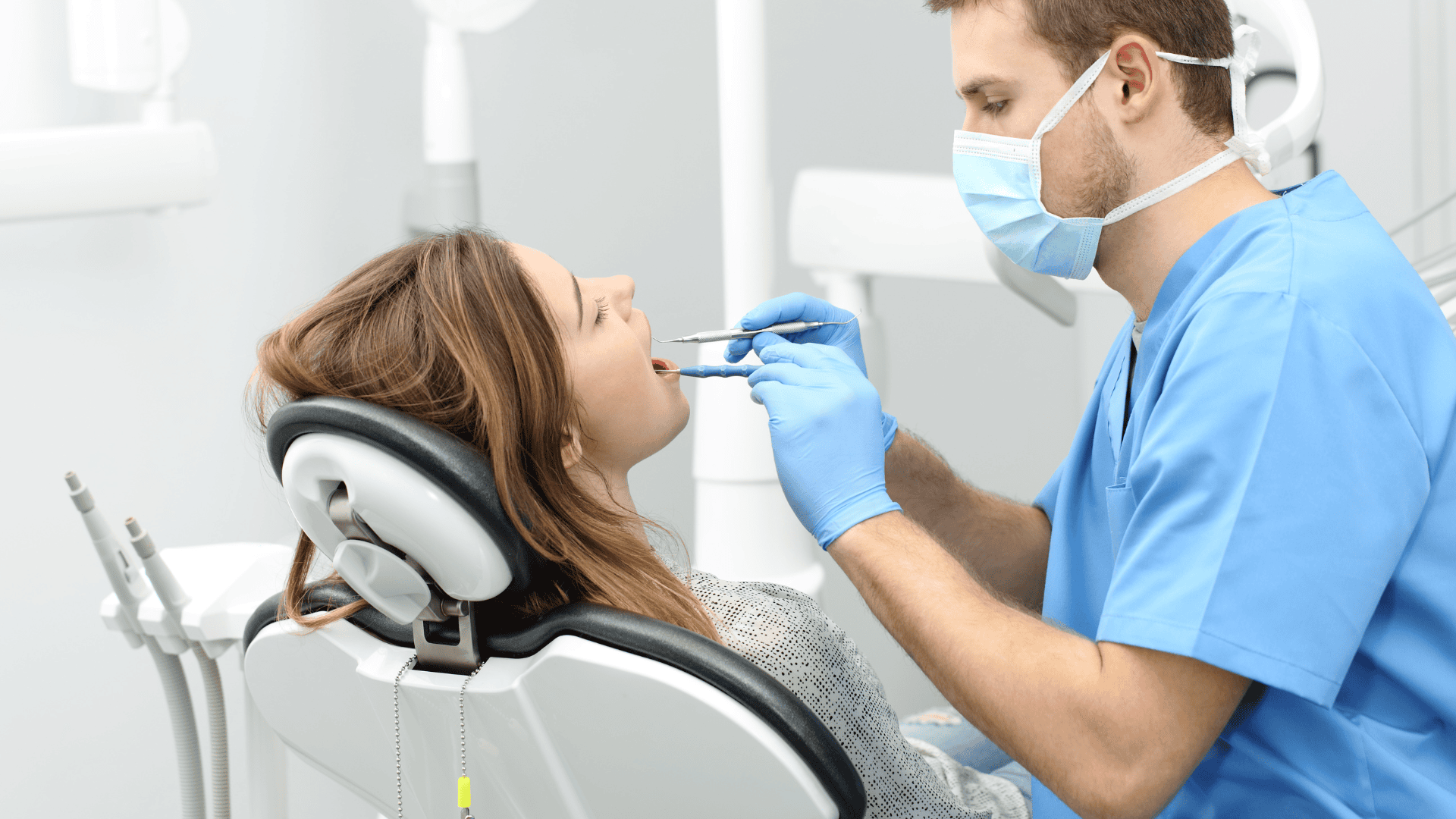
A dental inlay or onlay is a valuable treatment option in modern dentistry, designed to restore and strengthen damaged or weakened teeth. These procedures are commonly employed when a tooth suffers from decay, a fracture, or wear, yet does not require a full crown. Inlays and onlays are particularly suitable for restoring molars and premolars, which must endure significant biting forces.
Inlays and onlays are typically made from high-quality materials such as porcelain, composite resin, or gold. Porcelain and composite are popular choices due to their aesthetic properties; they can be tinted to match the natural color of the patient’s teeth. Gold inlays and onlays are extremely durable and can last for many years, but they are less aesthetically pleasing and are often used in less visible areas of the mouth.
The primary difference between inlays and onlays lies in the amount of the tooth that they cover. An inlay is placed inside the tooth, filling the central part of the chewing surface. This type of restoration is ideal for treating smaller cavities or damage that does not extend beyond the tooth's fissures. An onlay, on the other hand, is used for more extensive damage; it covers not only the internal part of the tooth but also extends over the cusps, the pointed edges of the tooth. This makes onlays suitable for larger defects and provides additional stability to the tooth.
The treatment process begins with a thorough examination by the dentist. This often includes X-rays to assess the extent of the damage and determine whether an inlay or onlay is the best option. Once the decision is made, the dentist removes the affected tooth structure and takes a detailed impression of the tooth. This impression is then used to create a custom inlay or onlay in a dental laboratory.
During the first appointment, the dentist may also place a temporary restoration to protect the tooth while the permanent inlay or onlay is being fabricated. A few weeks later, during a follow-up appointment, the dentist places the final restoration. The dentist ensures that it fits perfectly and makes any necessary adjustments for optimal comfort and function.
Inlays and onlays offer several advantages over traditional fillings and crowns. Firstly, they are designed to fit precisely onto the tooth, resulting in better chewing function and a reduced risk of further damage. They are also less invasive than crowns, meaning more healthy tooth structure is preserved. Aesthetically, they provide a more natural appearance, especially when made from porcelain or composite, making them difficult to distinguish from natural teeth.
Moreover, inlays and onlays are highly durable and can last for many years with proper oral hygiene. This makes them a cost-effective long-term solution. The ability to match them to the color of natural teeth also makes them a popular choice among patients who prioritize aesthetics.
Maintaining inlays and onlays is similar to caring for natural teeth. Regular brushing, flossing, and visiting the dentist for check-ups are essential to maximize the longevity of the restorations. Although inlays and onlays are very strong, they can still break or become dislodged due to heavy impact or inappropriate biting habits. Therefore, it is important to be cautious with hard foods and to consult the dentist regularly.
In summary, dental inlays and onlays are effective and aesthetic solutions for restoring damaged teeth. They offer an ideal combination of functionality and beauty, making them a valuable option for patients looking to preserve and enhance their smiles.
Dental inlays and onlays are conservative restorative options used to repair teeth that have moderate decay or damage without the need for a full crown. These restorations are an excellent choice for people who want to preserve as much of their natural tooth structure as possible while still achieving a durable and aesthetically pleasing result. Dental inlays and onlays are typically recommended when the damage or decay is too extensive for a filling but not severe enough to require a crown. By choosing an inlay or onlay, patients can maintain the strength and health of their natural teeth while receiving a restoration that blends seamlessly with their smile.
Inlays and onlays are custom-made from high-quality materials like porcelain or composite resin, which can be color-matched to the natural teeth to ensure a discreet and natural look. Porcelain inlays and onlays are particularly popular because they are durable, stain-resistant, and provide excellent aesthetics. This makes them an ideal solution for repairing teeth in the front or visible areas of the mouth, where appearance is a concern. Additionally, inlays and onlays are designed to fit precisely into the tooth, creating a strong bond that can improve the tooth's function and longevity, while also protecting it from further damage.
The process of applying a dental inlay or onlay typically involves two visits to the dentist. During the first visit, the dentist will examine the tooth to determine if an inlay or onlay is appropriate and discuss the best material for the restoration. The tooth is then prepared by removing any decayed or damaged areas and shaping it to create an ideal surface for the inlay or onlay to fit securely. Once the tooth is prepared, the dentist may take impressions using traditional molds or digital scanning technology to create a detailed model of the tooth. This impression is used to create a custom inlay or onlay that matches the patient's tooth precisely.
While the permanent inlay or onlay is being fabricated, which may take a few days to a couple of weeks, a temporary restoration is placed to protect the tooth. During the second visit, the dentist will remove the temporary restoration and check the fit, color, and shape of the permanent inlay or onlay. Adjustments are made as necessary to ensure a perfect fit, and the restoration is then cemented securely in place using a special dental adhesive. The dentist will then check the patient's bite and make any final adjustments to ensure that the inlay or onlay is comfortable and functions properly.
Dental inlays and onlays offer a range of benefits that make them a preferred choice for many patients. One of the main advantages is their ability to restore a damaged tooth while preserving as much of the natural tooth structure as possible. Unlike full crowns, which require more extensive removal of the natural tooth, inlays and onlays only replace the damaged portion, allowing for a more conservative and minimally invasive approach. This helps maintain the tooth's strength and functionality while still providing a long-lasting and durable restoration.
Inlays and onlays are made from high-quality materials, such as porcelain or composite resin, that can be color-matched to blend seamlessly with the patient's natural teeth. This makes them an excellent choice for restoring teeth in visible areas of the mouth, as they are virtually indistinguishable from natural teeth. The custom fit and precision of inlays and onlays help to protect the tooth from further damage and decay, as they seal the tooth more effectively than traditional fillings, preventing bacteria from seeping in and causing future issues.
The durability of dental inlays and onlays is another significant benefit, as they can last for many years with proper care and maintenance. Porcelain inlays and onlays, in particular, are highly resistant to wear and staining, making them an excellent long-term solution that provides both functional and aesthetic improvements. They also offer enhanced strength compared to traditional fillings, which can sometimes weaken over time and require replacement. Overall, dental inlays and onlays are an effective way to repair and restore teeth, providing a natural look and ensuring the tooth remains healthy and protected for the long term.
During your consultation, you will discuss your wishes, medical history, and expectations with the doctor. The doctor will examine you, take measurements if necessary, and explain which treatment suits you best, including risks and recovery. You will have the opportunity to ask questions and then receive a clear treatment proposal.
Make sure you have all relevant medical information ready, such as previous treatments, allergies, or medical conditions. This allows the doctor to give you better advice.
Payment is made securely via SurgeryBooking. You pay the amount in advance to SurgeryBooking. We hold the funds and transfer them to the clinic after your treatment. Cancellation or change conditions vary per clinic and are clearly communicated in advance.
During the consultation (online or at the clinic), the doctor will assess this based on your health, expectations, and physical characteristics. You will discuss what you want, what is possible, and what the limitations are. Sometimes there are alternatives if the chosen treatment is not ideal.
Through SurgeryBooking.com, you can quickly and easily book a consultation or procedure with doctors and clinics worldwide. SurgeryBooking.com provides an overview of doctors and clinics, allowing you to make an informed and transparent choice when booking a consultation or procedure.
You can easily book through the profile of the desired clinic or doctor. Select the desired treatment, enter your details, and choose an available date and time. If there are any costs involved, you will complete the payment first. Afterwards, you will receive a confirmation email with all the details.
Yes, during the booking process, you can indicate whether you prefer an online consultation or an in-person consultation at the clinic.
With SurgeryBooking.com, you gain access to a global network of doctors and clinics. Through SurgeryBooking.com, you can easily book a consultation or a cosmetic procedure directly. Clinic profiles provide information about available cosmetic procedures, reviews, photos of the clinic, and other relevant details. This enables you to compare costs and make an informed decision when booking a consultation or procedure.