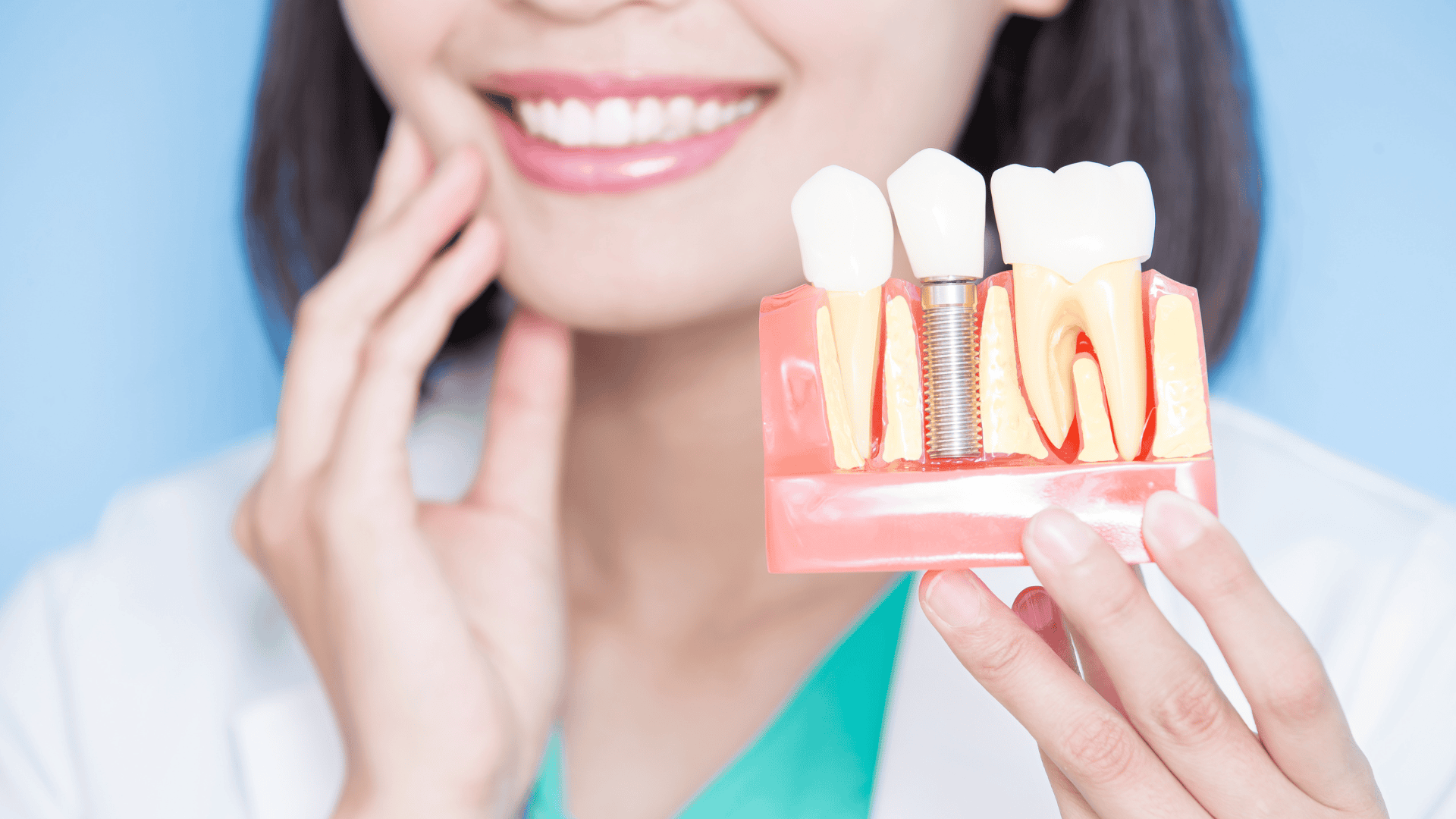
Dental implants are sophisticated artificial tooth roots that are surgically placed into the jawbone to provide a permanent solution for missing teeth. Typically crafted from titanium, a biocompatible material known for its strength and durability, dental implants are designed to integrate with the jawbone, effectively mimicking the natural tooth root.
The journey to obtaining dental implants generally begins with a comprehensive consultation. During this initial appointment, the dentist or oral surgeon evaluates the patient’s oral health, including the condition of the jawbone, gums, and remaining teeth. Advanced imaging techniques, such as X-rays or 3D scans, may be employed to create a detailed treatment plan. If there is insufficient bone density to support an implant, bone grafting may be necessary to enhance the jawbone's structure before the implant procedure.
The actual implantation process is performed under local anesthesia to ensure patient comfort. During the surgery, the dentist makes a small incision in the gum tissue to expose the jawbone, where the implant is then precisely placed. After placement, a healing period, often lasting several months, is required. This period is crucial for osseointegration, where the implant fuses securely with the jawbone, providing a stable foundation for the subsequent dental restoration.
Once the healing is complete, the next step involves attaching a crown, bridge, or denture to the implant. This prosthetic component is custom-made to match the color, shape, and size of the surrounding natural teeth, ensuring a seamless appearance. Patients appreciate dental implants not only for their aesthetic benefits but also for their functional advantages. They restore normal chewing ability, improve speech, and enhance overall oral health.
In addition to their immediate benefits, dental implants play a significant role in long-term oral health. They help prevent bone loss, which can occur after tooth loss, by stimulating the jawbone similarly to natural teeth. Furthermore, unlike traditional dentures, which may slip or require adhesive, dental implants are securely anchored in place, providing greater comfort and confidence for patients.
With proper care and maintenance, including regular dental check-ups and good oral hygiene practices, dental implants can last for many years, making them an excellent investment in one's oral health and quality of life. This innovative solution continues to gain popularity among individuals seeking to restore their smiles and improve their overall dental function.
Dental implants are a highly effective and popular solution for replacing missing teeth and restoring both functionality and aesthetics to a person’s smile. Unlike traditional dentures or bridges, dental implants offer a permanent and natural-looking alternative that closely mimics the structure and function of natural teeth. The main advantage of dental implants is their ability to provide a stable and secure foundation for replacement teeth, which improves chewing, speaking, and overall oral health. Implants are made of biocompatible materials, typically titanium, which integrate with the jawbone through a process called osseointegration, ensuring that they are firmly anchored and function as real teeth would. This integration provides long-term stability and prevents the bone loss that often occurs when teeth are lost, preserving the natural shape of the face and jaw.
Dental implants also offer significant benefits for the patient's confidence and comfort. Unlike removable dentures, implants do not slip or move around in the mouth, so individuals can eat and speak more comfortably without worrying about their teeth shifting. They do not require special adhesives or extensive maintenance, making them a more practical and low-maintenance option. For those who are looking for a long-lasting solution to tooth loss and want to improve their oral health, dental implants are an excellent choice that can provide a secure, durable, and natural-looking result.
The process of placing dental implants typically involves multiple stages and requires careful planning by an experienced dentist or oral surgeon. The procedure begins with an initial consultation and thorough examination, including X-rays or 3D imaging, to assess the condition of the jawbone and determine the best location for the implants. If there is insufficient bone density to support an implant, a bone graft may be recommended to create a stable base for the implant to fuse with.
Once the jawbone is ready, the first stage of the procedure involves placing the titanium implant into the jawbone. This is done through a surgical procedure where a small incision is made in the gum to access the bone. The implant is then inserted, and the gum is sutured closed. The healing period after this stage can take anywhere from 3 to 6 months, during which the implant undergoes osseointegration, fusing with the bone to provide a strong and stable base.
After successful integration, the next stage involves placing an abutment, which is a connector that will hold the replacement tooth or crown. This is typically done in a minor procedure where the gum is reopened to expose the implant. Once the abutment is in place, the gum is allowed to heal around it, and an impression is taken to create a custom crown that will match the natural teeth. The final step is attaching the crown, which is secured onto the abutment and adjusted for a perfect fit. The completed dental implant is now ready for use, providing a stable and functional tooth replacement.
Dental implants offer several significant advantages over other tooth replacement options. One of the most notable benefits is their durability and long-term functionality. With proper care and maintenance, dental implants can last a lifetime, making them a cost-effective option over time compared to other methods that may need frequent replacements. The strong bond that forms between the implant and the jawbone allows for a secure and natural feel, enabling patients to eat, speak, and smile with confidence. This stability also helps maintain the structure of the jawbone, preventing bone loss and preserving the shape of the face.
Another major advantage of dental implants is their ability to improve oral health. Unlike bridges, which require the adjacent teeth to be altered or reduced, dental implants do not affect the neighboring teeth, ensuring that the natural tooth structure is preserved. This helps maintain the integrity of the remaining teeth and promotes overall oral health. Implants are also easy to care for, requiring the same oral hygiene practices as natural teeth, such as regular brushing and flossing.
The aesthetic benefits of dental implants are also significant. The custom-made crowns used with implants are designed to blend seamlessly with the patient’s natural teeth, providing a realistic appearance that can greatly enhance one's smile. The strong, secure placement of implants also eliminates concerns about dentures slipping or moving, giving individuals the freedom to speak and eat with ease. Additionally, dental implants offer the confidence of a permanent solution that requires minimal maintenance and can be customized to match the shape, size, and color of natural teeth, providing a long-lasting and attractive outcome.
Dental implants are designed to replicate the role of natural tooth roots by anchoring directly into the jawbone. Unlike removable solutions, implants become part of the bone structure through osseointegration. This biological process creates a strong and stable foundation for crowns, bridges, or dentures.
Because they function like real tooth roots, dental implants help distribute biting forces evenly across the jaw. This contributes to better comfort and long-term oral stability. Their root-level support is what sets implants apart from other tooth replacement options.
When a tooth is lost, the jawbone in that area no longer receives stimulation from chewing. Over time, this can lead to bone resorption, where the bone gradually shrinks. This process may affect facial structure and the position of neighboring teeth.
Dental implants help counteract this process by stimulating the jawbone in a way similar to natural teeth. Preserving bone density is one of the key long-term health benefits associated with implant-based restorations.
Many adults with missing teeth can be considered for dental implants, provided their overall oral health is stable. Healthy gums and sufficient bone volume are important factors in determining suitability. Medical history and lifestyle habits may also play a role.
👉 Adequate jawbone density or eligibility for grafting
👉 Healthy gum tissue without active infection
👉 Good general health for proper healing
👉 Commitment to long-term oral hygiene
A thorough evaluation helps determine whether dental implants are an appropriate option.
In cases where bone volume is insufficient, bone grafting may be recommended before implant placement. This procedure helps rebuild and strengthen the jawbone, creating a stable base for the implant. Healing after grafting can take several months.
While this adds time to the overall process, it expands the number of people who can benefit from dental implants. Proper preparation plays a key role in long-term implant success.
Dental implants can support different types of restorations depending on how many teeth are missing. A single implant may support one crown, while multiple implants can hold bridges or full-arch dentures.
👉 Single-tooth implants with individual crowns
👉 Implant-supported bridges for multiple gaps
👉 Full-arch implant dentures for extensive tooth loss
👉 Immediate-load implants in selected cases
This flexibility makes dental implants suitable for a wide range of clinical needs.
Traditional dental bridges rely on neighboring teeth for support, which often requires reshaping healthy tooth structure. Over time, this may place extra stress on those teeth. Implants function independently and do not affect adjacent teeth.
By preserving surrounding teeth, dental implants support better long-term oral health. This conservative approach is one reason implants are often considered a modern standard for tooth replacement.
After implant placement, the body begins the process of osseointegration. During this time, bone cells grow around the implant surface, securing it firmly in place. This phase is essential for stability and durability.
Although it requires patience, osseointegration is what allows dental implants to function like natural teeth. Rushing this stage can compromise outcomes, which is why healing time is carefully planned.
Once fully restored, dental implants feel and function much like natural teeth. They allow normal chewing, clear speech, and comfortable biting without movement or pressure points. This stability is especially noticeable when compared to removable dentures.
For many people, dental implants restore confidence in social and professional situations. Eating and speaking become effortless again, without concern about shifting or clicking teeth.
Caring for dental implants is similar to caring for natural teeth. Regular brushing, flossing, and professional check-ups are essential to keep the surrounding gums healthy. While implants cannot decay, gum disease can still affect them.
👉 Brush twice daily with proper technique
👉 Floss around implants to prevent plaque buildup
👉 Attend routine dental check-ups
👉 Avoid smoking to support gum health
Good habits help ensure dental implants remain successful for many years.
Dental implants are known for their durability and long lifespan. With proper care, implants can last decades and often a lifetime. The crown or restoration may need replacement over time due to wear, but the implant itself is highly resilient.
This longevity makes dental implants a long-term investment rather than a temporary fix. Their durability is one of the reasons they are widely recommended for permanent tooth replacement.
Implant-supported crowns are custom-designed to match the shape, size, and color of natural teeth. This creates a seamless appearance that blends naturally with the rest of the smile. The stable foundation also helps maintain natural facial contours.
Because dental implants prevent bone loss, they support facial structure over time. This contributes to a more youthful and balanced appearance.
Tooth loss can affect self-esteem, social interaction, and daily comfort. Restoring missing teeth often leads to improved confidence and overall well-being. Feeling secure when smiling or eating can have a meaningful emotional impact.
For many individuals, dental implants provide more than functional improvement. They offer reassurance, stability, and a renewed sense of normalcy in everyday life.
During your consultation, you will discuss your wishes, medical history, and expectations with the doctor. The doctor will examine you, take measurements if necessary, and explain which treatment suits you best, including risks and recovery. You will have the opportunity to ask questions and then receive a clear treatment proposal.
Make sure you have all relevant medical information ready, such as previous treatments, allergies, or medical conditions. This allows the doctor to give you better advice.
Payment is made securely via SurgeryBooking. You pay the amount in advance to SurgeryBooking. We hold the funds and transfer them to the clinic after your treatment. Cancellation or change conditions vary per clinic and are clearly communicated in advance.
During the consultation (online or at the clinic), the doctor will assess this based on your health, expectations, and physical characteristics. You will discuss what you want, what is possible, and what the limitations are. Sometimes there are alternatives if the chosen treatment is not ideal.
Through SurgeryBooking.com, you can quickly and easily book a consultation or procedure with doctors and clinics worldwide. SurgeryBooking.com provides an overview of doctors and clinics, allowing you to make an informed and transparent choice when booking a consultation or procedure.
You can easily book through the profile of the desired clinic or doctor. Select the desired treatment, enter your details, and choose an available date and time. If there are any costs involved, you will complete the payment first. Afterwards, you will receive a confirmation email with all the details.
Yes, during the booking process, you can indicate whether you prefer an online consultation or an in-person consultation at the clinic.
With SurgeryBooking.com, you gain access to a global network of doctors and clinics. Through SurgeryBooking.com, you can easily book a consultation or a cosmetic procedure directly. Clinic profiles provide information about available cosmetic procedures, reviews, photos of the clinic, and other relevant details. This enables you to compare costs and make an informed decision when booking a consultation or procedure.