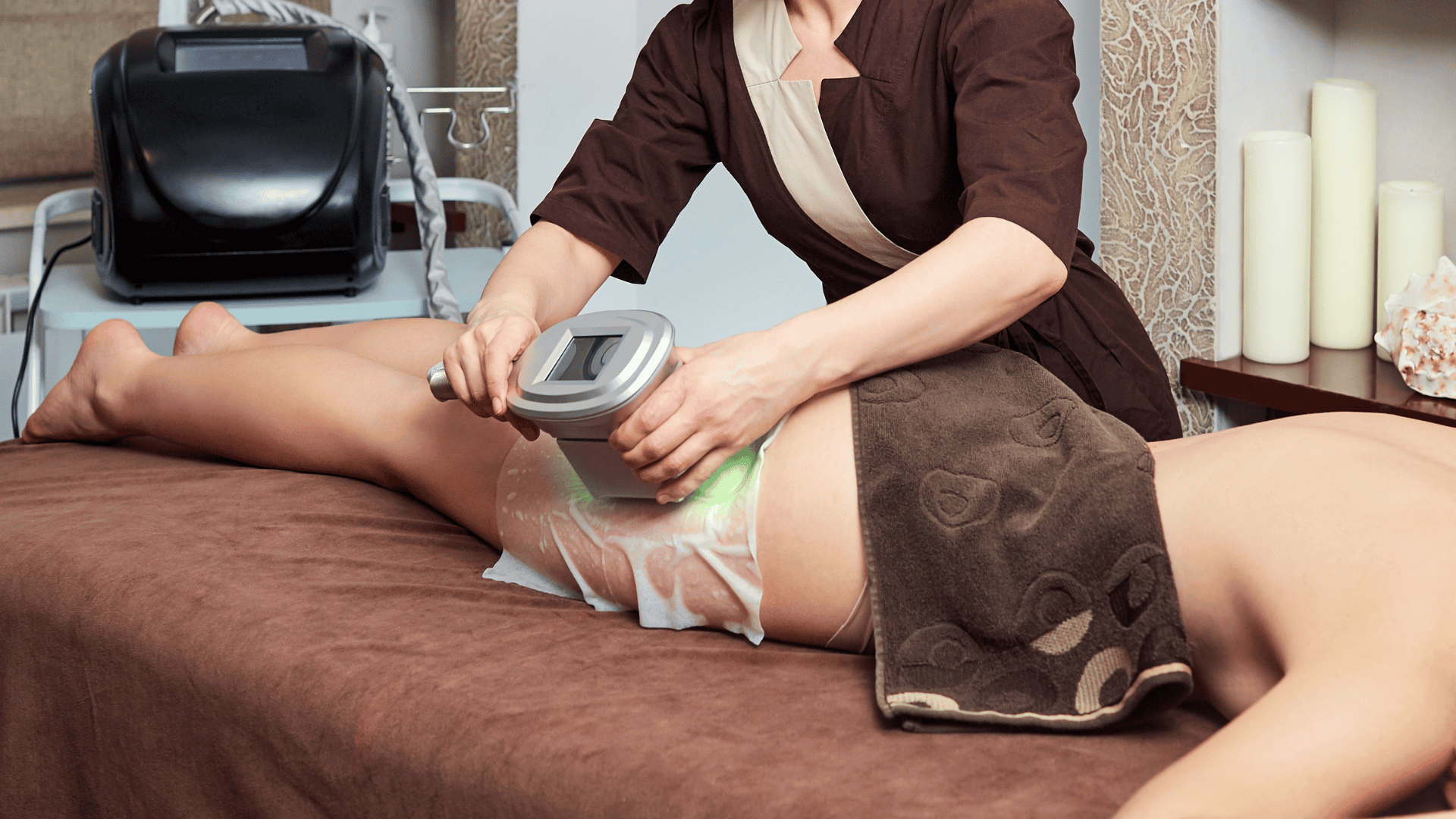
Cryolipolysis (Legs) is a non-invasive cosmetic procedure designed to reduce localized fat deposits through the use of cold temperatures. Commonly referred to as "fat freezing," this technique targets stubborn fat areas in the legs that are often resistant to diet and exercise.
During the treatment, a specialized device is applied to the targeted area. This device cools the fat cells to a temperature that causes them to undergo apoptosis (cell death) without damaging the surrounding skin or tissues. Over time, the body naturally eliminates the destroyed fat cells through the lymphatic system.
Cryolipolysis has gained popularity due to its minimal downtime. Most patients can resume their daily activities immediately following the procedure. Results typically become visible after several weeks as the body continues to process and eliminate the frozen fat cells.
This treatment is ideal for individuals who maintain a healthy lifestyle but struggle with specific fat pockets. It is essential to consult with a qualified professional to assess suitability for the procedure and to discuss expectations and potential outcomes.
Cryolipolysis, also known as fat freezing, is a non-invasive body contouring treatment that has become increasingly popular for targeting stubborn fat in areas like the legs. Many people struggle with localized fat deposits on their thighs, calves, or ankles, which can be resistant to diet and exercise. Cryolipolysis offers a safe, effective solution for individuals looking to reduce fat in these areas without the need for surgery or downtime. This treatment is ideal for those who want to sculpt their legs and achieve a more toned, slender appearance.
People choose cryolipolysis because it specifically targets fat cells in the treated area, freezing them to the point of destruction without affecting the surrounding skin, muscles, or tissue. Once the fat cells are frozen, the body naturally processes and eliminates them over time. This method provides a subtle yet noticeable reduction in fat, which is often more difficult to achieve with traditional weight loss methods. Cryolipolysis is particularly beneficial for individuals who have a stable weight but want to address stubborn pockets of fat that do not respond to exercise. For many, it is the perfect solution for enhancing leg contours and achieving a more proportionate, streamlined look.
Cryolipolysis for the legs is a non-invasive procedure that involves the use of a specialized device to freeze and break down fat cells. The process starts with a consultation, where a trained specialist assesses the areas of concern, such as the inner or outer thighs, calves, or ankles. After identifying the areas to be treated, a cooling device is applied to the skin. The device has a suction mechanism that gently pulls the skin and fat into the treatment applicator, where controlled cooling is applied to the target area.
The temperature is carefully controlled to ensure that it only affects the fat cells, freezing them without damaging the surrounding tissues. The cooling process typically lasts for about 35 to 60 minutes per area, depending on the size of the treatment area and the amount of fat being targeted. During the procedure, patients may experience sensations of pulling, mild pinching, or coldness, but these typically subside once the area becomes numb.
Once the treatment session is complete, the area is massaged to help break up the crystallized fat cells, encouraging the body’s natural elimination process. Unlike surgical procedures, cryolipolysis requires no incisions, needles, or anesthesia, making it a relatively comfortable and risk-free option. Patients can typically return to their normal activities immediately after the procedure, with no significant downtime or recovery period needed.
Cryolipolysis offers several compelling benefits for individuals looking to reduce localized fat on the legs. One of the most notable advantages is its non-invasive nature. Unlike traditional liposuction, cryolipolysis does not require surgery or incisions, which means there is no risk of scarring, infection, or lengthy recovery. This makes it an attractive option for those who want to avoid the risks and downtime associated with surgical fat removal procedures.
Another key benefit is the precision with which cryolipolysis targets fat cells. The treatment is highly localized, allowing for targeted fat reduction in specific areas like the thighs, calves, or ankles. As the fat cells are frozen and eliminated naturally by the body, patients can expect to see gradual, yet noticeable improvements in leg contour and shape over the course of a few weeks to months. The results are natural-looking and long-lasting, provided the patient maintains a stable weight.
Cryolipolysis is also a relatively quick procedure, with each treatment session typically lasting under an hour per area, making it easy to fit into a busy schedule. Most people can resume their daily activities immediately after the treatment, with no need for post-procedure downtime. The results continue to improve over time as the body processes and eliminates the frozen fat cells. For individuals seeking to reduce fat in the legs without the need for invasive surgery, cryolipolysis provides an effective, convenient, and safe alternative.
Cryolipolysis works by exposing fat cells to controlled cold temperatures, causing them to crystallize and break down. Fat cells are more sensitive to cold than surrounding tissues, which allows targeted treatment without damaging skin, nerves, or muscles. This makes cryolipolysis for the legs particularly suitable for delicate and visible areas. Once the fat cells are frozen, they gradually undergo a natural elimination process. The body processes these cells through the lymphatic system over time.
This mechanism explains why results are not immediate. The reduction appears gradually as the body clears the damaged fat cells. Cryolipolysis focuses on contouring rather than dramatic fat loss. Understanding this process helps set realistic expectations. The goal is smoother, more refined leg contours. Education around the biological process supports informed decision-making.
Fat freezing differs significantly from weight loss and surgical fat removal. Weight loss reduces fat throughout the body, while cryolipolysis legs treatments target specific areas. Traditional liposuction physically removes fat during surgery, whereas cryolipolysis relies on the body’s natural response. This makes it a non-invasive alternative. The absence of incisions and anesthesia is a key distinction.
Cryolipolysis is often explored by individuals close to their ideal weight. It is not intended for large-volume fat reduction. Instead, it refines areas resistant to lifestyle changes. Understanding these differences helps prevent unrealistic expectations. Body contouring and weight loss serve different purposes.
Cryolipolysis can be applied to several areas of the legs depending on fat distribution. Treatment planning focuses on symmetry and natural proportions. Cryolipolysis for legs is commonly used to refine zones where fat pockets are most noticeable. Precision is especially important in areas with thin skin.
Frequently treated areas include:
👉 Inner thighs
👉 Outer thighs
👉 Above the knees
👉 Lower thigh regions
Each area responds differently based on fat thickness and skin elasticity. A personalized approach helps achieve balanced results. Understanding treatment zones clarifies what the procedure can address.
Individuals who research cryolipolysis legs procedures often share similar characteristics. They usually maintain a stable weight and healthy habits. Despite this, localized fat deposits remain. These areas may not respond to exercise or diet changes. Cryolipolysis is often viewed as a refinement tool rather than a transformation method.
Motivations often include improving leg shape and clothing fit. Many people seek subtle contouring rather than dramatic change. Understanding personal goals is essential. Clear motivation supports satisfaction with outcomes. This perspective promotes realistic planning.
Skin elasticity plays an important role in the final appearance after cryolipolysis for the legs. As fat volume reduces, the skin must adapt to new contours. Individuals with good elasticity often experience smoother results. Reduced elasticity may limit visible tightening. This is why skin quality is often discussed during consultations.
Cryolipolysis does not directly tighten skin. Its primary effect is fat reduction. Understanding this distinction is important. Expectations should focus on contour improvement rather than skin lifting. Education around skin response supports informed decisions.
A cryolipolysis session for the legs typically begins with marking the treatment area. A protective gel pad is applied to safeguard the skin. The applicator then delivers controlled cooling. During the first few minutes, sensations of cold and pressure are common. These usually subside as the area becomes numb.
Sessions typically last under an hour per area. Patients often read or relax during treatment. Cryolipolysis legs sessions do not require anesthesia. Once completed, the area may be massaged briefly. Understanding the session flow helps reduce anxiety.
One of the main reasons people choose cryolipolysis for legs is minimal downtime. Most individuals return to normal activities immediately. Mild redness, numbness, or tingling may occur temporarily. These effects usually resolve on their own. Serious interruptions to routine are uncommon.
Exercise routines may resume quickly, depending on comfort level. There are typically no strict activity restrictions. This convenience makes cryolipolysis appealing for busy lifestyles. Understanding post-treatment expectations helps with planning. Comfort and flexibility are key benefits.
Results from cryolipolysis legs treatments develop gradually. Initial changes may appear within a few weeks. The most noticeable improvements often occur after several months. This timeline reflects the body’s natural fat elimination process. Patience is an important part of the experience.
Final outcomes depend on individual metabolism and lifestyle. Maintaining stable habits supports visible results. Understanding the gradual nature of change prevents disappointment. Subtle improvement is often the goal. Education supports realistic expectations.
Once fat cells are eliminated through cryolipolysis, they do not regenerate. However, remaining fat cells can still expand with weight gain. Long-term results depend on lifestyle consistency. Balanced nutrition and regular movement support stability. Cryolipolysis is not immune to natural body changes.
Viewing the treatment as part of a broader wellness approach is helpful. Maintenance focuses on healthy habits rather than repeat procedures. Understanding this relationship supports long-term satisfaction. Awareness promotes responsible expectations.
Cryolipolysis is widely discussed for its safety profile. Cryolipolysis for legs is non-invasive and does not involve needles or incisions. Suitability depends on individual health and fat distribution. Not everyone is an ideal candidate. Professional assessment helps determine appropriateness.
Common evaluation factors include:
👉 Overall health condition
👉 Thickness of localized fat
👉 Skin sensitivity or conditions
Cryolipolysis aims for contour refinement rather than dramatic reshaping. Cryolipolysis legs treatments typically produce modest fat reduction per session. Results vary based on anatomy and response. Clear expectations contribute to satisfaction. Comparing outcomes realistically is important.
Multiple sessions may be discussed depending on goals. Perfection is not guaranteed. Understanding limitations helps align expectations. Thoughtful planning supports natural-looking outcomes.
Body contouring decisions often involve emotional considerations. Many people explore cryolipolysis for the legs to feel more confident in clothing. Self-image plays a significant role in satisfaction. Emotional readiness is as important as physical suitability. Personal motivation supports positive experiences.
Approaching treatment as a personal wellness choice is helpful. External pressure can affect satisfaction. Balanced expectations support emotional well-being. Confidence often grows with subtle, natural improvements.
Finally, cryolipolysis offers a long-term solution for body contouring. Once the fat cells are eliminated, they do not regenerate, meaning that the results are permanent as long as the individual maintains a stable weight. The treatment is ideal for individuals who are near their goal weight and want to target specific fat deposits that resist traditional weight loss methods. Overall, cryolipolysis provides a powerful tool for reshaping the legs, resulting in a slimmer, more defined appearance with minimal discomfort and no surgical risks.
During your consultation, you will discuss your wishes, medical history, and expectations with the doctor. The doctor will examine you, take measurements if necessary, and explain which treatment suits you best, including risks and recovery. You will have the opportunity to ask questions and then receive a clear treatment proposal.
Make sure you have all relevant medical information ready, such as previous treatments, allergies, or medical conditions. This allows the doctor to give you better advice.
Payment is made securely via SurgeryBooking. You pay the amount in advance to SurgeryBooking. We hold the funds and transfer them to the clinic after your treatment. Cancellation or change conditions vary per clinic and are clearly communicated in advance.
During the consultation (online or at the clinic), the doctor will assess this based on your health, expectations, and physical characteristics. You will discuss what you want, what is possible, and what the limitations are. Sometimes there are alternatives if the chosen treatment is not ideal.
Through SurgeryBooking.com, you can quickly and easily book a consultation or procedure with doctors and clinics worldwide. SurgeryBooking.com provides an overview of doctors and clinics, allowing you to make an informed and transparent choice when booking a consultation or procedure.
You can easily book through the profile of the desired clinic or doctor. Select the desired treatment, enter your details, and choose an available date and time. If there are any costs involved, you will complete the payment first. Afterwards, you will receive a confirmation email with all the details.
Yes, during the booking process, you can indicate whether you prefer an online consultation or an in-person consultation at the clinic.
With SurgeryBooking.com, you gain access to a global network of doctors and clinics. Through SurgeryBooking.com, you can easily book a consultation or a cosmetic procedure directly. Clinic profiles provide information about available cosmetic procedures, reviews, photos of the clinic, and other relevant details. This enables you to compare costs and make an informed decision when booking a consultation or procedure.