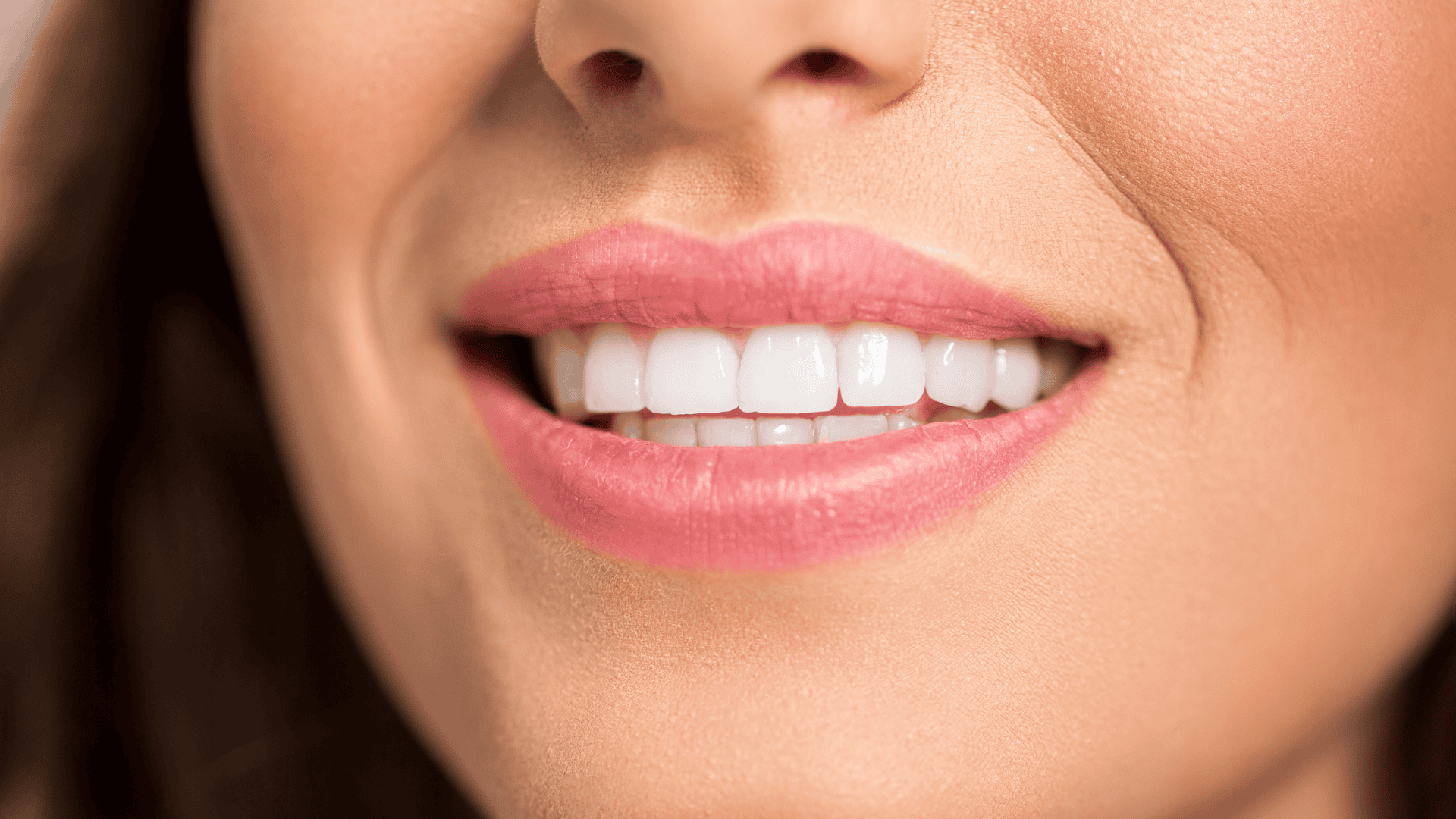
Composite veneers are thin layers of material applied to the front surface of teeth to improve their appearance. They are used to correct the shape, color, and alignment of teeth, offering a solution for teeth that are crooked, discolored, or damaged. The primary material used for these veneers is composite resin, a tooth-colored substance that is applied in layers onto the tooth. It is then hardened with a special light, bonding the material securely to the tooth. This procedure is typically done by a dentist and can often be completed in a single visit.
Composite veneers are popular due to their relatively low cost and the ability to adjust the result directly during the treatment. Another advantage is that less of the natural tooth structure needs to be removed compared to other methods like porcelain veneers. The procedure is also minimally invasive, meaning little to no anesthesia is required. The final result looks natural, as the composite material can be tailored to match the color of the patient's natural teeth.
While composite veneers offer an excellent option for cosmetic improvements, there are some drawbacks. The material is less durable than porcelain and may discolor over time, especially with frequent consumption of coffee, tea, or tobacco. Composite is also more prone to wear and chipping. Therefore, it is important to avoid hard foods and maintain good oral hygiene to prolong the lifespan of the veneers.
Overall, composite veneers provide a versatile and affordable solution for people looking to enhance their smile without undergoing extensive dental work. The results are often immediate, and with proper care, composite veneers can last for several years.
Composite veneers are an excellent cosmetic dental option for those looking to enhance the appearance of their smile without the need for extensive dental work. Made from a durable, tooth-colored resin material, composite veneers can be applied directly to the surface of the teeth to correct imperfections such as discoloration, chips, gaps, and minor misalignments. One of the key advantages of composite veneers is their versatility and the relatively quick application process. Unlike porcelain veneers, which require multiple visits and a longer preparation time, composite veneers can often be placed in just one appointment, making them a convenient solution for people with busy schedules. Additionally, composite veneers are less expensive than porcelain veneers, making them an attractive option for those who want to improve their smile without breaking the bank.
Composite veneers can also be easily adjusted or repaired if necessary, allowing for greater flexibility in maintaining their appearance over time. The material used is highly adaptable, so it can be sculpted and colored to achieve the desired look, whether that means whitening teeth, closing gaps, or changing the shape of teeth to create a more balanced and harmonious smile. The treatment is minimally invasive, as it requires very little enamel removal, which helps preserve the natural structure of the teeth. For individuals who want a natural-looking, customized solution for dental imperfections, composite veneers offer a highly effective and affordable option.
The process of applying composite veneers begins with a consultation with a dentist who specializes in cosmetic dentistry. During this initial appointment, the dentist will assess the patient's teeth, discuss their goals, and determine if composite veneers are the right choice. Unlike porcelain veneers, composite veneers require minimal preparation, often only involving the cleaning and slight etching of the surface of the teeth to ensure the resin adheres properly. The dentist may also use a local anesthetic if needed, although this is not always necessary for a composite veneer application.
After preparing the teeth, the dentist will select the appropriate shade of composite resin to match the natural color of the patient’s teeth. The resin is then applied in layers to the surface of the teeth. The dentist uses specialized tools to shape and mold the resin to achieve the desired look and smooth out imperfections. Each layer is cured with a special light, which hardens the material, and the process is repeated until the desired thickness and shape are achieved. Once the final layer is set, the dentist will make any necessary adjustments to ensure proper bite and alignment and will polish the veneers to create a natural shine.
Composite veneers can typically be applied in just one visit, making them a convenient choice for patients who want immediate results. The procedure usually takes about one to two hours, depending on the number of teeth being treated and the complexity of the case.
Composite veneers offer several advantages for individuals who want to improve the aesthetics of their smile. One of the main benefits is their affordability compared to porcelain veneers. Composite veneers are a cost-effective solution for people who want to address dental imperfections without committing to the higher price of porcelain. Additionally, the application of composite veneers is less invasive and typically requires only minimal enamel removal, which helps preserve the natural structure of the teeth.
Another significant benefit is the ability to customize the veneers to meet the patient’s specific needs. The dentist can shape and color the composite resin to create a natural and harmonious look, making it an ideal option for those who want to address multiple issues such as discoloration, minor gaps, and uneven teeth. The treatment is relatively quick and can often be completed in a single visit, allowing patients to leave the dental office with an improved smile.
Composite veneers are also easier to repair and adjust than porcelain veneers. If a veneer becomes chipped or stained over time, it can be easily fixed without having to replace the entire veneer. This feature provides added flexibility and convenience for long-term maintenance. While composite veneers may not be as durable as porcelain and may need to be replaced sooner, with proper oral hygiene and care, they can still last for several years. Regular dental check-ups, avoiding habits that could damage the veneers (such as biting hard foods or using teeth as tools), and good oral hygiene can help ensure the longevity of composite veneers.
Composite veneers play an important role in modern cosmetic dentistry because they allow visible improvements with minimal alteration to natural teeth. By applying resin directly to the tooth surface, dentists can reshape, recolor, and rebalance a smile in a controlled way. This makes composite veneers especially appealing for people seeking subtle yet noticeable changes.
Unlike more invasive cosmetic options, composite veneers focus on enhancing what is already there. The treatment is highly adaptable, allowing real-time adjustments during application. This flexibility supports a personalized outcome that aligns with the patient’s facial features and natural tooth structure.
Composite veneers are often chosen to correct several minor imperfections at once. Rather than treating each issue separately, veneers allow a holistic approach to smile enhancement. This makes them suitable for people who want an overall improvement without extensive dental work.
👉 Discolored or stained teeth
👉 Small chips or uneven edges
👉 Minor gaps between teeth
👉 Slightly misaligned or irregular teeth
By addressing these concerns together, composite veneers help create a more balanced and harmonious smile.
While both options aim to improve aesthetics, composite and porcelain veneers differ significantly in material, process, and longevity. Composite veneers are applied directly to the teeth, while porcelain veneers are fabricated in a laboratory. This affects both cost and treatment time.
Composite veneers are often more affordable and require less enamel removal. Porcelain veneers, on the other hand, tend to last longer and resist staining more effectively. Understanding these differences helps individuals choose the option that best suits their priorities and expectations.
One of the most appealing aspects of composite veneers is how conservative the procedure is. In many cases, little to no enamel needs to be removed. This helps preserve the natural tooth structure and reduces the need for anesthesia.
Because the process is reversible in some situations, composite veneers are sometimes seen as a lower-commitment option compared to other cosmetic treatments. This makes them attractive to people exploring cosmetic dentistry for the first time.
Applying composite veneers is both a technical and artistic process. Dentists layer the resin carefully, shaping each tooth to achieve symmetry and natural contours. Color matching is also crucial to ensure the veneers blend seamlessly with surrounding teeth.
This hands-on approach allows composite veneers to be refined during the appointment itself. Small adjustments can be made instantly, offering a level of customization that is difficult to achieve with prefabricated restorations.
Composite veneers are durable, but they are not as strong as porcelain. With proper care, they can last several years, but they may require maintenance or touch-ups over time. Their lifespan depends on oral habits, diet, and overall dental hygiene.
👉 Composite resin is more prone to wear
👉 Chipping may occur with excessive force
👉 Staining can develop over time
👉 Regular check-ups help extend longevity
Understanding the realistic durability of composite veneers helps set appropriate expectations.
Although composite veneers are designed to look natural, they are more porous than porcelain. This means they may absorb pigments from food and drinks over time. Coffee, tea, red wine, and smoking are common contributors to discoloration.
Maintaining brightness with composite veneers often involves mindful dietary choices and consistent oral hygiene. Occasional polishing by a dental professional can also help restore surface shine.
Caring for composite veneers is similar to caring for natural teeth. Brushing twice daily, flossing, and attending regular dental check-ups are essential. Veneers do not prevent decay or gum disease at the tooth margins.
Avoiding habits like nail biting or chewing on hard objects helps protect composite veneers from damage. Proper care supports both appearance and function over time.
One advantage of composite veneers is how easily they can be repaired. If a veneer chips or becomes worn, it can often be fixed without replacing the entire restoration. This offers practical flexibility compared to more rigid alternatives.
Because adjustments are straightforward, composite veneers can evolve with changing aesthetic preferences. This adaptability is especially appealing for younger patients or those seeking gradual cosmetic changes.
While primarily cosmetic, composite veneers can also restore minor functional issues. They may improve tooth edges that are worn down or help distribute bite forces more evenly in mild cases. This can enhance comfort during everyday activities like chewing.
In this way, composite veneers contribute to both visual improvement and basic dental function, provided underlying oral health is stable.
Composite veneers are best suited for individuals with generally healthy teeth and gums who want to correct minor imperfections. Severe misalignment, extensive decay, or active gum disease may require alternative treatments first.
A thorough dental assessment helps determine whether composite veneers are appropriate. Proper case selection plays a key role in achieving satisfying and lasting results.
A smile often influences confidence, communication, and first impressions. Small dental imperfections can affect how comfortable someone feels smiling or speaking. Improving these details may have a positive psychological effect.
For many people, composite veneers provide an immediate confidence boost without dramatic change. This subtle improvement often feels empowering rather than transformative, supporting a more positive self-image.
During your consultation, you will discuss your wishes, medical history, and expectations with the doctor. The doctor will examine you, take measurements if necessary, and explain which treatment suits you best, including risks and recovery. You will have the opportunity to ask questions and then receive a clear treatment proposal.
Make sure you have all relevant medical information ready, such as previous treatments, allergies, or medical conditions. This allows the doctor to give you better advice.
Payment is made securely via SurgeryBooking. You pay the amount in advance to SurgeryBooking. We hold the funds and transfer them to the clinic after your treatment. Cancellation or change conditions vary per clinic and are clearly communicated in advance.
During the consultation (online or at the clinic), the doctor will assess this based on your health, expectations, and physical characteristics. You will discuss what you want, what is possible, and what the limitations are. Sometimes there are alternatives if the chosen treatment is not ideal.
Through SurgeryBooking.com, you can quickly and easily book a consultation or procedure with doctors and clinics worldwide. SurgeryBooking.com provides an overview of doctors and clinics, allowing you to make an informed and transparent choice when booking a consultation or procedure.
You can easily book through the profile of the desired clinic or doctor. Select the desired treatment, enter your details, and choose an available date and time. If there are any costs involved, you will complete the payment first. Afterwards, you will receive a confirmation email with all the details.
Yes, during the booking process, you can indicate whether you prefer an online consultation or an in-person consultation at the clinic.
With SurgeryBooking.com, you gain access to a global network of doctors and clinics. Through SurgeryBooking.com, you can easily book a consultation or a cosmetic procedure directly. Clinic profiles provide information about available cosmetic procedures, reviews, photos of the clinic, and other relevant details. This enables you to compare costs and make an informed decision when booking a consultation or procedure.