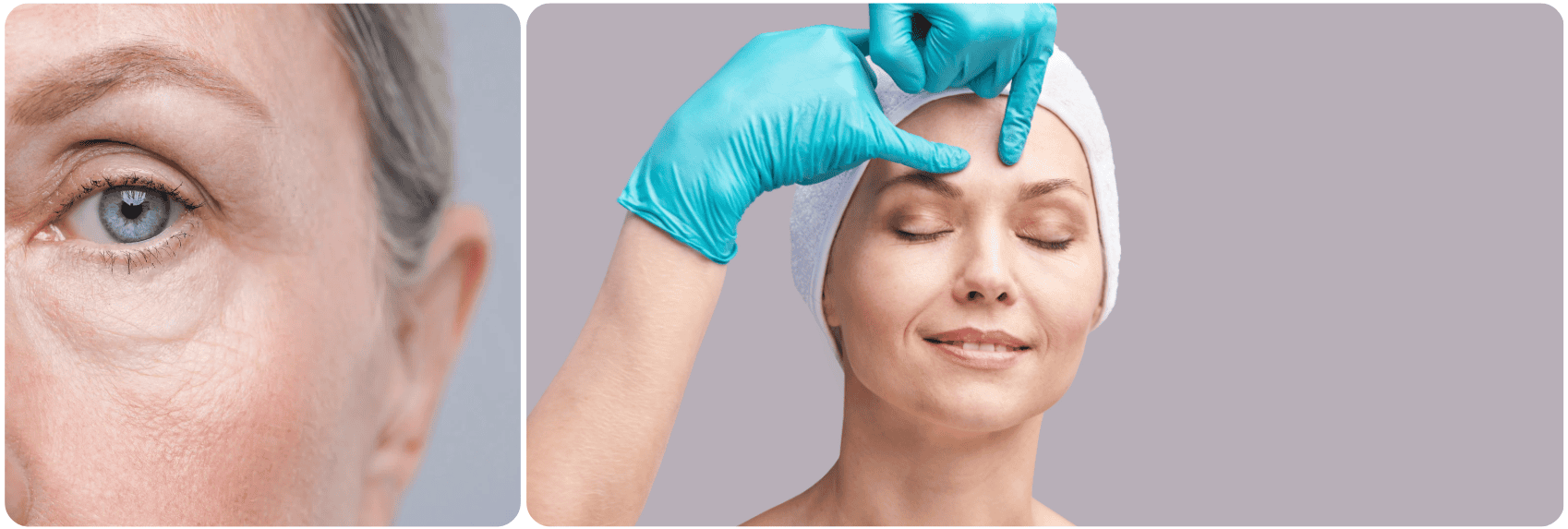
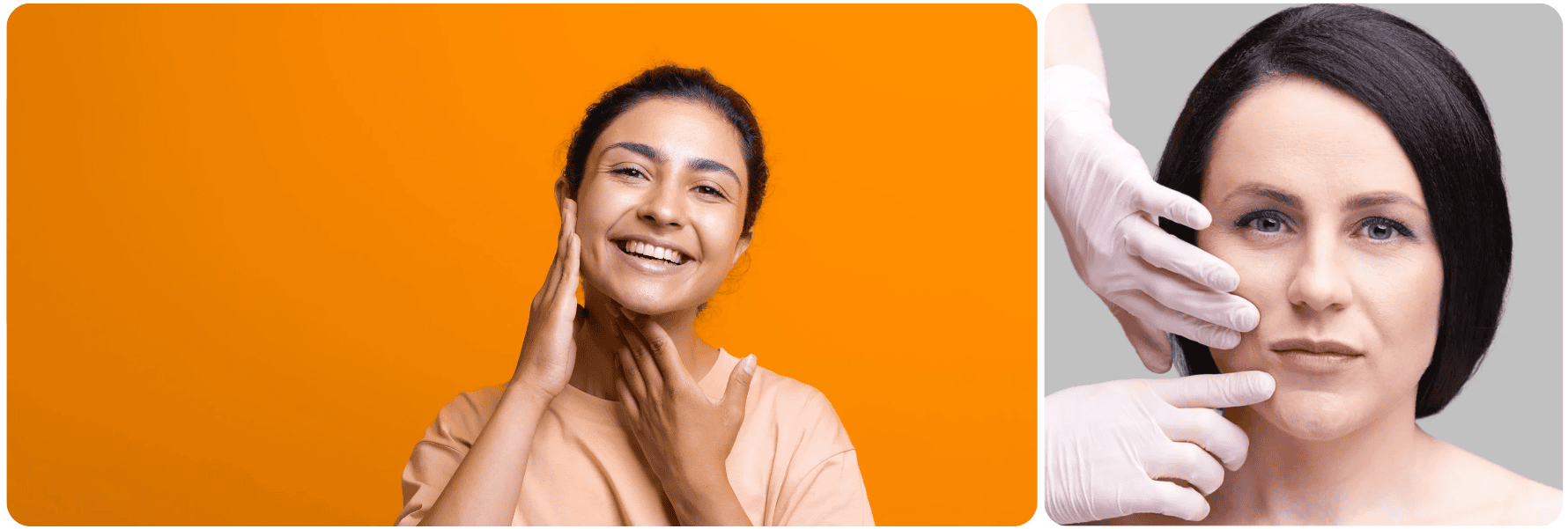
A CO2 laser is a type of laser used in skin therapy and cosmetic dermatology. It works by emitting a concentrated beam of carbon dioxide (CO2) light energy. This laser interacts with the water molecules in skin cells, causing the outer layer or specific layers of the skin to vaporize. This process stimulates the skin’s natural regeneration and boosts collagen production, resulting in a tighter, smoother, and more youthful appearance.
A CO2 laser is a type of laser used in skin therapy and cosmetic dermatology.
The CO2 laser is often used to treat various skin issues such as wrinkles, acne scars, pigmentation spots, and uneven skin texture. Because the laser is highly precise, it can target specific areas of the skin without affecting surrounding tissue, making it a popular choice for those seeking an effective treatment with minimal damage to the skin.
Depending on the intensity of the treatment, recovery time can range from a few days to several weeks. During this period, the skin undergoes a healing process, and temporary redness, swelling, or scabbing may occur. Once healed, the result is typically smoother skin with reduced visible imperfections. As the CO2 laser can be a more intensive procedure, it is often recommended for individuals looking for significant improvements in skin texture and tone. It is important to have a thorough consultation with a specialist before the treatment to determine if this is the right option, as not all skin types may be suitable for this technique.
CO2 laser treatment is a powerful and effective option for individuals looking to rejuvenate their skin by addressing issues such as deep wrinkles, fine lines, acne scars, sun damage, and uneven skin texture. Many people choose CO2 laser treatment because it offers significant, long-lasting results that can dramatically improve the appearance of the skin. This treatment is particularly suited for individuals who have not seen sufficient results from less aggressive treatments and are seeking a solution that can deliver more dramatic improvements in a single session.
CO2 laser treatment is a powerful and effective option for individuals looking to rejuvenate their skin by addressing issues such as deep wrinkles, fine lines, acne scars, sun damage, and uneven skin texture.
CO2 laser resurfacing works by removing the outermost layers of damaged skin and stimulating the production of collagen, which helps the skin heal and regenerate. This results in smoother, tighter, and younger-looking skin. The procedure is especially beneficial for individuals dealing with significant signs of aging, such as deep wrinkles around the eyes or mouth, and those who want to diminish the appearance of scars from acne or surgery.** With proper care, the results of CO2 laser treatment can last for several years, making it an appealing option for those who want to achieve long-term skin rejuvenation without invasive surgery**.
CO2 laser treatment is performed using a highly focused beam of carbon dioxide (CO2) laser light, which precisely removes thin layers of damaged skin tissue. The treatment can be tailored to the patient’s specific needs, with the laser being adjusted to target different depths of skin. The procedure can be performed on areas like the face, neck, and hands, and is often used to treat deeper wrinkles, scars, and significant sun damage. The procedure is generally performed in an outpatient setting under local anesthesia, and for larger areas, sedation may be used to ensure patient comfort.
During the treatment, the CO2 laser vaporizes the top layers of the skin, removing damaged or aged skin cells and allowing new, healthy skin to form in its place. At the same time, the heat from the laser stimulates the production of collagen in the deeper layers of the skin, which helps to tighten and firm the skin over time. The entire process usually takes between 30 minutes and two hours, depending on the size of the treatment area and the depth of the laser penetration.
After the procedure, the skin will be red, swollen, and may feel similar to a sunburn. As the skin heals, it will peel, revealing smoother, more youthful skin underneath. Full recovery can take one to two weeks, depending on the intensity of the treatment, with redness possibly lasting a bit longer. Proper aftercare, including keeping the skin moisturized and protecting it from the sun, is essential for optimal healing and results. Although the recovery period for CO2 laser treatment can be longer than for less aggressive treatments, the dramatic results it offers make it a worthwhile option for many individuals seeking significant skin improvement.
The cost of CO2 laser resurfacing varies depending on several important factors. One of the main influences is the size of the treatment area. Larger areas require more time and resources, which increases overall cost. The intensity of CO2 laser treatment also affects pricing.
Another factor is the complexity of the skin condition being treated. Deeper wrinkles or severe scarring may require more advanced settings. The experience of the practitioner and the technology used can also influence pricing differences.
👉 Size of the treated area
👉 Depth and complexity of skin concerns
👉 Type of CO2 laser technology used
👉 Experience level of the provider
Geographic location can also impact cost variations. Additionally, whether multiple sessions are needed will affect total expenses. Understanding these factors helps set realistic expectations regarding CO2 laser treatment investment.
CO2 laser treatment provides numerous benefits, especially for individuals looking for a comprehensive solution to a range of skin concerns, including deep wrinkles, acne scars, and significant sun damage. One of the most notable advantages of CO2 laser treatment is its ability to produce dramatic, long-lasting results with just one session. Because it is a powerful laser, it can target deeper layers of the skin, addressing more severe issues that other less invasive treatments may not effectively resolve. Patients can expect smoother, tighter, and more youthful-looking skin, as the laser not only removes damaged layers but also stimulates collagen production for continued skin improvement over time.
CO2 laser treatment provides numerous benefits, especially for individuals looking for a comprehensive solution to a range of skin concerns, including deep wrinkles, acne scars, and significant sun damage.
Another key benefit is the treatment’s precision. The CO2 laser can be customized to treat specific areas with varying degrees of intensity, making it highly effective for targeting deep wrinkles around the mouth or eyes, or for treating specific scars without affecting the surrounding healthy tissue. This precision ensures that patients receive the best possible results with minimal damage to unaffected areas of the skin, reducing the risk of complications and scarring.
Additionally, CO2 laser resurfacing is ideal for individuals seeking long-term improvement in their skin’s appearance. While some treatments require multiple sessions to see results, CO2 laser treatment typically requires only one or two sessions to achieve significant improvements that can last for years, especially when patients maintain a good skincare routine and protect their skin from sun exposure. Though the recovery time may be longer compared to less intense treatments, the comprehensive results—such as reduced wrinkles, improved skin tone, and diminished scars—make CO2 laser resurfacing an attractive option for those seeking a powerful skin rejuvenation treatment.
Proper preparation is essential to ensure safe and effective CO2 laser treatment outcomes. In the weeks leading up to the procedure, patients are often advised to avoid sun exposure and tanning beds. This reduces the risk of complications such as pigmentation changes. A consultation is also necessary to assess skin type, medical history, and suitability for the treatment.
In addition, certain skincare products may need to be discontinued before the procedure. Retinoids, exfoliating acids, and harsh active ingredients can increase skin sensitivity. Hydrating and soothing skincare is usually recommended instead to strengthen the skin barrier. Preparing the skin properly helps optimize healing after CO2 laser resurfacing.
👉 Avoid direct sun exposure for at least 2–4 weeks
👉 Stop using retinoids and strong exfoliants
👉 Keep skin well-hydrated before treatment
👉 Discuss medical history and medications with a specialist
Patients are also advised to plan downtime in advance, as recovery requires several days to weeks depending on treatment depth. Arranging time off work or social activities helps reduce stress during healing. Proper preparation significantly improves both comfort and results of CO2 laser treatment.
CO2 laser treatment is most suitable for individuals with visible skin damage such as deep wrinkles, acne scars, or pronounced pigmentation issues. It is often chosen by people who want more noticeable results than those offered by mild laser or peel treatments. CO2 laser treatment is generally recommended for those with fair to medium skin tones, as certain darker skin types may have a higher risk of pigmentation changes.
CO2 laser treatment is most suitable for individuals with visible skin damage such as deep wrinkles, acne scars, or pronounced pigmentation issues.
Candidates should be in good overall health and have realistic expectations about both results and recovery. Because the procedure is more intensive, it is usually selected by individuals who are prepared for downtime in exchange for significant skin improvement. A thorough skin assessment is essential to determine suitability.
CO2 laser resurfacing is known for its versatility in treating multiple skin concerns at once. By working on deeper skin layers, it can address issues that surface-level treatments cannot fully resolve. This makes CO2 laser resurfacing a comprehensive option for overall skin rejuvenation.
Common concerns treated include:
👉 Deep wrinkles and fine lines
👉 Acne scars and surgical scars
👉 Sun damage and age spots
👉 Uneven skin texture and tone
Treating multiple concerns in one procedure is one of the reasons CO2 laser remains widely used in aesthetic dermatology.
There are different types of CO2 laser treatments, most notably traditional and fractional CO2 lasers. Traditional CO2 lasers treat the entire skin surface, while fractional CO2 lasers create microscopic treatment zones, leaving surrounding skin intact. This approach allows for faster healing while still delivering powerful results.
Fractional CO2 laser treatment is often chosen by individuals who want a balance between effectiveness and reduced downtime. Traditional CO2 lasers, on the other hand, may be used for more severe skin concerns where deeper resurfacing is required.
Recovery after CO2 laser resurfacing happens in stages and varies depending on treatment intensity. In the first days, redness, swelling, and a sunburn-like sensation are common. As healing progresses, the skin begins to peel and regenerate.
Typical recovery phases include:
👉 Initial redness and swelling during the first week
👉 Peeling and formation of new skin layers
👉 Gradual fading of redness over several weeks
Understanding this process helps patients prepare for downtime associated with CO2 laser resurfacing.
One of the most valuable effects of CO2 laser treatment is collagen stimulation. While surface healing happens relatively quickly, collagen remodeling continues beneath the skin for months. This gradual process leads to ongoing improvements in firmness and texture.
Because of this, CO2 laser treatment results often continue to improve long after the skin has healed. This long-term collagen boost contributes to smoother, tighter, and more resilient skin over time.
Non-ablative lasers work by heating the deeper layers of skin without removing the surface. While these treatments offer minimal downtime, they usually require multiple sessions and deliver subtler results. CO2 laser resurfacing, by contrast, removes damaged skin layers and stimulates deeper regeneration.
Non-ablative lasers work by heating the deeper layers of skin without removing the surface.
For individuals seeking dramatic changes in texture and tone, CO2 laser resurfacing is often considered more effective. The choice between treatments depends on the severity of skin concerns and tolerance for recovery time.
Redness and sensitivity are expected after CO2 laser treatment and are part of the normal healing response. These effects gradually decrease as the skin repairs itself. Gentle skincare and sun protection are essential during this period.
Common post-treatment considerations include:
👉 Avoiding direct sun exposure
👉 Using soothing, non-irritating skincare products
👉 Keeping the skin well hydrated
Proper care supports smoother healing after CO2 laser treatment.
Sun protection is critical after CO2 laser resurfacing, as the new skin is more sensitive to UV damage. Exposure without protection can increase the risk of pigmentation changes and slow healing. High-quality sunscreen and physical barriers such as hats are strongly advised.
Consistent sun protection not only preserves results but also enhances the longevity of CO2 laser resurfacing benefits. This habit remains important long after recovery is complete.
Age influences how the skin responds to CO2 laser treatment, particularly in terms of collagen production and healing speed. Younger skin often regenerates faster, while mature skin may require longer recovery but still benefits significantly from collagen stimulation.
Rather than age alone, overall skin condition and lifestyle factors are more important predictors of success. CO2 laser treatment can deliver meaningful improvement across a wide age range when expectations are realistic.
CO2 laser resurfacing is frequently used to soften the appearance of acne scars and other textural irregularities. By removing damaged skin layers and promoting regeneration, scars can become less deep and more blended with surrounding skin.
Multiple sessions may sometimes be recommended for deeper scars. Even so, CO2 laser treatment remains one of the most effective options for improving scar texture and visibility.
Improved skin quality often leads to increased confidence and comfort in social situations. Many individuals report feeling more positive about their appearance after addressing long-standing skin concerns. These psychological effects are an important but often understated benefit.
Improved skin quality often leads to increased confidence and comfort in social situations.
Viewing CO2 laser resurfacing as a form of skin renewal rather than perfection helps maintain a healthy mindset. Subtle yet visible improvements can make a meaningful difference in self-perception.
While CO2 laser treatment offers powerful results, it does not stop the natural aging process. Wrinkles, pigmentation, and texture issues can still develop over time. However, the skin often appears healthier and more resilient after treatment.
Understanding both the capabilities and limitations of CO2 laser treatment supports satisfaction. When approached with realistic expectations, the procedure can deliver long-lasting and highly rewarding skin improvements.
CO2 laser treatment is widely known for delivering noticeable improvements in skin texture, tone, and overall clarity. With CO2 laser treatment, patients often observe smoother skin and a visible reduction in fine lines and wrinkles. The results are typically more pronounced compared to superficial resurfacing methods because the laser targets deeper layers of the skin. Over time, collagen production continues to improve skin firmness and elasticity.
Most individuals notice an initial improvement once the skin has healed, but the full effect develops gradually over several months. This is due to ongoing collagen remodeling beneath the surface. While results can be significant, they are not identical for every patient, as factors like age, skin condition, and lifestyle play a role. Realistic expectations are important, as CO2 laser treatment enhances skin quality but does not completely stop the aging process.
👉 Noticeable reduction in wrinkles and fine lines
👉 Improvement in acne scars and surgical scars
👉 Smoother and more even skin texture
👉 Reduction of pigmentation irregularities
The degree of improvement depends on the depth and intensity of the treatment. Deeper treatments usually produce more dramatic results but require longer recovery. Lighter treatments offer more subtle changes with reduced downtime. Overall, CO2 laser resurfacing is considered one of the most effective non-surgical skin rejuvenation options.
The recovery process after CO2 laser resurfacing occurs in clearly defined stages. Immediately after treatment, the skin typically appears red, swollen, and warm, similar to a strong sunburn. This is a normal reaction and indicates that the skin healing process has begun. During this phase, CO2 laser treatment continues working beneath the surface as regeneration starts.
In the following days, the skin may begin to crust and peel as damaged layers are naturally shed. New skin gradually forms underneath, which is often more sensitive and delicate. This phase requires careful skincare and strict sun protection to avoid complications. Healing speed depends on treatment intensity and individual skin response.
👉 Initial redness and swelling within the first 48 hours
👉 Peeling and crusting between days 3–7
👉 Formation of new skin layers after one week
👉 Gradual fading of redness over several weeks
During full recovery, collagen remodeling continues to improve skin quality. It is important not to pick or scratch the skin during this process. Proper aftercare ensures optimal results from CO2 laser treatment and reduces the risk of scarring or pigmentation issues.
Many patients have questions before undergoing CO2 laser resurfacing, especially regarding safety, results, and downtime. One of the most common questions is whether the procedure is painful. Most individuals experience mild to moderate discomfort, which is usually managed with anesthesia or cooling techniques. CO2 laser treatment is generally well tolerated when properly performed.
Another frequent question concerns how many sessions are needed. In many cases, a single treatment can produce significant improvement, although deeper concerns may require multiple sessions. Patients also often ask about suitability for different skin types. While effective for many individuals, certain skin tones may require extra caution to reduce pigmentation risks.
👉 Is CO2 laser treatment painful?
👉 How many sessions are required for results?
👉 Is CO2 laser safe for all skin types?
👉 When will results become visible?
Results typically begin to appear once the skin has healed, with continued improvement over several months. Another common question is about downtime, which can range from one to three weeks depending on intensity. Understanding these factors helps patients prepare better for CO2 laser treatment.
Like any medical aesthetic procedure, CO2 laser resurfacing carries potential side effects. The most common effects include redness, swelling, and temporary sensitivity. These are expected and typically resolve as the skin heals. CO2 laser treatment may also cause peeling and crusting during the recovery phase.
Less common risks include pigmentation changes, infection, or prolonged redness. These risks are usually minimized when proper aftercare instructions are followed. Skin type and treatment depth also influence the likelihood of side effects. Careful patient selection plays an important role in safety.
👉 Redness and swelling after treatment
👉 Temporary skin sensitivity or itching
👉 Risk of pigmentation changes
👉 Possible infection if aftercare is not followed
Avoiding sun exposure and maintaining hygiene are essential during healing. Using recommended skincare products helps support recovery. When performed correctly, CO2 laser treatment remains a safe and effective option for skin resurfacing.
Understanding expectations before and after CO2 laser resurfacing is crucial for satisfaction. Before treatment, the skin may show visible signs of aging, scars, or uneven tone. After CO2 laser treatment, the skin gradually becomes smoother and more refined as healing progresses.
Immediately after the procedure, the skin may appear worse before it improves. This is due to redness and peeling, which are part of the natural healing process. Over time, these temporary effects fade and reveal healthier skin underneath. Full results are typically visible after several weeks to months.
👉 Initial redness and swelling after treatment
👉 Gradual peeling and skin renewal
👉 Long-term improvement in texture and tone
👉 Continued collagen production over months
Patients should understand that results evolve gradually rather than instantly. Patience is essential during recovery. The transformation achieved through CO2 laser treatment is often long-lasting and progressive.
Proper aftercare plays a major role in achieving optimal results from CO2 laser resurfacing. The skin is highly sensitive after treatment and requires gentle handling. Using the right skincare routine supports healing and enhances the final outcome of CO2 laser treatment.
Hydration is one of the most important factors during recovery. Moisturizers help maintain skin barrier function and reduce discomfort. Sun protection is equally critical to prevent pigmentation issues and protect new skin layers.
👉 Use gentle, fragrance-free skincare products
👉 Apply moisturizer regularly to support healing
👉 Avoid direct sun exposure and use SPF daily
👉 Do not pick or exfoliate healing skin
Following professional aftercare instructions helps reduce complications. Lifestyle factors such as hydration and nutrition can also influence healing. Consistent care ensures the best possible outcome from CO2 laser treatment.
The results of CO2 laser resurfacing are generally long-lasting compared to many other skin treatments. Once the skin has regenerated and collagen has been stimulated, improvements can remain visible for several years. However, natural aging continues over time. CO2 laser treatment does not stop future skin changes but can significantly delay visible signs.
Longevity of results depends on factors such as sun exposure, skincare habits, and genetics. Individuals who maintain good skin protection often enjoy longer-lasting effects. Lifestyle choices such as smoking or excessive sun exposure can reduce duration of results.
👉 Results can last several years
👉 Maintenance depends on skincare habits
👉 Sun protection extends longevity
👉 Aging process continues naturally
Some individuals choose maintenance treatments after a few years to enhance results. Even then, improvements from the original procedure remain visible. CO2 laser resurfacing is considered a long-term investment in skin quality.
There are several misconceptions surrounding CO2 laser resurfacing. One common myth is that the treatment is only for older individuals. In reality, CO2 laser treatment is used for various age groups depending on skin concerns such as scars or texture issues.
Another myth is that results are immediate. While some improvement may be visible early on, full results take time due to collagen remodeling. It is also incorrect to assume that the procedure is risk-free; proper aftercare is essential for safety and success.
👉 Myth: CO2 laser is only for older skin
👉 Fact: It treats scars, pigmentation, and texture issues
👉 Myth: Results are immediate
👉 Fact: Full improvement takes weeks to months
Some people also believe the treatment is extremely painful, but modern techniques have improved comfort significantly. Understanding the facts helps set realistic expectations for CO2 laser treatment.
CO2 laser resurfacing can sometimes be combined with other treatments to enhance overall results. These combinations depend on individual skin needs and treatment goals. When planned carefully, CO2 laser treatment can complement other aesthetic procedures effectively.
Common combinations include treatments that target volume loss or skin hydration. However, timing is important, as the skin needs adequate healing between procedures. A personalized approach ensures safety and better outcomes.
👉 Combination with dermal fillers for volume restoration
👉 Use with skin boosters for hydration improvement
👉 Pairing with light-based therapies for pigmentation
👉 Staggered treatment planning for safe recovery
Not all procedures are suitable at the same time, so professional evaluation is essential. Combining treatments should always prioritize skin safety and healing capacity. When done correctly, CO2 laser treatment can be part of a broader skin rejuvenation plan.
During your consultation, you will discuss your wishes, medical history, and expectations with the doctor. The doctor will examine you, take measurements if necessary, and explain which treatment suits you best, including risks and recovery. You will have the opportunity to ask questions and then receive a clear treatment proposal.
Make sure you have all relevant medical information ready, such as previous treatments, allergies, or medical conditions. This allows the doctor to give you better advice.
Payment is made securely via SurgeryBooking. You pay the amount in advance to SurgeryBooking. We hold the funds and transfer them to the clinic after your treatment. Cancellation or change conditions vary per clinic and are clearly communicated in advance.
During the consultation (online or at the clinic), the doctor will assess this based on your health, expectations, and physical characteristics. You will discuss what you want, what is possible, and what the limitations are. Sometimes there are alternatives if the chosen treatment is not ideal.
Through SurgeryBooking.com, you can quickly and easily book a consultation or procedure with doctors and clinics worldwide. SurgeryBooking.com provides an overview of doctors and clinics, allowing you to make an informed and transparent choice when booking a consultation or procedure.
You can easily book through the profile of the desired clinic or doctor. Select the desired treatment, enter your details, and choose an available date and time. If there are any costs involved, you will complete the payment first. Afterwards, you will receive a confirmation email with all the details.
Yes, during the booking process, you can indicate whether you prefer an online consultation or an in-person consultation at the clinic.
With SurgeryBooking.com, you gain access to a global network of doctors and clinics. Through SurgeryBooking.com, you can easily book a consultation or a cosmetic procedure directly. Clinic profiles provide information about available cosmetic procedures, reviews, photos of the clinic, and other relevant details. This enables you to compare costs and make an informed decision when booking a consultation or procedure.