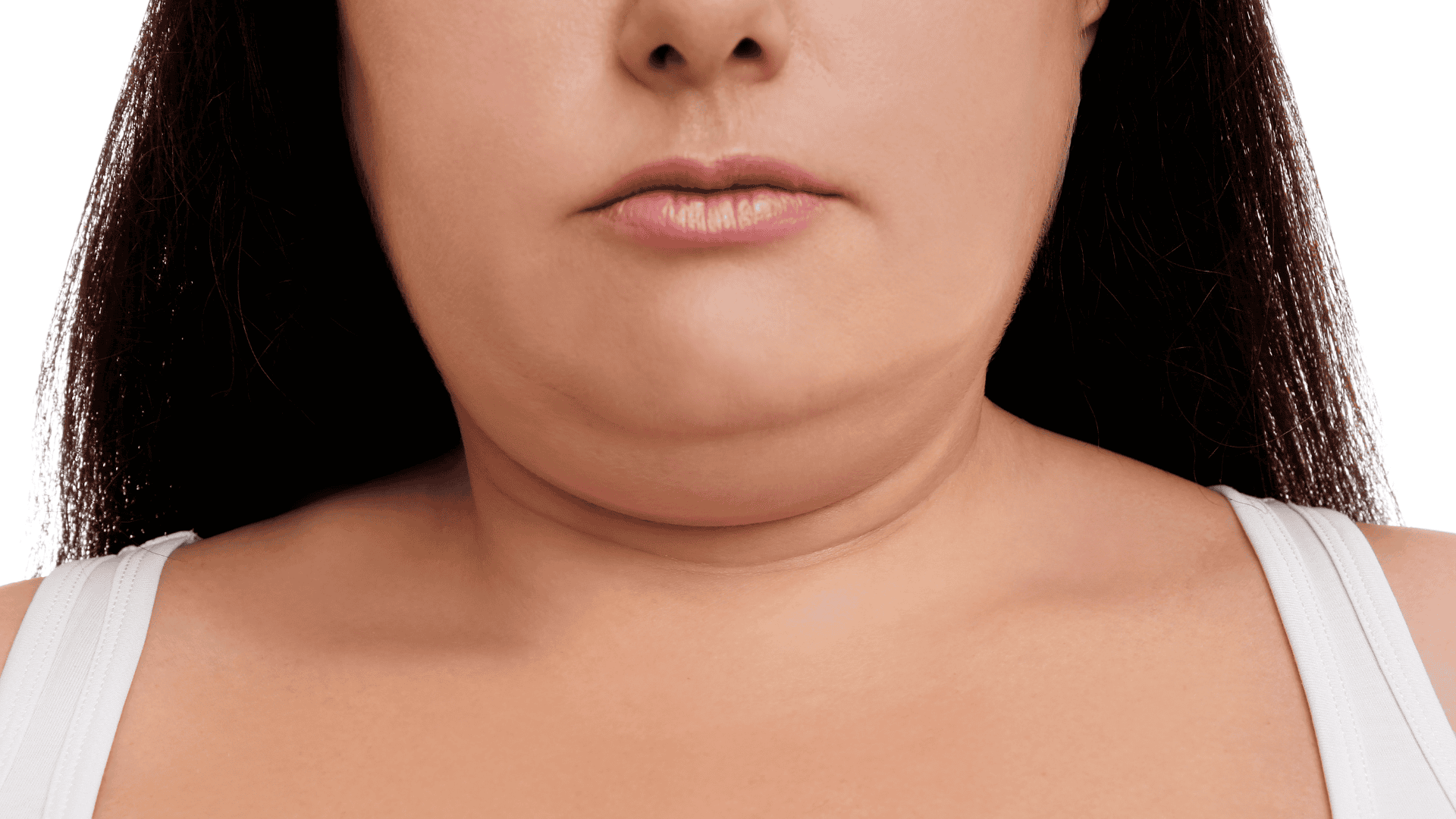
Chin reduction surgery, also known as mentoplasty or genioplasty, is a cosmetic procedure aimed at altering the size or shape of the chin to achieve better facial harmony. Many individuals opt for this surgery because they feel that their chin is overly prominent or does not balance well with other facial features. This procedure can enhance self-esteem and improve one’s overall appearance.
The surgery can be performed using various techniques, depending on the specific goals and anatomy of the patient. Typically, a small incision is made either beneath the chin or inside the mouth, allowing the surgeon to access the underlying bone. The surgeon can then reshape the chin by removing bone or adjusting its structure to create a more proportionate profile. In some cases, liposuction may also be utilized to eliminate excess fat around the chin area.
Following the surgery, patients can expect some swelling and bruising, which are common side effects. Recovery time varies, but many individuals can return to their normal activities within a few weeks. It is crucial for patients to adhere to their surgeon's postoperative instructions to ensure optimal healing.
Following the surgery, patients can expect some swelling and bruising, which are common side effects.
Chin reduction surgery can significantly impact an individual's self-image and confidence. Many patients report feeling more balanced and satisfied with their facial appearance after the procedure. However, it is essential to have realistic expectations and to understand that results may vary. As with any surgical procedure, there are risks involved, including infection, scarring, and dissatisfaction with the final outcome. Therefore, it is advisable for individuals to thoroughly research and consider their options before deciding on chin reduction surgery.
Chin reduction surgery, also known as genioplasty or mentoplasty, is a procedure designed to reshape and reduce the size of a prominent or overly large chin. People seek this surgery to create better facial balance, particularly if their chin is disproportionately large compared to their other facial features. A large or protruding chin can sometimes dominate the face, throwing off the harmony of the facial structure and making other features, like the nose or eyes, appear smaller or less balanced. For individuals who feel self-conscious about the size or shape of their chin, chin reduction surgery offers a permanent solution to achieve a more refined, proportional appearance.
This surgery is particularly beneficial for those whose large chin affects their confidence or sense of facial harmony. In some cases, patients may feel that their chin gives them a more masculine appearance or makes them look older than they are. By reducing the size of the chin and reshaping its contours, the procedure helps create a softer, more balanced look that enhances the patient’s overall appearance. Chin reduction can also improve the profile, making the side view of the face more aesthetically pleasing and proportionate.
While chin reduction surgery is generally safe, understanding potential complications is essential. Minor issues may include temporary numbness, swelling, or bruising. More serious risks can involve infection, asymmetry, or delayed bone healing. Surgeons take preventive measures by using sterile techniques, proper fixation, and careful incision placement. Patients are advised to follow postoperative guidelines closely to reduce complications. Regular follow-ups allow the surgeon to detect and address issues early. In some cases, minor revision procedures may be necessary to achieve optimal results. Knowing these possibilities helps patients prepare mentally and physically for recovery.
For comprehensive facial harmony, chin reduction surgery is sometimes combined with other cosmetic treatments. Procedures such as rhinoplasty, cheek augmentation, or liposuction of the neck can enhance overall facial proportions. Coordinating multiple procedures during the same surgical session reduces total recovery time and provides a more balanced appearance. Surgeons carefully plan these combinations to ensure safe anesthesia and optimal healing. Preoperative simulations help patients understand the potential results. The integrated approach allows for subtle yet impactful improvements across multiple facial features. Patients benefit from a more cohesive and natural-looking outcome.
Chin reduction surgery is typically performed under general anesthesia, though local anesthesia with sedation may be used in some cases. The surgeon begins by making an incision either inside the mouth, along the lower gumline, or beneath the chin, depending on the patient’s specific anatomy and preferences. An incision inside the mouth eliminates visible scarring, while an external incision beneath the chin provides better access for reshaping in certain cases. Through this incision, the surgeon accesses the chin bone and uses specialized tools to carefully shave down or remove excess bone to reduce the size and projection of the chin.
Chin reduction surgery is typically performed under general anesthesia, though local anesthesia with sedation may be used in some cases.
The surgeon sculpts the chin into the desired shape, ensuring that it is proportionate to the rest of the face and achieves a natural, aesthetically pleasing result. The procedure may also involve repositioning the chin to improve facial balance. Once the bone has been reshaped, the incision is closed with sutures, and the area is bandaged to protect it during the healing process. The surgery generally takes one to two hours to complete, depending on the complexity of the procedure and the amount of bone reduction required.
Recovery from chin reduction surgery involves some swelling, bruising, and discomfort in the chin and jaw area, which typically subsides within a week or two. Patients are advised to follow a soft-food diet for a few days to avoid putting pressure on the jaw while it heals. Most individuals can return to work and light activities within a week, although full recovery and the final results may take several months as the swelling gradually decreases and the chin settles into its new shape.
Before undergoing chin reduction surgery, several considerations are important to ensure safety and effectiveness.
👉 Medical history, including previous facial surgeries and underlying conditions, should be discussed.
👉 Patients should be aware of the differences between internal and external incision approaches.
👉 Bone density and jaw structure are evaluated to determine the safest reduction method.
👉 Potential need for temporary fixation with screws or plates is assessed.
👉 Postoperative care, including diet restrictions and activity limitations, must be understood.
👉 Patients should plan for follow-up appointments to monitor healing and results.
👉 Surgeons may recommend imaging studies to predict changes in facial profile.
One of the primary benefits of chin reduction surgery is the significant improvement in facial balance and harmony. By reducing the size of an overly large or protruding chin, the procedure creates a more proportional facial appearance, allowing other features, such as the nose, eyes, and lips, to be more prominent. For individuals whose chin is too dominant, this surgery can soften the lower face and bring more symmetry to the overall profile, leading to a more aesthetically pleasing look. Many patients find that this improved facial balance boosts their self-confidence and helps them feel more comfortable in social situations.
Another key benefit is the permanent nature of the results. Unlike non-surgical treatments that require frequent maintenance, chin reduction surgery offers a long-lasting solution to correct a prominent chin. Once the bone is reshaped, the changes are permanent, providing patients with a lifetime of improved facial harmony without the need for additional procedures. This can be especially appealing for individuals who are seeking a one-time solution to enhance their appearance and achieve their aesthetic goals.
In addition to improving appearance from the front, chin reduction surgery also enhances the profile, making the side view of the face more proportionate and balanced. A large chin can often make the lower face appear overly prominent or unbalanced when viewed from the side. By reducing the projection of the chin, the procedure creates a more streamlined and attractive profile, which can also improve the overall contours of the neck and jawline. The combination of frontal and profile enhancements makes chin reduction surgery a powerful tool for achieving comprehensive facial rejuvenation and improving self-image.
Several factors influence the final results of chin reduction surgery and should be considered before undergoing the procedure.
👉 The patient’s bone structure, including density and shape, affects how much reduction is possible.
👉 Skin elasticity plays a role in how smoothly the area heals and conforms to the new contour.
👉 Age can impact recovery speed and the overall appearance of the results.
👉 Overall health, including conditions like diabetes or autoimmune disorders, may influence healing.
👉 Lifestyle habits, such as smoking or excessive alcohol consumption, can slow recovery.
👉 Surgeons’ experience and chosen techniques directly affect precision and symmetry.
👉 Following postoperative instructions closely ensures the best long-term outcome.
Considering these factors before surgery helps set realistic expectations and increases the likelihood of achieving a natural, balanced look.
Not everyone is a suitable candidate for chin reduction surgery. Ideal candidates are individuals who are in good overall health, do not smoke, and have realistic expectations about the outcomes of the procedure. This surgery is especially recommended for people who are bothered by a disproportionately large or protruding chin that affects facial balance. A thorough consultation with a board-certified plastic surgeon is essential to determine whether this procedure is right for you.
During the consultation, the surgeon will evaluate the patient's facial structure, medical history, and aesthetic goals. They may also use imaging technology to show expected results. Patients who have completed facial growth—typically after the age of 18—are the best candidates, as their bone structure is fully developed. Those with existing dental or jaw alignment issues may need to address these concerns first, sometimes in coordination with orthodontic or maxillofacial specialists.
While both procedures aim to improve facial balance, chin reduction surgery and chin augmentation serve opposite purposes. Chin reduction decreases the size or projection of a large chin, whereas chin augmentation enhances a small or recessed chin using implants or other techniques. Understanding the distinction is crucial for patients seeking to improve their facial profile.
Patients often confuse the two, but a consultation can clarify which option is best suited to your needs. In some cases, chin surgery may be combined with other facial procedures such as rhinoplasty or jaw contouring to achieve optimal symmetry. An experienced surgeon will guide you in selecting the appropriate treatment based on your facial proportions and desired results.
A successful chin reduction surgery starts with a detailed consultation. This initial meeting is where the surgeon and patient discuss the motivation behind the procedure, aesthetic preferences, and medical history. The surgeon may perform a physical examination and use digital imaging software to provide a preview of the potential results.
Patients should come prepared to ask questions about the surgeon's experience, recovery timeline, risks, and long-term outcomes. Being well-informed during the consultation phase empowers patients to make confident, realistic decisions about their care. The consultation also allows the surgeon to set clear expectations and personalize the treatment plan to each individual’s facial anatomy.
Recovery from chin reduction surgery doesn’t end after the initial healing phase. Proper postoperative care plays a vital role in ensuring optimal long-term results. Patients are typically advised to keep the head elevated, apply cold compresses, and avoid strenuous activity during the first few weeks. It's also important to follow the prescribed medication regimen to reduce swelling and prevent infection.
In the months following surgery, swelling will gradually subside, revealing the final results. Most patients enjoy long-lasting improvements in facial balance and report high satisfaction with their new appearance. Long-term outcomes are best preserved by maintaining a stable weight and practicing good skincare habits.
Recovery from chin reduction surgery doesn’t end after the initial healing phase. Proper postoperative care plays a vital role in ensuring optimal long-term results.
Like any surgical procedure, chin reduction surgery comes with potential risks. These may include infection, nerve damage, asymmetry, excessive bleeding, or unfavorable scarring. Fortunately, most complications are rare and can be significantly reduced by choosing a qualified, experienced plastic surgeon and adhering strictly to pre- and postoperative instructions.
Patients can minimize risks by disclosing all relevant medical information, following dietary and medication guidelines before surgery, and avoiding smoking, which can impair healing. Regular follow-up appointments also allow the surgeon to monitor the healing process and address any concerns early.
Modern chin reduction surgery has evolved to include advanced techniques that cater to individual facial anatomy. Surgeons now often use 3D imaging to create precise surgical plans, allowing for tailored bone removal and contouring. In some cases, piezoelectric instruments are used to minimize trauma and ensure smoother bone edges. These innovations help achieve natural results while reducing recovery time. Additionally, the combination of liposuction and bone reshaping allows for more refined lower face contours. Surgeons may also utilize temporary fixation plates or screws to maintain bone stability during healing. The result is a procedure that not only reduces the chin size but also enhances overall facial aesthetics with precision. Recovery protocols are adapted to these advanced methods, often enabling patients to resume normal activities sooner.
Recovery after chin reduction surgery is crucial for maintaining the procedure’s results and minimizing complications.
👉 Rest with your head elevated during the first few days to reduce swelling.
👉 Use cold compresses on the chin area periodically to minimize bruising.
👉 Follow a soft-food diet until cleared by your surgeon to avoid stressing the jaw.
👉 Take all prescribed medications, including antibiotics or pain relievers, as directed.
👉 Avoid strenuous exercise or heavy lifting for at least a few weeks.
👉 Keep the surgical site clean and follow any special hygiene instructions provided by the surgeon.
👉 Attend follow-up appointments to monitor bone healing and soft tissue recovery.
👉 Report any unusual symptoms, such as severe pain, asymmetry, or signs of infection, immediately.
These steps ensure proper healing and help patients achieve a smooth, well-defined chin with long-lasting results.
Chin reduction surgery is not a one-size-fits-all procedure; it can be customized for various facial types. Patients with square chins may benefit from angular reduction to soften the jawline. Round chins can be sculpted to achieve more definition and balance with the nose and eyes. A longer or prominent chin can be shortened to create better proportional harmony. Surgeons consider cheekbone width, jawline structure, and overall facial symmetry before recommending a specific approach. In some cases, combining chin reduction with subtle jaw contouring provides optimal results. Every procedure is tailored to maintain a natural look while improving facial balance. Preoperative imaging helps patients visualize potential outcomes and make informed decisions. This careful planning ensures that results complement the individual's unique features.
Chin reduction surgery is not a one-size-fits-all procedure; it can be customized for various facial types.
Some patients are candidates for minimally invasive chin reduction, which reduces trauma and recovery time. Techniques such as endoscopic chin reduction allow the surgeon to work through smaller incisions with specialized instruments. This approach reduces swelling, scarring, and postoperative discomfort. Combining minimally invasive bone contouring with liposuction for submental fat can create smoother, natural-looking results. Patients often experience shorter downtime and can return to work sooner. Careful preoperative assessment is necessary to determine if the chin anatomy is suitable for minimally invasive methods. Surgeons balance cosmetic goals with patient safety to optimize outcomes. Recovery instructions are tailored to minimize strain on the chin and ensure proper healing.
Chin reduction surgery is often combined with jawline enhancement for a more harmonious lower face. By adjusting both the chin and the jawline, surgeons can achieve balanced proportions that enhance facial contours. Techniques may include selective bone reshaping, fat grafting, or dermal fillers to define the jawline. This dual approach creates a more refined and aesthetically pleasing profile from multiple angles. Patients benefit from a coordinated treatment plan that addresses both projection and symmetry. Preoperative imaging helps visualize changes and determine the most effective combination of procedures. Results are long-lasting and provide a significant improvement in facial balance.
Proper preparation at home can improve comfort and healing after chin reduction surgery.
👉 Arrange for a supportive pillow to keep the head elevated while resting.
👉 Stock up on soft foods such as soups, smoothies, and yogurt for the first few days.
👉 Keep ice packs handy to reduce swelling during the initial postoperative period.
👉 Create a schedule for taking prescribed medications and pain management.
👉 Have easy access to entertainment or work-from-home options to stay occupied.
👉 Ensure someone is available to assist with daily tasks during the first 24–48 hours.
👉 Prepare clean, comfortable clothing that does not irritate the chin area.
One of the advantages of chin reduction surgery is the permanence of results. Once the chin bone is reshaped, the effects are long-lasting. Maintaining overall health, including a stable weight, contributes to sustaining a balanced facial appearance. Good oral hygiene and dental care are also recommended to avoid complications related to the jaw area. Some patients choose non-surgical touch-ups, such as dermal fillers, to further enhance contours, but these are optional.
With proper care and follow-up, the results can last a lifetime. Surgeons often provide guidance on long-term maintenance strategies to preserve aesthetic outcomes. Patients can enjoy improved facial harmony without the need for repeated surgeries.
Selecting the right surgeon is one of the most important decisions in the journey toward chin reduction surgery. Look for a board-certified plastic surgeon who specializes in facial procedures and has a proven track record of successful outcomes. Reading reviews, checking credentials, and viewing before-and-after photos can help build trust and confidence.
An ideal surgeon should take the time to understand your goals, explain the procedure in detail, and offer a personalized approach. Don’t hesitate to consult with multiple professionals before making your choice. The quality of the surgeon’s skill and communication is key to achieving natural, satisfying results that align with your expectations.
During your consultation, you will discuss your wishes, medical history, and expectations with the doctor. The doctor will examine you, take measurements if necessary, and explain which treatment suits you best, including risks and recovery. You will have the opportunity to ask questions and then receive a clear treatment proposal.
Make sure you have all relevant medical information ready, such as previous treatments, allergies, or medical conditions. This allows the doctor to give you better advice.
Payment is made securely via SurgeryBooking. You pay the amount in advance to SurgeryBooking. We hold the funds and transfer them to the clinic after your treatment. Cancellation or change conditions vary per clinic and are clearly communicated in advance.
During the consultation (online or at the clinic), the doctor will assess this based on your health, expectations, and physical characteristics. You will discuss what you want, what is possible, and what the limitations are. Sometimes there are alternatives if the chosen treatment is not ideal.
Through SurgeryBooking.com, you can quickly and easily book a consultation or procedure with doctors and clinics worldwide. SurgeryBooking.com provides an overview of doctors and clinics, allowing you to make an informed and transparent choice when booking a consultation or procedure.
You can easily book through the profile of the desired clinic or doctor. Select the desired treatment, enter your details, and choose an available date and time. If there are any costs involved, you will complete the payment first. Afterwards, you will receive a confirmation email with all the details.
Yes, during the booking process, you can indicate whether you prefer an online consultation or an in-person consultation at the clinic.
With SurgeryBooking.com, you gain access to a global network of doctors and clinics. Through SurgeryBooking.com, you can easily book a consultation or a cosmetic procedure directly. Clinic profiles provide information about available cosmetic procedures, reviews, photos of the clinic, and other relevant details. This enables you to compare costs and make an informed decision when booking a consultation or procedure.