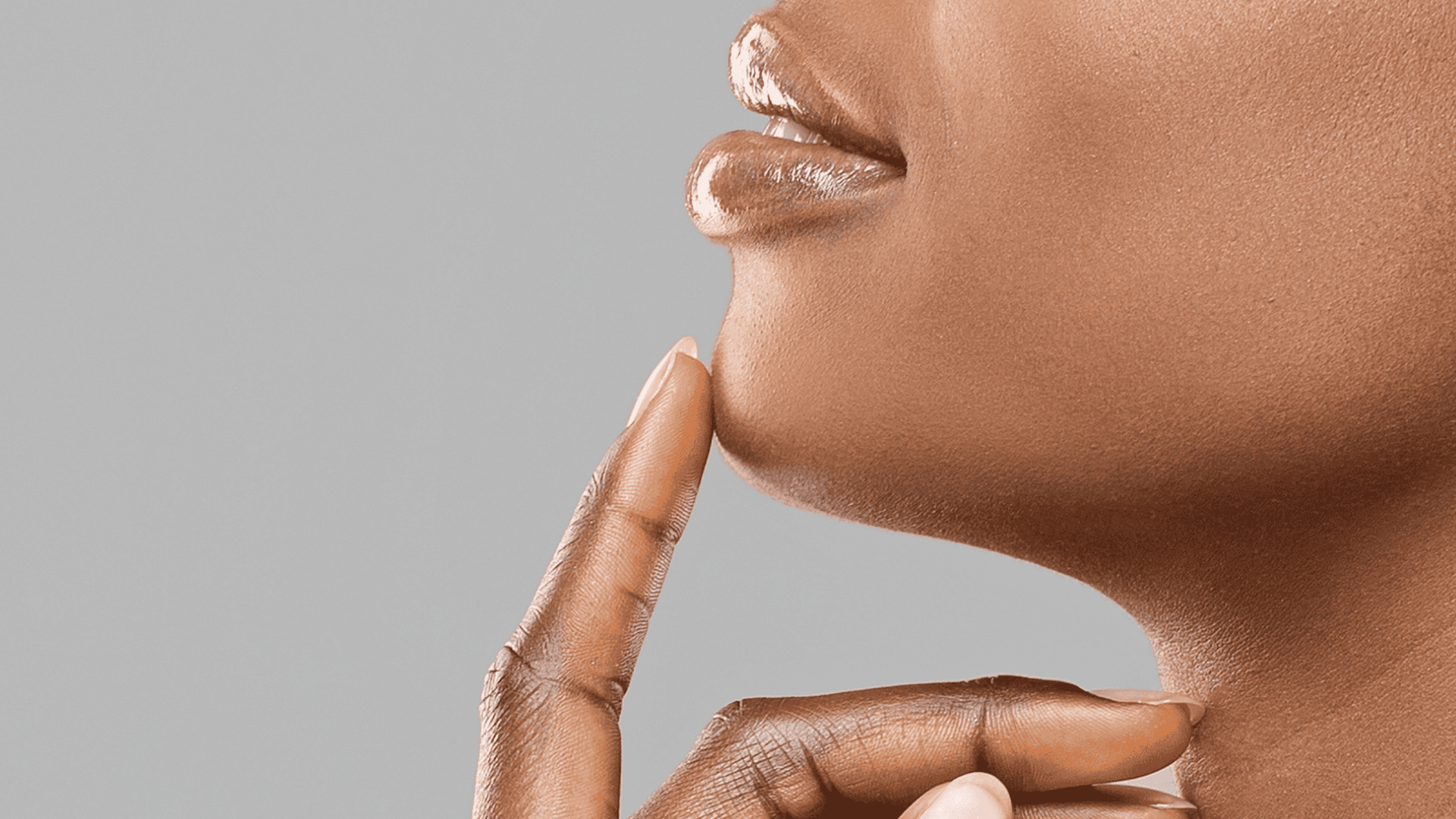
Chin implants are surgical devices used to enhance the shape, size, or projection of the chin. These implants are often employed to create a more symmetrical facial appearance or to give the profile a more defined look. They are typically made from biocompatible materials, such as silicone or porous polyethylene, which are well tolerated by the body. The procedure in which a chin implant is placed is called genioplasty and can be done for both aesthetic and functional reasons.
For some individuals, a weak or receding chin can disrupt facial balance, leading to a lack of confidence in their appearance. A chin implant can correct this imbalance by bringing the chin forward, creating a more harmonious proportion between the chin, nose, and jawline. The surgery itself is generally straightforward and can be performed under local or general anesthesia.
Chin implants are surgical devices used to enhance the shape, size, or projection of the chin.
The surgeon makes a small incision either under the chin or inside the mouth, ensuring that scarring remains minimal or hidden. The implant is then positioned correctly and secured in place. After the procedure, some swelling and tenderness may occur, but these symptoms usually subside within a few weeks. The result is a natural-looking enhancement of the chin and overall facial structure. Since the implant is permanent, it can last for many years, although in some cases, revisions might be necessary.
Before deciding on a chin implant, it is essential to have a thorough consultation with a qualified plastic surgeon, who can help determine the best approach based on the patient's unique anatomy and aesthetic goals.
Chin implant surgery, also known as genioplasty or chin augmentation, is a popular cosmetic procedure designed to enhance the shape and size of the chin to improve facial harmony and balance. People opt for chin implants to achieve a more defined, balanced facial profile, especially if they feel their chin is too small, recessed, or lacks projection. A well-proportioned chin can enhance the overall facial structure by creating a stronger jawline and improving the relationship between the chin, nose, and other facial features. Many individuals seek this procedure to address a "weak" chin, which can make the face appear imbalanced or cause the neck and jawline to look less defined.
Chin implants can significantly improve facial aesthetics by providing a more sculpted appearance, enhancing confidence, and boosting self-esteem. Often, patients combine chin augmentation with other cosmetic procedures like rhinoplasty (nose reshaping) to achieve a more harmonious overall look. For those with a recessed chin that causes the lower face to appear underdeveloped, chin implants offer a long-lasting solution that provides immediate, visible results.
Chin implant surgery is typically performed as an outpatient procedure under local anesthesia with sedation or general anesthesia. During the surgery, the surgeon makes a small incision either inside the mouth, just below the lower lip, or under the chin to minimize visible scarring. Through this incision, the surgeon creates a small pocket over the chin bone where the implant will be placed. Chin implants are typically made of silicone or other biocompatible materials, and they come in various shapes and sizes to achieve the desired look.
Once the implant is positioned over the chin bone, it is secured in place, and the incision is closed with sutures. The surgeon takes care to ensure that the implant creates a natural projection of the chin that complements the patient’s facial proportions. The entire procedure usually takes about 45 minutes to an hour, and patients can go home the same day. Chin implants are custom-fitted to each patient’s anatomy, and the size and shape of the implant are selected based on the patient’s goals and facial structure.
Recovery from chin implant surgery generally involves mild swelling, bruising, and discomfort around the chin and jaw area for the first few days. Most patients are able to return to work and regular activities within a week, though strenuous activity should be avoided for a few weeks. The initial swelling will gradually subside over several weeks, and the final results will become more apparent as the area heals completely. Patients are often pleased with the dramatic improvement in their facial profile and the long-lasting nature of the results.
Modern advances in medical technology have greatly improved the precision and safety of chin implant procedures. Surgeons can now use 3D imaging to simulate results before surgery, allowing patients to see how different implant sizes and shapes will affect their profile. This technology reduces uncertainty and helps set realistic expectations. Custom-designed implants are also becoming more popular, offering a perfect fit tailored to the individual’s bone structure. Enhanced surgical tools and techniques have made the procedure more predictable, minimizing risks and recovery time. With these technological improvements, patients can feel more confident that their surgery will deliver the balanced and natural look they desire.
Modern advances in medical technology have greatly improved the precision and safety of chin implant procedures.
Patients often wonder what to expect as their body heals from chin augmentation. Normal signs of recovery include gradual reduction in swelling, fading bruises, and a return of normal sensation to the chin and lower lip. By the second week, most people notice improved comfort and can resume daily routines. By the third or fourth week, the implant typically feels like a natural part of the face, with minimal awareness of its presence. A successful recovery also means no signs of infection, asymmetry, or excessive discomfort. As healing continues, patients can fully enjoy the defined, balanced look their new chin provides, often noticing how the improvement enhances the overall shape of their face.
There are several misconceptions surrounding chin implant surgery that may prevent people from considering it. Understanding the reality behind these myths can help patients make a more informed decision.
👉 Myth: Chin implants always look fake – In reality, modern implants are carefully shaped to provide a natural, balanced look.
👉 Myth: The surgery is extremely painful – While some discomfort occurs, most patients describe the recovery as manageable with mild pain.
👉 Myth: Implants can easily move out of place – When inserted correctly by an experienced surgeon, implants remain stable for many years.
👉 Myth: Scarring is very visible – Most incisions are hidden under the chin or inside the mouth, leaving scars that are nearly invisible.
👉 Myth: Only men get chin implants – Both men and women choose this procedure to improve facial harmony.
👉 Myth: The results don’t last long – Chin implants are designed as a permanent solution, unlike temporary fillers.
By separating fact from fiction, patients can feel more confident about pursuing chin augmentation with realistic expectations.
Chin implant surgery offers several significant benefits, one of the most important being the enhancement of facial harmony and balance. A well-proportioned chin helps define the lower face and can make other facial features, such as the nose, appear more balanced. For individuals with a recessed or weak chin, the procedure creates a stronger jawline and a more aesthetically pleasing facial contour, contributing to a more attractive profile. This is particularly beneficial for individuals who feel that their chin lacks projection or definition and want to improve their overall facial symmetry.
Chin implant surgery offers several significant benefits, one of the most important being the enhancement of facial harmony and balance.
Another key benefit of chin implant surgery is the improvement in self-confidence. Many patients find that having a more defined chin makes them feel more self-assured about their appearance. The procedure can be life-changing for those who have long been self-conscious about their facial profile or jawline, helping them feel more comfortable in social situations and in front of the camera. Additionally, the long-lasting nature of chin implants means that once the surgery is complete, the results are durable, providing patients with years of enhanced facial definition.
Finally, chin implants offer a relatively straightforward, minimally invasive solution for those seeking to improve their chin and jawline. The procedure is relatively quick, with a short recovery period, and produces dramatic, long-lasting results. When performed by an experienced plastic surgeon, the results of chin implant surgery are both natural-looking and effective in improving the overall aesthetics of the face. Moreover, because the implants are customizable, patients can work with their surgeon to achieve the exact look they desire, ensuring the results meet their expectations for facial enhancement.
Proper preparation is crucial for achieving the best outcome from chin augmentation. Patients are generally advised to stop smoking well in advance, as smoking can slow healing and increase the risk of complications. Blood-thinning medications and supplements should be paused under the guidance of a physician to minimize bleeding risks. Good nutrition, hydration, and maintaining stable health before surgery can all support a smoother recovery. It’s also important to arrange help at home for the first couple of days, since some discomfort and swelling may limit daily activities. Clear communication with the surgeon about expectations, medical history, and lifestyle factors ensures the safest and most satisfying result from the procedure.
Patients considering chin augmentation should prepare a list of questions for their consultation to ensure they feel confident about their decision. Some key questions include:
👉 What type of implant material do you recommend and why?
👉 How will you determine the best size and shape of the implant for my face?
👉 Where will the incision be placed, and will the scar be visible?
👉 What are the potential complications, and how are they handled if they occur?
👉 How long is the expected recovery, and when can I resume exercise?
👉 Can I see before-and-after photos of your previous chin implant patients?
By asking these questions, patients gain clarity about the procedure, reduce uncertainty, and establish trust with their chosen surgeon.
Not everyone is automatically a good candidate for chin implant surgery. The ideal patient is someone in good overall health, with realistic expectations and specific concerns about the size, shape, or projection of their chin. Individuals who feel their chin is too small, receding, or not in proportion with the rest of their facial features often benefit the most from this procedure.
A strong candidate typically has good bone structure, healthy skin elasticity, and no untreated dental or jaw conditions that could interfere with healing. People who have experienced facial trauma or congenital chin deformities may also consider a chin implant as a way to restore balance and structure to their appearance. Ultimately, a thorough consultation with a board-certified plastic surgeon is necessary to evaluate whether a chin augmentation is the best solution.
Chin implants are crafted from biocompatible materials that are safe for long-term use in the human body. The two most common types are solid silicone implants and porous polyethylene (Medpor) implants. Silicone implants are flexible, easy to shape, and can be removed or repositioned if needed. They provide a smooth, natural look and are the most frequently used type.
Porous polyethylene implants, on the other hand, allow tissue to grow into the implant, which can provide greater stability but makes removal more difficult. Both types come in different shapes and sizes to suit the individual's anatomy and aesthetic goals. Your plastic surgeon will recommend the best material based on your desired outcome, facial structure, and personal preferences.
Like any surgical procedure, chin implant surgery carries some risks. While complications are rare when performed by an experienced surgeon, patients should be informed of potential issues such as infection, implant shifting, scarring, or allergic reactions to anesthesia. In some cases, the implant may not sit perfectly, resulting in asymmetry or the need for revision surgery.
Other possible side effects include prolonged swelling, numbness in the lower lip or chin area, or dissatisfaction with the aesthetic outcome. Choosing a qualified and experienced surgeon significantly reduces these risks. Pre-operative planning, post-operative care, and clear communication of your expectations all play an essential role in ensuring a smooth recovery and a successful result.
Recovery after chin augmentation surgery is generally quick and manageable. Patients may experience mild to moderate discomfort, swelling, and bruising around the chin and lower face for several days. Pain can typically be managed with prescribed medication or over-the-counter pain relievers. Ice packs and keeping the head elevated can also help reduce swelling in the first 48 hours.
Most people are able to return to desk jobs and light daily activities within 5 to 7 days. However, it’s crucial to avoid heavy lifting, strenuous exercise, or pressure on the chin for at least two weeks. Full healing can take several weeks to a few months, and the final shape of the chin will become more evident as the swelling completely subsides. Following your surgeon’s aftercare instructions is key to achieving the best possible result and minimizing the risk of complications.
Chin implant surgery can be carried out using slightly different surgical techniques depending on the patient’s needs and the surgeon’s approach. While the incision placement has already been discussed, the way the implant is inserted and secured can vary. Some surgeons prefer creating a snug pocket that holds the implant in place without the need for fixation, while others may use small sutures or screws to ensure absolute stability. The technique also depends on the implant material, as some require more precise anchoring than others. Surgeons may also choose between intraoral or submental approaches based on the patient’s anatomy, desired outcome, and concerns about scarring. These subtle variations highlight the importance of choosing a surgeon with extensive experience in chin augmentation surgery, since their technique directly impacts the final appearance and long-term results.
Many patients undergoing chin implant surgery also choose to combine it with other cosmetic procedures to maximize overall facial harmony. A recessed chin often makes the nose look larger, so pairing chin augmentation with rhinoplasty can create a more proportionate look. Others may combine implants with liposuction of the neck or a neck lift to define the jawline further. Non-surgical treatments, such as dermal fillers or skin tightening procedures, can also complement the results of a chin implant.
The advantage of combining procedures is that patients can achieve a more dramatic improvement with one recovery period rather than multiple surgeries. For this reason, many surgeons recommend discussing a full treatment plan during consultation rather than focusing only on the chin.
One of the most appealing aspects of chin implants is their durability. Unlike dermal fillers, which dissolve over time, implants provide a permanent solution for patients seeking more definition. Once healed, the implant integrates with the surrounding tissue, becoming a natural part of the facial structure. While revisions are sometimes needed due to aging changes or personal preferences, most patients enjoy their results for decades without modification.
The stability of the implant allows patients to maintain a balanced facial profile well into the future. In fact, many individuals report that their chin implant continues to look natural even as their face changes with age, making it a long-lasting investment in their appearance.
For patients seeking chin augmentation, both implants and dermal fillers are common options, but they differ significantly in process and outcome. Dermal fillers offer a non-surgical, temporary enhancement that can add projection and balance to the chin for several months. Chin implants, on the other hand, provide a permanent structural change that doesn’t require repeated treatments. Fillers are useful for patients who want to “test” the look before committing to surgery, but they cannot create the same degree of definition as an implant. Ultimately, the decision between fillers and implants depends on the patient’s goals, budget, and willingness to undergo surgery. Consulting with a surgeon helps determine whether a temporary or permanent solution is more appropriate.
To ensure the smoothest recovery, patients should follow a structured aftercare routine after chin implant surgery. These steps can make a big difference in comfort and healing speed:
👉 Keep the head elevated when resting or sleeping to reduce swelling
👉 Apply cold compresses during the first 48 hours to minimize bruising
👉 Take prescribed medications exactly as directed to manage pain and prevent infection
👉 Stick to soft foods for a few days if chewing feels uncomfortable
👉 Avoid touching or pressing on the chin until healing progresses
👉 Refrain from strenuous activities or heavy lifting for at least 2–3 weeks
By adhering to these guidelines and attending all follow-up appointments, patients can promote optimal healing and enjoy long-lasting results.
Once the initial healing is complete, patients can resume most normal activities, but there are some long-term lifestyle adjustments to consider after chin implant surgery. Activities that place direct pressure on the chin, such as contact sports, may need extra caution. Wearing protective gear during high-impact sports is strongly advised to prevent trauma to the implant. Patients should also maintain regular dental checkups, as oral health plays a role in supporting the jaw and surrounding structures. Good skincare and sun protection help minimize visible scarring over time. By being mindful of these factors, patients can extend the longevity of their results and protect their investment in their appearance.
The recovery process after chin augmentation surgery can be made much smoother with the right approach and preparation. Patients who follow these practical tips often experience less discomfort and a quicker return to daily life.
👉 Keep all follow-up appointments to ensure the healing process is progressing as expected
👉 Avoid pressing mobile phones directly against the chin in the first weeks
👉 Use extra pillows to keep your head elevated while sleeping to reduce swelling
👉 Stick to gentle oral hygiene when brushing teeth to avoid pulling at the incision
👉 Wear loose-fitting clothing that doesn’t require pulling over the head
👉 Be patient with numbness in the chin area, as sensation may take weeks to fully return
👉 Maintain a healthy diet rich in vitamins to support tissue repair
These small but important steps contribute to a safe recovery and help patients achieve the best possible outcome from their chin implant surgery.
During your consultation, you will discuss your wishes, medical history, and expectations with the doctor. The doctor will examine you, take measurements if necessary, and explain which treatment suits you best, including risks and recovery. You will have the opportunity to ask questions and then receive a clear treatment proposal.
Make sure you have all relevant medical information ready, such as previous treatments, allergies, or medical conditions. This allows the doctor to give you better advice.
Payment is made securely via SurgeryBooking. You pay the amount in advance to SurgeryBooking. We hold the funds and transfer them to the clinic after your treatment. Cancellation or change conditions vary per clinic and are clearly communicated in advance.
During the consultation (online or at the clinic), the doctor will assess this based on your health, expectations, and physical characteristics. You will discuss what you want, what is possible, and what the limitations are. Sometimes there are alternatives if the chosen treatment is not ideal.
Through SurgeryBooking.com, you can quickly and easily book a consultation or procedure with doctors and clinics worldwide. SurgeryBooking.com provides an overview of doctors and clinics, allowing you to make an informed and transparent choice when booking a consultation or procedure.
You can easily book through the profile of the desired clinic or doctor. Select the desired treatment, enter your details, and choose an available date and time. If there are any costs involved, you will complete the payment first. Afterwards, you will receive a confirmation email with all the details.
Yes, during the booking process, you can indicate whether you prefer an online consultation or an in-person consultation at the clinic.
With SurgeryBooking.com, you gain access to a global network of doctors and clinics. Through SurgeryBooking.com, you can easily book a consultation or a cosmetic procedure directly. Clinic profiles provide information about available cosmetic procedures, reviews, photos of the clinic, and other relevant details. This enables you to compare costs and make an informed decision when booking a consultation or procedure.