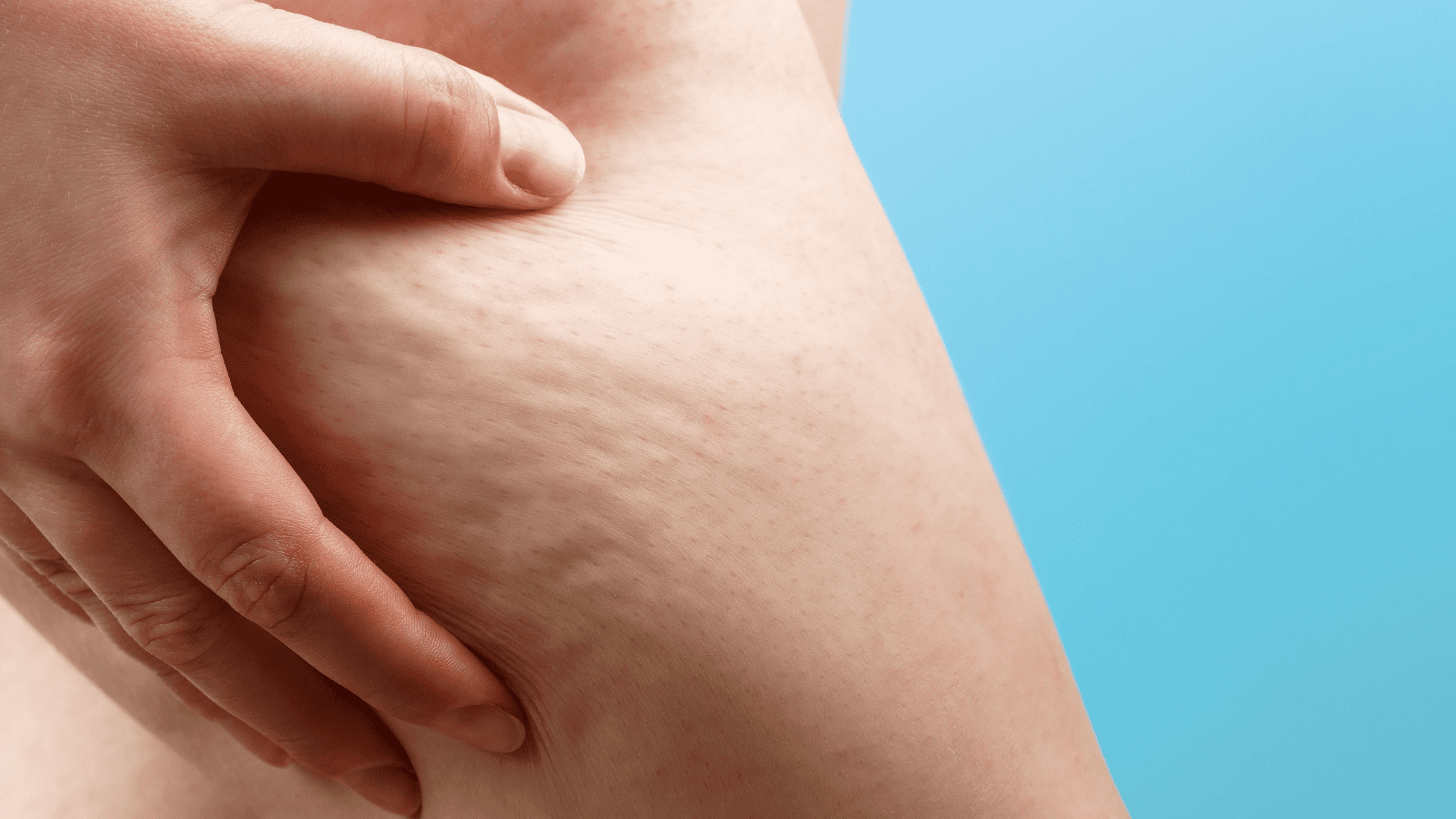
Cellulite is a common skin condition that often affects the legs, buttocks, and abdomen. It is characterized by a dimpled, uneven texture, often compared to the appearance of an orange peel. Cellulite occurs due to a combination of factors, including genetics, hormonal changes, diet, and lifestyle. The fat cells beneath the skin push against connective tissue, causing the skin to bulge and create an irregular surface.
There are various treatments available to reduce the appearance of cellulite. These range from non-invasive methods to more invasive procedures. One popular non-invasive option involves the use of creams and lotions containing ingredients such as caffeine or retinol, which can help hydrate the skin and stimulate blood circulation. While these products may provide temporary improvements, their long-term effectiveness is often limited.
Massage and endermologie are also widely used methods for treating cellulite. These techniques promote blood circulation and can assist in draining excess fluid and toxins from the body. During an endermologie session, a device is used to treat the skin and underlying fat tissue through gentle suction and massage movements. This can improve skin texture and reduce the appearance of cellulite.
In some cases, individuals opt for more advanced treatments such as laser therapy, radiofrequency therapy, or liposuction. Laser therapy targets fat reduction and improves skin structure by stimulating collagen production. Radiofrequency therapy works similarly by heating the skin to enhance its elasticity. While liposuction can help remove fat, it's important to understand that it does not guarantee a completely smooth appearance.
When considering cellulite treatment, it's essential to have realistic expectations. No treatment can entirely eliminate cellulite, but many can reduce its visibility. Combining treatments with a healthy lifestyle, including a balanced diet and regular exercise, can further enhance results. Staying hydrated is also crucial, as it helps keep the skin smooth and elastic.
Ultimately, choosing a treatment that best meets your needs and expectations is vital. Consulting with a dermatologist or a specialized aesthetician can help you make an informed decision and develop a treatment plan tailored to your individual situation.
Cellulite treatment is a cosmetic solution designed to reduce the appearance of dimpled or lumpy skin, commonly found on the thighs, buttocks, and legs. Cellulite forms when fat deposits push through connective tissue beneath the skin, creating an uneven texture. While cellulite is a natural and harmless condition, it can affect self-confidence and body image for many individuals. Cellulite treatments aim to smooth and firm the skin, targeting the underlying causes such as poor circulation, weakened connective tissue, or excess fat. Choosing cellulite treatment can help individuals achieve a more even and toned appearance, making it an appealing option for those who wish to feel more comfortable and confident in their skin.
Cellulite treatment encompasses a variety of techniques, each tailored to address the specific causes and severity of the condition. Popular non-invasive methods include laser therapy, which uses targeted light energy to break down fat deposits and stimulate collagen production, helping to firm and smooth the skin. Radiofrequency treatments are another effective option, utilizing heat energy to tighten connective tissues and improve circulation. For those seeking more intensive solutions, minimally invasive procedures such as subcision involve releasing the fibrous bands beneath the skin that cause the dimpled appearance. Additionally, massage-based treatments, like endermologie, can improve lymphatic drainage and enhance skin elasticity. Most procedures require multiple sessions for optimal results, with noticeable improvements in skin texture and tone developing gradually over time.
Cellulite treatment offers numerous benefits, making it a popular choice for individuals seeking to enhance the appearance of their legs. One of the primary advantages is the visible reduction in the dimpled and uneven texture caused by cellulite, resulting in smoother, firmer skin. These treatments also promote better circulation and lymphatic drainage, which can improve overall skin health and reduce fluid retention. Many modern cellulite treatments are non-invasive or require minimal downtime, allowing individuals to resume their daily activities shortly after the procedure. By addressing the root causes of cellulite, these treatments not only improve the skin’s surface but also boost collagen production and strengthen connective tissue, offering long-term results. For those who feel self-conscious about cellulite, these procedures provide an effective way to achieve more toned and even-looking legs, enhancing confidence and comfort in their appearance.
Cellulite forms when fat cells push upward against fibrous connective tissue beneath the skin. This interaction creates the uneven, dimpled texture commonly seen on the thighs, buttocks, and legs. It is not directly linked to body weight, which is why cellulite can appear in people of all shapes and sizes.
A cellulite treatment focuses on improving this structural imbalance rather than simply reducing fat. By targeting connective tissue strength, circulation, and skin elasticity, treatments aim to smooth the surface of the skin. Understanding this mechanism helps explain why no single solution works for everyone.
Cellulite is often misunderstood, leading to unrealistic expectations about treatment outcomes. One common myth is that cellulite only affects people who are overweight, which is not true. Genetics, hormones, and skin structure play a much larger role.
Another misconception is that exercise alone can eliminate cellulite. While physical activity improves muscle tone, cellulite treatment addresses deeper structural factors. Clearing up these myths helps set more realistic and healthy expectations.
Genetics strongly influence how connective tissue is structured and how fat is distributed. Hormones such as estrogen also affect fat storage and skin elasticity, which is why cellulite is more common in women.
Even with a healthy lifestyle, genetic predisposition may still lead to visible cellulite. A cellulite treatment does not change genetics, but it can help reduce the visible impact by improving skin texture and firmness.
Many people prefer non-invasive approaches because they involve little to no downtime. These methods focus on stimulating circulation, collagen production, and lymphatic drainage rather than surgical fat removal.
👉 Laser-based treatments for collagen stimulation
👉 Radiofrequency for skin tightening
👉 Acoustic wave therapy to improve circulation
👉 Endermologie for lymphatic drainage
A non-invasive cellulite treatment often requires multiple sessions, with gradual improvements over time.
Massage plays an important role in many cellulite treatment plans. Techniques like endermologie use mechanical rollers and suction to stimulate blood flow and reduce fluid retention. This can temporarily improve skin smoothness.
While results from massage-based cellulite treatment may not be permanent, they can enhance skin appearance and support other therapies. Consistency is key when relying on these methods.
Laser and radiofrequency technologies work by delivering controlled energy into the skin. This energy heats the tissue, encouraging collagen remodeling and improving elasticity. Some lasers also target fat cells directly.
A cellulite treatment using energy-based devices focuses on strengthening the skin’s support structure. Over time, this can make dimples less visible and improve overall skin firmness.
Subcision is a minimally invasive technique designed to release the fibrous bands pulling the skin downward. These bands are a major contributor to the dimpled appearance of cellulite. By cutting them, the skin surface can become smoother.
This type of cellulite treatment is typically used for more pronounced cellulite. While it involves a short recovery period, results may be longer-lasting compared to surface-level treatments.
Although liposuction removes fat, it does not address the connective tissue responsible for cellulite. In some cases, liposuction can even make cellulite more noticeable by altering fat distribution.
A proper cellulite treatment focuses on skin structure rather than fat volume alone. This distinction explains why specialized cellulite procedures differ from general body contouring treatments.
Lifestyle factors can influence how visible cellulite appears. Hydration, nutrition, and physical activity all play supportive roles in skin health. However, lifestyle changes alone rarely eliminate cellulite completely.
👉 Staying hydrated supports skin elasticity
👉 Balanced nutrition helps connective tissue health
👉 Regular movement improves circulation
👉 Strength training enhances muscle tone
When combined with a cellulite treatment, healthy habits may help maintain results.
Cellulite treatments aim to reduce visibility, not eliminate cellulite entirely. Improvements are often subtle but noticeable, especially when treatments are combined. Skin may appear smoother and firmer rather than perfectly flat.
A cellulite treatment works best when expectations are realistic and focused on enhancement rather than perfection. Gradual improvement is more common than dramatic change.
Results from cellulite treatments are not always permanent. Aging, hormonal changes, and lifestyle factors can influence how long improvements last. Maintenance sessions may be considered over time.
Protecting results after a cellulite treatment often involves ongoing skincare, sun protection, and healthy routines. This long-term approach supports sustained skin quality.
Cellulite is a natural condition, but it can still affect how people feel about their bodies. Reducing its appearance may improve comfort in clothing and social situations. This emotional aspect is often just as important as physical results.
For many individuals, a cellulite treatment offers reassurance and confidence rather than transformation. Feeling more comfortable in one’s skin is often the most valued outcome.
During your consultation, you will discuss your wishes, medical history, and expectations with the doctor. The doctor will examine you, take measurements if necessary, and explain which treatment suits you best, including risks and recovery. You will have the opportunity to ask questions and then receive a clear treatment proposal.
Make sure you have all relevant medical information ready, such as previous treatments, allergies, or medical conditions. This allows the doctor to give you better advice.
Payment is made securely via SurgeryBooking. You pay the amount in advance to SurgeryBooking. We hold the funds and transfer them to the clinic after your treatment. Cancellation or change conditions vary per clinic and are clearly communicated in advance.
During the consultation (online or at the clinic), the doctor will assess this based on your health, expectations, and physical characteristics. You will discuss what you want, what is possible, and what the limitations are. Sometimes there are alternatives if the chosen treatment is not ideal.
Through SurgeryBooking.com, you can quickly and easily book a consultation or procedure with doctors and clinics worldwide. SurgeryBooking.com provides an overview of doctors and clinics, allowing you to make an informed and transparent choice when booking a consultation or procedure.
You can easily book through the profile of the desired clinic or doctor. Select the desired treatment, enter your details, and choose an available date and time. If there are any costs involved, you will complete the payment first. Afterwards, you will receive a confirmation email with all the details.
Yes, during the booking process, you can indicate whether you prefer an online consultation or an in-person consultation at the clinic.
With SurgeryBooking.com, you gain access to a global network of doctors and clinics. Through SurgeryBooking.com, you can easily book a consultation or a cosmetic procedure directly. Clinic profiles provide information about available cosmetic procedures, reviews, photos of the clinic, and other relevant details. This enables you to compare costs and make an informed decision when booking a consultation or procedure.