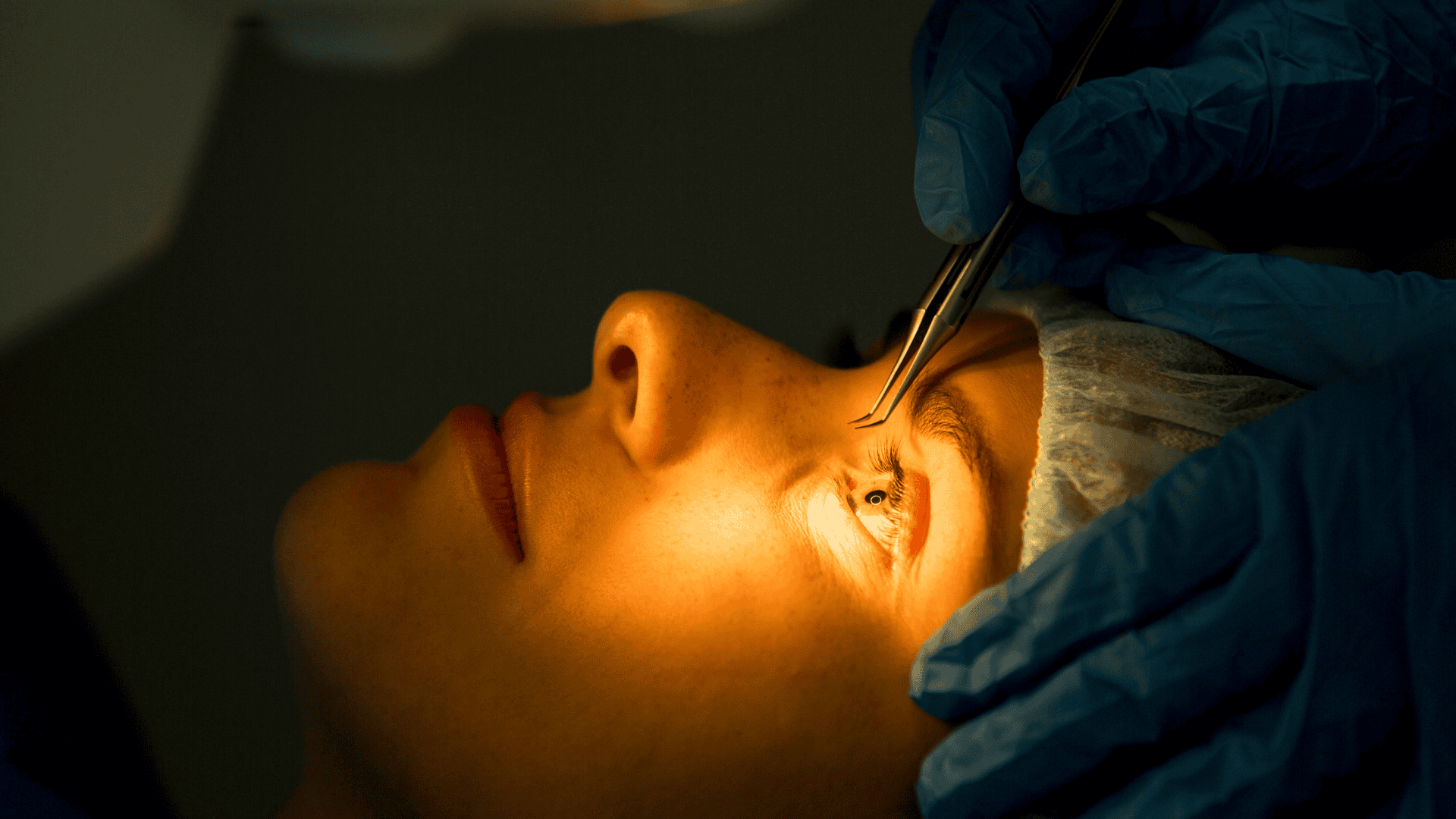
Cataract surgery is a common surgical procedure designed to treat cataracts, a condition where the eye's lens becomes cloudy, leading to impaired vision. This clouding can significantly affect daily activities, making it challenging to read, drive, and perform other routine tasks.
The surgery is typically performed under local anesthesia, allowing the patient to remain awake and comfortable without feeling pain. The surgeon makes a small incision in the eye to remove the cloudy lens. Often, an artificial intraocular lens (IOL) is implanted to restore vision. One of the most common techniques used is phacoemulsification, where ultrasound waves break the lens into tiny pieces, which are then gently removed from the eye.
Post-operative care is crucial for a smooth recovery. Patients are usually instructed to use prescribed eye drops and to avoid certain activities, such as heavy lifting or swimming, for a specified period. The recovery time is generally short, with many people noticing improved vision within just a few days following the surgery.
Cataract surgery is considered a safe procedure with a high success rate. Complications are rare but can include infections or bleeding. It’s essential for patients to discuss their expectations and any concerns with their eye doctor before deciding to undergo surgery. Overall, cataract surgery can significantly enhance the quality of life by restoring clear vision and allowing individuals to engage fully in their daily activities.
Cataract surgery is one of the most common and effective solutions for restoring clear vision in individuals affected by cataracts. Cataracts develop when the natural lens of the eye becomes cloudy, leading to blurred vision, difficulty seeing at night, and a reduction in color vibrancy. Left untreated, cataracts can progress, causing significant vision impairment and even blindness. People choose cataract surgery because it is the only permanent treatment that removes the cloudy lens and replaces it with a clear artificial one, significantly improving vision.
The procedure is highly beneficial for improving quality of life. Cataracts can make everyday tasks like reading, driving, or recognizing faces challenging, which can lead to frustration, decreased independence, and a lower quality of life. By undergoing surgery, individuals can regain the ability to perform these tasks with greater ease, enhancing their overall lifestyle. Many patients report feeling more confident and independent following surgery, as they no longer have to rely on others for assistance in their daily routines.
Another reason people opt for cataract surgery is the significant improvement in overall eye health and long-term vision outcomes. Cataracts, if untreated, can increase the risk of other eye conditions such as glaucoma or lead to further complications in the retina. Cataract surgery not only restores vision but also reduces the likelihood of these additional complications. Furthermore, modern cataract surgery offers the opportunity to correct pre-existing vision issues like nearsightedness, farsightedness, and astigmatism, meaning many patients experience even better vision than before they developed cataracts.
Finally, cataract surgery is a well-established, safe, and effective procedure. It is one of the most frequently performed surgeries worldwide, with millions of successful cases each year. The technology and techniques have advanced significantly, allowing for quick recovery times, minimal discomfort, and excellent visual outcomes. For people seeking a reliable solution to vision loss caused by cataracts, this surgery provides the best long-term results.
Cataract surgery is a relatively quick and straightforward outpatient procedure, typically taking about 15 to 30 minutes. It begins with numbing the eye using either eye drops or an injection to ensure the patient is comfortable throughout the process. In some cases, a sedative may be provided to help the patient relax, though general anesthesia is not necessary.
The surgeon then makes a tiny incision in the cornea, the clear outer layer of the eye. Through this small incision, a specialized instrument is inserted to break up the cloudy lens. The most common method used to break up the lens is phacoemulsification, which involves the use of ultrasound waves to fragment the cataract into small pieces. These fragments are then carefully suctioned out of the eye.
Once the cloudy lens has been removed, the surgeon inserts an artificial intraocular lens (IOL) in its place. The IOL is a clear, foldable lens that is designed to provide the same focusing power as the natural lens, restoring vision. The IOL is typically inserted through the same small incision and unfolds once inside the eye. There are various types of IOLs available, depending on the patient’s needs. Some IOLs are monofocal, correcting for either near or distance vision, while others are multifocal or accommodate different distances, potentially reducing the need for glasses after surgery.
The incision in the eye is so small that stitches are rarely required. The eye heals naturally, and most patients can return home the same day. Recovery is generally quick, with many patients noticing a significant improvement in their vision within a few days. Eye drops or medications are usually prescribed to prevent infection and control inflammation during the healing process. Follow-up appointments are scheduled to ensure the eye is healing properly and to monitor visual improvements.
The primary benefit of cataract surgery is the restoration of clear, sharp vision. As cataracts cause the natural lens to become cloudy, surgery dramatically improves visual clarity by replacing the impaired lens with a clear artificial one. This allows patients to see colors more vividly, improve their ability to read, and recognize faces and objects at a distance. Many people experience a noticeable enhancement in their quality of life, as tasks that were once difficult, like driving at night or reading in low light, become much easier.
Cataract surgery also helps to prevent the progression of vision loss. If left untreated, cataracts can worsen over time, eventually leading to severe vision impairment or blindness. By removing the cataract, surgery halts this progression and preserves eyesight, giving patients the ability to maintain their independence and carry out daily activities without the limitations caused by poor vision.
Another significant advantage of cataract surgery is the correction of pre-existing refractive errors, such as nearsightedness, farsightedness, or astigmatism. Modern cataract surgery offers the option to implant intraocular lenses (IOLs) that can correct these issues, often reducing or even eliminating the need for glasses or contact lenses after surgery. This dual benefit makes cataract surgery an appealing option for those who not only want to regain clarity but also improve overall visual function.
The safety and effectiveness of cataract surgery is another key benefit. With millions of procedures performed worldwide each year, cataract surgery is one of the most common and successful surgeries in modern medicine. The procedure has a very high success rate, and complications are rare. Most patients recover quickly, with minimal discomfort, and experience significant improvements in their vision within a short time.
Finally, cataract surgery enhances long-term eye health. By removing the cataract and replacing the lens, the procedure can reduce the risk of other eye problems associated with advanced cataracts, such as increased intraocular pressure and retinal damage. In addition, maintaining clear vision allows for better monitoring of other potential eye conditions, like glaucoma or diabetic retinopathy, which may go unnoticed if vision is obscured by cataracts.
Cataracts develop when proteins in the eye’s natural lens begin to clump together, causing cloudiness that interferes with the passage of light. This gradual process often leads to blurred or hazy vision, glare sensitivity, and difficulty seeing in low-light conditions. Over time, everyday tasks such as reading, driving, or recognizing faces can become increasingly challenging.
Cataract surgery addresses this problem at its source by removing the clouded lens and restoring clarity. By understanding how cataracts distort vision, it becomes clear why surgical treatment is often the most effective long-term solution rather than relying on glasses or lighting adjustments alone.
Cataracts usually worsen slowly, which means symptoms may initially be subtle. Many people adapt without realizing how much their vision has declined. However, there are recognizable signs that indicate progression.
👉 Increasing glare from headlights or sunlight
👉 Colors appearing faded or yellowed
👉 Difficulty reading despite updated glasses
👉 Blurred or double vision in one eye
When these symptoms begin to interfere with daily life, cataract surgery is often discussed as a next step.
Although cataracts are most commonly associated with aging, they are not simply a normal inconvenience to be ignored. Age-related cataracts continue to progress and can significantly reduce independence if left untreated.
Cataract surgery is not based on age alone but on how vision loss affects quality of life. Many older adults find that restoring clear vision allows them to remain active, confident, and independent for longer.
Modern cataract surgery offers several types of intraocular lenses (IOLs), each designed to meet different visual needs. The choice of lens plays a key role in post-surgery vision.
👉 Monofocal lenses for clear distance or near vision
👉 Multifocal lenses for multiple focal points
👉 Toric lenses to correct astigmatism
👉 Extended depth-of-focus lenses for smoother transitions
Selecting the right IOL helps tailor cataract surgery outcomes to individual lifestyles and expectations.
Some people choose to postpone cataract surgery, especially if symptoms feel manageable. However, waiting too long can make cataracts denser and potentially complicate surgery.
Early cataract surgery is often simpler and may lead to faster visual recovery. Understanding the balance between timing and symptom severity helps patients make informed decisions.
Vision recovery after cataract surgery is typically rapid, but it occurs in stages. Many people notice clearer vision within days, while others experience gradual improvement over several weeks.
👉 Initial clarity within a few days
👉 Stabilization of vision over weeks
👉 Prescription adjustments if needed
👉 Full adaptation to new lens over time
Knowing this timeline helps set realistic expectations for cataract surgery recovery.
Cataract surgery is one of the most frequently performed surgical procedures worldwide. Its techniques have been refined over decades, resulting in high success rates and low complication risks.
The predictability of cataract surgery outcomes contributes to its strong reputation. When performed by experienced eye surgeons, serious complications are uncommon.
Reduced vision can limit mobility, confidence, and independence. Simple activities such as driving, shopping, or reading labels may become stressful or unsafe.
By restoring clarity, cataract surgery often allows individuals to resume activities they may have gradually avoided. This return to independence is one of the most valued benefits.
Night vision is often one of the first aspects affected by cataracts. Halos, glare, and poor contrast can make evening driving particularly difficult.
After cataract surgery, many people report improved contrast sensitivity and reduced glare. This can significantly improve comfort and safety in low-light environments.
Cataracts can make it harder to monitor or manage other eye conditions such as glaucoma or diabetic retinopathy. Clouded lenses limit the ability to clearly examine the retina and optic nerve.
Removing cataracts through cataract surgery allows for better assessment and monitoring of overall eye health. This can support earlier detection of other issues.
Once the cloudy lens is removed, cataracts cannot return. The artificial lens implanted during cataract surgery is designed to remain clear permanently.
Although natural aging of the eye continues, the lens itself does not degrade. This makes cataract surgery a one-time solution for lens-related clouding.
Vision loss can affect mood, confidence, and social interaction. Feeling unsure about navigating familiar environments may lead to frustration or withdrawal.
For many individuals, cataract surgery provides emotional relief alongside visual improvement. Seeing clearly again often leads to renewed confidence, comfort, and enjoyment of daily life.
While cataract surgery significantly improves vision, it does not guarantee perfect eyesight in every situation. Some people may still need glasses for certain tasks.
Understanding the realistic goals of cataract surgery helps align expectations with outcomes. The aim is clearer, more functional vision that supports an active and independent lifestyle.
During your consultation, you will discuss your wishes, medical history, and expectations with the doctor. The doctor will examine you, take measurements if necessary, and explain which treatment suits you best, including risks and recovery. You will have the opportunity to ask questions and then receive a clear treatment proposal.
Make sure you have all relevant medical information ready, such as previous treatments, allergies, or medical conditions. This allows the doctor to give you better advice.
Payment is made securely via SurgeryBooking. You pay the amount in advance to SurgeryBooking. We hold the funds and transfer them to the clinic after your treatment. Cancellation or change conditions vary per clinic and are clearly communicated in advance.
During the consultation (online or at the clinic), the doctor will assess this based on your health, expectations, and physical characteristics. You will discuss what you want, what is possible, and what the limitations are. Sometimes there are alternatives if the chosen treatment is not ideal.
Through SurgeryBooking.com, you can quickly and easily book a consultation or procedure with doctors and clinics worldwide. SurgeryBooking.com provides an overview of doctors and clinics, allowing you to make an informed and transparent choice when booking a consultation or procedure.
You can easily book through the profile of the desired clinic or doctor. Select the desired treatment, enter your details, and choose an available date and time. If there are any costs involved, you will complete the payment first. Afterwards, you will receive a confirmation email with all the details.
Yes, during the booking process, you can indicate whether you prefer an online consultation or an in-person consultation at the clinic.
With SurgeryBooking.com, you gain access to a global network of doctors and clinics. Through SurgeryBooking.com, you can easily book a consultation or a cosmetic procedure directly. Clinic profiles provide information about available cosmetic procedures, reviews, photos of the clinic, and other relevant details. This enables you to compare costs and make an informed decision when booking a consultation or procedure.