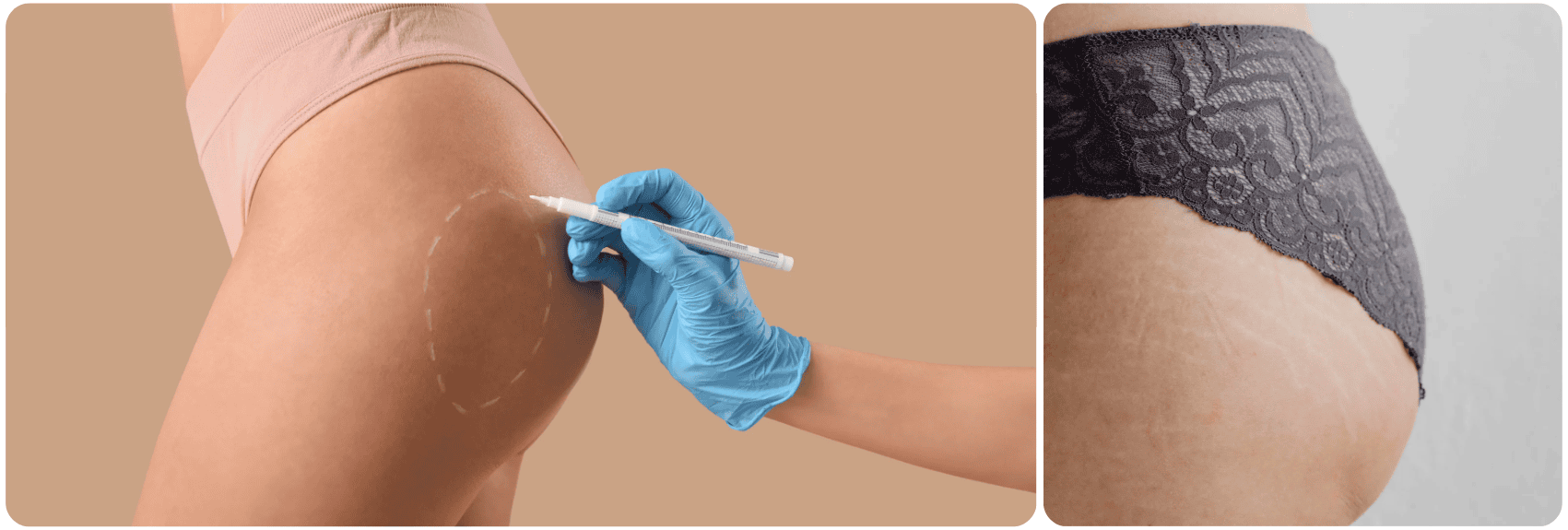
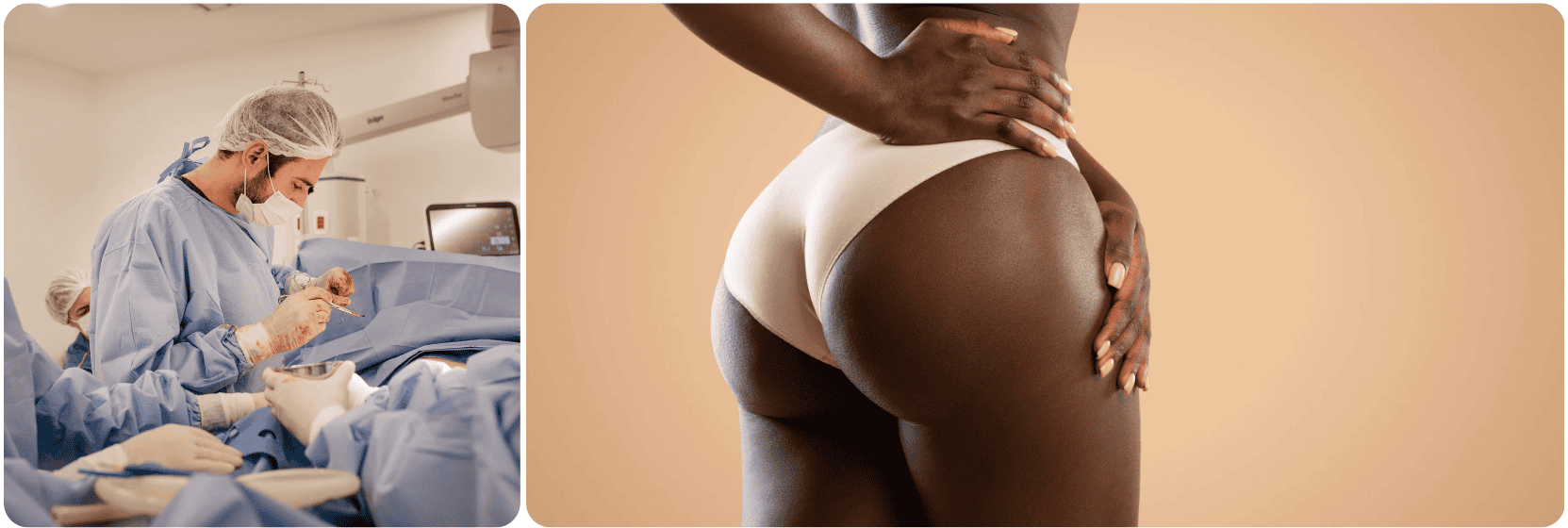
A buttock reduction is a surgical procedure aimed at reducing the size of the buttocks by removing excess fat and/or skin to improve their shape and overall appearance. People often choose this procedure for a variety of reasons, including physical discomfort, aesthetic preferences, or to achieve better body proportion and balance.
The procedure typically involves liposuction, where excess fat is suctioned out, or surgical excision of both fat and skin to achieve the desired size and contour. In some cases, a buttock reduction is combined with other cosmetic procedures, such as a buttock lift, to further refine the shape and enhance the overall appearance. The goal is to create a natural-looking, well-proportioned buttock that complements the rest of the body.
After the surgery, there is a recovery period during which the patient may experience swelling, bruising, and discomfort. It can take several weeks for the final results to become visible, as the body needs time to heal and adjust to the new shape. As with any surgical procedure, there are risks involved with a buttock reduction, including infection, scarring, and asymmetry. Therefore, it's important to choose a skilled and experienced surgeon and be fully informed about the procedure, potential results, and any possible complications.
Deciding to undergo a buttock reduction is a personal choice that can significantly boost a person’s confidence and physical comfort.
Buttock reduction is a cosmetic procedure designed for individuals who feel that their buttocks are disproportionately large or don’t align with their overall body shape. For some, overly large buttocks can cause discomfort, such as back pain or difficulty finding clothes that fit properly. Others may feel self-conscious about their appearance, particularly if the size of their buttocks affects their confidence or makes them feel unbalanced.
Buttock reduction surgery addresses these concerns by removing excess fat and skin, resulting in a smaller, more proportionate shape. Many people choose this procedure to achieve a more balanced figure, where the size of the buttocks is more in harmony with the rest of their body. This can greatly improve not only their physical comfort but also their self-esteem. Buttock reduction is ideal for those who are looking for a long-term solution to reduce the size of their buttocks and enjoy a sleeker, more streamlined appearance.
An ideal candidate for Buttock Reduction is someone who feels that the size or shape of their buttocks is disproportionate to the rest of their body. This can include individuals who experience physical discomfort, such as difficulty sitting for long periods or limitations during physical activity. Candidates often have localized fat deposits or excess skin that cannot be improved through lifestyle changes alone. Good skin quality and overall health are also important factors that can influence the outcome.
In addition, suitable candidates typically have realistic expectations about what Buttock Reduction can achieve. The procedure is designed to improve proportion rather than create a completely different body shape. Common characteristics of ideal candidates include:
👉 Stable body weight for several months prior to surgery
👉 No underlying medical conditions that impair healing
👉 Non-smokers or those willing to stop smoking before surgery
Understanding candidacy helps ensure both safety and satisfaction with the final results.
The results of Buttock Reduction generally focus on creating a smaller, more balanced contour that aligns with the patient’s overall body proportions. Most individuals notice a reduction in volume along with improved symmetry and smoother transitions between the buttocks, hips, and thighs. The outcome is typically subtle yet noticeable, enhancing natural body lines rather than appearing artificial.
It is important to recognize that results evolve over time. Swelling can temporarily obscure the final appearance, and it may take several weeks or months for the full outcome to become visible. Factors that influence results include:
👉 Skin elasticity and ability to retract after fat removal
👉 The amount of tissue removed during the procedure
👉 Post-operative care and adherence to recovery guidelines
Realistic expectations contribute significantly to overall satisfaction.
Preparation for Buttock Reduction plays a crucial role in both safety and recovery. Patients are usually advised to undergo a medical evaluation to ensure they are fit for surgery. Adjustments to medications, especially blood thinners, may be required to reduce the risk of complications. Maintaining a stable weight before the procedure is also recommended to support consistent results.
Lifestyle habits should also be optimized prior to surgery. Proper preparation often includes:
👉 Avoiding smoking and alcohol consumption for a set period
👉 Arranging help for daily activities during early recovery
👉 Preparing comfortable clothing and a recovery space at home
Taking these steps helps minimize risks and supports a smoother healing process.
Buttock reduction surgery is typically performed under general anesthesia, ensuring that the patient is comfortable throughout the procedure. The surgery involves making incisions in discreet locations, usually within the natural creases of the buttocks to minimize visible scarring. Excess fat is then removed through liposuction, and any loose or sagging skin is trimmed away to create a firmer, more contoured shape.
Buttock reduction surgery is typically performed under general anesthesia, ensuring that the patient is comfortable throughout the procedure.
In some cases, the surgeon may also tighten the underlying muscles or tissue to further enhance the results. The procedure usually takes between two to three hours, depending on the amount of reduction required and the complexity of the case.
Once the surgery is complete, the incisions are closed with sutures, and the area is bandaged. Recovery typically involves some swelling and bruising, which can last for several weeks, but patients are usually able to return to light activities within a week or two. It’s important to follow post-operative care instructions closely to ensure optimal healing and the best possible results.
Body proportions play a central role in how the buttocks are perceived, which is why buttock reduction is often considered a proportional procedure rather than purely a size-focused one. A larger buttock area can sometimes disrupt the visual balance between the hips, waist, thighs, and lower back. When this balance feels off, individuals may experience both aesthetic dissatisfaction and physical discomfort. Buttock reduction aims to restore harmony by reshaping the area so it aligns more naturally with the rest of the body.
It is important to understand that ideal proportions vary from person to person. Factors such as height, bone structure, and muscle distribution all influence how the final result will look. This is why buttock reduction surgery is often discussed in the context of overall body contouring rather than isolated change. When approached with proportion in mind, the outcome tends to look more natural and timeless.
People explore buttock reduction for a wide range of personal reasons, many of which go beyond appearance alone. Physical discomfort is one of the most common motivators, especially when excess volume interferes with daily activities. Others feel that their buttocks attract unwanted attention or limit clothing options, which can affect self-confidence over time.
Some frequently mentioned reasons include:
👉 Difficulty finding well-fitting clothes, especially trousers and skirts
👉 Discomfort during exercise, sitting, or prolonged walking
👉 Feeling disproportionate compared to hips, thighs, or upper body
These concerns are often deeply personal, and understanding them helps explain why buttock reduction is viewed as both a functional and aesthetic procedure.
Weight stability is an important consideration when discussing buttock reduction surgery. Significant weight fluctuations before or after the procedure can impact the final outcome. Gaining weight may increase fat volume in the buttocks again, while major weight loss could lead to skin laxity or changes in contour. For this reason, individuals are often encouraged to reach and maintain a stable weight beforehand.
Maintaining a consistent lifestyle after surgery supports long-term results. While buttock reduction removes excess fat and skin, the body still responds naturally to calorie intake and activity levels. Viewing the procedure as part of a broader approach to body balance rather than a shortcut can lead to greater satisfaction over time.
Not all buttock reduction procedures are the same, and understanding the differences can clarify expectations. In some cases, liposuction alone is sufficient to reduce excess fat and refine shape. This approach is typically suited for individuals with good skin elasticity, as the skin can retract naturally after fat removal.
Not all buttock reduction procedures are the same, and understanding the differences can clarify expectations.
In other cases, excess skin is also present, making surgical excision necessary. This method allows for more dramatic reshaping but involves longer recovery and visible scarring, though incisions are usually placed discreetly. The choice between these techniques depends on anatomy, skin quality, and desired outcome rather than preference alone.
Changes in body shape after buttock reduction can have a noticeable psychological impact. Many individuals report feeling more comfortable in their body and less self-conscious in social situations. Clothing often fits more easily, which can enhance daily confidence and comfort.
However, emotional readiness is just as important as physical suitability. Having clear and realistic expectations helps ensure that the psychological benefits align with the physical results. Viewing buttock reduction as a refinement rather than a complete transformation supports a healthier mindset.
Some people compare buttock reduction surgery with non-surgical methods such as weight loss or targeted exercise. While overall fat loss can reduce buttock size to some extent, it is not always predictable or localized. Genetics largely determine where the body stores and loses fat, making spot reduction unreliable.
Some people compare buttock reduction surgery with non-surgical methods such as weight loss or targeted exercise.
Surgery offers a more targeted and controlled approach. That said, non-surgical methods may still play a supportive role, especially in maintaining results after the procedure. Understanding the limitations of each approach helps clarify why surgery is sometimes chosen when other methods fall short.
The long-term results of buttock reduction are generally stable, especially when weight is maintained. However, natural aging continues to affect skin elasticity and tissue firmness. Over time, gravity and collagen loss may subtly change the appearance of the buttocks.
Despite these changes, many people find that reduced volume continues to feel more comfortable and proportionate than before surgery. Because the procedure removes excess tissue, aging often appears more gradual compared to untreated areas with significant volume.
As with any surgical procedure, buttock reduction surgery involves certain risks. These may include infection, asymmetry, or delayed healing. Being informed about these possibilities is essential for making a balanced decision rather than focusing solely on benefits.
Important safety-related topics often discussed include:
👉 Proper surgical planning based on anatomy
👉 Realistic expectations about shape and size changes
👉 Commitment to post-operative care and follow-up
An informed approach helps individuals weigh potential risks against personal goals.
After buttock reduction, small lifestyle adjustments can support healing and long-term results. Gentle movement is usually encouraged early on to promote circulation, while strenuous activities are postponed until recovery progresses. Sitting positions and sleeping habits may also be temporarily adjusted.
Over time, most people return fully to their normal routines. Regular physical activity and balanced nutrition help maintain overall body proportions. Viewing the procedure as part of an ongoing lifestyle rather than a one-time event supports lasting satisfaction.
The cost of Buttock Reduction can vary widely depending on several factors. One of the main influences is the complexity of the procedure, including whether it involves liposuction, skin excision, or both. The experience of the surgeon and the facility where the procedure is performed also play a role in determining the price.
Additional cost factors include:
👉 Geographic location of the clinic
👉 Anesthesia and operating room fees
👉 Post-operative care and follow-up appointments
Understanding these variables provides a clearer picture of what contributes to the overall cost, helping individuals plan accordingly.
The benefits of buttock reduction surgery are both physical and psychological. One of the primary advantages is achieving a more proportionate body shape. For individuals who have felt uncomfortable or self-conscious about the size of their buttocks, this procedure can create a balanced silhouette that enhances their overall appearance. Many patients also report improved comfort after the surgery, particularly if they had previously experienced back pain or difficulty with activities like sitting, walking, or exercising due to the size of their buttocks.
The benefits of buttock reduction surgery are both physical and psychological. One of the primary advantages is achieving a more proportionate body shape.
Additionally, the removal of excess fat and skin can result in a firmer, more toned look, which can be a huge confidence booster. Another significant benefit is the lasting nature of the results. Unlike non-invasive treatments, buttock reduction offers a permanent solution to size concerns, as long as the patient maintains a stable weight post-surgery. For many, this procedure represents a path to greater body confidence and comfort, allowing them to wear the clothes they want and feel more at ease in their everyday lives.
Expectations play a crucial role in how buttock reduction results are perceived. Those who seek proportion, comfort, and subtle reshaping tend to be more satisfied than those expecting dramatic change. Clear understanding of what the procedure can and cannot achieve is key.
Education, realistic goals, and patience during healing all contribute to a positive experience. When expectations align with achievable outcomes, buttock reduction is often experienced as a meaningful improvement rather than a cosmetic compromise.
The recovery process after buttock reduction varies from person to person, but certain experiences are common. Swelling and bruising are expected in the early stages, especially when both fat and skin are removed. Discomfort is typically managed with prescribed medication and gradually decreases over time.
During recovery, patients often need to adjust daily habits. Sitting for long periods may be uncomfortable initially, and supportive garments are sometimes used to reduce swelling. While most people return to light activities relatively quickly, full recovery can take several weeks as the body adapts to its new contours.
Scarring is an important topic when discussing buttock reduction surgery, particularly for those concerned about long-term appearance. The extent and visibility of scars depend on the technique used and individual healing characteristics. Surgeons generally place incisions within natural creases to keep scars as discreet as possible.
Scarring is an important topic when discussing buttock reduction surgery, particularly for those concerned about long-term appearance.
Over time, scars typically fade and soften, becoming less noticeable. Factors such as genetics, skin type, and aftercare can influence how scars heal. Understanding that scarring is a trade-off for shape improvement helps set realistic expectations and encourages informed decision-making.
Recovery after Buttock Reduction occurs in stages, each with its own expectations and care requirements. In the first few days, swelling, bruising, and mild discomfort are common. Patients are typically encouraged to rest while engaging in light movement to promote circulation. Compression garments may be used to support the treated area and reduce swelling.
As recovery progresses, most individuals gradually return to normal activities. A typical recovery timeline includes:
👉 First week: limited movement and focus on rest
👉 Weeks 2–3: gradual return to light daily tasks
👉 Weeks 4–6: increased activity with reduced discomfort
Full healing can take several weeks, and patience is essential for optimal results.
Many people considering Buttock Reduction have similar concerns regarding safety, recovery, and results. One of the most common questions is how long the procedure takes, which typically ranges from two to three hours depending on complexity. Another frequent topic is scarring, which is usually minimized by placing incisions in discreet areas.
Additional common questions include:
👉 When can normal exercise be resumed?
👉 Will the results look natural over time?
👉 Is the procedure permanent?
Providing clear answers to these questions helps individuals make informed decisions based on accurate expectations.
Like any surgical procedure, Buttock Reduction carries potential risks and side effects. Common temporary effects include swelling, bruising, and mild discomfort during the initial recovery phase. These symptoms usually improve gradually as healing progresses. However, more serious complications, although less common, should also be considered.
Potential risks include:
👉 Infection at the incision site
👉 Asymmetry or uneven contour
👉 Delayed wound healing or visible scarring
Understanding these possibilities allows individuals to weigh the benefits against the risks and approach the procedure with realistic expectations.
Before undergoing Buttock Reduction, individuals often expect a significant change in size and shape. While the procedure can create noticeable improvements, the goal is typically refinement rather than dramatic transformation. Clear communication about expected outcomes helps align patient expectations with achievable results.
Before undergoing Buttock Reduction, individuals often expect a significant change in size and shape.
After the procedure, the body requires time to adjust. Initial swelling may make the buttocks appear larger than expected, but this gradually subsides. Long-term expectations include improved proportion, enhanced comfort, and a more balanced silhouette that integrates naturally with the rest of the body.
Proper aftercare is essential to maximize the results of Buttock Reduction. Following medical advice closely can significantly influence healing and the final outcome. Wearing compression garments, maintaining hygiene, and attending follow-up appointments are all part of effective post-operative care.
Helpful care tips include:
👉 Avoiding prolonged sitting during early recovery
👉 Keeping the surgical area clean and dry
👉 Gradually reintroducing physical activity as advised
Consistent care supports better healing and helps maintain the desired contour over time.
The results of Buttock Reduction are generally long-lasting, especially when supported by a stable lifestyle. Since fat cells are removed during the procedure, they do not regenerate. However, remaining fat cells can still expand if significant weight gain occurs, potentially affecting the outcome.
Long-term durability depends on several factors. Maintaining a balanced diet and regular exercise routine can help preserve results. While natural aging may slightly alter skin firmness, the overall reduction in volume typically remains consistent for many years.
There are several misconceptions surrounding Buttock Reduction, which can lead to confusion. One common myth is that the procedure is only cosmetic, when in reality it can also address physical discomfort. Another misconception is that results are immediate, whereas in truth, full results take time to develop.
Key myths and facts include:
👉 Myth: Results are visible instantly
👉 Fact: Swelling must subside before final results appear
👉 Myth: Exercise alone can achieve the same outcome
👉 Fact: Targeted fat removal often requires surgical intervention
Understanding these distinctions helps individuals make more informed decisions.
Buttock Reduction can often be combined with other procedures to enhance overall body contour. For example, it may be performed alongside liposuction in adjacent areas to create smoother transitions. In some cases, a buttock lift may be included to address sagging skin and improve firmness.
Combination procedures can offer more comprehensive results but may also extend recovery time. Factors to consider include overall health, surgical goals, and the complexity of the combined approach. A well-planned combination can enhance body proportions more effectively than a single procedure alone.
During your consultation, you will discuss your wishes, medical history, and expectations with the doctor. The doctor will examine you, take measurements if necessary, and explain which treatment suits you best, including risks and recovery. You will have the opportunity to ask questions and then receive a clear treatment proposal.
Make sure you have all relevant medical information ready, such as previous treatments, allergies, or medical conditions. This allows the doctor to give you better advice.
Payment is made securely via SurgeryBooking. You pay the amount in advance to SurgeryBooking. We hold the funds and transfer them to the clinic after your treatment. Cancellation or change conditions vary per clinic and are clearly communicated in advance.
During the consultation (online or at the clinic), the doctor will assess this based on your health, expectations, and physical characteristics. You will discuss what you want, what is possible, and what the limitations are. Sometimes there are alternatives if the chosen treatment is not ideal.
Through SurgeryBooking.com, you can quickly and easily book a consultation or procedure with doctors and clinics worldwide. SurgeryBooking.com provides an overview of doctors and clinics, allowing you to make an informed and transparent choice when booking a consultation or procedure.
You can easily book through the profile of the desired clinic or doctor. Select the desired treatment, enter your details, and choose an available date and time. If there are any costs involved, you will complete the payment first. Afterwards, you will receive a confirmation email with all the details.
Yes, during the booking process, you can indicate whether you prefer an online consultation or an in-person consultation at the clinic.
With SurgeryBooking.com, you gain access to a global network of doctors and clinics. Through SurgeryBooking.com, you can easily book a consultation or a cosmetic procedure directly. Clinic profiles provide information about available cosmetic procedures, reviews, photos of the clinic, and other relevant details. This enables you to compare costs and make an informed decision when booking a consultation or procedure.