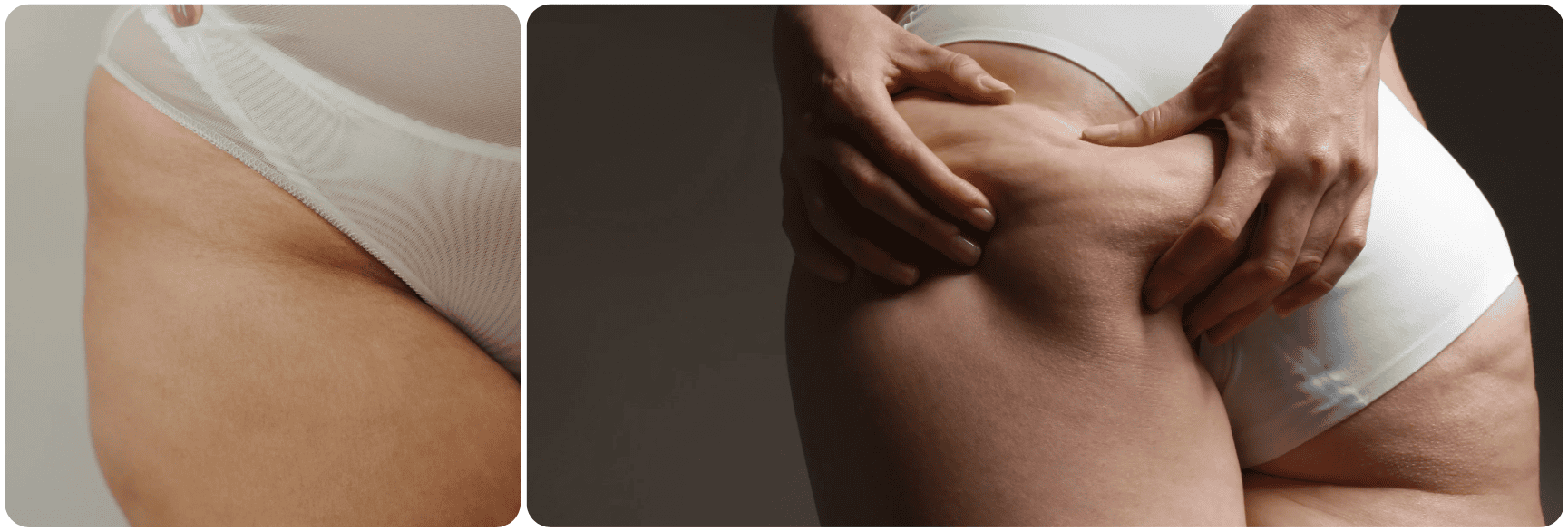
A buttock lift, also known as a gluteal lift, is a cosmetic surgical procedure designed to improve the shape and firmness of the buttocks. This procedure is often sought by individuals looking to enhance their body contour, address sagging skin, or restore volume lost due to aging, weight loss, or other factors.
During a buttock lift, a surgeon removes excess skin and may also reposition underlying tissues to achieve a more youthful and aesthetically pleasing appearance. In some cases, fat grafting or implants may be used to enhance the volume and shape of the buttocks further. This procedure can be performed on its own or in conjunction with other body contouring surgeries, such as liposuction or tummy tucks.
Candidates for a buttock lift typically include those who are in good health, have realistic expectations, and are dissatisfied with the appearance of their buttocks. It's essential for potential patients to consult with a qualified plastic surgeon to discuss their goals, evaluate their body type, and determine the most suitable surgical approach.
Recovery from a buttock lift can vary depending on the individual and the extent of the surgery. Patients are usually advised to avoid sitting directly on their buttocks for a period of time to allow for proper healing. Following the surgeon's post-operative care instructions is crucial for achieving optimal results and minimizing complications. Ultimately, a buttock lift can enhance an individual’s self-confidence and overall body image.
A buttock lift is a cosmetic procedure chosen by individuals who want to improve the shape, tone, and appearance of their buttocks, particularly after significant weight loss, aging, or sagging skin. Unlike buttock augmentation, which focuses on increasing the size of the buttocks with implants or fat transfer, a buttock lift aims to remove excess skin and tighten the area, creating a smoother, more contoured silhouette. This procedure is ideal for people who are happy with the size of their buttocks but are dissatisfied with sagging or loose skin that has resulted from aging, genetics, or major weight fluctuations.
People often choose a buttock lift to enhance the overall appearance of their lower body and to improve their self-confidence. For individuals who have lost a significant amount of weight, excess skin around the buttocks can be a persistent issue that doesn’t resolve with diet or exercise. A buttock lift offers a solution by eliminating this skin and tightening the underlying tissue, creating a more youthful and lifted appearance. The procedure is also appealing to those who seek a firmer, more toned look and want to restore a more balanced shape to their body.
A buttock lift is a cosmetic procedure chosen by individuals who want to improve the shape, tone, and appearance of their buttocks, particularly after significant weight loss, aging, or sagging skin.
Modern buttock lift procedures utilize advanced surgical techniques to enhance outcomes and minimize complications. Surgeons may employ methods such as deep plane lifting, which tightens the underlying muscle and fascia for a more natural contour. Laser-assisted skin tightening is sometimes used to reduce incision size and improve healing. Surgeons may also combine liposuction with the lift to sculpt adjacent areas like the flanks and lower back, creating a seamless transition between the buttocks and surrounding tissue. With these innovations, recovery times may be shorter, swelling can be minimized, and results appear more refined and natural.
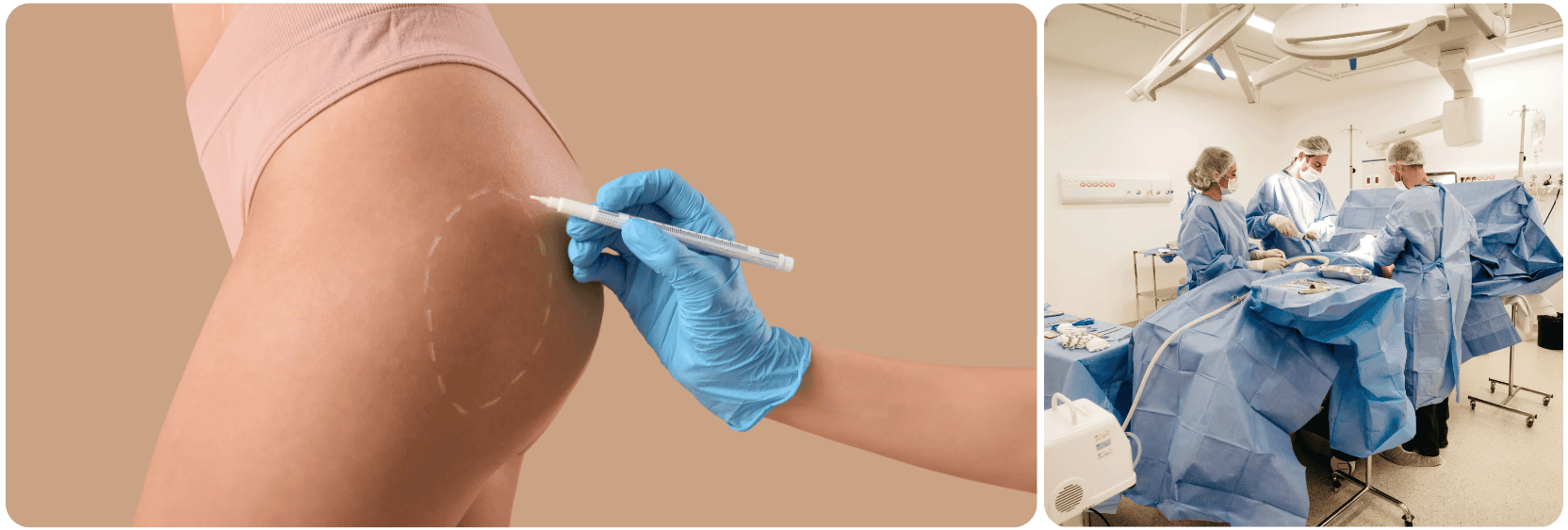
A buttock lift is performed under general anesthesia and typically takes two to four hours, depending on the extent of the surgery. The procedure begins with the surgeon making an incision along the lower back or just above the buttocks, usually where the scar can be hidden by clothing or underwear. The length of the incision depends on the amount of excess skin being removed. Once the incision is made, the surgeon lifts and tightens the underlying tissues of the buttocks, removing any excess skin and fat to create a firmer, smoother contour.
After the excess skin is removed, the remaining skin is pulled taut, and the incisions are carefully sutured. In some cases, liposuction may be used in conjunction with the buttock lift to further sculpt and contour the area, enhancing the overall results. The surgeon will also reposition the tissues to ensure that the buttocks have a natural, lifted appearance. Once the surgery is complete, the area is dressed with bandages, and patients are usually fitted with a compression garment to reduce swelling and support the healing process.
Recovery from a buttock lift typically takes several weeks. During the first few days after surgery, patients may experience swelling, bruising, and discomfort, which can be managed with prescribed medications. It is important to avoid sitting directly on the buttocks for extended periods during the initial healing phase, as this can put pressure on the incisions and affect the results. Most patients can return to light activities within two to three weeks, but strenuous activities and exercise should be avoided for at least six to eight weeks. Over time, as the swelling subsides and the tissues heal, the full results of the buttock lift will become more apparent, revealing a firmer, more youthful shape.
Recovery from a buttock lift typically takes several weeks. During the first few days after surgery, patients may experience swelling, bruising, and discomfort, which can be managed with prescribed medications.
A buttock lift provides several key benefits for individuals seeking to enhance the appearance of their buttocks by addressing sagging skin and loose tissue. One of the most significant advantages of a buttock lift is that it creates a firmer, more toned appearance, particularly for people who have experienced weight fluctuations or age-related sagging. By removing excess skin and tightening the underlying tissues, a buttock lift can dramatically improve the contour of the lower body, giving the buttocks a more youthful, lifted appearance. This makes it an excellent option for people who are happy with the overall size of their buttocks but want to enhance their shape and firmness.
Another important benefit of the buttock lift is the improvement it offers in skin texture and tone. After significant weight loss or as part of the natural aging process, the skin around the buttocks can become stretched and lose its elasticity. A buttock lift addresses this issue by removing the excess skin and repositioning the remaining skin to create a smoother, tighter look. This can help patients achieve a more balanced and proportionate figure, improving their self-confidence and making it easier to wear certain types of clothing.
Additionally, a buttock lift offers long-lasting results. Unlike non-surgical treatments that may need to be repeated frequently, a surgical buttock lift provides permanent results, especially when patients maintain a stable weight and healthy lifestyle. The results of the procedure can significantly enhance body contours and boost self-esteem, particularly for individuals who have struggled with the appearance of sagging or loose skin. By lifting and tightening the buttocks, this procedure can create a more defined and sculpted appearance, improving the overall harmony and balance of the patient’s body.
There are several variations of the buttock lift procedure, each tailored to meet specific patient needs and anatomical conditions. The most common type is the traditional upper buttock lift, where excess skin is removed through an incision made at the top of the buttocks. This method is ideal for those with significant skin laxity and sagging. A lower buttock lift, on the other hand, involves incisions along the crease underneath the buttocks and is often chosen for mild to moderate sagging.
In some cases, a butterfly lift or lateral buttock lift may be performed, particularly when the outer thighs and hips are also affected by sagging skin. Surgeons may combine these techniques with fat grafting or liposuction for a more complete body contouring result. Discussing these options with a qualified plastic surgeon helps patients understand which approach best aligns with their body goals and skin condition.
The best candidates for a buttock lift are individuals who have loose, sagging skin in the buttock area due to aging, weight loss, or genetics. Candidates should be at or near their ideal weight, as the procedure is not intended for major fat reduction but for tightening and reshaping. People who have undergone bariatric surgery or experienced significant weight loss often seek this procedure to remove the resulting excess skin.
In addition to physical qualifications, ideal candidates are those who have realistic expectations, are in good overall health, and are willing to commit to a healthy lifestyle post-surgery. A consultation with a board-certified plastic surgeon is essential to assess candidacy, review medical history, and determine whether a standalone lift or a combination with implants or fat grafting would provide the best outcome.
While non-surgical treatments like skin tightening devices or injectable fillers are becoming increasingly popular, they cannot provide the same level of correction as a surgical buttock lift. Non-invasive methods may offer temporary improvements in skin texture or volume, but they do not address moderate to severe sagging or loose skin caused by significant weight loss or aging.
A surgical lift provides a more dramatic and long-lasting result by physically removing excess skin and tightening the tissue underneath. For patients looking for a permanent solution to a drooping or flattened buttock appearance, surgery is often the only effective option. However, non-surgical options can sometimes be used in combination with surgery to enhance final results or maintain outcomes over time.
One of the long-term benefits of a buttock lift is that the results can last for many years, especially when patients follow post-operative care guidelines and maintain a stable weight. While the natural aging process will continue, the improvements from surgery typically remain noticeable for a long time. Patients often report improved comfort in clothing, better body confidence, and a more proportionate silhouette.
Scars from the procedure will fade over time and are usually well-hidden under clothing. Regular exercise, a balanced diet, and avoiding large weight fluctuations can help preserve the results. If needed, some patients may choose a touch-up procedure or combine future treatments, such as fat grafting, to maintain the aesthetic. With proper care, a buttock lift offers a long-lasting solution to a common body concern.
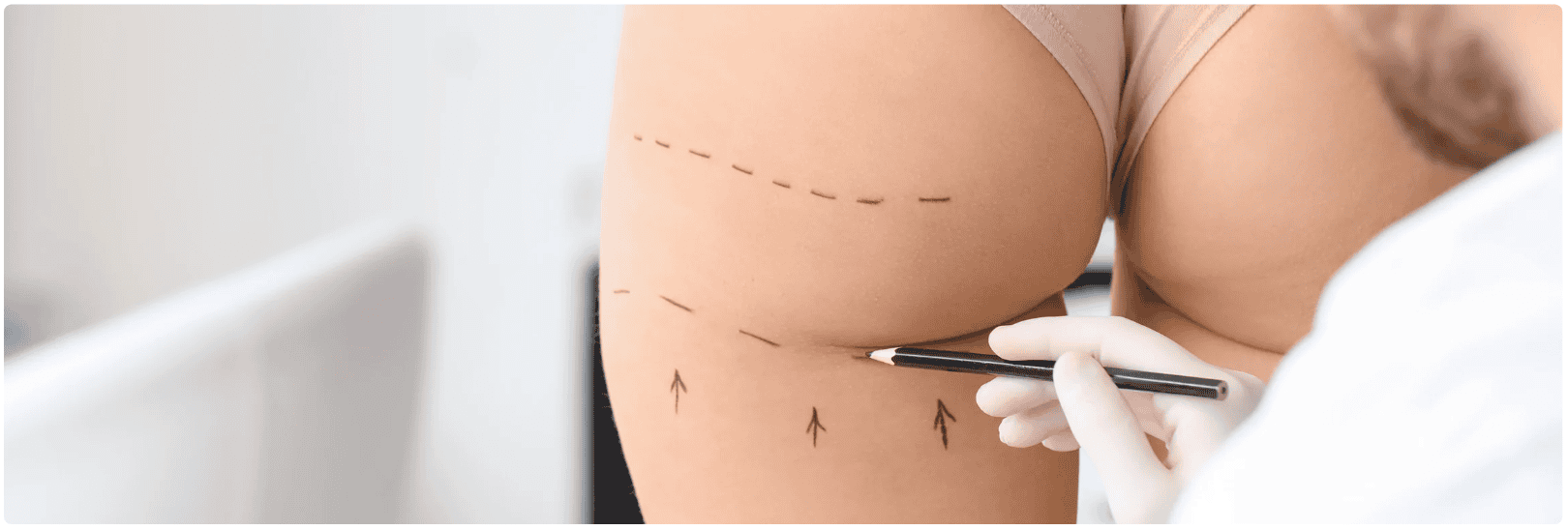
The placement of incisions is a crucial aspect of a buttock lift. Depending on the type of lift performed, surgeons may choose:
A lower incision along the crease under the buttocks for a lower buttock lift
An incision at the top of the buttocks, hidden under the waistband, for an upper buttock lift
Lateral or butterfly incisions to address sagging of the outer thighs and hips
Strategic incision placement ensures scars are discreet while allowing for maximum skin removal and tissue tightening. Surgeons carefully plan these incisions to match each patient’s anatomy and desired outcome.
Fat grafting, often called a Brazilian Butt Lift when performed alone, can complement a buttock lift to enhance volume and shape. During the procedure, fat is harvested from donor areas such as the abdomen or thighs, purified, and then injected into the buttocks. This technique provides natural-looking augmentation and improves overall contour. Fat grafting can also help smooth irregularities, fill depressions, and create a more rounded, lifted appearance. Combining a lift with fat grafting allows surgeons to achieve both tightness and volume enhancement in a single surgery.
Many patients choose to combine a buttock lift with additional cosmetic procedures to enhance overall body harmony. These can include tummy tucks, liposuction of the flanks or thighs, or lower body lifts. Combining procedures allows for comprehensive reshaping, reduces overall recovery time compared to separate surgeries, and ensures proportional results. Surgeons plan these combinations carefully to minimize risks and optimize aesthetic outcomes.
Many patients choose to combine a buttock lift with additional cosmetic procedures to enhance overall body harmony.
Maintaining results from a buttock lift involves lifestyle choices that support the surgical outcome. Regular exercise focused on gluteal strength, a balanced diet, and avoidance of large weight fluctuations can help preserve the lift. Patients should also protect their skin from prolonged sun exposure and stay hydrated to maintain elasticity. Periodic check-ups with the surgeon ensure any minor changes are addressed early, extending the longevity of results.
During your consultation, you will discuss your wishes, medical history, and expectations with the doctor. The doctor will examine you, take measurements if necessary, and explain which treatment suits you best, including risks and recovery. You will have the opportunity to ask questions and then receive a clear treatment proposal.
Make sure you have all relevant medical information ready, such as previous treatments, allergies, or medical conditions. This allows the doctor to give you better advice.
Payment is made securely via SurgeryBooking. You pay the amount in advance to SurgeryBooking. We hold the funds and transfer them to the clinic after your treatment. Cancellation or change conditions vary per clinic and are clearly communicated in advance.
During the consultation (online or at the clinic), the doctor will assess this based on your health, expectations, and physical characteristics. You will discuss what you want, what is possible, and what the limitations are. Sometimes there are alternatives if the chosen treatment is not ideal.
Through SurgeryBooking.com, you can quickly and easily book a consultation or procedure with doctors and clinics worldwide. SurgeryBooking.com provides an overview of doctors and clinics, allowing you to make an informed and transparent choice when booking a consultation or procedure.
You can easily book through the profile of the desired clinic or doctor. Select the desired treatment, enter your details, and choose an available date and time. If there are any costs involved, you will complete the payment first. Afterwards, you will receive a confirmation email with all the details.
Yes, during the booking process, you can indicate whether you prefer an online consultation or an in-person consultation at the clinic.
With SurgeryBooking.com, you gain access to a global network of doctors and clinics. Through SurgeryBooking.com, you can easily book a consultation or a cosmetic procedure directly. Clinic profiles provide information about available cosmetic procedures, reviews, photos of the clinic, and other relevant details. This enables you to compare costs and make an informed decision when booking a consultation or procedure.