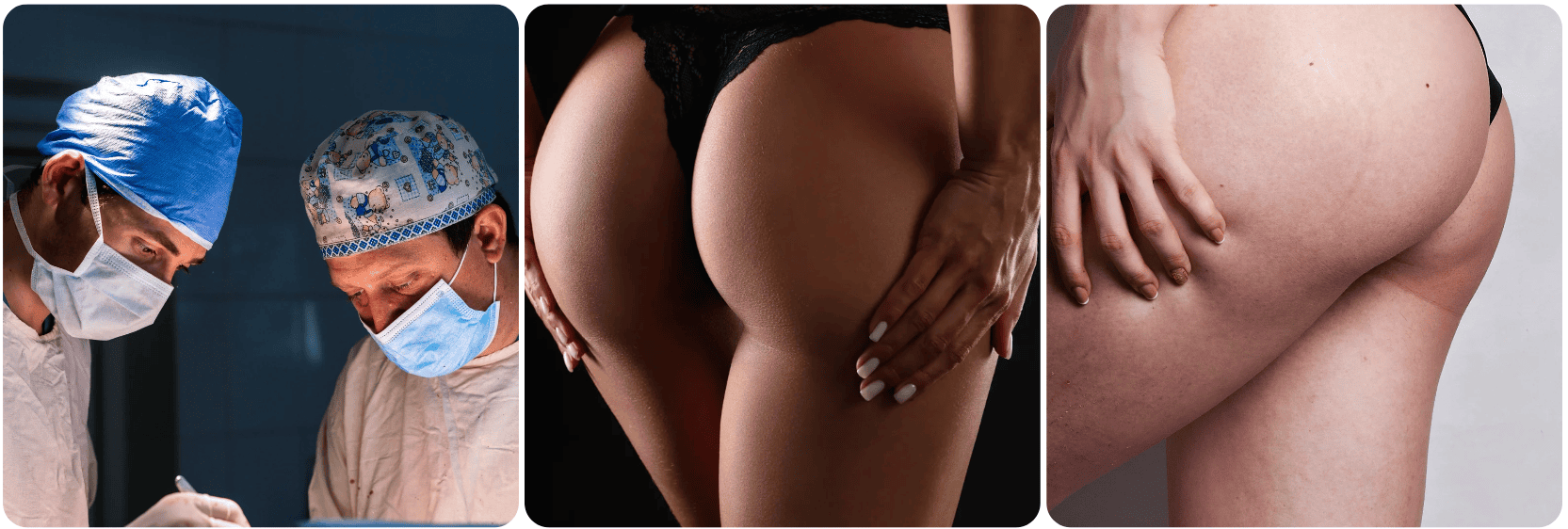
Butt implants are medical devices designed to enhance the shape and volume of the buttocks. This cosmetic surgery procedure has gained popularity among individuals seeking fuller and rounder buttocks. Butt implants come in various shapes and sizes, allowing for customization to meet the specific desires and needs of the patient.
The procedure to insert butt implants is typically performed under general or local anesthesia. During the surgery, an incision is made, usually in the natural folds of the buttocks, to position the implants properly. After the procedure, there is usually a recovery period of several weeks, during which the patient needs to rest and avoid certain activities.
While butt implants can be an effective way to improve the appearance of the buttocks, there are also risks associated with the procedure. These can include infections, scarring, and complications with the implants themselves. It is essential for patients to be well-informed about the potential risks and benefits before deciding to undergo the procedure.
After the recovery period, most patients can resume their normal activities, and the results of the procedure are often long-lasting. However, choosing an experienced surgeon and thoroughly discussing expectations and concerns before the procedure is crucial.
Butt implants are chosen by individuals looking to enhance the shape, size, and projection of their buttocks when fat transfer methods, like the Brazilian Butt Lift (BBL), may not be viable. This option is ideal for people who do not have enough excess fat to undergo a fat transfer or prefer a more predictable and stable volume increase in the buttocks. Butt implants offer a reliable solution for those seeking a fuller, more lifted appearance and can help improve body proportions by creating more definition in the lower body.
Butt implants are chosen by individuals looking to enhance the shape, size, and projection of their buttocks when fat transfer methods, like the Brazilian Butt Lift (BBL), may not be viable.
Butt implants are often sought by individuals who desire a more dramatic change in the size and shape of their buttocks, especially those who want a permanent solution that does not rely on fluctuating body fat levels. This procedure is particularly beneficial for people who have naturally flat or less defined buttocks and want to achieve a curvier or more balanced silhouette. Many patients choose butt implants to enhance their confidence and achieve an aesthetic that fits their body goals, especially if other methods like exercise or weight gain have not produced the desired results.
Several factors influence the cost of butt implants, including:
Surgeon’s experience and reputation
Geographic location and clinic reputation
Type, size, and brand of implant
Complexity of the procedure and combination with other surgeries
Pre- and post-operative care, including follow-up visits and compression garments
Understanding these factors allows patients to budget effectively and choose a clinic that balances quality and affordability. While cost is important, prioritizing safety and experienced surgical care should always guide decision-making. Transparent discussion about pricing during consultation ensures clarity and confidence.
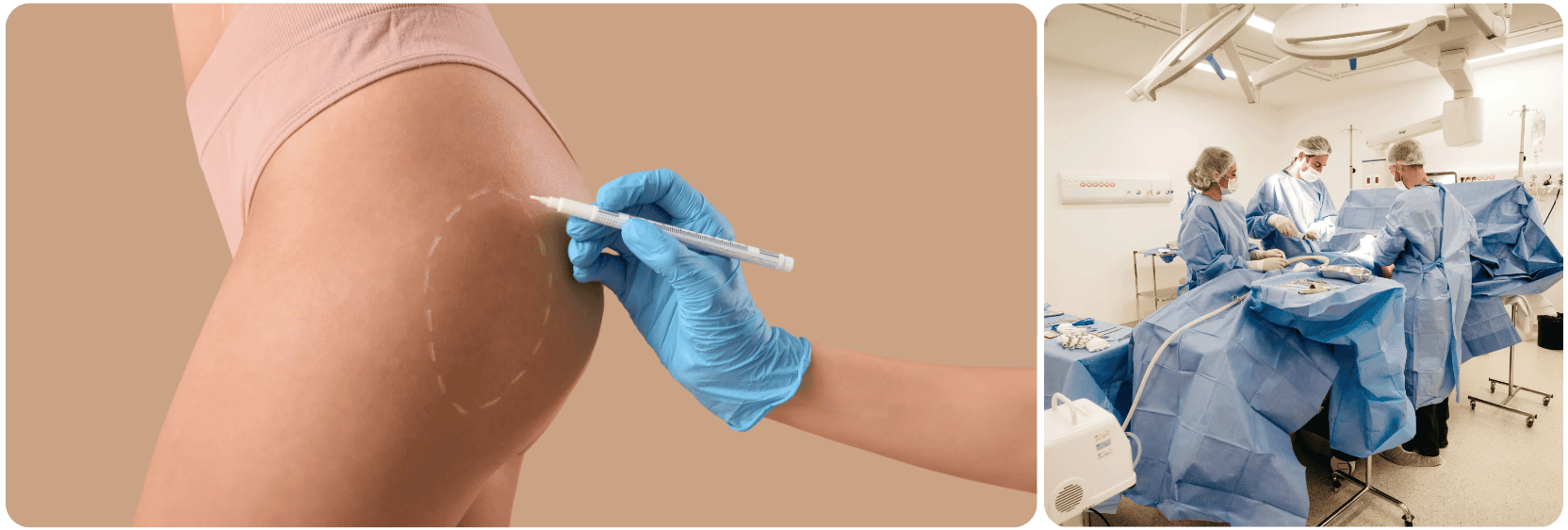
Butt implant surgery, also known as gluteal augmentation, involves the placement of silicone implants into the buttocks to enhance their shape and volume. The procedure is performed under general anesthesia and typically takes two to three hours to complete. During the surgery, the surgeon makes an incision in the natural crease between the buttocks, minimizing visible scarring. Through this incision, the surgeon creates a pocket either beneath the gluteus maximus muscle (intramuscular) or above it, depending on the patient's anatomy and desired outcome.
Once the pocket is prepared, the surgeon carefully places the silicone implants, which are specifically designed for the buttocks, into the pocket. The implants come in various shapes and sizes, allowing for customization based on the patient’s body type and aesthetic goals. The intramuscular placement of the implants provides additional stability, reducing the risk of implant movement over time and giving the buttocks a more natural appearance and feel. After the implants are in place, the incision is closed with sutures, and the area is bandaged to begin the healing process.
Post-surgery, patients are required to wear a compression garment to support the buttocks and reduce swelling during recovery. It is crucial for patients to avoid sitting directly on their buttocks for a period of time, usually two to three weeks, to ensure proper healing and avoid shifting the implants. Most people can return to light activities after a few weeks, but full recovery can take several months as the body adjusts to the new implants and the swelling subsides. Regular follow-ups with the surgeon ensure that the implants are healing properly and that the patient is satisfied with the results.
Surgeons may employ different methods to insert butt implants depending on patient anatomy and desired results. Common techniques include:
Intramuscular placement: implants are positioned within the gluteus maximus muscle for stability and a natural look.
Subfascial placement: implants are placed beneath the fascia but above the muscle for a moderate projection.
Subcutaneous placement: less common, implants are inserted above the muscle for minimal recovery time but higher risk of visible edges.
The choice of technique affects recovery time, the feel of the implants, and potential risks. Surgeons often combine imaging and 3D modeling to plan the procedure precisely. Understanding these techniques allows patients to make informed decisions and set realistic expectations. Proper surgical planning reduces complications and ensures the implants achieve the desired aesthetic outcome.
Butt implant offer several significant benefits for individuals seeking a more dramatic and lasting enhancement to the shape and size of their buttocks. One of the main advantages is that implants provide a predictable and consistent volume increase, unlike fat transfer methods that depend on the availability of excess fat. This makes butt implants an ideal option for people with limited body fat who still want a fuller, curvier appearance. The use of solid silicone implants also ensures a stable and long-lasting result, as the implants do not fluctuate in size due to changes in weight or body composition.
Another key benefit of butt implants is the ability to achieve a more dramatic transformation in buttock size and shape compared to other augmentation methods. The implants can be customized to fit the patient's aesthetic goals, whether they are seeking a subtle enhancement or a more pronounced and lifted look. This flexibility allows patients to achieve a personalized result that complements their body proportions and enhances their overall silhouette.
Another key benefit of butt implants is the ability to achieve a more dramatic transformation in buttock size and shape compared to other augmentation methods.
Butt implants also provide long-lasting results, with most patients enjoying the benefits of their enhanced shape for many years. Unlike procedures that use fat transfer, which can see some loss of volume as fat cells are reabsorbed by the body, implants maintain their size and shape over time. Additionally, the placement of implants within or above the gluteal muscles ensures a natural feel and appearance, with the implants securely positioned to minimize the risk of shifting or displacement. For those seeking a permanent and dramatic improvement in the appearance of their buttocks, implants offer a reliable and effective solution that boosts confidence and enhances body contours.
Although butt implants are generally safe, patients should be aware of possible complications to make an informed choice. These include:
Infection at the incision site or around the implant
Hematoma or fluid accumulation
Implant displacement or rotation
Scar tissue formation (capsular contracture)
Nerve or tissue damage
Chronic pain or discomfort
Regular follow-ups and strict adherence to post-operative instructions significantly reduce these risks. Patients should immediately report unusual swelling, redness, or discomfort to their surgeon. Understanding potential complications helps ensure proper expectations and promotes a safer recovery.
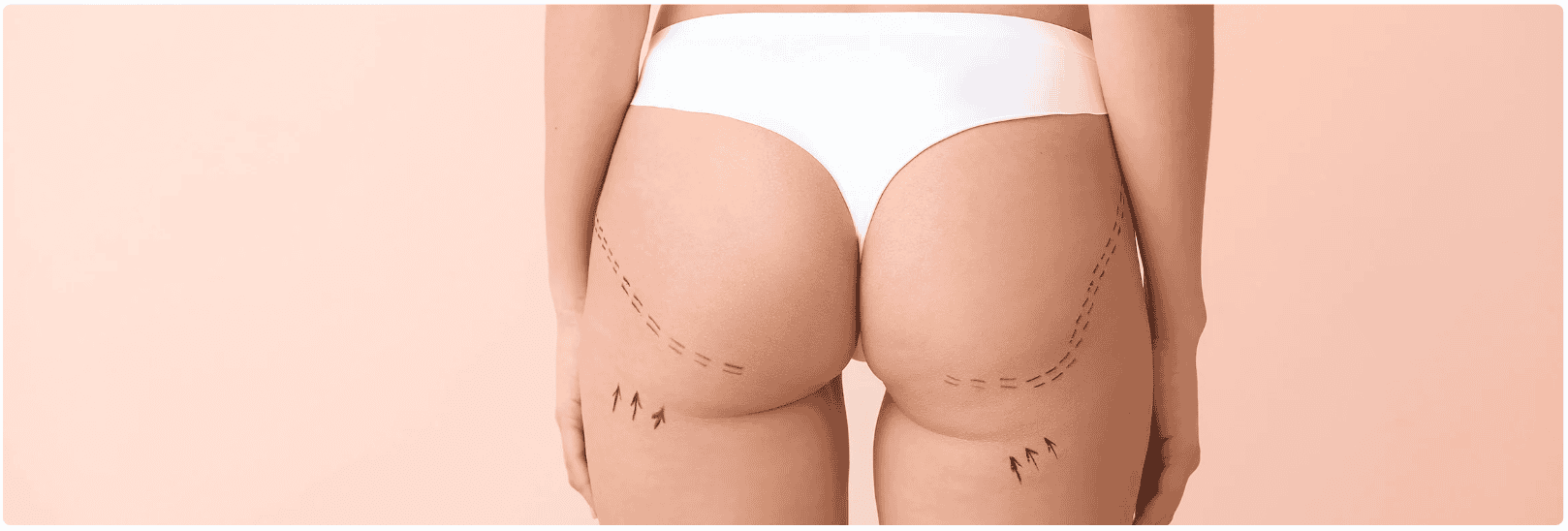
Butt implants can complement other cosmetic procedures to enhance overall body proportions. Many patients combine implants with liposuction, tummy tucks, or thigh lifts for a more balanced silhouette. Strategic contouring around the waist, hips, and thighs can further accentuate the new shape of the buttocks. This approach allows surgeons to create harmonious results tailored to the patient’s body type. Combining procedures may lengthen recovery time but can achieve a more dramatic and refined transformation. Surgeons often develop a personalized plan to maximize aesthetic benefits and minimize surgical risks.
When considering butt implants, it's essential to understand the different types available. The most common materials used are solid silicone implants, which are durable and specifically designed for gluteal augmentation. These implants vary in shape, including round and oval forms, to suit individual aesthetic preferences. Some implants offer a firmer feel for a more sculpted look, while others are softer to better mimic natural tissue.
Selecting the right implant type depends on your body structure, lifestyle, and personal goals. High-profile implants provide more projection, while low-profile ones offer subtle enhancement. A qualified surgeon will guide you through the available options to ensure a result that feels and looks natural.
Not everyone is the right fit for butt implant surgery, so it's important to understand what makes a good candidate. Typically, ideal candidates are in good physical health, have stable body weight, and are non-smokers. People who lack enough fat for transfer procedures like a BBL often turn to implants as an alternative solution.
You may also be a good candidate if you have naturally flat or underdeveloped buttocks and want a more balanced figure. It’s crucial to have realistic expectations and to consult with a certified plastic surgeon who can assess your anatomy and recommend the most suitable approach.
When choosing between butt implants and fat transfer (such as the Brazilian Butt Lift), it's essential to weigh the pros and cons. Fat transfer uses liposuction to harvest fat from other body areas, which is then injected into the buttocks. While this offers a natural feel, results can be unpredictable since some fat may be reabsorbed by the body.
Butt implants, on the other hand, provide a more stable and defined enhancement that doesn’t rely on body fat. They are ideal for those with limited fat reserves or who want a more dramatic and lasting result. Each method has different risks, recovery times, and outcomes, so discussing these with a surgeon can help you make the best decision for your body.
After receiving butt implants, maintaining your results over the long term involves proper care and routine follow-ups. Although implants are long-lasting, lifestyle factors like sudden weight gain or loss can affect their appearance. Avoiding high-impact activities and maintaining a consistent weight will help preserve the shape and position of your implants.
In some cases, patients may opt for revision surgery years later, either due to personal preference or to upgrade to newer implant styles. Regular consultations with your surgeon help monitor implant condition and ensure there are no complications. With attentive aftercare, most patients enjoy their enhanced figure for many years.
After receiving butt implants, maintaining your results over the long term involves proper care and routine follow-ups.
Proper recovery is essential after butt implant surgery to achieve optimal results and minimize complications. Patients should follow their surgeon’s instructions carefully, including wearing compression garments and avoiding sitting directly on the buttocks for the recommended period. Staying hydrated and eating a balanced diet can accelerate healing and reduce swelling. Gentle walking is encouraged to maintain circulation, but strenuous activities should be avoided. Attending all follow-up appointments ensures that any potential issues are detected early.
Over-the-counter pain relief may be recommended, but patients should always consult their surgeon before taking medications. Keeping the surgical area clean and dry is vital to prevent infections. Adhering to these recovery strategies can enhance the longevity and appearance of your implants.
Selecting the appropriate size for butt implants is crucial for achieving natural-looking results and avoiding complications. Oversized implants can cause discomfort, asymmetry, and strain on surrounding tissues, while too small implants may not provide the desired enhancement. Surgeons consider factors such as body frame, hip width, and existing buttock volume when recommending implant size. Patients often discuss their aesthetic goals and try on sizers during consultations to visualize potential outcomes.
The right implant size ensures proportional enhancement and complements your overall body shape. Customizing implants based on lifestyle and activity levels also plays a role, as active individuals may require slightly different options. Careful planning and professional guidance are essential to make the most informed decision.
Before undergoing butt implant surgery, proper preparation can significantly improve outcomes and reduce risks. Key steps include:
Undergoing a thorough medical evaluation and lab tests
Stopping smoking at least several weeks prior to surgery
Avoiding certain medications that increase bleeding risk
Arranging for post-surgery transportation and support
Planning time off work and daily activities for recovery
Following pre-surgery instructions regarding diet and hydration
Proper preparation helps reduce complications, ensures smoother surgery, and accelerates healing. A well-prepared patient often experiences less stress and a more comfortable recovery process.
Athletic patients seeking butt implants should consider specific factors related to muscle structure and activity levels. Intramuscular placement is often recommended to maintain stability during workouts. Surgeons may advise a temporary reduction in high-impact exercises to protect healing tissue. Tailoring implant size and shape ensures the results look natural with active muscle movement. Recovery guidelines may differ slightly for athletes, including modified sitting and exercise restrictions. Proper consultation and customized surgical planning are essential for achieving a harmonious look that accommodates an active lifestyle.
Modern butt implants are primarily made from solid silicone, but innovations in materials continue to emerge. Some implants incorporate textured surfaces to reduce shifting and improve tissue integration. Newer designs may include anatomic shapes that mimic natural gluteal curves more closely. Advances in surgical techniques and implant technology also reduce complications and enhance comfort. Patients can now choose implants that provide both a realistic feel and long-lasting durability. Staying informed about new options helps patients make choices that best suit their body and aesthetic goals.
Maintaining butt implants over time requires attention to lifestyle and body changes. While implants are durable, sudden weight gain or loss can alter their appearance. Activities that involve prolonged sitting or heavy impact should be monitored to prevent displacement. Periodic check-ups with your surgeon ensure that implants remain properly positioned and that tissue surrounding the implant is healthy. In some cases, implants may need to be replaced or adjusted after several years. Wearing supportive garments during exercise and maintaining stable body weight are effective strategies to preserve results.
During your consultation, you will discuss your wishes, medical history, and expectations with the doctor. The doctor will examine you, take measurements if necessary, and explain which treatment suits you best, including risks and recovery. You will have the opportunity to ask questions and then receive a clear treatment proposal.
Make sure you have all relevant medical information ready, such as previous treatments, allergies, or medical conditions. This allows the doctor to give you better advice.
Payment is made securely via SurgeryBooking. You pay the amount in advance to SurgeryBooking. We hold the funds and transfer them to the clinic after your treatment. Cancellation or change conditions vary per clinic and are clearly communicated in advance.
During the consultation (online or at the clinic), the doctor will assess this based on your health, expectations, and physical characteristics. You will discuss what you want, what is possible, and what the limitations are. Sometimes there are alternatives if the chosen treatment is not ideal.
Through SurgeryBooking.com, you can quickly and easily book a consultation or procedure with doctors and clinics worldwide. SurgeryBooking.com provides an overview of doctors and clinics, allowing you to make an informed and transparent choice when booking a consultation or procedure.
You can easily book through the profile of the desired clinic or doctor. Select the desired treatment, enter your details, and choose an available date and time. If there are any costs involved, you will complete the payment first. Afterwards, you will receive a confirmation email with all the details.
Yes, during the booking process, you can indicate whether you prefer an online consultation or an in-person consultation at the clinic.
With SurgeryBooking.com, you gain access to a global network of doctors and clinics. Through SurgeryBooking.com, you can easily book a consultation or a cosmetic procedure directly. Clinic profiles provide information about available cosmetic procedures, reviews, photos of the clinic, and other relevant details. This enables you to compare costs and make an informed decision when booking a consultation or procedure.