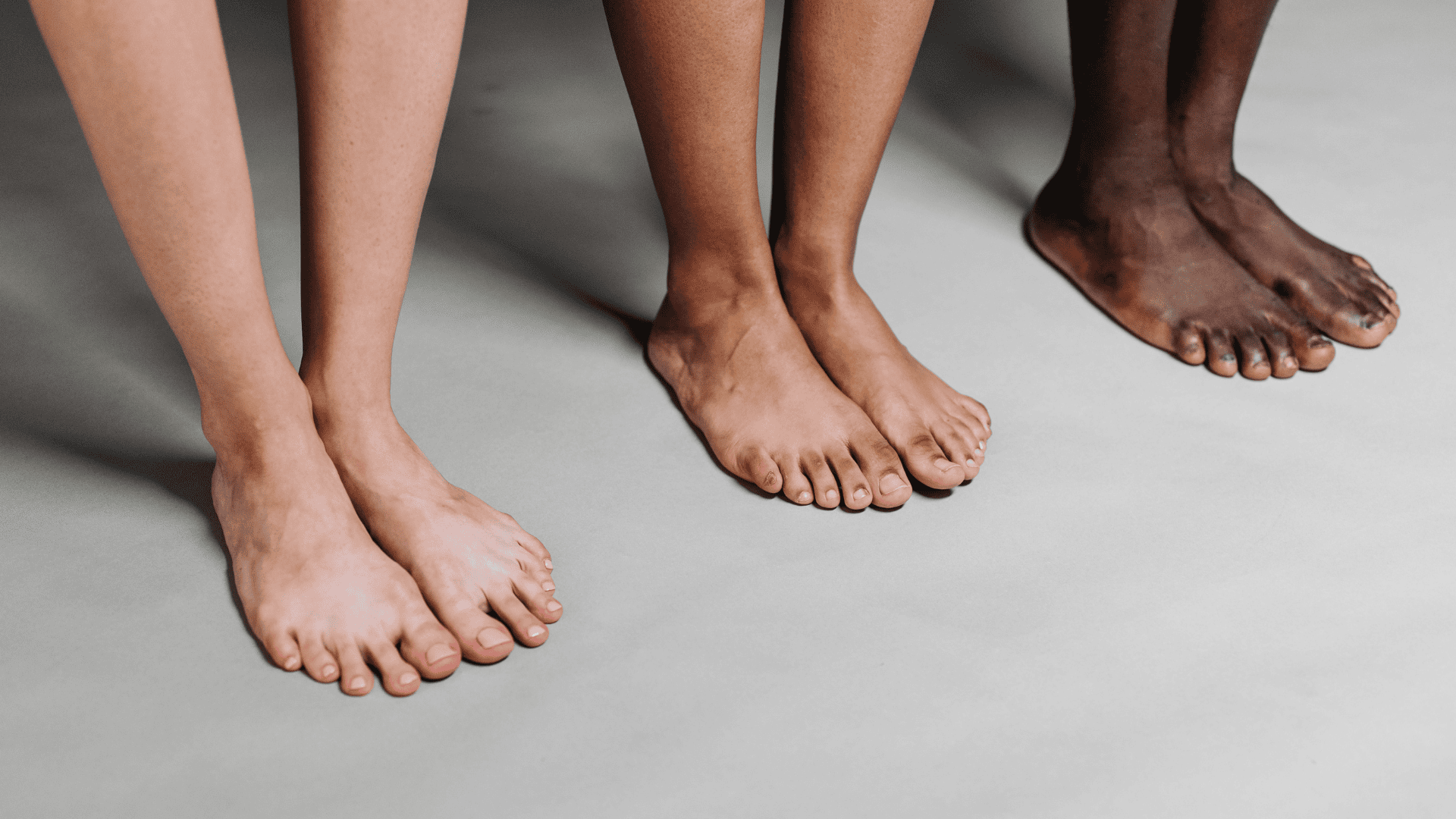
A bunion correction is a surgical procedure performed to treat a bunion, a common foot condition where a painful, bony bump develops at the base of the big toe. A bunion, also known as hallux valgus, occurs when the joint at the base of the big toe becomes misaligned, causing the toe to lean inward toward the other toes. This creates a visible bump on the side of the foot, which can lead to discomfort, pain, inflammation, and difficulty wearing shoes or walking. Bunions are especially common in women and can be worsened by wearing tight or high-heeled shoes.
Bunion correction surgery aims to restore the alignment of the big toe and reduce pain and discomfort. There are several surgical techniques available, depending on the severity of the bunion and the individual circumstances of the patient. The most common method involves cutting and repositioning the bone near the big toe to bring it back into its correct position. In some cases, the surgeon may need to adjust or shorten the ligaments around the big toe to ensure stability. Metal screws or pins might be used to hold the toe in place while the bone heals.
The procedure is often done on an outpatient basis, meaning the patient can typically go home the same day. Before surgery, the surgeon will evaluate the foot, take X-rays to assess the alignment of the bones and joints, and decide on the best surgical approach. The surgery itself is usually performed under local or regional anesthesia, so the foot is numbed while the patient remains awake.
After the surgery, a recovery period is required, which varies depending on the severity of the bunion and the surgical method used. In the weeks following the procedure, the patient must limit weight-bearing on the foot to avoid disrupting the healing process. Special footwear or a brace is often worn to protect and support the foot during recovery. Gradual weight-bearing may begin after a few weeks, but full recovery can take several months. Physical therapy may be recommended to restore strength and flexibility to the foot and ensure proper function of the big toe.
The primary goal of bunion correction surgery is to restore the natural alignment of the big toe, relieve pain, and improve the overall function of the foot. While the procedure is often successful, there are potential risks, including infection, joint stiffness, or, in rare cases, the bunion returning. The success of the surgery largely depends on factors such as the severity of the original deformity, the chosen surgical technique, and the patient’s adherence to post-operative care instructions.
Patients considering bunion correction should be well-informed about the procedure and the expected outcomes. For many, the surgery can significantly improve quality of life by reducing pain and enhancing mobility. However, it is important to have realistic expectations and understand that recovery takes time. Additionally, preventative measures, such as wearing properly fitting shoes, may be necessary to avoid future issues.
Bunion correction surgery is often pursued by individuals who suffer from both the cosmetic and physical discomfort caused by bunions. A bunion is a bony bump that forms at the base of the big toe, causing the toe to push inward toward the other toes. This can lead to pain, swelling, and difficulty finding comfortable footwear. Many people opt for bunion correction surgery because their condition limits their ability to enjoy normal activities like walking, exercising, or even wearing their favorite shoes. While some choose surgery primarily for aesthetic reasons, especially if they feel self-conscious about the appearance of their feet, the primary motivation often revolves around the relief of chronic pain. Left untreated, bunions can worsen over time, leading to further deformity and potentially more invasive surgeries down the road. By undergoing bunion correction surgery, patients can restore the alignment of their foot, reduce pain, and prevent future complications, making it an attractive option for those seeking both functional and aesthetic improvements.
Bunion correction surgery, also known as a bunionectomy, involves realigning the bones in the foot to correct the bunion deformity. The procedure typically begins with a consultation where the surgeon assesses the severity of the bunion and discusses the best surgical approach for the individual. Depending on the complexity, bunion surgery can be performed under local or general anesthesia. There are different techniques available, but in most cases, the surgeon will make a small incision along the side of the big toe joint. Then, they carefully realign the bones of the foot, often removing or reshaping the bone that is causing the bunion to protrude. In some cases, screws or plates may be used to hold the bones in the correct position while they heal. After surgery, the patient is typically required to wear a special boot or cast for several weeks to protect the foot and ensure proper healing. Recovery can take a few months, with physical therapy often recommended to restore full function. Though it’s a delicate procedure, bunion correction surgery is highly effective in reducing pain, improving foot function, and enhancing the overall appearance of the foot.
The benefits of bunion correction surgery are far-reaching, as it addresses both physical pain and aesthetic concerns. One of the most immediate benefits is the relief from chronic pain that many people experience due to the pressure and inflammation caused by bunions. This allows for greater mobility and the ability to engage in activities that may have previously been difficult or painful, such as walking, running, or standing for long periods. Additionally, bunion correction can significantly improve the alignment of the foot, preventing further complications such as hammertoes or arthritis from developing down the line. From an aesthetic perspective, many patients are pleased with the improved appearance of their feet post-surgery, as the unsightly bulge of the bunion is removed, and the toe is brought back into its natural position. This often leads to an increased sense of confidence, allowing individuals to wear the shoes they love without discomfort or embarrassment. Overall, bunion correction surgery provides both long-term pain relief and a boost in self-esteem, making it a highly beneficial procedure for those suffering from this common foot deformity.
During your consultation, you will discuss your wishes, medical history, and expectations with the doctor. The doctor will examine you, take measurements if necessary, and explain which treatment suits you best, including risks and recovery. You will have the opportunity to ask questions and then receive a clear treatment proposal.
Make sure you have all relevant medical information ready, such as previous treatments, allergies, or medical conditions. This allows the doctor to give you better advice.
Payment is made securely via SurgeryBooking. You pay the amount in advance to SurgeryBooking. We hold the funds and transfer them to the clinic after your treatment. Cancellation or change conditions vary per clinic and are clearly communicated in advance.
During the consultation (online or at the clinic), the doctor will assess this based on your health, expectations, and physical characteristics. You will discuss what you want, what is possible, and what the limitations are. Sometimes there are alternatives if the chosen treatment is not ideal.
Through SurgeryBooking.com, you can quickly and easily book a consultation or procedure with doctors and clinics worldwide. SurgeryBooking.com provides an overview of doctors and clinics, allowing you to make an informed and transparent choice when booking a consultation or procedure.
You can easily book through the profile of the desired clinic or doctor. Select the desired treatment, enter your details, and choose an available date and time. If there are any costs involved, you will complete the payment first. Afterwards, you will receive a confirmation email with all the details.
Yes, during the booking process, you can indicate whether you prefer an online consultation or an in-person consultation at the clinic.
With SurgeryBooking.com, you gain access to a global network of doctors and clinics. Through SurgeryBooking.com, you can easily book a consultation or a cosmetic procedure directly. Clinic profiles provide information about available cosmetic procedures, reviews, photos of the clinic, and other relevant details. This enables you to compare costs and make an informed decision when booking a consultation or procedure.