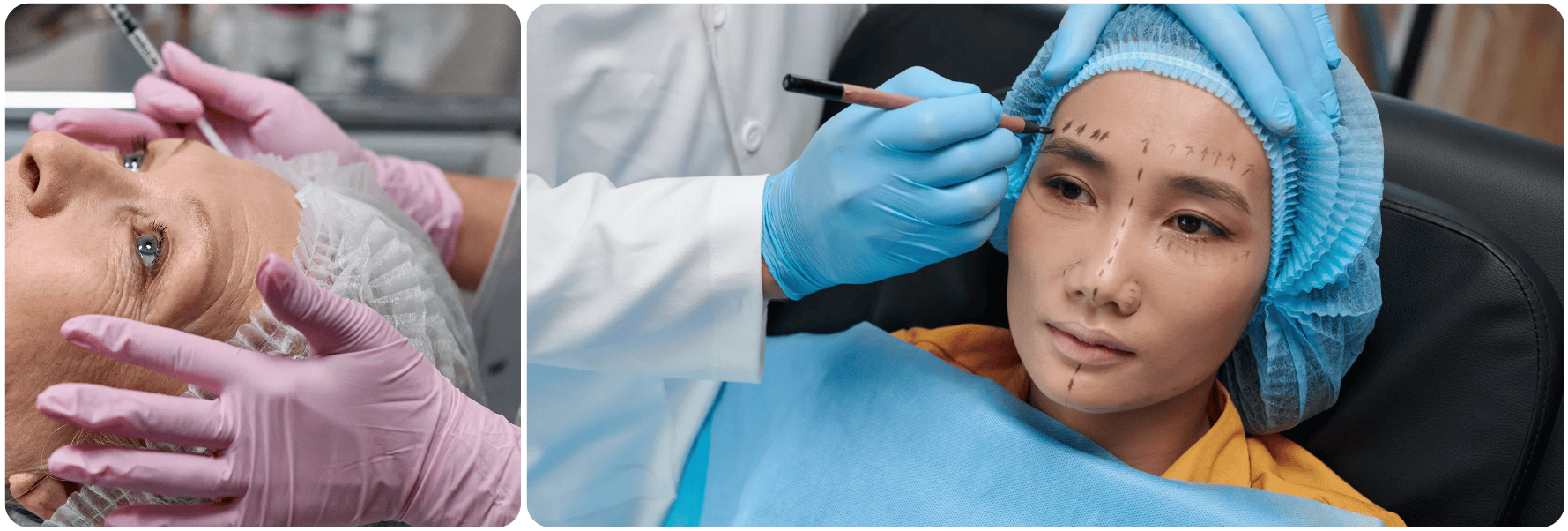
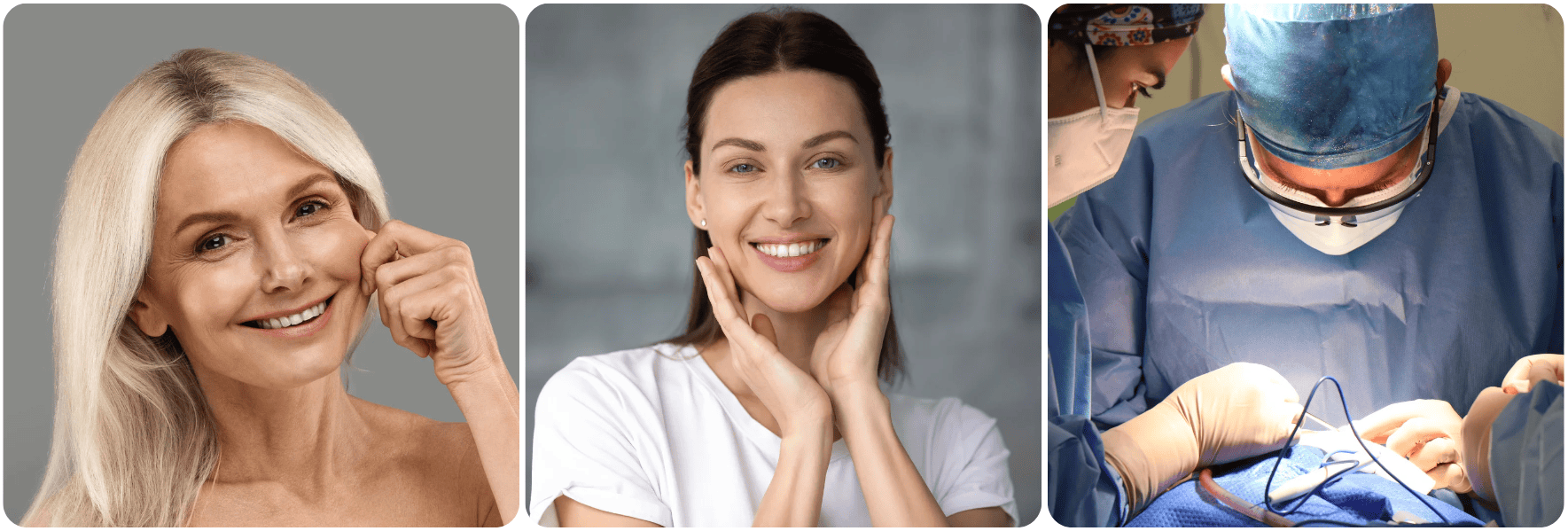
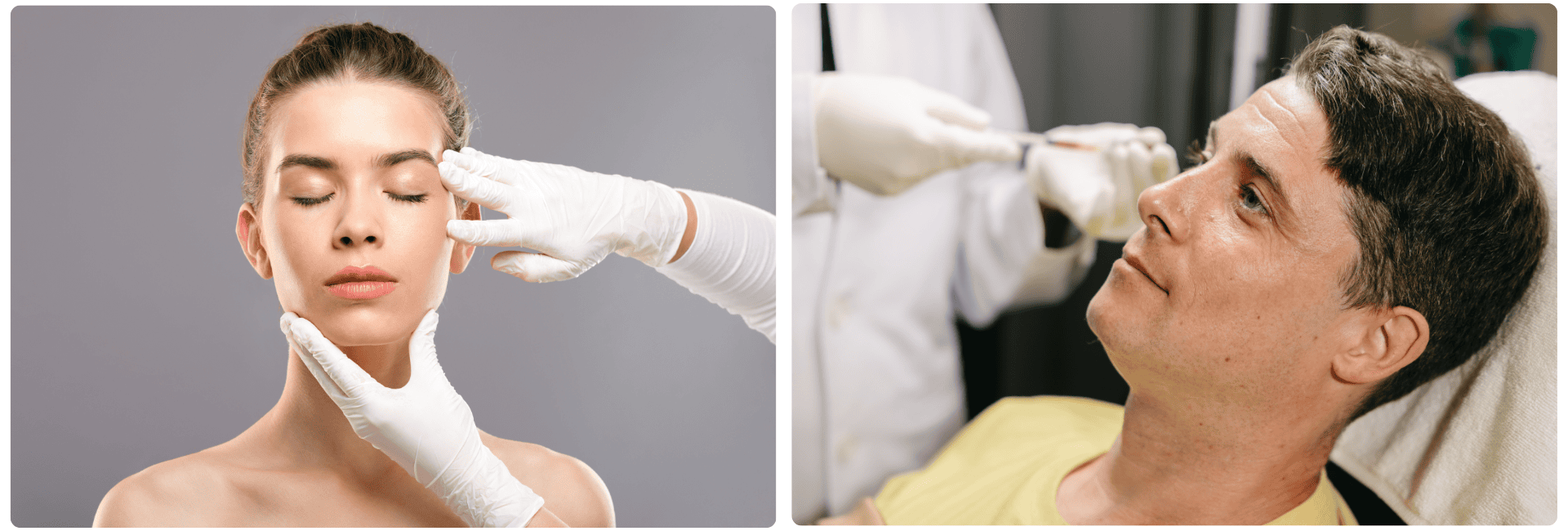
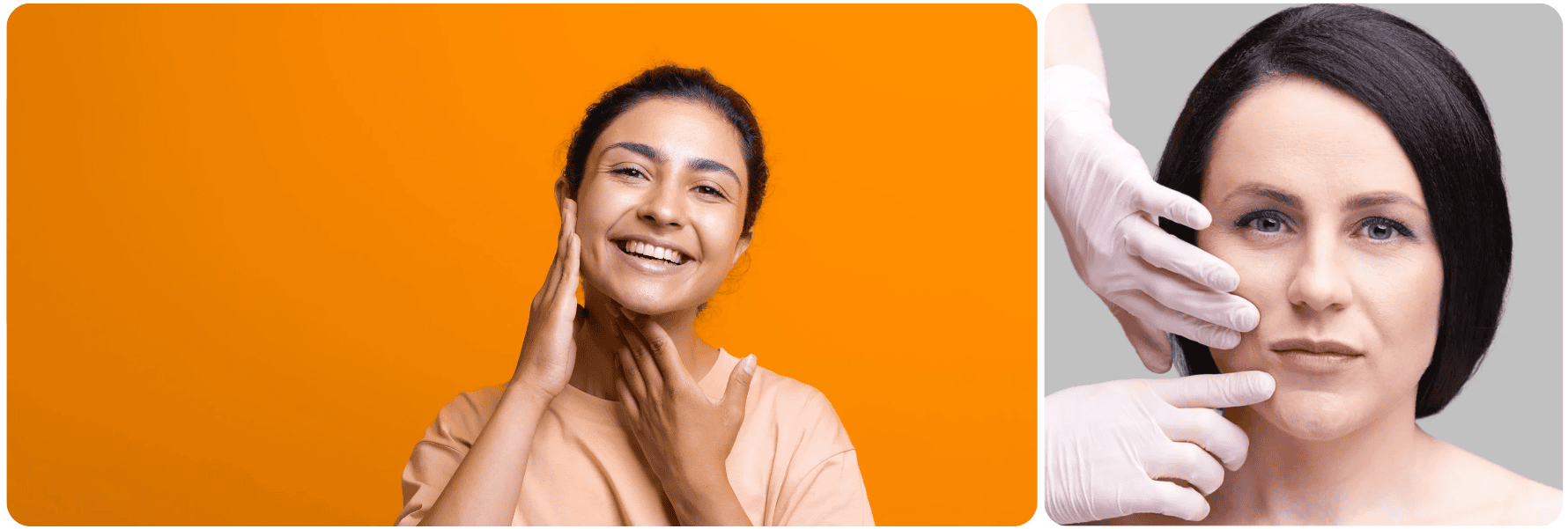
Buccal fat removal is a cosmetic procedure aimed at removing excess fat from the cheeks to give the face a slimmer and more contoured appearance. The fat removed during this procedure comes from the buccal fat pads, which are located deep in the cheeks, between the cheekbones and the jawline. In some individuals, these fat pads can create a fuller or rounder face, even if they are not overweight.
During the procedure, the surgeon makes a small incision inside the mouth, usually on the inner part of the cheeks, ensuring that no visible scars are left. Through this incision, the excess fat is carefully removed. The procedure is typically performed under local anesthesia, though light sedation or general anesthesia may be used depending on the patient’s preferences or the complexity of the surgery.
Buccal fat removal is a cosmetic procedure aimed at removing excess fat from the cheeks to give the face a slimmer and more contoured appearance.
The goal of buccal fat removal is to enhance the natural contours of the face, especially highlighting the cheekbones and jawline. It can give the face a more sculpted and refined appearance, which is particularly desirable for those with round or chubby cheeks. The results are generally permanent, as the removed fat does not return, although the face may continue to change over time due to natural aging and weight fluctuations.
Recovery from buccal fat removal is usually quick. Patients may experience some swelling and tenderness in the first few days after the procedure, but these symptoms typically subside quickly. The final results are often visible within a few weeks. As with any cosmetic procedure, there are some risks associated with buccal fat removal, including infection, asymmetry, or excessive fat removal, which could give the face a sunken appearance. Therefore, it is important for patients to be well-informed and choose an experienced surgeon to achieve the desired results.
Buccal fat removal is a cosmetic procedure that targets the removal of the buccal fat pads, which are located in the lower part of the cheeks. This surgery is often chosen by individuals who wish to achieve a more sculpted and contoured facial appearance, particularly those who feel that their face is too round or fuller than they would prefer.
The buccal fat pads contribute to the roundness of the cheeks, and by removing them, the face can appear slimmer, with more defined cheekbones and a sharper jawline. Some people naturally have larger buccal fat pads, which can make their face look more juvenile or give them a "baby face" appearance, even as they age.
Buccal fat removal is a cosmetic procedure that targets the removal of the buccal fat pads, which are located in the lower part of the cheeks.
Others may notice that despite weight loss, their cheeks remain fuller, and buccal fat removal can offer a solution to achieve more balanced facial proportions. It’s also a popular option for people who want to enhance the appearance of their facial features without the need for more invasive procedures like facelifts. For those who are looking for a subtle yet effective enhancement, buccal fat removal can be a life-changing procedure that results in a more elegant and mature look, contributing to a more sculpted facial profile.
Buccal fat removal is a relatively straightforward procedure that typically takes place under local anesthesia, with or without sedation, depending on the patient's preference and the complexity of the case. During the procedure, the surgeon makes a small incision on the inside of the cheek, near the area where the upper molars are located, ensuring that no visible scarring is left on the outside of the face. The surgeon then carefully dissects the tissue to access the buccal fat pads, which are located deep within the cheek.
Once identified, the fat pads are gently removed or reduced in size. The procedure usually takes less than an hour, and because it is minimally invasive, patients can typically go home the same day. After the procedure, the incision inside the mouth is sutured, and no external stitches are required.
Buccal fat removal is a relatively straightforward procedure that typically takes place under local anesthesia, with or without sedation, depending on the patient's preference and the complexity of the case.
Following buccal fat removal, there may be some swelling and discomfort, but most patients recover relatively quickly, with swelling usually subsiding after a few days. As the cheeks heal, the face will gradually take on a more sculpted and defined appearance. Post-operative care includes following the surgeon's instructions on oral hygiene and avoiding strenuous activities during the recovery period to ensure that the healing process goes smoothly and results in the best possible outcome.
Many patients considering buccal fat removal are also interested in combining it with additional cosmetic treatments to achieve a more comprehensive result. Since the procedure is minimally invasive and has a relatively short recovery time, it can often be performed alongside other facial surgeries.
Some individuals choose to pair it with rhinoplasty for better overall balance, while others combine it with chin augmentation to further define the jawline. When treatments are done together, the overall transformation can look more harmonious and natural. Consulting with a surgeon about combination procedures is essential to ensure that the healing process is well-coordinated and safe.
Facial aging is an important factor to consider when learning about buccal fat removal. As we get older, the face naturally loses volume and skin elasticity. This means that removing too much buccal fat in younger years could exaggerate hollowness later in life.
Facial aging is an important factor to consider when learning about buccal fat removal.
A conservative approach is often preferred to avoid an overly gaunt appearance over time. Surgeons typically assess long-term facial balance rather than just short-term aesthetics. This is why personalized planning matters so much. Buccal fat removal works best when it complements future aging patterns instead of fighting them.
Before undergoing buccal fat removal, most patients go through a detailed facial assessment. This includes analyzing cheek volume, jawline structure, and overall symmetry. Photographs are often taken from multiple angles to help plan the procedure.
During this phase, discussions usually cover:
👉 Current facial proportions and contour goals
👉 Skin quality and elasticity
👉 Previous cosmetic treatments or surgeries
👉 Medical history and lifestyle factors
These evaluations help determine whether buccal fat removal is appropriate and how much fat should be removed. A careful assessment reduces the risk of overcorrection and supports natural-looking outcomes.
The type of anesthesia for buccal fat removal depends on the patient’s preferences and the surgeon’s recommendations. In most cases, local anesthesia is sufficient, which numbs the area and allows the patient to remain awake but comfortable. For individuals who may feel anxious about the procedure, sedation can also be offered to ensure relaxation throughout the surgery.
General anesthesia is rarely necessary, but it can be used for patients undergoing multiple cosmetic procedures at the same time. Choosing the right anesthesia method should always be based on safety, comfort, and the scope of the surgery.
One of the most appealing aspects of buccal fat removal is its ability to improve facial symmetry. Many patients naturally have one side of the face that appears slightly fuller than the other, creating an uneven look. By carefully reducing the buccal fat pads, surgeons can create a more balanced appearance between the left and right sides of the face.
Improved symmetry not only enhances overall aesthetics but also makes features like the eyes, lips, and jawline appear more proportional. This subtle yet powerful adjustment can significantly refine a person’s profile.
The primary benefit of buccal fat removal is the enhancement of facial contours, resulting in a slimmer and more defined facial profile. For those with full, round cheeks that give them a youthful or puffy appearance, this procedure can create a more chiseled and angular look, emphasizing the cheekbones and jawline. This enhanced facial definition can provide an overall aesthetic improvement, making the face appear more balanced and sculpted.
One of the key advantages of buccal fat removal is that it is a permanent solution. Once the buccal fat pads are removed, they do not regenerate, so patients can enjoy their slimmer face for years to come, even as they age. Additionally, the procedure is minimally invasive, with no external scarring, which is a significant benefit for those who want to avoid more invasive surgeries.
The primary benefit of buccal fat removal is the enhancement of facial contours, resulting in a slimmer and more defined facial profile.
The recovery time is also relatively short compared to other facial procedures, and the results, once fully healed, can be quite dramatic. Another benefit is that buccal fat removal can be performed in conjunction with other facial procedures, such as liposuction, rhinoplasty, or chin augmentation, to achieve an even more comprehensive transformation of the facial appearance. Overall, the benefits of buccal fat removal are not just physical but can also provide a boost in confidence, especially for those who feel self-conscious about the fullness of their cheeks.
The recovery process after buccal fat removal is relatively quick compared to other cosmetic surgeries. Most patients experience mild swelling and discomfort in the first few days, but these symptoms typically subside within a week. Full recovery, including the final definition of the face, usually takes 2 to 4 weeks. During this time, patients are advised to follow post-operative care instructions, which include maintaining proper oral hygiene, avoiding strenuous activities, and refraining from eating hard or chewy foods.
Full recovery, including the final definition of the face, usually takes 2 to 4 weeks.
In some cases, patients may experience minor numbness or tightness in the cheeks, but this generally resolves as healing progresses. While there is no external scarring, patients should avoid exposing the treated area to excessive heat or pressure, which can prolong the healing process. It is essential to attend follow-up appointments with the surgeon to monitor progress and ensure proper healing.
As with any cosmetic procedure, buccal fat removal carries certain risks. Although complications are rare, some potential risks include infection, bleeding, or asymmetry if too much fat is removed from one side. In some cases, if excessive fat is removed, the face may appear overly hollow or sunken. To minimize these risks, it is crucial to select a qualified and experienced surgeon who can carefully evaluate your face's proportions and goals.
Additionally, following post-operative care instructions is essential to ensure proper healing and avoid complications such as infection. Patients should also be aware of the possibility of slight swelling or bruising, which is common after the procedure but usually resolves within a few days. As long as the procedure is performed by a skilled professional, the risks can be minimized, and the results will likely be positive.
An ideal candidate for buccal fat removal is someone who has fuller or rounder cheeks, regardless of their overall body weight. This procedure is particularly suitable for individuals who want to achieve a more sculpted and contoured facial appearance. People with a youthful or "baby face" appearance due to prominent buccal fat pads often seek this surgery to enhance their facial structure and create a more mature look. It is also ideal for individuals who have not experienced significant weight loss or gain, as this ensures the facial contours are more stable and suitable for the procedure. However, not everyone is a good candidate for buccal fat removal.
It is important for patients to have realistic expectations and discuss their goals with a surgeon to determine if the procedure will meet their needs. Additionally, individuals with health concerns or those who smoke may be advised to refrain from surgery due to increased risks of complications during the healing process.
Both buccal fat removal and liposuction are used to remove excess fat, but they target different areas of the body. Buccal fat removal specifically targets the fat pads in the cheeks to contour the face, giving it a slimmer and more angular appearance. It is a minimally invasive procedure performed through an incision inside the mouth, ensuring no external scars. Liposuction, on the other hand, is more commonly used to remove fat from larger areas of the body, such as the abdomen, thighs, or arms. While liposuction can help contour the body, it is not typically used for facial fat removal.
Both buccal fat removal and liposuction are used to remove excess fat, but they target different areas of the body.
The results of buccal fat removal tend to be more permanent, as the fat pads do not regenerate, whereas liposuction results can change with weight fluctuations. The recovery time for buccal fat removal is also typically shorter compared to liposuction, which often involves more extensive post-operative care and longer downtime. Both procedures offer significant aesthetic improvements, but the choice between them depends on the area of concern and the specific goals of the patient.
Some people wonder if dermal fillers can achieve the same effect as buccal fat removal. The answer is no, as they work in very different ways. Fillers are used to add volume and enhance certain features, such as the lips or cheeks, while buccal fat removal reduces volume in the lower cheeks. In fact, the two procedures can complement each other: after fat removal, fillers can be strategically placed in the upper cheek area to create a youthful lift.
Together, they can produce a balanced and sculpted facial contour. However, while fillers are temporary, buccal fat removal offers permanent changes.
The first week following buccal fat removal is when patients notice the most swelling and tenderness. This is a natural part of the healing process and should not be a cause for concern. Swelling usually peaks within the first few days and gradually decreases as the week progresses. During this period, patients are advised to eat soft foods and avoid chewing excessively.
Good oral hygiene is also important to prevent infection since the incisions are inside the mouth. By the end of the first week, most people feel comfortable enough to resume light activities.
While often associated with women, buccal fat removal is increasingly popular among men who want to achieve a stronger and more chiseled appearance. Men with fuller cheeks may feel that their jawline is hidden, and reducing buccal fat can help sharpen facial angles.
The procedure is performed the same way for men as it is for women, though surgeons may take into account male-specific facial proportions to ensure a masculine result. Many men combine buccal fat removal with chin augmentation or jawline contouring to emphasize strength in their profile. The outcome can be subtle yet impactful, giving a more defined look.
The results of buccal fat removal are considered permanent, as the fat pads do not regenerate once removed. This means that patients can enjoy their refined and slimmer facial contours for many years to come. However, it is important to remember that aging and weight fluctuations can still affect the face over time.
Skin naturally loses elasticity with age, which may slightly alter the appearance of the cheeks. Maintaining a stable weight and following a healthy lifestyle helps preserve the results. For many, the lasting benefits of this procedure are one of its most attractive qualities.
Cheek implants and buccal fat removal both target the midface area but achieve very different results. Buccal fat removal reduces excess fullness in the lower cheeks, creating a slimmer and more contoured profile. Cheek implants, on the other hand, add volume to the upper cheeks to provide lift and definition.
Cheek implants and buccal fat removal both target the midface area but achieve very different results.
Sometimes, patients may benefit from both procedures, depending on their facial structure and aesthetic goals. Unlike implants, buccal fat removal does not involve placing foreign material in the body. This makes it a more natural approach to reshaping the face for a defined look.
One of the most noticeable outcomes of buccal fat removal is the improvement in jawline definition. By removing the fullness in the lower cheeks, the jawline appears sharper and more distinct. This can significantly change how the lower face looks, especially in profile.
People who felt that their cheeks were overshadowing their jawline often find that their facial proportions become more balanced after surgery. The effect is subtle yet impactful, enhancing the natural bone structure without the need for implants or more invasive procedures. This is a major reason why the surgery appeals to individuals seeking refinement.
During buccal fat removal, precision is key. Surgeons carefully evaluate the patient’s facial proportions before deciding how much fat should be removed. Removing too little may not create a noticeable difference, while removing too much can result in a hollow or aged look. Surgeons often take into account factors such as bone structure, skin thickness, and the patient’s aesthetic goals.
The goal is always balance and natural enhancement rather than drastic change. A customized approach ensures that the results complement the patient’s unique features.
Compared to many other facial procedures, buccal fat removal is classified as minimally invasive. The incision is made inside the mouth, which eliminates the risk of visible scarring. The surgery usually takes less than an hour, and patients can return home the same day. Recovery is quicker than more complex surgeries like facelifts, and discomfort is generally mild.
These factors make it a convenient option for individuals looking for noticeable results without undergoing a highly invasive operation. It is this balance of effectiveness and simplicity that makes the procedure so appealing.
To truly understand buccal fat removal, it helps to know what the buccal fat pad actually is and how it functions in facial anatomy. This deep fat compartment sits between the facial muscles and plays a role in chewing and early facial development. In adulthood, however, enlarged buccal fat pads mainly influence facial width rather than function.
Unlike superficial facial fat, this pad does not usually shrink with dieting or exercise. That is why many people still have round cheeks even at a low body fat percentage. Removing part of this pad allows the natural bone structure to become more visible, especially along the cheekbones and lower face. Buccal fat removal specifically targets this deep layer, making it a highly localized contouring procedure rather than general fat reduction.
Post-procedure nutrition plays a subtle but meaningful role in recovery from buccal fat removal. Because the incisions are inside the mouth, softer foods are recommended during the initial healing phase. This minimizes irritation and supports tissue repair.
Many people focus on:
👉 Smooth soups and blended meals in the first days
👉 Protein-rich foods to assist healing
👉 Avoiding spicy or acidic items temporarily
👉 Drinking plenty of water to reduce swelling
Although this phase is short, proper nutrition can help speed up recovery and reduce discomfort while the cheeks settle into their new contour.
Swelling after buccal fat removal does not disappear evenly. Most patients notice that fullness shifts from day to day, which is completely normal. The cheeks may appear asymmetrical early on, even when the procedure was perfectly balanced.
Typically, initial swelling decreases within the first week, but subtle puffiness can persist for several weeks. Final results usually emerge gradually over one to three months. Patience is key, as buccal fat removal reveals its outcome slowly while internal tissues heal and adapt.
Because the incisions are placed inside the mouth, oral care is especially important after buccal fat removal. Keeping the area clean helps prevent infection and supports faster healing.
Patients are often advised to:
👉 Use prescribed antiseptic mouth rinses
👉 Brush gently and avoid the incision area
👉 Skip alcohol-based mouthwashes temporarily
👉 Avoid touching the inner cheeks with fingers or tongue
These small habits significantly reduce complications and help ensure smooth recovery following buccal fat removal.
Not every buccal fat removal procedure involves taking out the entire fat pad. In many cases, surgeons perform a partial reduction to maintain softness while improving definition. This approach preserves natural facial fullness and avoids a hollowed appearance.
Partial removal is especially common in patients with thinner faces or strong bone structure. Full removal may be considered for individuals with very prominent buccal fat. The goal is always balance, creating subtle contour rather than dramatic change.
The impact of buccal fat removal depends heavily on baseline facial shape. People with round or heart-shaped faces often notice more visible contouring, while those with angular features may see subtler refinement.
Modern consultations for buccal fat removal often use digital imaging to preview potential outcomes. These tools help visualize subtle changes in cheek contour and jawline definition. While not a guarantee, simulations provide a helpful reference point for discussions.
Imaging also assists in aligning expectations between patient and surgeon. It allows both sides to agree on a conservative or more pronounced approach before any procedure takes place.
Many people researching buccal fat removal use independent platforms like SurgeryBooking to explore general information and compare available options. These resources can help patients learn terminology, understand recovery timelines, and discover procedural differences across regions.
Using multiple sources supports informed decision-making and encourages deeper understanding of buccal fat removal beyond surface-level trends.
No two faces are the same, which is why buccal fat removal should never follow a one-size-fits-all approach. Factors such as cheek volume, skin thickness, age, and bone structure all influence how much fat should be removed.
No two faces are the same, which is why buccal fat removal should never follow a one-size-fits-all approach.
Careful customization helps avoid extremes and supports natural enhancement. Ultimately, the most successful outcomes come from thoughtful planning, realistic goals, and respect for facial harmony rather than chasing dramatic transformation.
Although buccal fat removal delivers permanent reduction of the fat pads, maintaining results still involves general facial care. Weight stability plays a role, as major fluctuations can affect surrounding tissues. Skin quality also influences how defined the cheeks appear over time.
Many people support their results with good skincare, sun protection, and healthy habits. While the removed fat does not return, aging continues, making overall facial maintenance an ongoing process rather than a one-time event.
During your consultation, you will discuss your wishes, medical history, and expectations with the doctor. The doctor will examine you, take measurements if necessary, and explain which treatment suits you best, including risks and recovery. You will have the opportunity to ask questions and then receive a clear treatment proposal.
Make sure you have all relevant medical information ready, such as previous treatments, allergies, or medical conditions. This allows the doctor to give you better advice.
Payment is made securely via SurgeryBooking. You pay the amount in advance to SurgeryBooking. We hold the funds and transfer them to the clinic after your treatment. Cancellation or change conditions vary per clinic and are clearly communicated in advance.
During the consultation (online or at the clinic), the doctor will assess this based on your health, expectations, and physical characteristics. You will discuss what you want, what is possible, and what the limitations are. Sometimes there are alternatives if the chosen treatment is not ideal.
Through SurgeryBooking.com, you can quickly and easily book a consultation or procedure with doctors and clinics worldwide. SurgeryBooking.com provides an overview of doctors and clinics, allowing you to make an informed and transparent choice when booking a consultation or procedure.
You can easily book through the profile of the desired clinic or doctor. Select the desired treatment, enter your details, and choose an available date and time. If there are any costs involved, you will complete the payment first. Afterwards, you will receive a confirmation email with all the details.
Yes, during the booking process, you can indicate whether you prefer an online consultation or an in-person consultation at the clinic.
With SurgeryBooking.com, you gain access to a global network of doctors and clinics. Through SurgeryBooking.com, you can easily book a consultation or a cosmetic procedure directly. Clinic profiles provide information about available cosmetic procedures, reviews, photos of the clinic, and other relevant details. This enables you to compare costs and make an informed decision when booking a consultation or procedure.