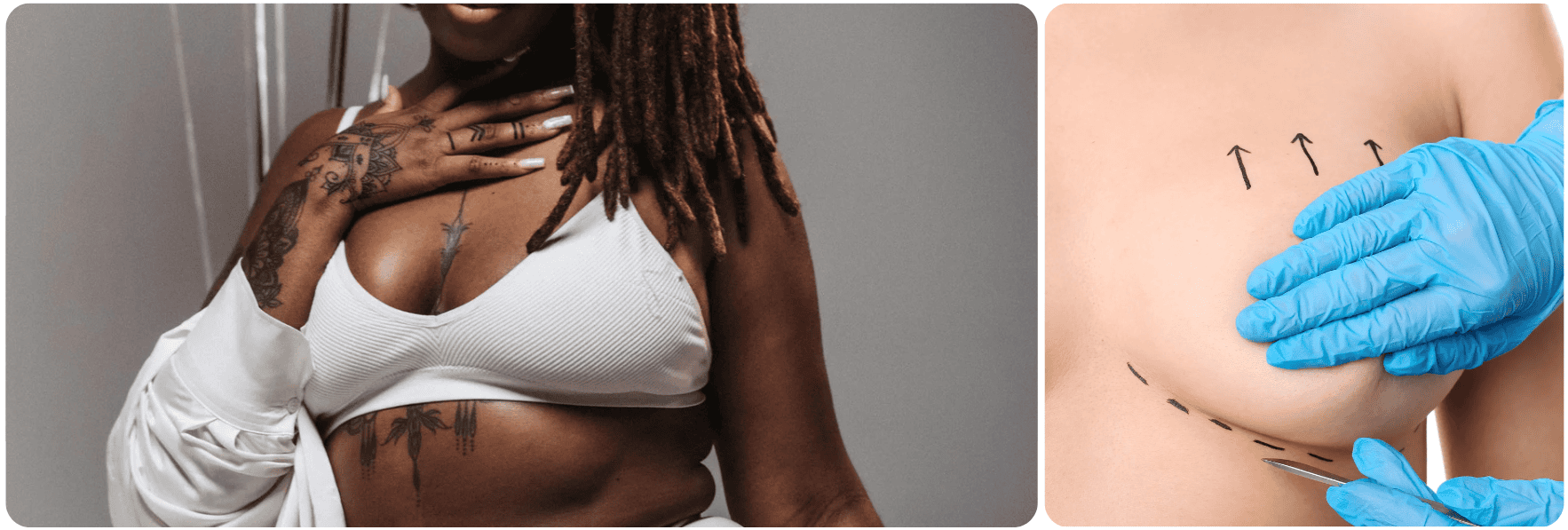
Breast symmetry correction is a surgical procedure aimed at addressing differences in size, shape, or position between the breasts. Many women experience some degree of asymmetry, which is normal, but in certain cases, the difference can be significant enough to cause aesthetic concerns or physical discomfort.
During breast symmetry correction, the plastic surgeon may use various techniques depending on the specific situation. This can involve enlarging, reducing, or lifting one or both breasts to create a more balanced and symmetrical appearance. Implants or fat grafting may also be used to achieve the desired result.
Breast symmetry correction is a surgical procedure aimed at addressing differences in size, shape, or position between the breasts.
The procedure is typically performed under general anesthesia, and recovery time can vary based on the extent of the correction. After the surgery, patients may experience swelling, bruising, and discomfort, but these symptoms usually subside over time. It is important to follow the surgeon's post-operative care instructions to ensure proper healing and minimize the risk of complications.
While the goal of breast symmetry correction is to make the breasts as symmetrical as possible, it’s important to understand that achieving perfect symmetry is rare. Therefore, it’s essential to have realistic expectations and consult with an experienced plastic surgeon before making a decision.
Breast symmetry correction is a surgical procedure designed to address noticeable differences in size, shape, or position between a woman’s breasts. Many women naturally have some degree of breast asymmetry, but in cases where the difference is more pronounced, it can affect confidence and body image.
Breast asymmetry can be caused by various factors, including genetics, hormonal changes, pregnancy, breastfeeding, weight fluctuations, or previous surgeries. This procedure is often chosen by women who want to achieve a more balanced and proportionate appearance, which can help them feel more comfortable in clothing and improve their overall self-esteem.
Breast symmetry correction is a surgical procedure designed to address noticeable differences in size, shape, or position between a woman’s breasts.
Breast symmetry correction is particularly beneficial for women who experience significant physical or emotional discomfort due to the uneven appearance of their breasts. It can also be used as part of reconstructive surgery following breast cancer treatment, or to correct issues from previous cosmetic surgeries. Women who are seeking a more harmonious look often choose this procedure to feel more confident in their bodies and to achieve a natural, symmetrical breast contour that aligns with their aesthetic goals.
Breast symmetry correction can be performed in several ways, depending on the type and extent of asymmetry. The most common techniques include breast augmentation, breast reduction, and breast lift procedures, either performed individually or in combination. If one breast is smaller, breast augmentation with an implant or fat grafting may be used to increase its size and match the larger breast.
On the other hand, if one breast is larger, breast reduction surgery can be performed to reduce its size, bringing it into balance with the smaller breast. In some cases, a breast lift (mastopexy) may be used to correct any sagging or drooping, especially if the position of the breasts is uneven.
Breast symmetry correction can be performed in several ways, depending on the type and extent of asymmetry.
The procedure begins with a consultation where the surgeon carefully examines the patient’s breasts, discusses their goals, and selects the best surgical approach to achieve the desired symmetry. The surgery itself is typically performed under general anesthesia and can last between 1 to 3 hours, depending on the complexity of the correction.
The surgeon will either insert implants, remove excess tissue, or reshape the breast to create a more symmetrical appearance. If needed, adjustments to the nipple-areola complex may also be made to ensure even positioning.
After surgery, patients typically experience some swelling, bruising, and discomfort, which can last for a few days to weeks. Recovery times vary, but most patients can return to work and light activities within 1 to 2 weeks, with full recovery taking several months. The results of breast symmetry correction are usually visible once the swelling subsides, and the patient can enjoy a more balanced and natural breast appearance. The scars from the procedure fade over time, and many women find the long-term benefits of symmetry far outweigh the temporary recovery period.
Breast symmetry correction is not a one-size-fits-all procedure. Surgeons have several advanced techniques they can use, and the choice depends on the degree and type of asymmetry. For example, a mild size difference may be corrected with a subtle implant or fat transfer, while more noticeable differences might require a combination of reduction on one side and augmentation on the other.
The positioning of the nipple-areola complex is also taken into account to ensure balance. Each technique is carefully planned to create a natural-looking result that matches the patient’s overall body proportions.
In some cases of breast symmetry correction, the nipple position is uneven, which can make the asymmetry more noticeable. Surgeons often adjust the height and orientation of the nipples to achieve a balanced look. This is usually done during the same procedure, ensuring that the breast mound and nipple placement align harmoniously.
The repositioning process requires precise surgical planning, as even small differences can affect the final aesthetic outcome. By correcting both the breast shape and the nipple location, the results look more natural and symmetrical.
When one breast is noticeably smaller, implants can play an essential role in breast symmetry correction. Modern implants come in various shapes, sizes, and materials, allowing the surgeon to select the most suitable type for the patient’s anatomy. This approach not only restores balance but also enhances overall breast volume if desired. In some cases, an implant may be combined with a lift to improve both size and positioning. The result is a symmetrical appearance that feels natural and proportionate to the body.
The most immediate benefit of breast symmetry correction is the enhanced balance and proportion of the breasts, which can significantly improve a woman’s body image and confidence. Achieving symmetry can make the breasts look more natural and aesthetically pleasing, which is especially important for women who feel self-conscious about their appearance in certain types of clothing, such as swimsuits or tight-fitting tops. By creating a more even breast contour, the procedure helps women feel more comfortable in their skin and boosts their self-esteem in both social and intimate situations.
The most immediate benefit of breast symmetry correction is the enhanced balance and proportion of the breasts, which can significantly improve a woman’s body image and confidence.
Another benefit is that breast symmetry correction can address both aesthetic and physical concerns. In cases where significant asymmetry causes discomfort, such as difficulty finding properly fitting bras or experiencing back and shoulder pain due to uneven weight distribution, this surgery can provide relief. Correcting the asymmetry helps create a more balanced silhouette, which can improve posture and overall physical comfort. Additionally, for women who have undergone breast cancer treatment, this procedure can play an important role in reconstructive surgery, helping restore a sense of normalcy and completeness to their body.
The results of breast symmetry correction are long-lasting, with most women enjoying permanent improvements in the shape and size of their breasts. The procedure is highly customizable, allowing each patient to achieve a look that suits their body and preferences. With the right surgical technique and post-operative care, women can maintain their results for many years, leading to lasting satisfaction with their appearance. Whether the goal is to correct a noticeable size difference, lift sagging breasts, or enhance volume, breast symmetry correction offers a personalized and effective solution for women seeking a more harmonious and attractive breast profile.
Breast symmetry correction is ideal for women who notice a visible difference in the size, shape, or position of their breasts and want to create a more balanced look. The best candidates are healthy, non-smoking individuals with realistic expectations about the outcome. This procedure can be especially helpful for women who’ve experienced changes in their breasts due to puberty, pregnancy, breastfeeding, weight loss, or previous surgery.
It’s also suitable for those who feel self-conscious about how their breasts look in clothing or swimwear. In some cases, women choose this surgery as part of a larger cosmetic or reconstructive plan, particularly after mastectomy or other breast procedures. During the consultation, the surgeon will evaluate your anatomy, skin quality, and aesthetic goals to determine if you're a good match for breast symmetry correction.
Recovery from breast symmetry correction will vary depending on the techniques used—whether that includes implants, reductions, lifts, or a combination. Most patients go home the same day and will be advised to rest for the first few days, avoiding heavy lifting and strenuous activity. Swelling, bruising, and tightness in the chest are normal and can last several weeks. A surgical bra or compression garment is typically recommended to support healing and reduce swelling. Discomfort is usually manageable with prescribed pain medication, and many patients return to work within 1 to 2 weeks.
Full recovery may take a few months, during which the final shape and symmetry of the breasts continue to settle. Following your surgeon’s post-op instructions will play a major role in ensuring optimal results.
While some of the changes will be visible right away, the final results of breast symmetry correction may take several months to fully show. During the healing process, the swelling will gradually subside, and the breasts will settle into their new position. It’s important to be patient and allow time for the body to adjust. Typically, the final shape and symmetry are visible after about 3 to 6 months.
The incision lines will also continue to fade over time, leaving minimal scarring. In the meantime, it’s essential to follow your surgeon’s post-operative care guidelines to achieve the best possible outcome.
For patients who prefer a more natural option, fat grafting is an effective method in breast symmetry correction. This technique involves harvesting fat from areas such as the abdomen or thighs and injecting it into the breast that requires enhancement. Fat grafting avoids the use of implants and provides the dual benefit of body contouring in the donor site. Although the amount of fat that survives the transfer varies, it can offer subtle and long-lasting improvements. This method is especially suitable for correcting minor asymmetry.
Sometimes, a single technique is not enough to achieve the desired balance. In these cases, surgeons perform combination procedures for breast symmetry correction. For instance, one breast may be reduced while the other is lifted or augmented. This approach allows for a highly tailored solution that addresses multiple issues at once, such as volume, shape, and nipple position. Combination procedures can create more comprehensive results, ensuring both breasts look as harmonious as possible.
Like any surgical procedure, breast symmetry correction carries certain risks. Potential complications can include infection, bleeding, scarring, or implant-related issues if implants are used. However, these risks are minimized by working with an experienced, qualified surgeon and following post-operative instructions closely. Most patients undergo the procedure without significant complications, and advancements in surgical techniques have further improved safety and recovery outcomes.
One concern many patients have about breast symmetry correction is the possibility of visible scars. The location and extent of scarring depend on the surgical technique used. For example, breast augmentation with implants often involves small incisions in discreet areas, while reduction or lift procedures may leave more noticeable scars. Over time, scars typically fade and become less visible. Proper wound care, avoiding sun exposure, and following your surgeon’s instructions can help minimize their appearance.
For women considering breast symmetry correction, the question of breastfeeding after surgery often arises. While certain techniques, such as augmentation or mild lifts, generally do not interfere with breastfeeding ability, more extensive reductions or adjustments near the nipple may impact milk production. Patients planning future pregnancies should discuss this with their surgeon, who can recommend techniques that preserve breastfeeding potential whenever possible.
The improvements from breast symmetry correction are designed to be long-lasting. However, natural factors such as aging, gravity, weight fluctuations, and hormonal changes can still affect breast shape over time. Many patients enjoy their results for many years, especially when maintaining a stable weight and healthy lifestyle. In some cases, minor adjustments may be desired later to maintain symmetry, but overall, the results remain durable.
Selecting the right surgeon is one of the most important decisions when considering breast symmetry correction. Patients should look for a board-certified plastic surgeon with experience in breast procedures, particularly asymmetry correction. Reviewing before-and-after photos of past patients can also provide insight into a surgeon’s skills. A thorough consultation allows patients to discuss goals, surgical options, and realistic expectations, ensuring they feel confident about their choice.
Selecting the right surgeon is one of the most important decisions when considering breast symmetry correction.
Although surgery is the most effective solution for significant asymmetry, some non-surgical options may help with minor differences. For instance, padded bras, inserts, and specialized lingerie can create the appearance of breast symmetry correction without undergoing surgery. While these solutions are temporary and only cosmetic, they may serve as an alternative for women not ready to pursue a surgical approach. However, they do not provide permanent or anatomical correction.
Patients who undergo breast symmetry correction often enjoy long-term satisfaction with their results. While complete perfection is not always possible, the improvement in balance and proportion is usually significant. This procedure allows women to wear clothing more comfortably and with greater confidence. By combining the right surgical technique with proper aftercare, the results can last for many years and contribute to a more harmonious body contour.
During your consultation, you will discuss your wishes, medical history, and expectations with the doctor. The doctor will examine you, take measurements if necessary, and explain which treatment suits you best, including risks and recovery. You will have the opportunity to ask questions and then receive a clear treatment proposal.
Make sure you have all relevant medical information ready, such as previous treatments, allergies, or medical conditions. This allows the doctor to give you better advice.
Payment is made securely via SurgeryBooking. You pay the amount in advance to SurgeryBooking. We hold the funds and transfer them to the clinic after your treatment. Cancellation or change conditions vary per clinic and are clearly communicated in advance.
During the consultation (online or at the clinic), the doctor will assess this based on your health, expectations, and physical characteristics. You will discuss what you want, what is possible, and what the limitations are. Sometimes there are alternatives if the chosen treatment is not ideal.
Through SurgeryBooking.com, you can quickly and easily book a consultation or procedure with doctors and clinics worldwide. SurgeryBooking.com provides an overview of doctors and clinics, allowing you to make an informed and transparent choice when booking a consultation or procedure.
You can easily book through the profile of the desired clinic or doctor. Select the desired treatment, enter your details, and choose an available date and time. If there are any costs involved, you will complete the payment first. Afterwards, you will receive a confirmation email with all the details.
Yes, during the booking process, you can indicate whether you prefer an online consultation or an in-person consultation at the clinic.
With SurgeryBooking.com, you gain access to a global network of doctors and clinics. Through SurgeryBooking.com, you can easily book a consultation or a cosmetic procedure directly. Clinic profiles provide information about available cosmetic procedures, reviews, photos of the clinic, and other relevant details. This enables you to compare costs and make an informed decision when booking a consultation or procedure.