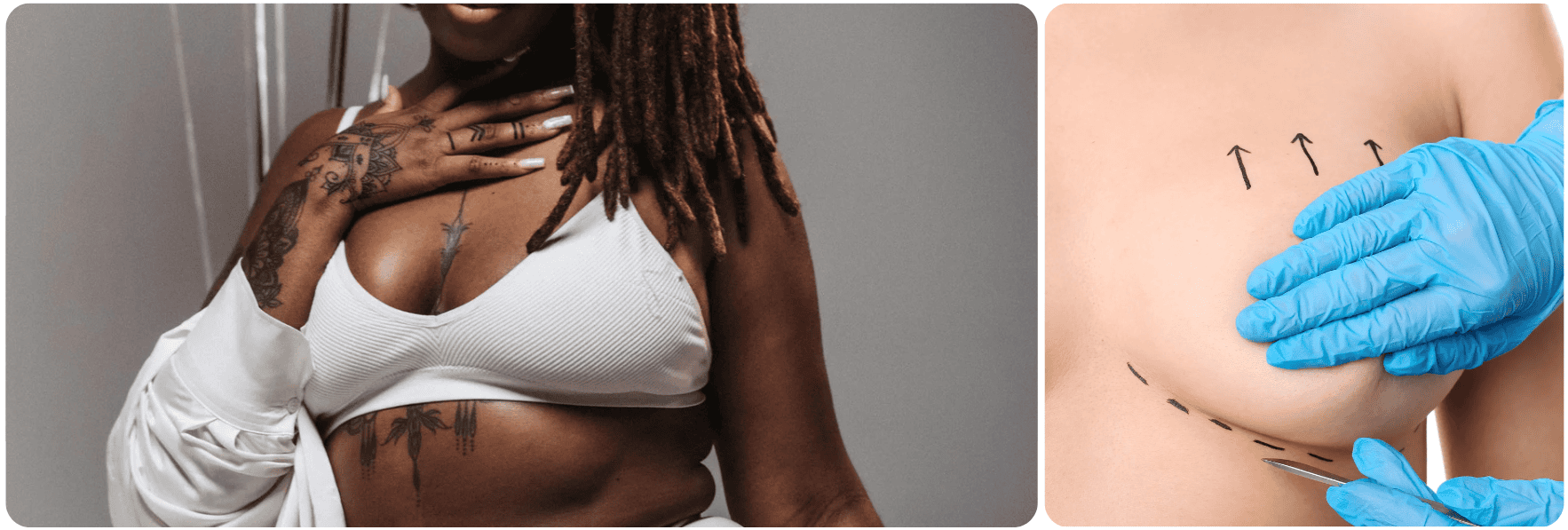
Breast reduction, also known as reduction mammoplasty, is a surgical procedure designed to decrease the size of the breasts and improve their shape. This surgery is often chosen by women who experience physical discomfort or psychological issues due to overly large breasts. Excess breast size can lead to back and neck pain, skin irritations, and difficulties with physical activities or finding suitable clothing. The primary goal of breast reduction is to create a more proportionate body silhouette and enhance overall quality of life.
During the procedure, the surgeon typically makes incisions around the areola, extending vertically down to the breast crease and sometimes along the crease itself, depending on the specific anatomy of the patient and the amount of tissue that needs to be removed. During the surgery, excess fatty, glandular, and skin tissue is removed, and the breasts are reshaped to achieve a more aesthetically pleasing and natural appearance. The nipple and areola may also be repositioned to a higher location to enhance the overall look.
Breast reduction, also known as reduction mammoplasty, is a surgical procedure designed to decrease the size of the breasts and improve their shape.
After the surgery, there is a recovery period during which swelling, pain, and bruising are common. It is important for patients to avoid heavy physical activity and to rest adequately for several weeks. Wearing a supportive bra aids in the healing process and contributes to the final results. While most patients are satisfied with the outcomes of breast reduction, the final results may only be fully assessed after a few months, once the swelling has subsided and the breasts have settled.
Although breast reduction is generally considered a safe procedure, there are risks involved, such as infections, scarring, changes in nipple sensation, and asymmetry. It is essential for women considering breast reduction to be well-informed about the benefits and potential risks of the procedure and to consult with an experienced plastic surgeon to discuss their options.
Breast reduction, also known as reduction mammoplasty, is a surgical procedure aimed at reducing the size and volume of overly large breasts. Many women opt for this surgery to alleviate physical discomfort caused by the excessive weight of their breasts. This can include chronic neck, back, and shoulder pain, as well as skin irritation or rashes under the breasts. Some women may also experience bra strap indentations on their shoulders due to the weight, which can be uncomfortable and even lead to long-term skin changes.
Breast reduction, also known as reduction mammoplasty, is a surgical procedure aimed at reducing the size and volume of overly large breasts.
Beyond physical discomfort, large breasts can limit a woman’s ability to engage in physical activities, making exercise or sports difficult and sometimes painful. Additionally, breast reduction is often sought for aesthetic reasons, as women with disproportionately large breasts may feel self-conscious or dissatisfied with their body image.
By reducing the size of their breasts, women can achieve a more balanced figure, which not only improves comfort but also boosts self-esteem and body confidence.
Breast reduction surgery is performed under general anesthesia and typically begins with an initial consultation where the patient and surgeon discuss the desired breast size and shape. The surgeon assesses the patient’s anatomy and develops a surgical plan tailored to the individual’s needs.
On the day of surgery, the surgeon makes incisions in the breast, often using a "lollipop" or anchor-shaped pattern. This involves an incision around the areola, down the breast, and sometimes along the crease under the breast. Through these incisions, the surgeon removes excess breast tissue, fat, and skin, reshaping the remaining tissue to create a smaller, more proportionate breast. The nipple and areola may also be repositioned higher on the breast to match the new, lifted appearance. In some cases, the size of the areola is reduced for better balance. Once the reduction is complete, the incisions are closed with sutures, and dressings are applied to protect the area.
Breast reduction surgery is performed under general anesthesia and typically begins with an initial consultation where the patient and surgeon discuss the desired breast size and shape.
The patient is usually advised to wear a special supportive bra to aid in recovery. The recovery process generally lasts a few weeks, during which time swelling subsides, and the breasts settle into their new shape. Patients are advised to avoid heavy lifting or strenuous activities during this period, but many report significant relief from discomfort soon after surgery.
The benefits of breast reduction surgery are both physical and psychological, offering profound relief from discomfort and enhancing overall well-being. One of the most significant advantages is the alleviation of chronic pain in the back, neck, and shoulders, which many women with large breasts experience. After surgery, the reduction in breast weight often leads to immediate improvement in posture and a significant decrease in physical discomfort.
The benefits of breast reduction surgery are both physical and psychological, offering profound relief from discomfort and enhancing overall well-being.
Additionally, breast reduction can resolve issues like skin irritation, rashes, and indentations from bra straps, all of which can contribute to a greater sense of physical freedom. Beyond these physical improvements, many women find that breast reduction greatly enhances their ability to engage in physical activities such as running, swimming, or yoga, which may have been difficult or uncomfortable prior to surgery. Psychologically, the procedure can lead to a tremendous boost in self-esteem and body confidence, as women feel more comfortable in their own skin.
Clothing often fits better, and women report feeling less self-conscious in social situations or when exercising. Breast reduction also offers aesthetic benefits, creating a more proportionate figure that aligns with the patient’s body type and personal preferences. Ultimately, the surgery not only improves physical comfort but also enhances overall quality of life, helping women feel more at ease both physically and emotionally.
Selecting an experienced surgeon is crucial for breast reduction success. Look for:
💚 Board certification in plastic surgery
💚 Extensive experience with breast reduction procedures
💚 Positive reviews and before-and-after photos
💚 Clear communication and a thorough consultation process
A qualified surgeon ensures safety, achieves natural-looking results, and minimizes complications.
Breast reduction surgery can be tailored to various breast sizes, from moderate to very large. Patients with mild enlargement may require minimal tissue removal, while those with extremely large breasts may need more extensive procedures. The surgical approach is customized to balance the desired reduction with optimal shape, symmetry, and nipple placement.
Recent advances in breast reduction include minimally invasive methods, improved incision techniques, and enhanced post-operative care protocols. These innovations aim to reduce scarring, minimize pain, and speed up recovery while achieving natural-looking results. Patients should discuss the latest surgical options with their surgeon to make informed choices.
The timing of breast reduction can influence results and recovery. Ideal candidates are in good overall health, at a stable weight, and have completed major life events like pregnancy if possible. Planning surgery during a period with fewer personal or professional commitments allows for adequate rest and recovery, ensuring the best possible outcome.
After undergoing breast reduction surgery, the recovery process typically involves several weeks of rest and care. Immediately after the surgery, patients can expect to experience swelling, bruising, and some discomfort in the breast area, which is completely normal. Pain management is usually handled with prescribed medications, and wearing a supportive bra is essential to assist with healing and to help maintain the new breast shape.
After undergoing breast reduction surgery, the recovery process typically involves several weeks of rest and care.
For the first few weeks, patients are advised to avoid lifting heavy objects, performing strenuous activities, or engaging in any form of exercise. Rest is crucial during this time to allow the body to heal properly. Most patients are able to return to light activities within a few weeks, but more intense activities like sports should be avoided for at least six weeks. As the swelling subsides and the breast shape settles, patients typically begin to see the final results of their surgery. Follow-up appointments with the surgeon are necessary to monitor progress and ensure proper healing.
Although breast reduction surgery is considered a safe and effective procedure, there are potential risks and complications that should be considered. These can include infection, bleeding, scarring, and changes in nipple sensation, which may be temporary or, in some cases, permanent. Another possible complication is asymmetry, where the breasts may not be perfectly balanced after surgery, requiring revision surgery.
Although breast reduction surgery is considered a safe and effective procedure, there are potential risks and complications that should be considered.
In some instances, the remaining breast tissue may lose its blood supply, leading to tissue necrosis, though this is rare. It's also important to note that while breast reduction improves physical comfort, the procedure does not guarantee that the breasts will remain a certain size permanently. Weight changes, pregnancy, or aging can still affect the appearance of the breasts over time. To minimize the risks, it's important to choose a skilled, board-certified surgeon and follow all pre-and post-surgery guidelines. Discussing potential complications during the consultation helps set realistic expectations for the procedure.
The cost of breast reduction surgery can vary significantly depending on factors such as the surgeon’s experience, the geographic location of the clinic, and the complexity of the procedure. On average, the cost for breast reduction surgery ranges between $5,000 and $10,000.
This typically includes the surgeon's fee, anesthesia, and hospital or surgical center fees, but additional costs may arise for post-operative garments, medications, or follow-up visits. In cases where the surgery is medically necessary due to physical discomfort or health issues, such as back or neck pain, some insurance companies may cover a portion of the cost. It is essential for patients to check with their insurance provider beforehand to determine coverage eligibility. Many clinics offer payment plans or financing options to help manage the cost of surgery. It's also advisable to discuss the total cost during the consultation and ensure there are no hidden fees, allowing for a clear financial plan before proceeding with surgery.
In some cases, breast reduction is performed using liposuction alone or in combination with tissue removal. This approach is suitable for patients with fatty breasts and minimal sagging. Liposuction can reduce volume with smaller incisions, resulting in less scarring and quicker recovery. Surgeons evaluate each patient to determine the most appropriate method for natural, proportional results.
Temporary changes in nipple or breast sensation are common after breast reduction. Some patients experience numbness or tingling, which usually improves over several weeks or months. Permanent changes are rare but possible, particularly in extensive reductions. Patients should discuss potential sensation changes with their surgeon to set realistic expectations.
Regular follow-up visits after breast reduction are essential to monitor healing, assess breast shape, and detect any complications early. The surgeon may remove sutures, examine incision sites, and provide guidance on gradual return to physical activity. Attending follow-ups ensures the best long-term outcome and helps address any concerns promptly.
Women planning to have children may wonder about breast reduction and future breastfeeding. While some techniques preserve the milk ducts and nerves, extensive reductions may impact breastfeeding ability. Discussing future family planning with your surgeon helps choose an approach that balances aesthetic goals with potential breastfeeding considerations.
After breast reduction, some patients notice changes in skin texture or pigmentation around the incision area. These changes are usually temporary and improve as healing progresses. Proper wound care, sun protection, and moisturizing can help minimize long-term skin issues and support optimal healing.
Breast asymmetry is common, and reduction surgery can address uneven breast sizes. Surgeons carefully measure and plan tissue removal to achieve symmetry, improving both appearance and comfort. In some cases, minor adjustments may be needed in follow-up procedures for optimal balance.
Optimizing recovery after breast reduction involves simple strategies:
💚 Wearing a supportive surgical bra continuously for the recommended period
💚 Sleeping on your back to avoid pressure on the breasts
💚 Following a healthy diet rich in protein and vitamins to support tissue repair
💚 Staying hydrated to promote overall healing
💚 Avoiding smoking or alcohol, which can slow the recovery process
Scarring is an inevitable part of breast reduction, but treatments can improve appearance over time. Options include silicone sheets, scar gels, gentle massage, and in some cases, laser therapy. Following your surgeon’s guidance on scar management helps achieve the most discreet results possible.
Patients considering breast reduction should plan for time off work, typically 1 to 3 weeks depending on the type of work and recovery progress. Light activities may resume earlier, while heavy lifting or exercise should be postponed for 6 weeks or more. Clear planning ensures a smooth return to normal routines without compromising healing.
Some health insurance plans cover breast reduction if it is deemed medically necessary due to chronic pain, skin problems, or posture issues. Coverage criteria vary, and documentation from a healthcare provider may be required. Patients should contact their insurance company in advance to understand eligibility and avoid unexpected costs.
To maintain the benefits of breast reduction, patients should:
💚 Keep a stable weight to prevent volume changes
💚 Wear supportive bras, especially during physical activity
💚 Schedule periodic check-ups with the surgeon
💚 Maintain overall healthy lifestyle habits, including regular exercise and balanced nutrition
Following these steps helps preserve the new breast shape and enhances long-term satisfaction.
During your consultation, you will discuss your wishes, medical history, and expectations with the doctor. The doctor will examine you, take measurements if necessary, and explain which treatment suits you best, including risks and recovery. You will have the opportunity to ask questions and then receive a clear treatment proposal.
Make sure you have all relevant medical information ready, such as previous treatments, allergies, or medical conditions. This allows the doctor to give you better advice.
Payment is made securely via SurgeryBooking. You pay the amount in advance to SurgeryBooking. We hold the funds and transfer them to the clinic after your treatment. Cancellation or change conditions vary per clinic and are clearly communicated in advance.
During the consultation (online or at the clinic), the doctor will assess this based on your health, expectations, and physical characteristics. You will discuss what you want, what is possible, and what the limitations are. Sometimes there are alternatives if the chosen treatment is not ideal.
Through SurgeryBooking.com, you can quickly and easily book a consultation or procedure with doctors and clinics worldwide. SurgeryBooking.com provides an overview of doctors and clinics, allowing you to make an informed and transparent choice when booking a consultation or procedure.
You can easily book through the profile of the desired clinic or doctor. Select the desired treatment, enter your details, and choose an available date and time. If there are any costs involved, you will complete the payment first. Afterwards, you will receive a confirmation email with all the details.
Yes, during the booking process, you can indicate whether you prefer an online consultation or an in-person consultation at the clinic.
With SurgeryBooking.com, you gain access to a global network of doctors and clinics. Through SurgeryBooking.com, you can easily book a consultation or a cosmetic procedure directly. Clinic profiles provide information about available cosmetic procedures, reviews, photos of the clinic, and other relevant details. This enables you to compare costs and make an informed decision when booking a consultation or procedure.