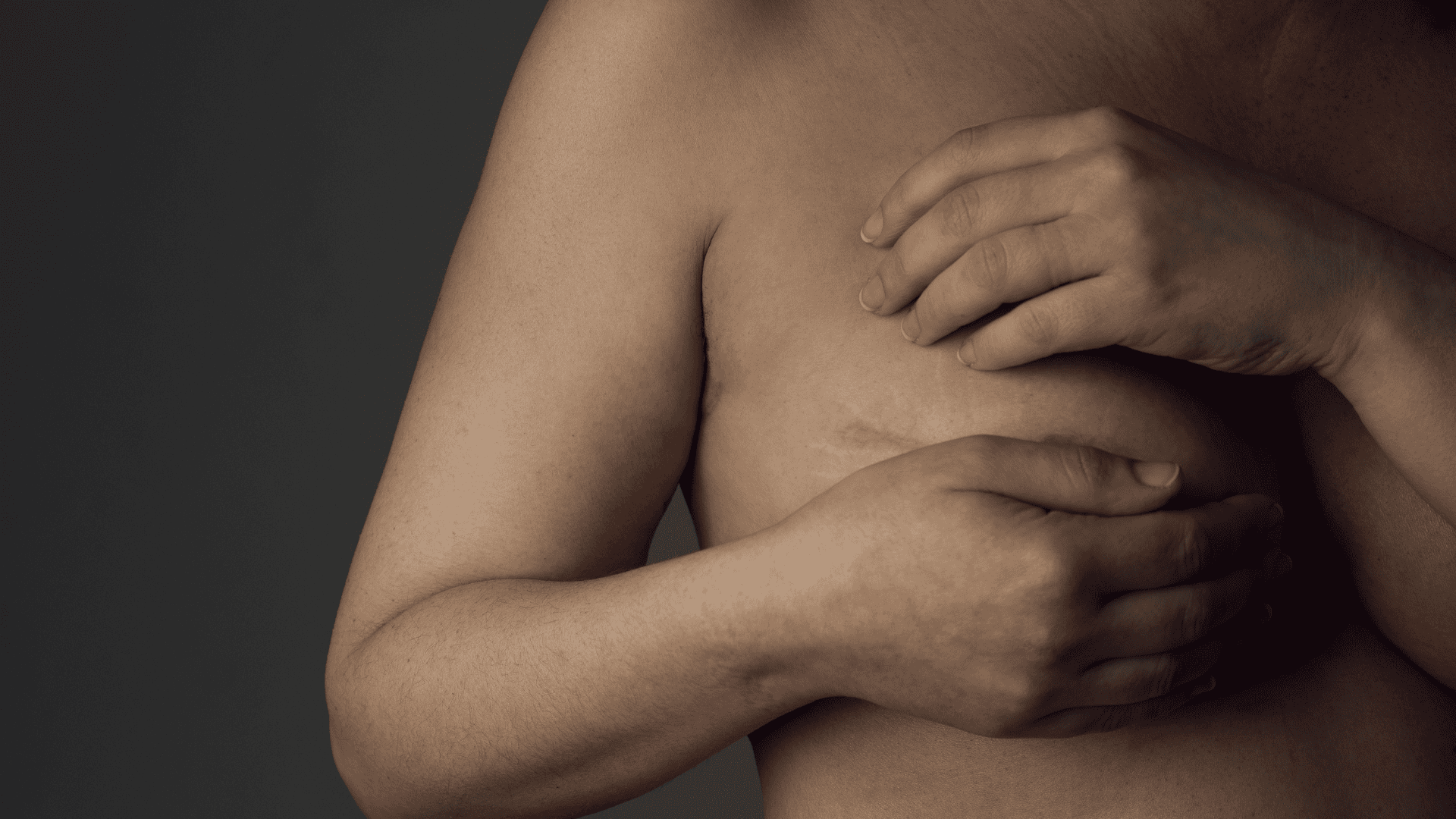
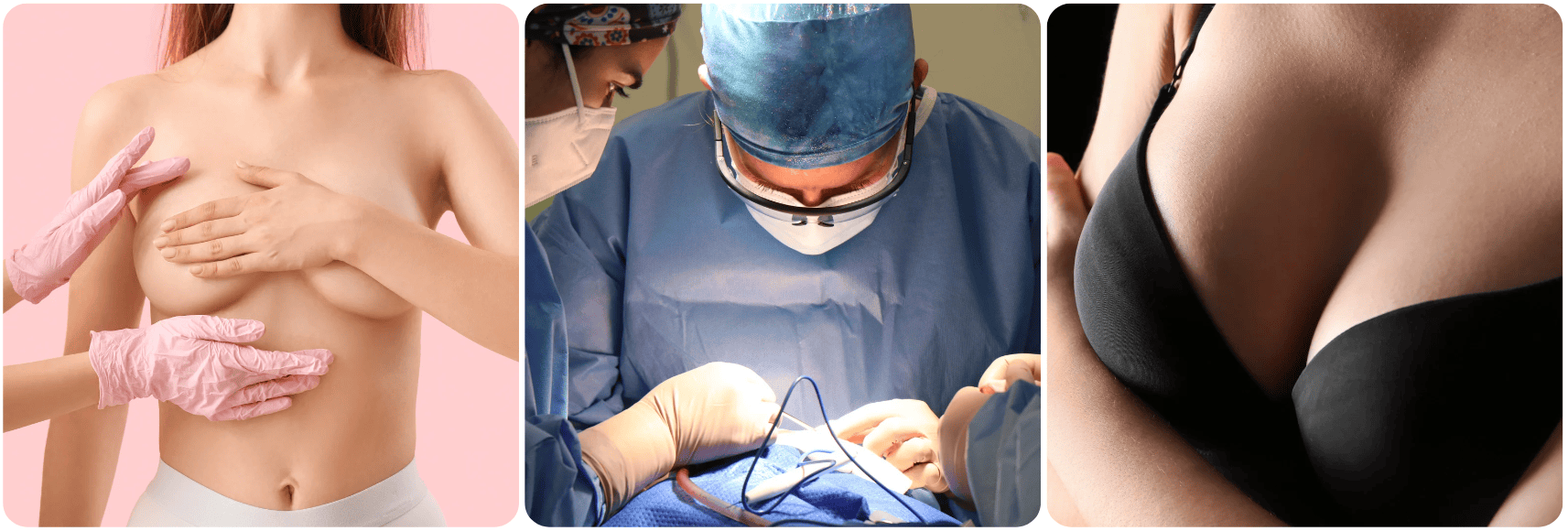
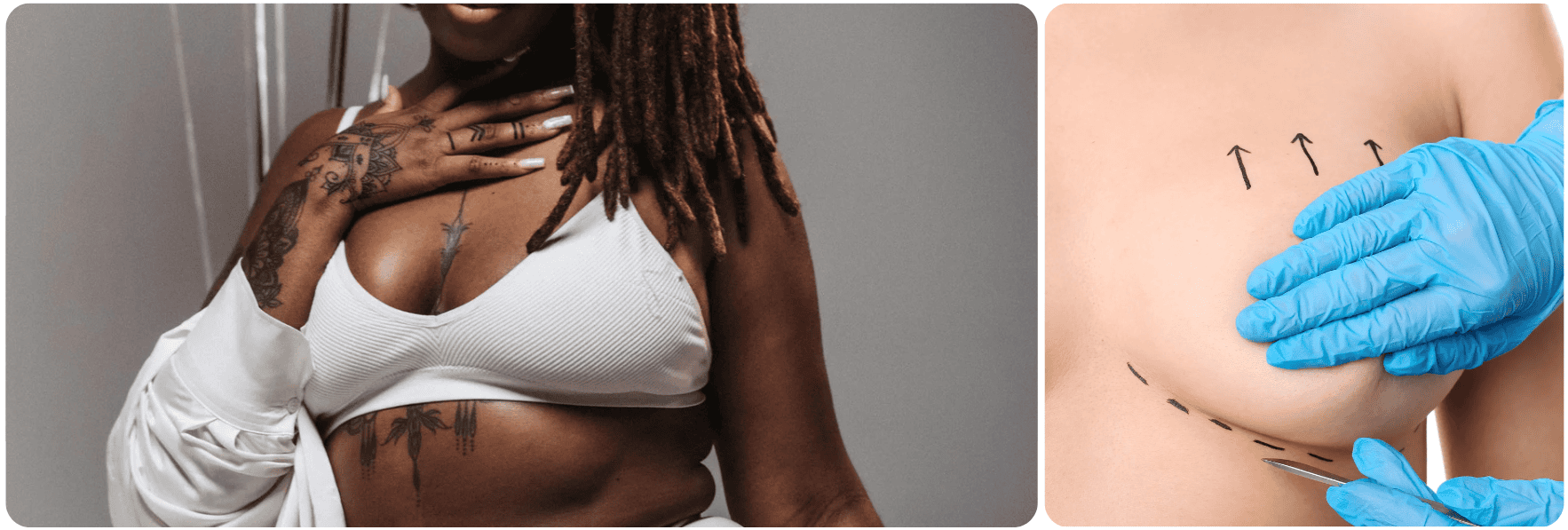
Breast reconstruction is a surgical procedure aimed at restoring the shape and appearance of a breast, typically following a mastectomy (breast removal) or breast-conserving surgery due to breast cancer. The goal of the procedure is to recreate a breast that closely resembles the original in shape, size, and appearance, helping to achieve body symmetry.
There are various methods for breast reconstruction. A common approach involves the use of breast implants, where a silicone or saline implant is placed under the skin or chest muscles. Another option is autologous reconstruction, where tissue from other parts of the body, such as the abdomen, back, or thighs, is used to reconstruct the breast.
Breast reconstruction is a surgical procedure aimed at restoring the shape and appearance of a breast, typically following a mastectomy (breast removal) or breast-conserving surgery due to breast cancer.
Some women opt for immediate reconstruction, where the breast is reconstructed during the same surgery as the mastectomy. Others choose delayed reconstruction, performed at a later stage, often after additional treatments such as radiation or chemotherapy are completed.
After breast reconstruction, there may be swelling, pain, and a recovery period during which it's important to follow the surgeon’s post-operative care instructions for optimal healing. The final outcome may vary depending on the method used and the patient’s individual circumstances.
While breast reconstruction can restore the physical form of the breast, the sensation in the breast is often different from before. However, the procedure can significantly improve self-image and help women regain a sense of normalcy following breast cancer surgery.
Like any surgery, breast reconstruction carries risks, such as infection, scarring, and complications with implants or tissue grafts. It is essential for patients to be well-informed and work closely with their surgeon to choose the best option for their needs.
Breast reconstruction is a deeply personal decision often made by individuals who have undergone mastectomy or lumpectomy due to breast cancer or other medical conditions. It aims to restore the natural appearance and symmetry of the breasts, helping individuals regain a sense of normalcy and confidence in their body image.
The emotional impact of losing one or both breasts can be profound, affecting self-esteem, intimacy, and overall quality of life. Breast reconstruction offers a pathway to emotional and physical healing, providing a sense of closure to a challenging medical journey. Beyond aesthetics, the procedure can also help clothing fit more comfortably and reduce the physical imbalance that may occur after a mastectomy. For many, breast reconstruction is not just about appearance but reclaiming a part of themselves that was lost.
Every breast reconstruction journey is unique, and several elements influence the final result. Physical anatomy plays a role, but so do lifestyle habits and previous treatments. Understanding these variables can help patients set realistic expectations.
👉 Skin elasticity and remaining breast tissue
👉 History of radiation or chemotherapy
👉 Overall circulation and healing capacity
👉 Body weight stability
👉 Commitment to post-operative care
By addressing these factors early, surgeons can tailor techniques more precisely. Patients who actively participate in their recovery process often experience smoother healing and more predictable outcomes.
Breast reconstruction is a complex surgical process that involves recreating the shape and appearance of a breast. The procedure can be done using either implants or autologous tissue from the patient’s own body. Implant-based reconstruction uses saline or silicone implants to rebuild the breast mound. Alternatively, autologous reconstruction involves transferring tissue, fat, and skin from areas such as the abdomen, back, or thighs to create a new breast.
Breast reconstruction is a complex surgical process that involves recreating the shape and appearance of a breast.
The timing of the reconstruction varies; it can be performed immediately during the mastectomy or delayed until after cancer treatments like chemotherapy or radiation are completed. Surgeons carefully tailor the procedure to the individual’s anatomy and preferences, often requiring multiple stages to refine the results. The ultimate goal is to achieve a natural appearance and symmetry, which may also involve reconstructing the nipple and areola or performing adjustments on the opposite breast for balance.
Patients preparing for breast reconstruction benefit from asking clear, practical questions during their consultation:
💚 Which reconstruction method suits my body type and health condition?
💚 What are the risks and possible complications?
💚 How long will recovery take for my chosen procedure?
💚 What follow-up care will be required after surgery?
💚 Will I need additional procedures for symmetry or refinement?
Having these questions answered builds confidence and helps patients feel more in control of their surgical journey.
Breast reconstruction offers numerous physical, emotional, and psychological benefits to individuals who choose to undergo the procedure. One of the most significant advantages is the restoration of a natural breast shape, which can greatly enhance self-confidence and body image.
For many, the surgery helps to reduce the emotional scars associated with breast cancer or other medical conditions, fostering a sense of empowerment and resilience. Beyond the aesthetic improvements, reconstruction can alleviate physical discomfort caused by an imbalance in weight distribution after a mastectomy, which might lead to posture issues or back pain.
The procedure also provides closure for many individuals, allowing them to move forward in their recovery journey with renewed strength. By tailoring the results to the unique needs and goals of each patient, breast reconstruction helps individuals feel whole again, offering both practical and deeply personal rewards.
Creating a tailored breast reconstruction plan involves balancing medical guidance with personal goals. Surgeons evaluate anatomy, treatment history, and lifestyle before recommending specific techniques. Patients are encouraged to share their priorities openly during consultations.
👉 Desired breast size and shape
👉 Willingness for multiple procedures
👉 Recovery time availability
👉 Long-term maintenance preferences
When both patient and surgeon collaborate closely, reconstruction becomes a structured journey rather than a single event—one focused on comfort, confidence, and lasting results.
Some patients undergoing breast reconstruction also consider additional cosmetic procedures. These may include tummy tucks, liposuction, or body contouring treatments performed alongside reconstruction. When carefully planned, combining surgeries can reduce overall recovery time and help achieve aesthetic goals more efficiently. Surgeons evaluate each case individually to ensure that combining procedures is safe and suitable for the patient’s health.
Scarring is a natural part of the breast reconstruction process. The location and visibility of scars depend on the surgical technique used. While scars typically fade over time, surgeons often place incisions in less noticeable areas. Scar care treatments such as silicone sheets, topical creams, and laser therapy can accelerate healing and improve cosmetic results. Being informed about scarring helps patients manage expectations and take proactive steps in their recovery.
Not every individual who has undergone a mastectomy or lumpectomy will be a suitable candidate for breast reconstruction. Good candidates are typically those in stable health who have realistic expectations and are emotionally prepared for the process. Factors such as smoking, diabetes, or previous radiation therapy can affect the healing process and influence the type of reconstruction that’s recommended.
Not every individual who has undergone a mastectomy or lumpectomy will be a suitable candidate for breast reconstruction.
Patients who wish to restore their breast shape for emotional or aesthetic reasons and who are committed to following post-surgery instructions tend to achieve the best outcomes. A thorough consultation with a reconstructive surgeon will help determine the most appropriate method based on medical history, body type, and personal goals.
The timing of breast reconstruction plays a key role in the surgical approach and emotional readiness of the patient. Immediate reconstruction occurs during the same surgery as the mastectomy, allowing patients to wake up with the initial shape of a new breast already formed. This can reduce the total number of surgeries and may provide psychological benefits.
The timing of breast reconstruction plays a key role in the surgical approach and emotional readiness of the patient.
Delayed reconstruction, on the other hand, is performed weeks, months, or even years after the mastectomy—often following treatments like radiation or chemotherapy. This approach gives patients more time to consider their options but may require more complex planning. The decision between immediate and delayed reconstruction depends on medical factors, personal preference, and cancer treatment timelines.
Recovery from breast reconstruction varies depending on the technique used and the individual’s overall health. Implant-based reconstruction generally has a shorter recovery time, with many patients resuming normal activities within 4 to 6 weeks. Autologous reconstruction, which involves tissue transfer from another part of the body, usually requires a longer healing period due to the additional surgical site.
Common recovery steps include managing swelling and discomfort, wearing supportive garments, and limiting upper-body movement initially. Follow-up visits are important to monitor healing and address any complications early. Patience is key, as final results may take several months to fully develop as swelling subsides and tissues settle.
While breast reconstruction can restore the physical form and appearance of a breast, restoring full sensation remains a challenge. Most reconstructed breasts initially have little to no feeling because nerves are cut during mastectomy. However, nerve grafting techniques and advanced microsurgery are making it increasingly possible to reconnect or regenerate some sensory nerves. Over time, some patients experience a partial return of sensation, especially with autologous reconstruction.
While breast reconstruction can restore the physical form and appearance of a breast, restoring full sensation remains a challenge.
While results vary, ongoing developments in nerve repair continue to improve the potential for regaining some level of touch or sensation. Discussing nerve-related outcomes with a surgeon beforehand helps set realistic expectations and explore options that prioritize sensory recovery.
When it comes to breast reconstruction, there is no single approach that suits everyone. Surgeons adapt the procedure to each patient’s anatomy, health condition, and personal goals. Beyond implants and autologous tissue, hybrid reconstruction techniques are becoming more popular. These involve combining implants with the patient’s own fat tissue to achieve a softer, more natural feel.
The variety of surgical methods means that patients have more flexibility in tailoring results that align with their expectations. Consulting a specialized surgeon helps identify which option provides the most balanced combination of safety, aesthetics, and durability.
Medical technology is continuously evolving, and breast reconstruction has benefited greatly from these advancements. Today’s surgical tools and techniques allow for greater precision, improved cosmetic results, and reduced recovery times. Microsurgical innovations make it possible to transfer tissue with enhanced accuracy, preserving blood flow and improving the chances of successful healing.
In addition, modern implants are designed to feel more natural and last longer, offering patients reassurance about long-term outcomes. These improvements highlight the importance of choosing a clinic that stays up-to-date with the latest surgical practices.
Sometimes, breast reconstruction is combined with adjustments on the opposite breast to achieve balance. This might include a breast lift, reduction, or augmentation to ensure both sides look symmetrical. Such procedures are often performed in the same surgical session, giving patients a more proportionate outcome.
Sometimes, breast reconstruction is combined with adjustments on the opposite breast to achieve balance.
Symmetry is not only important visually but also contributes to physical comfort and confidence in clothing. By carefully planning these additional procedures, surgeons can enhance overall results and create a more harmonious appearance.
The choice of surgeon is one of the most critical factors in the success of breast reconstruction. Patients should look for specialists with extensive experience in reconstructive breast surgery and microsurgical techniques. It is equally important that the surgeon listens carefully to patient preferences and provides clear explanations of available options. Trust and communication form the foundation of a successful surgical journey. A skilled surgeon can tailor the procedure to deliver results that are both safe and aesthetically satisfying.
Fat grafting has become a valuable technique in modern breast reconstruction. It involves taking fat from another part of the body—such as the abdomen, thighs, or flanks—and injecting it into the breast area. This method can be used alone or in combination with implants to improve contour and softness. While multiple sessions are often needed to achieve optimal volume, fat grafting offers the benefit of using the patient’s natural tissue, which minimizes the risk of rejection. Many patients appreciate the dual advantage of enhancing breast shape while contouring another body area.
Preparing for breast reconstruction involves more than just scheduling surgery. Patients are often advised to take practical steps that improve healing and outcomes:
💚 Quitting smoking, as nicotine affects blood flow and tissue recovery
💚 Maintaining a healthy diet rich in proteins and vitamins
💚 Managing chronic conditions such as diabetes or high blood pressure
💚 Discussing all current medications with the surgeon
💚 Arranging help at home for the first weeks after surgery
Proper preparation ensures that the body is in the best possible condition for healing and reduces the chances of complications.
Before undergoing breast reconstruction, imaging technologies such as MRI and 3D modeling can play an important role. These tools allow surgeons to assess tissue availability and simulate potential outcomes. With 3D imaging, patients can visualize how different reconstruction techniques may look on their bodies, making the decision process more informed. Imaging also helps in surgical planning by improving accuracy and minimizing risks during the operation. This technology-driven approach supports better results and gives patients peace of mind.
Recovery following breast reconstruction does not end when the stitches are removed. The healing process is gradual and requires consistent self-care. Scar management, physical rest, and gentle movement are all key aspects of this stage. Surgeons often recommend specific exercises to restore mobility and prevent stiffness in the chest and shoulders. Monitoring for signs of infection and attending follow-up visits also contribute to a smoother recovery. With patience and care, most patients notice significant improvements in both comfort and appearance over time.
Adjusting daily habits can make life after breast reconstruction more comfortable. Patients are usually advised to avoid heavy lifting and intense workouts in the early weeks. Light walking, on the other hand, can help maintain circulation and speed up healing. Wearing supportive bras and clothing that does not irritate the surgical site is also beneficial. Nutrition plays a big role, as foods rich in antioxidants and proteins aid tissue repair. Small lifestyle changes can have a big impact on recovery and long-term satisfaction.
For patients who do not undergo surgical nipple reconstruction, 3D nipple-areola tattooing offers an alternative to achieve a natural look. This non-surgical option can be part of the breast reconstruction journey and provides remarkable visual results. Skilled tattoo artists use shading and color techniques to create the illusion of depth and texture. This finishing touch can complete the reconstruction process, giving the breast a more realistic and symmetrical appearance.
There are several misconceptions surrounding breast reconstruction. Addressing these myths helps patients make informed choices:
💚 Myth: Reconstruction must be done immediately after mastectomy.
💚 Myth: Implants are the only option for reconstruction.
💚 Myth: Results always look artificial.
💚 Myth: Reconstruction prevents cancer detection.
In reality, patients can choose between immediate or delayed reconstruction, implants or natural tissue, and modern techniques often achieve very natural outcomes. Regular screenings remain possible with proper medical guidance.
Breast reconstruction can follow very different timelines depending on medical needs and personal preferences. Some patients move forward immediately after breast surgery, while others take months or even years before choosing reconstruction. Both approaches are valid, and neither impacts the overall goal of restoring breast shape and balance.
What matters most is having enough time to understand your options and feel comfortable with each step. Breast reconstruction planning often includes imaging, measurements, and multiple consultations to create realistic expectations. Surgeons also consider future treatments, lifestyle factors, and healing capacity when outlining a timeline. Taking this gradual, structured approach helps ensure long-term satisfaction and safer outcomes.
Tissue expanders are commonly used in implant-based breast reconstruction to gently prepare the skin and muscle for a permanent implant. These temporary devices are placed during surgery and gradually filled with saline over several weeks. This slow expansion allows the body to adapt naturally without sudden tension on the tissues.
Patients usually visit their surgeon periodically for small adjustments until the desired volume is reached. Once expansion is complete, the expander is replaced with a permanent implant during a second procedure. While this adds an extra step, it often improves symmetry and comfort, especially after mastectomy.
Reconstruction after removing one breast differs from rebuilding both. Unilateral breast reconstruction focuses heavily on matching the natural breast in shape, height, and volume. This sometimes requires subtle adjustments to the opposite side.
Bilateral reconstruction, on the other hand, allows surgeons to create both breasts at the same time, often making symmetry easier to achieve. Each approach involves different planning strategies, but both aim for balance, comfort, and natural proportions.
Radiation can significantly influence breast reconstruction decisions because it affects skin quality and blood supply. Radiated tissue is often less elastic and slower to heal, which may limit implant-based options.
For this reason, some patients are advised to delay reconstruction or consider autologous techniques using their own tissue. Advanced planning helps reduce complications and improves aesthetic results. Open communication between oncology and reconstructive teams is essential for safe coordination.
A successful breast reconstruction experience begins with clear expectations. While modern techniques achieve impressive results, reconstructed breasts do not behave exactly like natural tissue. Sensation, movement, and appearance may differ.
👉 Reconstructed breasts may feel firmer initially
👉 Swelling can take months to fully resolve
👉 Minor asymmetries are normal during healing
👉 Final shape develops gradually over time
Understanding these realities helps patients feel more confident throughout recovery. Patience plays a major role in appreciating long-term outcomes.
Special surgical bras and compression garments are an essential part of breast reconstruction recovery. These supports help control swelling, protect incisions, and encourage proper positioning of implants or tissue.
Most patients wear these garments continuously for several weeks. Although they may feel restrictive at first, they significantly contribute to comfort and healing. Choosing the right size and following usage instructions makes a noticeable difference in recovery quality.
After breast reconstruction, limited arm and shoulder movement is common during the early weeks. Gentle mobility exercises are usually introduced to prevent stiffness and maintain circulation. These movements are carefully timed to avoid stressing surgical sites.
👉 Light stretching under professional guidance
👉 Short daily walks to improve blood flow
👉 Gradual shoulder range-of-motion exercises
👉 Avoiding overhead lifting initially
Rebuilding mobility slowly supports healing while reducing discomfort. Most patients regain normal movement with consistent, cautious activity.
One important aspect of breast reconstruction is understanding how results age over time. Autologous tissue typically changes naturally with weight fluctuations and aging, similar to other parts of the body. Implants, however, may require replacement after many years.
Routine checkups help monitor structural integrity and overall breast health. Staying informed about long-term care ensures patients maintain both comfort and appearance well into the future.
Proper nutrition plays a surprisingly large role in recovery from breast reconstruction. The body needs extra resources to repair tissue and reduce inflammation. Balanced meals rich in protein, vitamins, and healthy fats support faster healing.
👉 Lean proteins for tissue repair
👉 Vitamin C for collagen production
👉 Zinc to support immune function
👉 Adequate hydration throughout the day
Small dietary improvements can noticeably enhance energy levels and surgical recovery.
Sometimes additional minor procedures are performed after the main breast reconstruction surgery. These revisions refine contour, improve symmetry, or address small irregularities. Fat grafting is often used to soften edges or enhance volume in specific areas.
These touch-up treatments are usually less invasive and require shorter recovery periods. They represent a normal part of the reconstructive process rather than a complication.
Even after the main healing phase, ongoing follow-up is crucial for patients who undergo breast reconstruction. Regular medical checkups allow surgeons to monitor results, detect complications early, and address any concerns. Implants may need to be replaced after several years, while autologous tissue usually provides permanent results. Long-term care ensures that both aesthetic and medical outcomes remain stable, giving patients continued reassurance.
During your consultation, you will discuss your wishes, medical history, and expectations with the doctor. The doctor will examine you, take measurements if necessary, and explain which treatment suits you best, including risks and recovery. You will have the opportunity to ask questions and then receive a clear treatment proposal.
Make sure you have all relevant medical information ready, such as previous treatments, allergies, or medical conditions. This allows the doctor to give you better advice.
Payment is made securely via SurgeryBooking. You pay the amount in advance to SurgeryBooking. We hold the funds and transfer them to the clinic after your treatment. Cancellation or change conditions vary per clinic and are clearly communicated in advance.
During the consultation (online or at the clinic), the doctor will assess this based on your health, expectations, and physical characteristics. You will discuss what you want, what is possible, and what the limitations are. Sometimes there are alternatives if the chosen treatment is not ideal.
Through SurgeryBooking.com, you can quickly and easily book a consultation or procedure with doctors and clinics worldwide. SurgeryBooking.com provides an overview of doctors and clinics, allowing you to make an informed and transparent choice when booking a consultation or procedure.
You can easily book through the profile of the desired clinic or doctor. Select the desired treatment, enter your details, and choose an available date and time. If there are any costs involved, you will complete the payment first. Afterwards, you will receive a confirmation email with all the details.
Yes, during the booking process, you can indicate whether you prefer an online consultation or an in-person consultation at the clinic.
With SurgeryBooking.com, you gain access to a global network of doctors and clinics. Through SurgeryBooking.com, you can easily book a consultation or a cosmetic procedure directly. Clinic profiles provide information about available cosmetic procedures, reviews, photos of the clinic, and other relevant details. This enables you to compare costs and make an informed decision when booking a consultation or procedure.