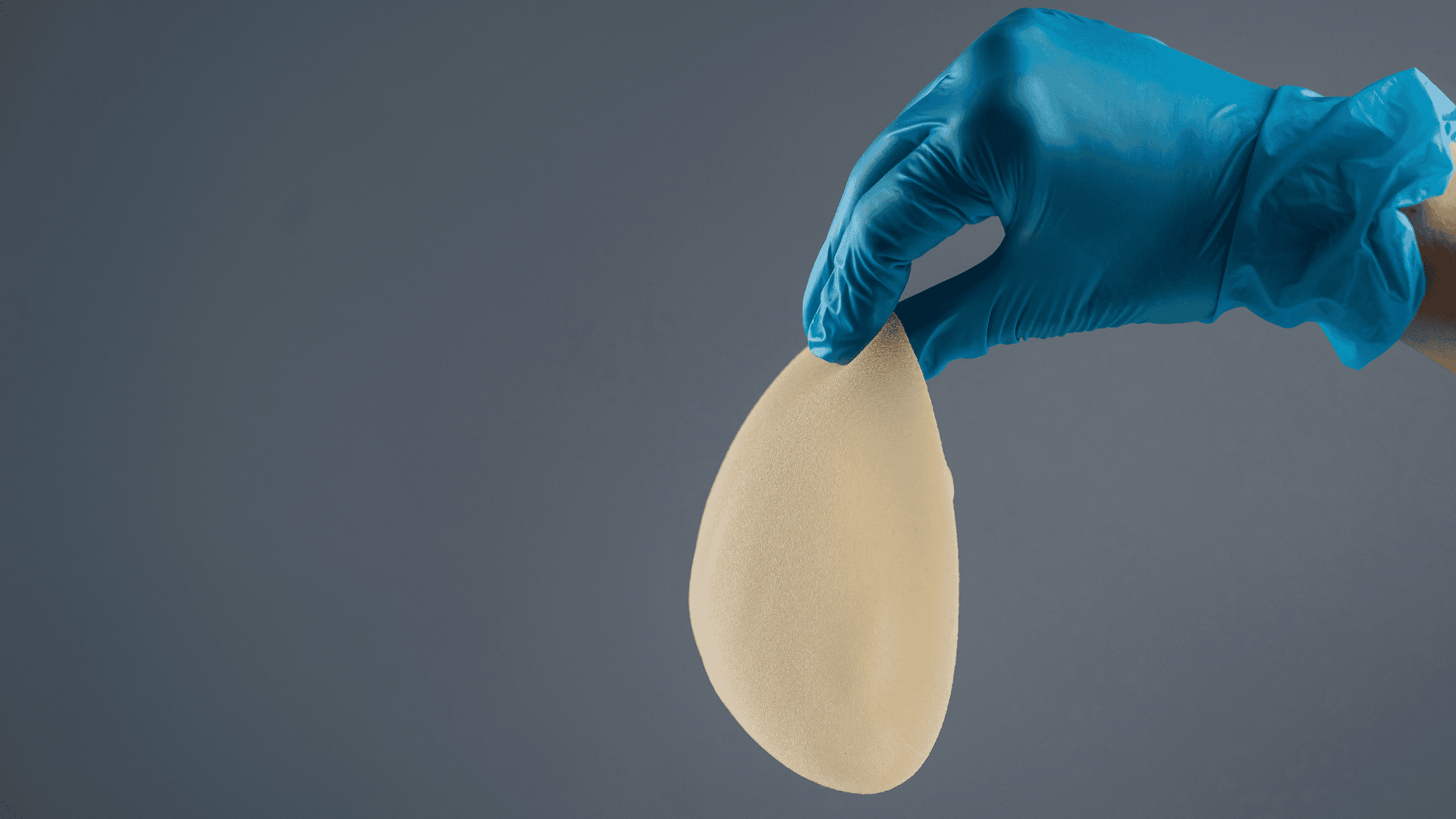
Breast implant removal is a surgical procedure in which an existing breast implant is taken out. This can be done for various reasons, including medical complications such as capsular contracture, the desire to change the type or size of the implant, or the decision to stop using implants altogether.
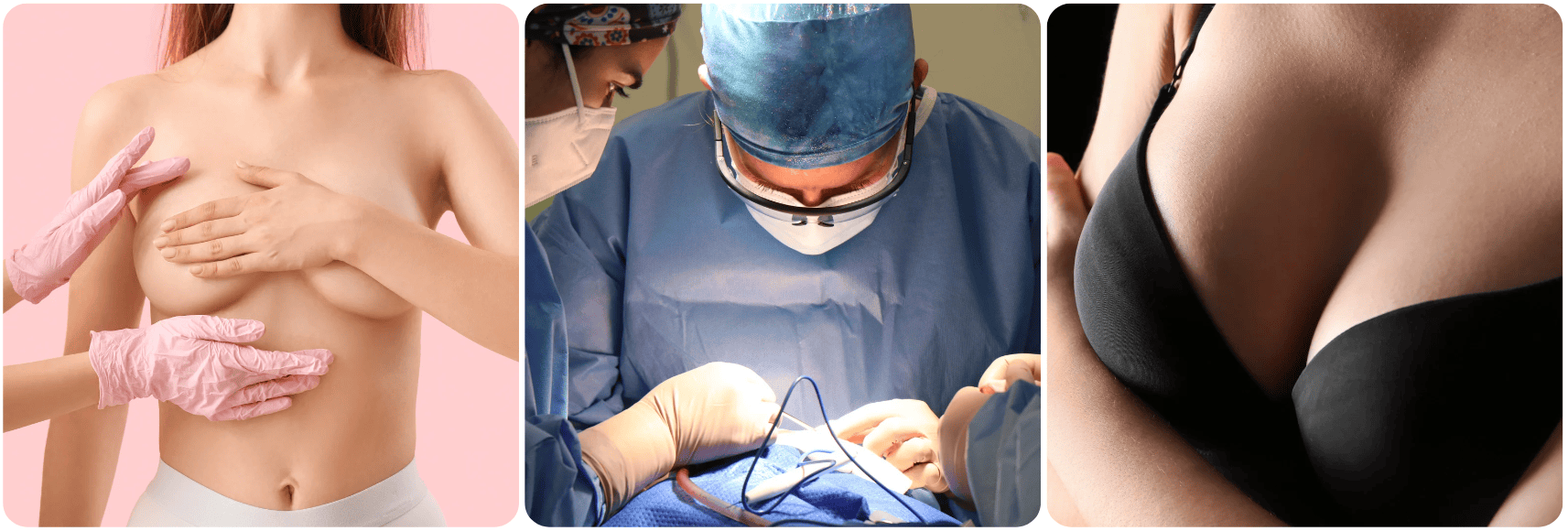
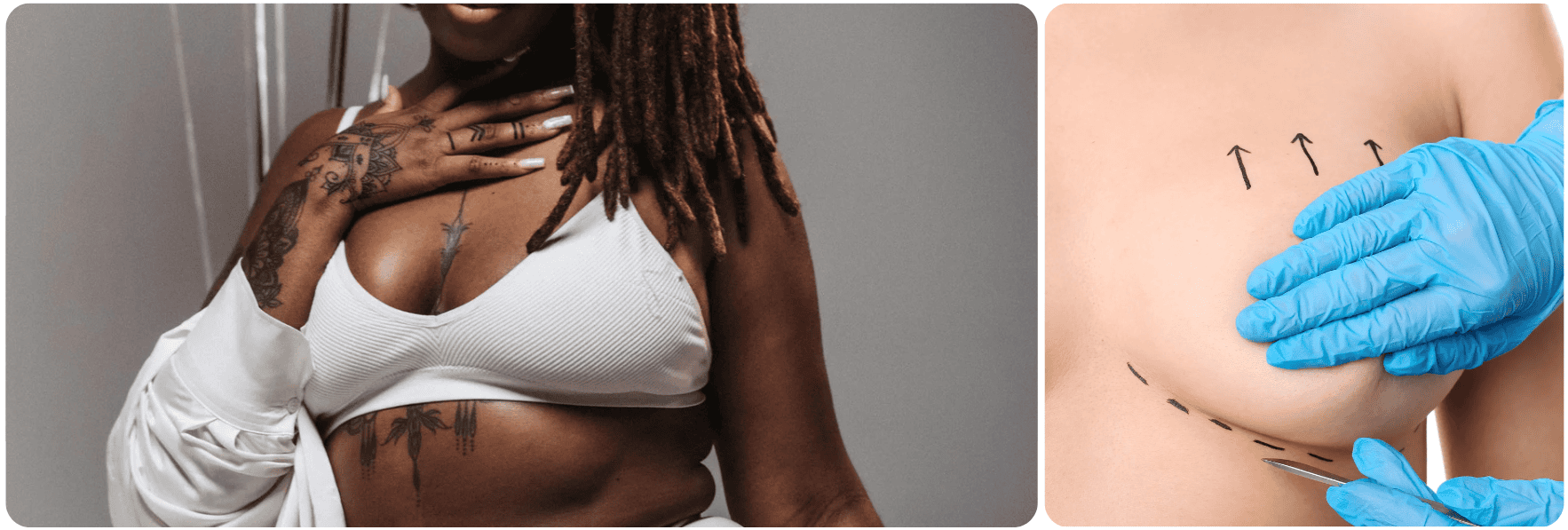
During the procedure, the surgeon typically makes an incision in the same area as the previous surgery to minimize visible scarring. Once the incision is made, the implant is carefully removed. The surgeon may also inspect the surrounding tissues for any changes or complications.
Breast implant removal is a surgical procedure in which an existing breast implant is taken out.
After breast implant removal, patients may experience some side effects, such as swelling, pain, and discomfort. It is important to follow the surgeon's post-operative instructions to ensure optimal recovery. The recovery time can vary, but most individuals can resume their normal activities within a few days, depending on their surgeon's recommendations.
While the procedure is generally considered safe, there are associated risks, such as infections, bleeding, and scarring. It is crucial for patients to be well-informed about the process and its potential implications and to consult with an experienced plastic surgeon to discuss their options and determine the best approach for their situation.
Breast implant removal is a surgical procedure where breast implants are taken out, either permanently or with plans for replacement. Women choose to undergo breast implant removal for a variety of reasons, both personal and medical. Some women decide to remove their implants because their aesthetic preferences have changed over time, opting for a more natural look or no longer wanting the additional volume implants provide.
Others may experience complications related to the implants, such as capsular contracture (where scar tissue forms tightly around the implant), implant rupture, or persistent pain and discomfort. Breast implant illness (BII) has also been reported by some women, who attribute symptoms like chronic fatigue, joint pain, or inflammation to their implants, prompting them to seek removal. Additionally, as implants age, there is a natural wear and tear, and many women opt to remove older implants rather than replacing them.
For some, this procedure is part of a transition in body goals or lifestyle changes, where maintaining implants no longer feels necessary. Whether driven by health concerns, aesthetics, or lifestyle choices, implant removal allows women to regain control over their body and comfort.
For women with pre-existing asymmetry or implants of different sizes, breast implant removal can sometimes accentuate differences between the breasts. The removal may reveal natural discrepancies that were previously masked by implants.
👉 A consultation can evaluate whether a lift or fat grafting is recommended
👉 Customized surgical planning helps balance symmetry post-removal
👉 Surgeons may use tissue shaping techniques to enhance contour
👉 Awareness of potential asymmetry helps set realistic expectations
By addressing asymmetry proactively, patients can achieve a natural and aesthetically balanced result after implant removal.
Emerging discussions around breast implant removal include its effects on lymphatic health. Implants, particularly older ones, may contribute to localized inflammation or lymphatic congestion. Removal can relieve pressure on lymph nodes and surrounding tissues, potentially reducing swelling or discomfort in the chest and underarm regions.
Maintaining lymphatic health post-surgery involves gentle movement, light massage (if advised), and avoiding prolonged pressure on the chest area. Patients who integrate these practices may notice improved comfort and recovery quality, supporting overall well-being beyond cosmetic results.
While breast implant removal is a physical procedure, the psychological dimension should not be overlooked. Women may experience a wide range of emotions, from relief to anxiety, as they anticipate changes in their body shape.
👉 Journaling thoughts and feelings before surgery
👉 Speaking with peers or support groups who underwent explantation
👉 Discussing expectations candidly with the surgeon
👉 Practicing relaxation techniques to manage stress
Acknowledging and preparing for emotional reactions helps patients approach recovery with confidence and fosters a smoother transition to their post-removal body image.
The breast implant removal procedure typically begins with a thorough consultation between the patient and surgeon, where the reasons for removal are discussed, along with potential outcomes and options for the breasts after the implants are removed. In many cases, the removal surgery is performed under general anesthesia and may take one to two hours, depending on the complexity of the procedure. The surgeon will likely use the same incisions from the original augmentation surgery to minimize additional scarring.
Once the incisions are made, the implants are carefully removed. If the patient has developed capsular contracture, the surgeon may also need to remove the hardened scar tissue surrounding the implant, a procedure known as a capsulectomy. In cases where a woman wants her breasts to return to a more natural appearance, no additional procedures may be needed. However, if significant sagging or loose skin is present after the implants are removed, a breast lift (mastopexy) may be performed to reshape and tighten the breast tissue, restoring a more youthful contour.
The breast implant removal procedure typically begins with a thorough consultation between the patient and surgeon, where the reasons for removal are discussed, along with potential outcomes and options for the breasts after the implants are removed.
For women who have experienced rupture or leakage, the surgeon will also clean out any silicone or saline from the implant site to ensure the area is healthy and clear. The recovery process typically involves some swelling, bruising, and discomfort, but most patients can return to regular activities within a few weeks, with full recovery taking a bit longer.
Proper nutrition is often overlooked but plays a crucial role in healing after breast implant removal. A diet rich in protein, vitamins, and minerals can accelerate tissue repair and reduce inflammation.
👉 Protein supports muscle and skin recovery
👉 Vitamin C aids collagen production and wound healing
👉 Zinc and iron contribute to tissue regeneration
👉 Staying hydrated improves circulation and reduces swelling
Patients who optimize their nutrition before and after surgery often report faster recovery times, less discomfort, and improved overall outcomes.
Being well-prepared before undergoing breast implant removal can make the experience less stressful and more predictable. Most surgeons advise stopping blood-thinning medications or supplements in the weeks leading up to surgery. It is also recommended to arrange support at home, since lifting heavy objects or performing strenuous activities will be limited after the operation.
Preparing a comfortable recovery area with pillows, easy-to-reach essentials, and entertainment can make the first days more manageable. Clear communication with your surgeon and following all pre-surgical instructions is essential to ensure the best results.
After breast implant removal, most women are concerned about the visibility of scars. While scarring is inevitable after surgery, its appearance can be minimized with proper care. Surgeons often use the same incision lines as previous surgeries to avoid creating new scars. Post-operative scar treatments, such as silicone sheets, topical gels, or laser therapy, can significantly reduce scar visibility over time. Consistent sun protection is also important, since UV exposure can darken scars and make them more noticeable. With patience and the right treatments, many patients achieve scars that are discreet and fade gradually.
The benefits of breast implant removal can be both physical and emotional, providing relief from discomfort and offering a sense of freedom from implants. One of the most immediate advantages is the resolution of medical issues associated with implants, such as capsular contracture, rupture, or chronic pain. For women experiencing breast implant illness, removal can alleviate symptoms like fatigue, joint pain, and brain fog, helping them feel healthier and more energetic.
Additionally, removing implants eliminates the need for future surgeries or maintenance, as implants generally need to be replaced every 10 to 20 years. By opting for removal, women can avoid the risks and costs associated with implant replacement surgeries and long-term implant care.
For many, the return to a more natural body shape is also a significant benefit, aligning their appearance with their current lifestyle or aesthetic goals. This can enhance body confidence and lead to a greater sense of comfort in one’s own skin.
From an emotional perspective, breast implant removal can provide a renewed sense of autonomy and body acceptance. Some women find that after years of living with implants, they prefer the simplicity and authenticity of their natural body shape. This can reduce the pressure to maintain a specific appearance and allow women to feel more at ease, both physically and emotionally. For those who have had negative experiences with their implants, the removal process often represents a fresh start, leading to improved overall well-being. Whether the motivation is medical or personal, breast implant removal offers a path toward restored health, comfort, and self-confidence.
Breast implant removal may be the right choice for individuals who no longer wish to have implants, are experiencing complications, or want to address health concerns. It is particularly suitable for women dealing with issues such as capsular contracture, implant rupture, or discomfort related to aging implants.
Those who suspect breast implant illness (BII) or experience systemic symptoms may also be good candidates. In addition, some women simply feel that implants no longer align with their lifestyle, body image, or aesthetic goals. As long as a patient is in good health and has clear expectations about the outcomes, implant removal can be a safe and empowering decision. A detailed consultation with a plastic surgeon is essential to determine whether removal is the best course of action.
Recovery from breast implant removal varies depending on whether additional procedures like a breast lift or capsulectomy are performed. Most patients can expect swelling, bruising, and a mild to moderate level of discomfort in the days following surgery. Pain is usually manageable with prescribed medication, and many people resume light activities within a week. Full recovery may take several weeks, especially if muscle or tissue adjustments were needed. The appearance of the breasts after implant removal can also vary—some women experience deflation or sagging, particularly if implants were large or in place for many years. In such cases, additional contouring procedures may be considered later. Follow-up care is key to monitoring healing and ensuring optimal results.
Yes, for some individuals, breast implant removal may lead to significant improvements in overall health. Women who experience symptoms commonly associated with breast implant illness—such as fatigue, joint pain, cognitive issues, or inflammation—often report a marked reduction or complete resolution of symptoms after explant surgery.
While medical research on BII is ongoing, many surgeons and patients agree that removal can play a pivotal role in restoring well-being. Beyond BII, removing aging or problematic implants can prevent further complications, reduce physical discomfort, and eliminate the need for ongoing maintenance or future surgeries. For many women, these health improvements are as valuable as the cosmetic benefits.
After breast implant removal, there are several ways to address the appearance of the breasts, depending on personal goals and the condition of the natural breast tissue. Some women opt for a breast lift to reshape and elevate the breasts if there’s sagging or excess skin. Others prefer fat grafting, a natural alternative that uses fat from another part of the body to restore volume.
After breast implant removal, there are several ways to address the appearance of the breasts, depending on personal goals and the condition of the natural breast tissue.
Some may choose not to undergo any additional procedures, embracing a flatter or more natural chest contour. During your consultation, the surgeon will assess your anatomy, skin elasticity, and preferences to recommend the best approach. Whether you want a subtle reshaping or simply wish to return to your pre-implant appearance, your options can be customized to support your comfort and confidence.
Recovering from breast implant removal can be smoother when you follow practical tips recommended by surgeons. While every patient heals differently, there are general guidelines that support faster and more comfortable recovery. Staying well-hydrated, eating nutrient-rich foods, and avoiding smoking are key factors in promoting proper healing. Light movement, such as walking, can improve circulation and reduce the risk of complications like blood clots. Patients are also encouraged to wear supportive garments, such as a surgical bra, to help reduce swelling and provide stability for the healing breast tissue.
Pre-operative imaging can be an important part of planning breast implant removal. Techniques such as ultrasound or MRI help identify implant integrity, signs of rupture, or areas of calcification within the capsule.
👉 MRI can detect silicone leaks that may not be visible externally
👉 Ultrasound is a cost-effective option for routine implant monitoring
👉 Imaging helps guide whether a capsulectomy or additional tissue removal is needed
👉 It can identify abnormalities that require further medical evaluation
Using imaging proactively ensures a safer surgery and provides patients with a clearer understanding of their breast health before undergoing removal.
Life after breast implant removal may require a few adjustments to daily routines, especially in the early recovery period. Patients should temporarily avoid intense exercise, heavy lifting, or sleeping on the stomach until cleared by their surgeon. Adjusting wardrobe choices may also be necessary, as breasts often change in size or shape after implants are removed.
Many women choose supportive bras that provide comfort without adding unnecessary pressure. Returning to normal routines is a gradual process, and listening to the body’s signals is key for long-term comfort and healing.
Breast implant removal can be performed using several surgical techniques, each tailored to the patient’s needs and anatomy. Some surgeons prefer a simple explantation, where the implant is removed without additional tissue modification. Others may combine the removal with a capsulectomy to extract the surrounding scar tissue, particularly in cases of capsular contracture or implant rupture.
Different incision approaches can also affect outcomes. Common options include inframammary (under the breast fold), periareolar (around the nipple), or transaxillary (through the armpit). Choosing the right technique depends on previous surgeries, implant type, and desired post-removal appearance. Patients should discuss these options thoroughly to understand potential scarring, healing times, and aesthetic results.
Although breast implant removal is surgical, some adjunctive non-surgical treatments can enhance results or comfort. These include skin tightening therapies, lymphatic drainage, and gentle post-operative physiotherapy.
👉 Radiofrequency treatments can improve skin elasticity
👉 Light massage supports lymphatic flow
👉 Ultrasound therapy aids tissue recovery
👉 Scar reduction gels and silicone sheets minimize visibility
Incorporating these approaches can help patients achieve a smoother contour and support overall recovery without additional invasive procedures.
Older women considering breast implant removal face unique considerations. Aging skin may have reduced elasticity, and breast tissue can respond differently compared to younger patients. Recovery may also be slower, and additional procedures like lifts or fat grafting are often recommended.
Key considerations for older patients include:
👉 Evaluating skin elasticity and natural breast volume
👉 Planning for possible ptosis correction with a lift
👉 Adjusting post-operative care to account for slower healing
👉 Monitoring for comorbidities that could affect recovery
Being aware of these factors helps ensure realistic expectations and safer outcomes in mature patients undergoing implant removal.
Beyond cosmetic considerations, breast implant removal can impact long-term chest health. Removing older or compromised implants may reduce the risk of chronic inflammation, implant rupture, or capsular calcification. Regular follow-ups after removal allow patients to monitor natural breast tissue and detect any new changes early.
Focusing on long-term health includes:
👉 Scheduling routine check-ups post-removal
👉 Monitoring breast tissue changes through self-exams
👉 Maintaining a healthy lifestyle to support skin and tissue integrity
👉 Considering periodic imaging for ongoing breast health
This proactive approach ensures that implant removal is not only cosmetic but also contributes to the patient’s long-term well-being.
Women planning future pregnancies often wonder how breast implant removal may affect breast function. While removal does not typically impair lactation, changes in breast volume or tissue may occur. Surgeons can plan removals to preserve as much glandular tissue as possible, which may benefit breastfeeding.
Important considerations include:
👉 Timing surgery relative to pregnancy or breastfeeding
👉 Discussing potential changes in nipple sensation
👉 Understanding possible adjustments needed in supportive garments
👉 Considering minimally invasive techniques to preserve tissue
By planning with these factors in mind, patients can maintain breast function and appearance while achieving the benefits of implant removal.
For some patients, breast implant removal is just one part of a larger surgical plan. It is possible to combine implant removal with procedures such as:
A breast lift, to address sagging skin and improve contour
Fat grafting, to restore natural volume using the patient’s own fat
Liposuction, often used to reshape surrounding areas for a balanced look
Skin tightening treatments, which may be surgical or non-surgical
Combining treatments can save recovery time and provide comprehensive results, but the decision should be made in consultation with a qualified surgeon.
The long-term outcomes of breast implant removal vary depending on individual factors like skin elasticity, implant size, and whether additional procedures were performed. Some women find their breasts return close to their natural pre-implant shape, while others may notice looser skin or less upper pole fullness. When paired with treatments like a lift or fat transfer, results can look more youthful and natural. What remains consistent is the benefit of being free from implant-related maintenance or complications, allowing for peace of mind and lasting comfort.
Returning to physical activity after breast implant removal is an important part of recovery. In the first weeks, patients are advised to limit themselves to light activities like walking. Strenuous exercise, particularly those involving chest muscles, should be avoided until healing is advanced. Once cleared by the surgeon, most women can gradually resume strength training, yoga, or cardio. Listening to the body’s signals and progressing slowly minimizes the risk of complications and supports long-term results.
Anesthesia plays a central role in breast implant removal surgery, ensuring comfort and safety throughout the procedure. Most surgeries are performed under general anesthesia, allowing the patient to sleep during the operation. In some cases, local anesthesia with sedation may be an option, particularly for less complex removals. The choice depends on patient health, the extent of the surgery, and the surgeon’s recommendations. Discussing anesthesia options beforehand helps patients feel confident and prepared for the day of surgery.
Selecting a qualified and experienced surgeon is one of the most important steps when considering breast implant removal. Patients should look for professionals who are board-certified in plastic surgery and have a proven track record with explant procedures. Key things to consider include:
Years of experience with implant removal surgeries
Availability of before-and-after photos
Clear communication about risks and outcomes
Recommendations from trusted sources or medical associations
Comfort level during consultations
Taking the time to choose the right specialist ensures both safety and satisfying results.
Following breast implant removal, women may notice changes in their natural breast tissue. These changes often depend on how long the implants were in place and how large they were. In some cases, the breasts may appear smaller or less firm, especially if implants stretched the skin. However, breast tissue often adapts over time, with the skin gradually tightening and adjusting. For women who desire more fullness, options such as fat transfer or a lift can enhance the final outcome.
Every patient’s recovery timeline after breast implant removal can look different, but most follow a general pattern. In the first week, swelling and discomfort are most noticeable. By the second week, many patients resume light daily activities, though heavy lifting is still restricted. Within four to six weeks, the majority return to normal routines, including exercise. Full internal healing may take several months, during which the breasts continue to settle into their final shape. Regular follow-up appointments help ensure progress is on track.
Global interest in breast implant removal has grown over recent years, reflecting changing preferences for natural body contours and increased awareness of implant-related complications. Data suggest rising numbers of women opting for explantation, often influenced by social media, health research, or aesthetic trends.
Common global observations include:
👉 Increased patient education about long-term implant risks
👉 Growing popularity of “going natural” movements
👉 Advances in surgical techniques improving recovery and outcomes
👉 Higher demand for combination procedures like lifts or fat grafting
Understanding these trends highlights that implant removal is not just a medical choice, but also part of broader lifestyle and cultural shifts in body image preferences.
Skin elasticity plays an important role in the results of breast implant removal. Younger patients or those with naturally firm skin often see their breasts return to a pleasing shape without additional procedures. On the other hand, women with reduced elasticity, whether due to aging, large implants, or pregnancy, may notice sagging after removal. A breast lift or non-surgical skin tightening treatments can address these concerns. Understanding the role of skin elasticity helps patients set realistic goals before surgery.
Although the focus of breast implant removal is on physical health and outcomes, preparing emotionally for surgery can make the journey smoother. Taking time to research the procedure, ask questions, and understand possible results can reduce anxiety. Building a supportive environment at home with family or friends can also provide reassurance during recovery. Approaching the surgery with clear expectations and confidence in the surgeon contributes to a more positive overall experience.
Recovery from breast implant removal often involves managing post-operative discomfort. While pain is typically moderate, addressing it proactively can improve healing and overall comfort. Surgeons commonly recommend a combination of prescribed pain medication and over-the-counter analgesics for the first few days.
👉 Applying cold compresses to reduce swelling
👉 Using supportive garments to stabilize breast tissue
👉 Avoiding sudden or heavy movements that strain healing tissues
👉 Following prescribed rest schedules
Patients who manage pain effectively tend to experience smoother recoveries and fewer complications, allowing them to focus on gradual mobility and self-care.
During your consultation, you will discuss your wishes, medical history, and expectations with the doctor. The doctor will examine you, take measurements if necessary, and explain which treatment suits you best, including risks and recovery. You will have the opportunity to ask questions and then receive a clear treatment proposal.
Make sure you have all relevant medical information ready, such as previous treatments, allergies, or medical conditions. This allows the doctor to give you better advice.
Payment is made securely via SurgeryBooking. You pay the amount in advance to SurgeryBooking. We hold the funds and transfer them to the clinic after your treatment. Cancellation or change conditions vary per clinic and are clearly communicated in advance.
During the consultation (online or at the clinic), the doctor will assess this based on your health, expectations, and physical characteristics. You will discuss what you want, what is possible, and what the limitations are. Sometimes there are alternatives if the chosen treatment is not ideal.
Through SurgeryBooking.com, you can quickly and easily book a consultation or procedure with doctors and clinics worldwide. SurgeryBooking.com provides an overview of doctors and clinics, allowing you to make an informed and transparent choice when booking a consultation or procedure.
You can easily book through the profile of the desired clinic or doctor. Select the desired treatment, enter your details, and choose an available date and time. If there are any costs involved, you will complete the payment first. Afterwards, you will receive a confirmation email with all the details.
Yes, during the booking process, you can indicate whether you prefer an online consultation or an in-person consultation at the clinic.
With SurgeryBooking.com, you gain access to a global network of doctors and clinics. Through SurgeryBooking.com, you can easily book a consultation or a cosmetic procedure directly. Clinic profiles provide information about available cosmetic procedures, reviews, photos of the clinic, and other relevant details. This enables you to compare costs and make an informed decision when booking a consultation or procedure.