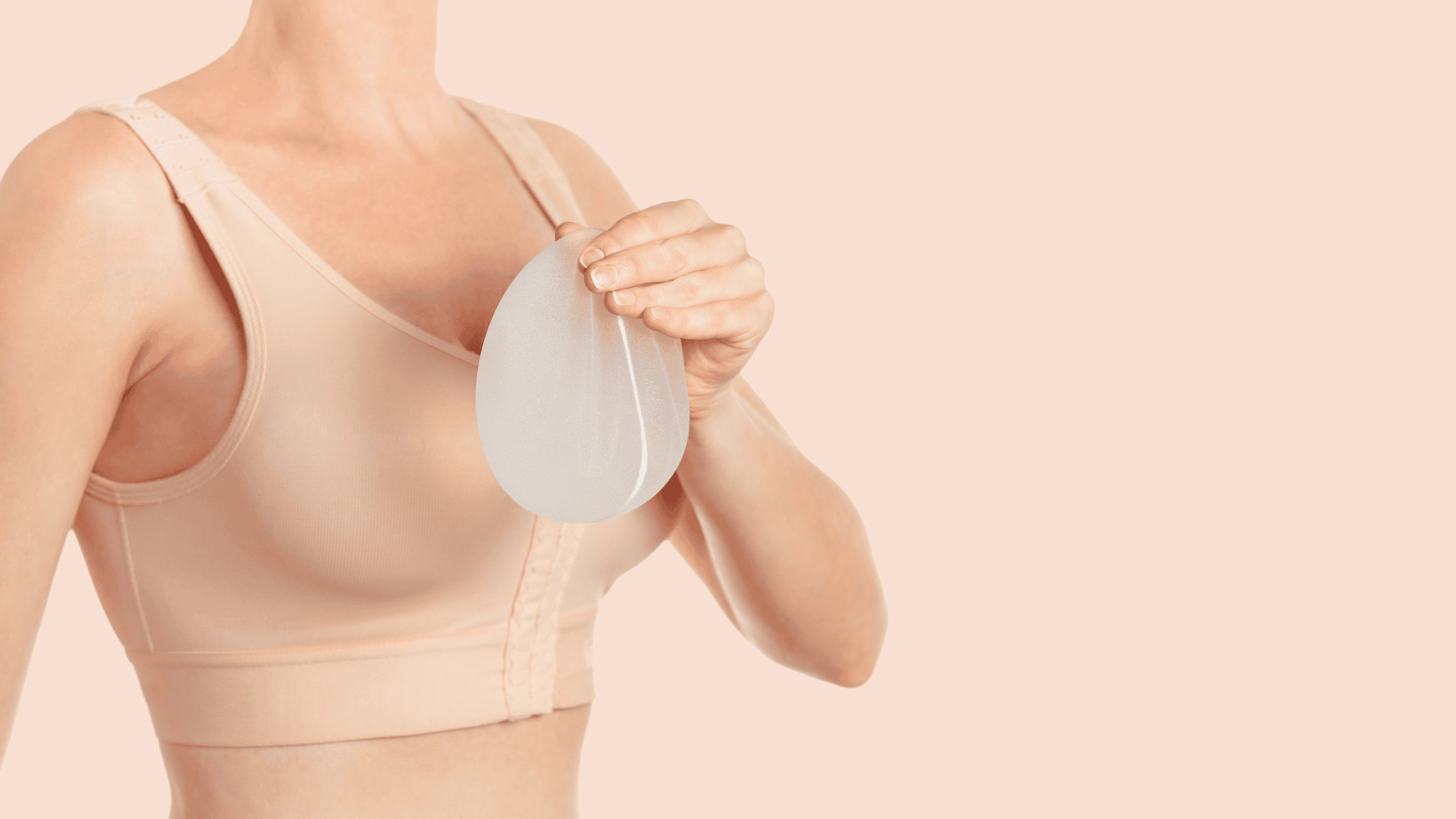
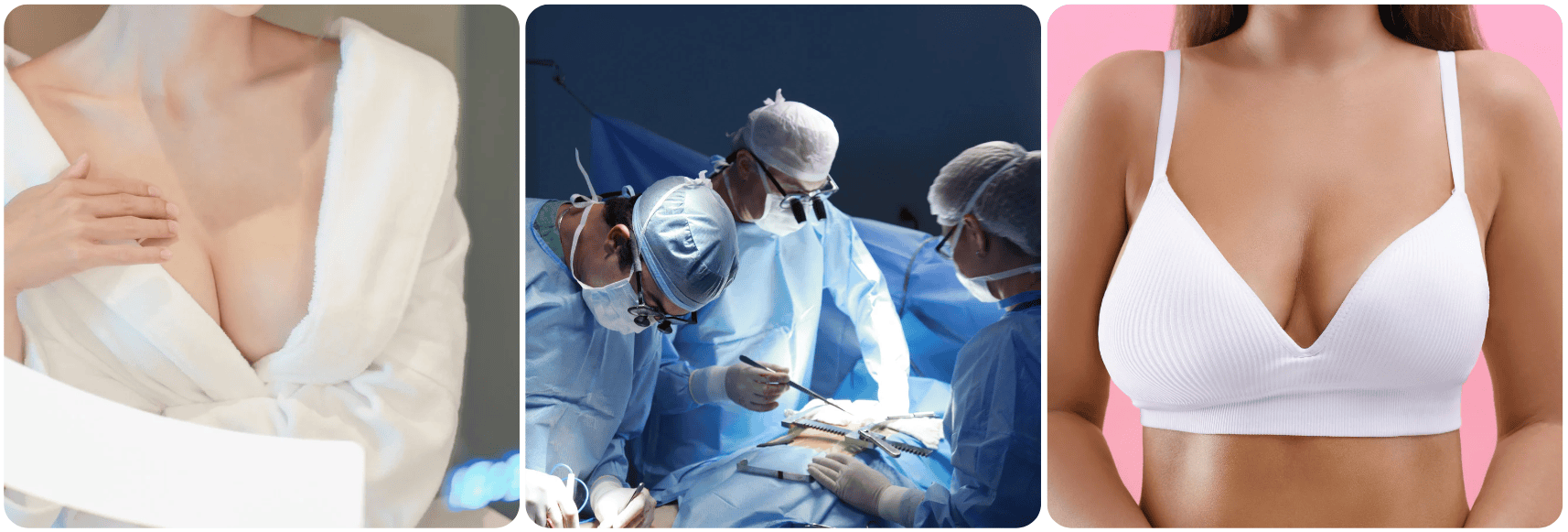
Breast augmentation with implants is a surgical procedure designed to enhance the size and shape of the breasts by inserting implants. This procedure is often chosen by women who are dissatisfied with the size or appearance of their breasts due to factors like genetics, weight loss, pregnancy, or aging. The primary goal is to create fuller, more symmetrical breasts, which can lead to improved self-esteem and body confidence.
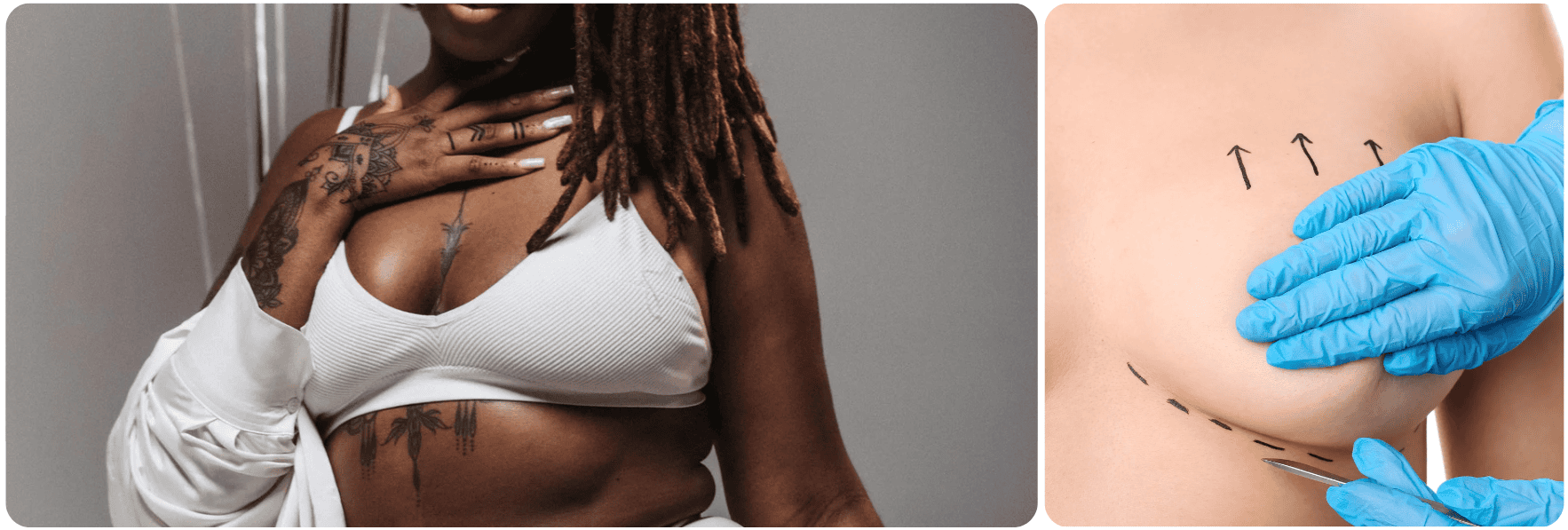
During the surgery, the surgeon makes an incision in a discreet location, typically under the breast, around the areola, or in the armpit. A pocket is then created, either under the breast tissue or beneath the chest muscle, where the implant will be placed. The choice of implant placement depends on the individual's anatomy and desired outcome. Implants can be filled with either silicone gel or saline (a sterile saltwater solution). Silicone implants are known for their natural feel, while saline implants can be adjusted for volume and size. The choice between the two is based on personal preference, the surgeon’s recommendation, and other medical considerations.
Breast augmentation with implants is a surgical procedure designed to enhance the size and shape of the breasts by inserting implants.
Recovery after breast augmentation involves a period of rest, with swelling and soreness being common. Patients are advised to limit physical activity for a few weeks to allow the body to heal properly. While the results of the surgery are usually noticeable soon after the procedure, it can take a few months for the final shape to settle as the implants adjust to the body.
Although breast augmentation with implants is generally safe and effective, as with any surgery, there are potential risks. These can include infection, capsular contracture (where scar tissue forms around the implant), or implant rupture. In some cases, further surgery may be needed to address complications. For this reason, it is important for patients to thoroughly understand the risks and benefits and to choose a qualified, experienced plastic surgeon for the procedure.
Breast augmentation with implants is a cosmetic procedure many choose to enhance the size, shape, and symmetry of their breasts. Women often opt for this surgery to boost their confidence and self-esteem, especially if they feel that their breasts are too small or asymmetrical. Some may pursue breast augmentation after significant life changes, such as pregnancy, weight loss, or aging, which can cause the breasts to lose volume or firmness.
Breast augmentation with implants is a cosmetic procedure many choose to enhance the size, shape, and symmetry of their breasts.
Breast augmentation can restore a more youthful or fuller appearance. Others may seek this surgery to reconstruct their breasts after a mastectomy, allowing them to feel whole and feminine again. The ability to tailor the results to individual preferences, from choosing the implant size to its shape and placement, makes breast augmentation a highly customizable procedure that can address both aesthetic desires and personal insecurities.
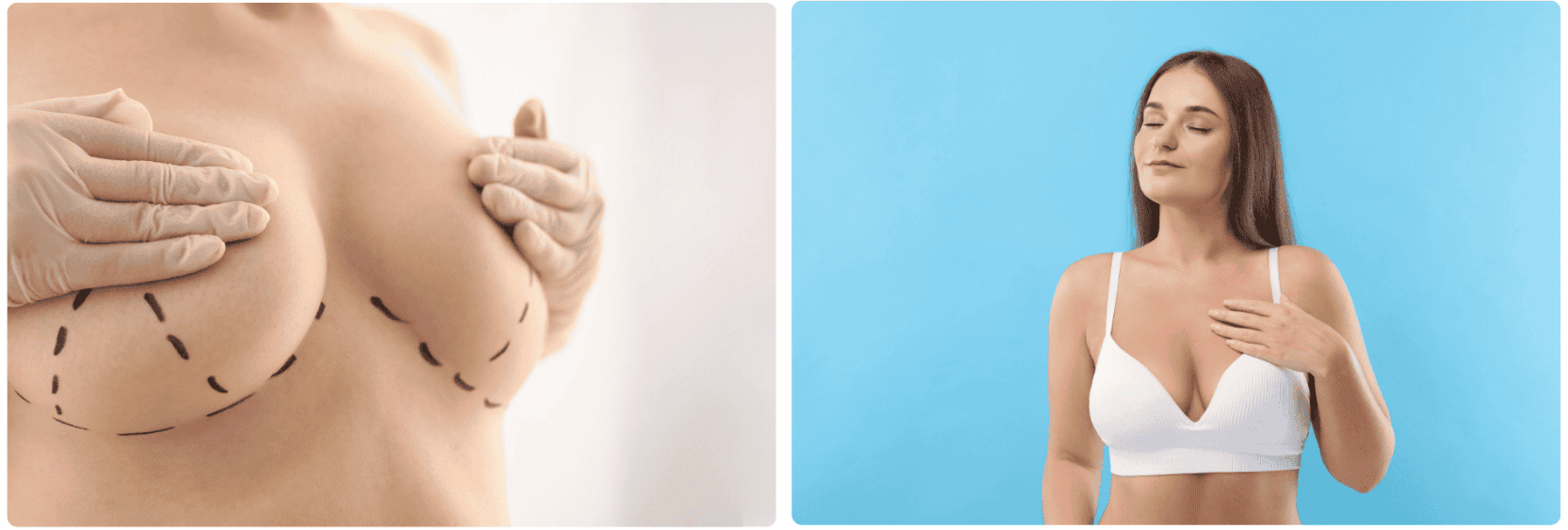
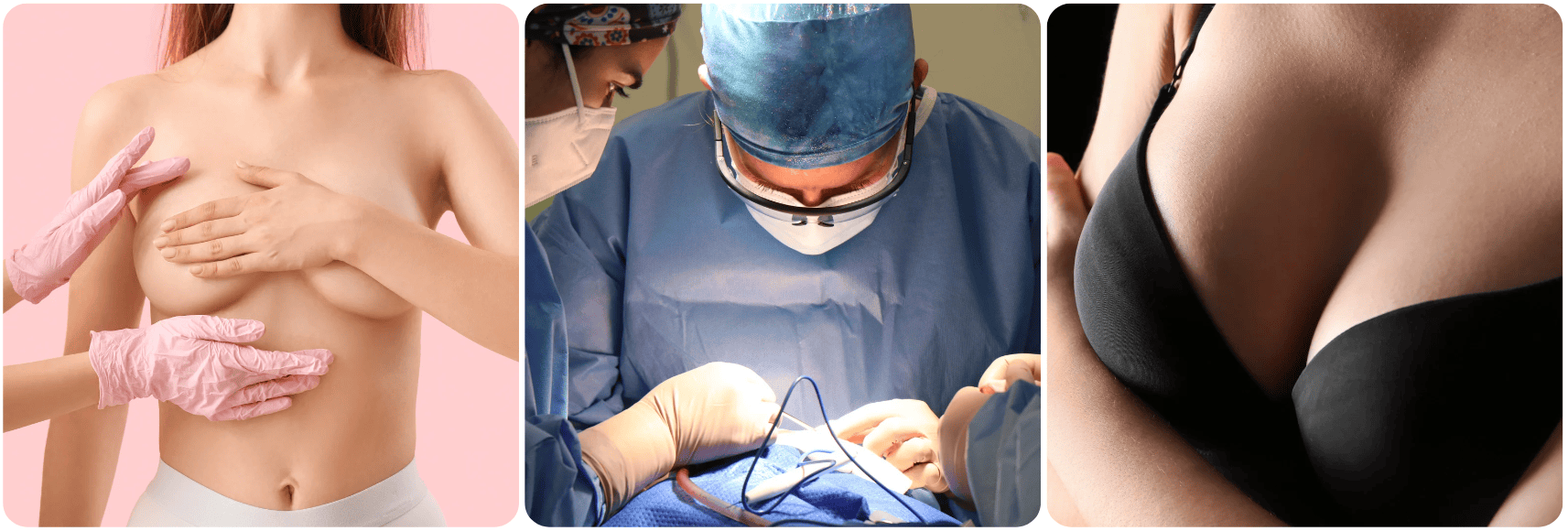
The procedure for breast augmentation with implants begins with an initial consultation, where the patient discusses their goals with the surgeon and decides on the type of implant—either saline or silicone—and the size. On the day of surgery, anesthesia is administered to ensure the patient is comfortable and pain-free throughout the procedure. The surgeon typically makes incisions in discreet areas to minimize visible scarring, such as under the breast (inframammary fold), around the nipple (periareolar), or in the armpit (transaxillary). Through these incisions, a pocket is created either above or below the chest muscle, where the implant will be placed.
The procedure for breast augmentation with implants begins with an initial consultation, where the patient discusses their goals with the surgeon and decides on the type of implant—either saline or silicone—and the size.
The placement of the implant depends on the patient’s anatomy and the desired outcome. Once the implant is inserted, the surgeon carefully checks for symmetry and balance before closing the incisions with sutures. Afterward, the patient is monitored as they wake up from anesthesia and can usually return home the same day. Recovery involves following the surgeon's care instructions closely, wearing a supportive bra, and limiting physical activity for several weeks to allow proper healing.
Selecting the appropriate implant size is one of the most important decisions in breast augmentation. While many patients might have a certain cup size in mind, surgeons recommend focusing on proportion and harmony with the rest of the body. The ideal size balances the patient’s frame, chest width, and lifestyle. A larger implant may provide dramatic results but could also feel heavier or less natural. A smaller implant might look subtle but may not create the desired change. Using 3D imaging or trying on sizing kits during consultation helps patients visualize their potential outcomes before committing to surgery.
Both silicone and saline implants are widely used in breast augmentation, but each type offers unique advantages. Silicone implants are filled with cohesive gel, which mimics the softness and natural feel of breast tissue. Saline implants, on the other hand, are filled with sterile saltwater and can be adjusted in volume during surgery, offering more flexibility. Patients who prefer a natural texture often lean toward silicone, while those who value adjustability and smaller incisions may prefer saline. Discussing lifestyle, body type, and personal goals with a surgeon helps determine the best option for long-lasting results.
Where the surgeon places the incision can have a significant effect on the recovery process and final appearance. The most common incision sites are:
💚 Inframammary fold (under the breast)
💚 Periareolar (around the nipple)
💚 Transaxillary (through the armpit)
Each option has pros and cons in terms of scarring, healing, and accessibility for the surgeon. For example, inframammary incisions offer more control during implant placement, while armpit incisions avoid scars on the breast itself. The choice ultimately depends on the patient’s anatomy and the surgeon’s expertise.
Breast augmentation with implants offers a range of benefits, both physical and emotional. The most immediate and noticeable advantage is an enhanced appearance. For those who have always desired fuller breasts, implants can create a natural-looking, well-proportioned figure, which can help clothing fit better and give the individual a more feminine silhouette. Additionally, the increased confidence that many experience after breast augmentation can lead to an improved quality of life.
Patients often report feeling more comfortable in social situations and more confident in their bodies, especially in swimsuits and other revealing clothing. Beyond the aesthetic appeal, implants can also help women who have lost breast volume due to aging, weight loss, or pregnancy regain a youthful appearance. Women who undergo breast reconstruction after mastectomy find breast augmentation to be an empowering step in their recovery, helping them feel whole again.
Moreover, the surgery can correct issues such as breast asymmetry, which many women struggle with, leading to a more balanced and harmonious look. Ultimately, the procedure is about enhancing the individual’s self-image and body confidence.
Returning to physical activity after surgery requires patience and gradual progression. Surgeons typically recommend:
💚 Light walking within a few days to promote circulation
💚 Avoiding heavy lifting or chest exercises for at least 4–6 weeks
💚 Wearing a supportive sports bra during workouts once cleared
By following these guidelines, patients protect their healing tissues and implants while gradually regaining their fitness routines.
Many women considering breast augmentation wonder about future breastfeeding. In most cases, implants do not interfere with breastfeeding ability, especially when the incisions are made under the breast or in the armpit. However, periareolar incisions may slightly increase the risk of affecting milk ducts. Women planning to have children in the future should discuss their intentions with their surgeon so incision placement and techniques can be adjusted accordingly.
Achieving natural results is one of the top goals in modern breast augmentation. Surgeons consider the patient’s body frame, implant size, placement, and profile to ensure proportionate outcomes. Smaller implants may be ideal for a subtle enhancement, while moderate sizes often balance fullness with natural appearance. Choosing an experienced surgeon is key to achieving results that complement the body rather than appear artificial.
While breast augmentation with implants is a generally safe procedure, like any surgery, it comes with certain risks and potential complications. Some of the most common risks include infection, bleeding, and poor wound healing. One of the more specific risks associated with implants is capsular contracture, a condition where scar tissue forms around the implant and causes it to become hard and possibly misshapen. In rare cases, the implant may rupture or leak, leading to the need for revision surgery.
**While breast augmentation with implants is a generally safe procedure, like any surgery, it comes with certain risks and potential complications.
Additionally, some women may experience changes in nipple sensation, which can be temporary or, in very rare cases, permanent. It's important for patients to discuss the risks with their surgeon before deciding on breast augmentation. Choosing an experienced, board-certified plastic surgeon significantly reduces the likelihood of complications. Patients should also follow post-operative care instructions closely to minimize risks and ensure the best possible outcome.
The cost of breast augmentation with implants varies depending on several factors, such as the surgeon's experience, the type of implants chosen (silicone or saline), the geographic location of the clinic, and the complexity of the surgery. On average, breast augmentation surgery can cost anywhere from $4,000 to $10,000.
This price typically includes the surgeon's fee, anesthesia, and the facility costs, but patients should also be prepared for additional expenses, such as post-operative garments, follow-up visits, and potential revision surgeries if complications arise. Insurance typically does not cover breast augmentation for cosmetic purposes, though in cases of breast reconstruction following a mastectomy, the procedure may be covered. Before moving forward, it is advisable for patients to inquire about payment options or financing plans to manage the cost of surgery. Understanding all the financial aspects involved ensures there are no surprises during the process.
For some women, implants alone may not provide the desired results, especially if sagging is also a concern. In such cases, combining breast augmentation with a breast lift can restore both volume and youthful positioning. A lift addresses stretched skin and repositioned nipples, while implants enhance size and fullness. This combined approach is particularly popular among women who have experienced significant weight loss or post-pregnancy changes, as it creates a rejuvenated and balanced silhouette.
One common question is how long implants last. While they are not considered lifetime devices, modern breast implants are designed to be durable and long-lasting. On average, implants can last 10–15 years or longer without issues. Some women may never need a replacement, while others might choose revision surgery due to changes in preference or anatomy. Routine check-ups and imaging, such as MRI or ultrasound, are recommended to monitor implant integrity over time.
Implants can be positioned either under the chest muscle (submuscular) or over the muscle but beneath the breast tissue (subglandular). Each method has unique benefits:
💚 Submuscular placement often results in a more natural slope and less risk of visible rippling
💚 Subglandular placement usually offers quicker recovery and avoids potential movement of the implant during chest exercise
Choosing between the two depends on the patient’s natural tissue, activity level, and desired aesthetic. An experienced surgeon helps determine which placement provides the best outcome.
During breast augmentation, anesthesia ensures a safe and pain-free experience. General anesthesia is the most common choice, keeping the patient asleep throughout the surgery. Some clinics may offer sedation with local anesthesia in select cases, although this is less common for full implant placement. The anesthesiologist carefully monitors vital signs during the procedure to guarantee safety. Before surgery, patients will meet with the anesthesia team to review medical history and discuss any allergies or concerns.
Beyond size, implants come in different profiles—low, moderate, and high. The implant profile determines how far the breast projects from the chest wall.
💚 Low-profile implants provide a subtle, natural look
💚 Moderate-profile implants balance natural appearance with enhanced fullness
💚 High-profile implants create more dramatic projection and cleavage
Selecting the right profile is just as important as choosing the size, as it significantly influences the overall result.
Not everyone is automatically suited for breast augmentation. The best candidates are women in good overall health, with realistic expectations about what surgery can achieve. Suitable candidates typically:
💚 Want to enhance their breast size or shape
💚 Have asymmetry or loss of volume due to weight changes, aging, or pregnancy
💚 Are non-smokers or willing to stop smoking before and after surgery
💚 Understand the recovery process and potential risks
A thorough consultation helps determine whether breast augmentation is the right solution for each individual.
Preparation is key to a smooth breast augmentation journey. Patients are usually advised to stop smoking, avoid certain medications like blood thinners, and arrange for someone to drive them home after the procedure. Surgeons may request pre-surgery blood tests or imaging to ensure safety. Stocking up on comfortable clothing, supportive bras, and post-operative supplies also makes the recovery period easier. Planning ahead helps minimize stress and ensures a more comfortable healing process.
Follow-up appointments play a crucial role in recovery after breast augmentation. These visits allow the surgeon to check incision healing, monitor implant positioning, and address any patient concerns. Patients may have their first follow-up within a week after surgery, followed by additional visits over several months. Attending these appointments ensures that potential complications are detected early and that the final results develop as expected.
Follow-up appointments play a crucial role in recovery after breast augmentation.
Recovery after breast augmentation with implants involves a period of rest and care. Immediately following the surgery, patients can expect swelling, bruising, and some discomfort, which are common and usually subside over time. Pain management is typically achieved with prescribed medications, and most patients report that the discomfort is manageable. For optimal healing, patients are advised to wear a supportive bra or surgical garment to help minimize swelling and support the implants.
Recovery after breast augmentation with implants involves a period of rest and care.
Physical activity should be limited for several weeks, with patients advised to avoid lifting heavy objects or engaging in strenuous exercise. While many individuals can return to light activities and work within a week or two, more intense activities like exercising or heavy lifting should be postponed for around six weeks. Full recovery may take a few months as the body adjusts to the implants, and the final results become fully visible. Regular follow-up appointments with the surgeon are crucial to monitor healing and ensure the implants are settling correctly.
After recovery, maintaining results involves simple but important lifestyle habits. Patients are encouraged to:
💚 Schedule regular check-ups to monitor implant health
💚 Wear supportive bras, especially during high-impact activities
💚 Maintain a stable weight, as fluctuations can affect breast shape
💚 Stay informed about implant safety updates from their surgeon
These habits help preserve the look and feel of the implants for years to come, ensuring patients enjoy their investment long-term.
During your consultation, you will discuss your wishes, medical history, and expectations with the doctor. The doctor will examine you, take measurements if necessary, and explain which treatment suits you best, including risks and recovery. You will have the opportunity to ask questions and then receive a clear treatment proposal.
Make sure you have all relevant medical information ready, such as previous treatments, allergies, or medical conditions. This allows the doctor to give you better advice.
Payment is made securely via SurgeryBooking. You pay the amount in advance to SurgeryBooking. We hold the funds and transfer them to the clinic after your treatment. Cancellation or change conditions vary per clinic and are clearly communicated in advance.
During the consultation (online or at the clinic), the doctor will assess this based on your health, expectations, and physical characteristics. You will discuss what you want, what is possible, and what the limitations are. Sometimes there are alternatives if the chosen treatment is not ideal.
Through SurgeryBooking.com, you can quickly and easily book a consultation or procedure with doctors and clinics worldwide. SurgeryBooking.com provides an overview of doctors and clinics, allowing you to make an informed and transparent choice when booking a consultation or procedure.
You can easily book through the profile of the desired clinic or doctor. Select the desired treatment, enter your details, and choose an available date and time. If there are any costs involved, you will complete the payment first. Afterwards, you will receive a confirmation email with all the details.
Yes, during the booking process, you can indicate whether you prefer an online consultation or an in-person consultation at the clinic.
With SurgeryBooking.com, you gain access to a global network of doctors and clinics. Through SurgeryBooking.com, you can easily book a consultation or a cosmetic procedure directly. Clinic profiles provide information about available cosmetic procedures, reviews, photos of the clinic, and other relevant details. This enables you to compare costs and make an informed decision when booking a consultation or procedure.