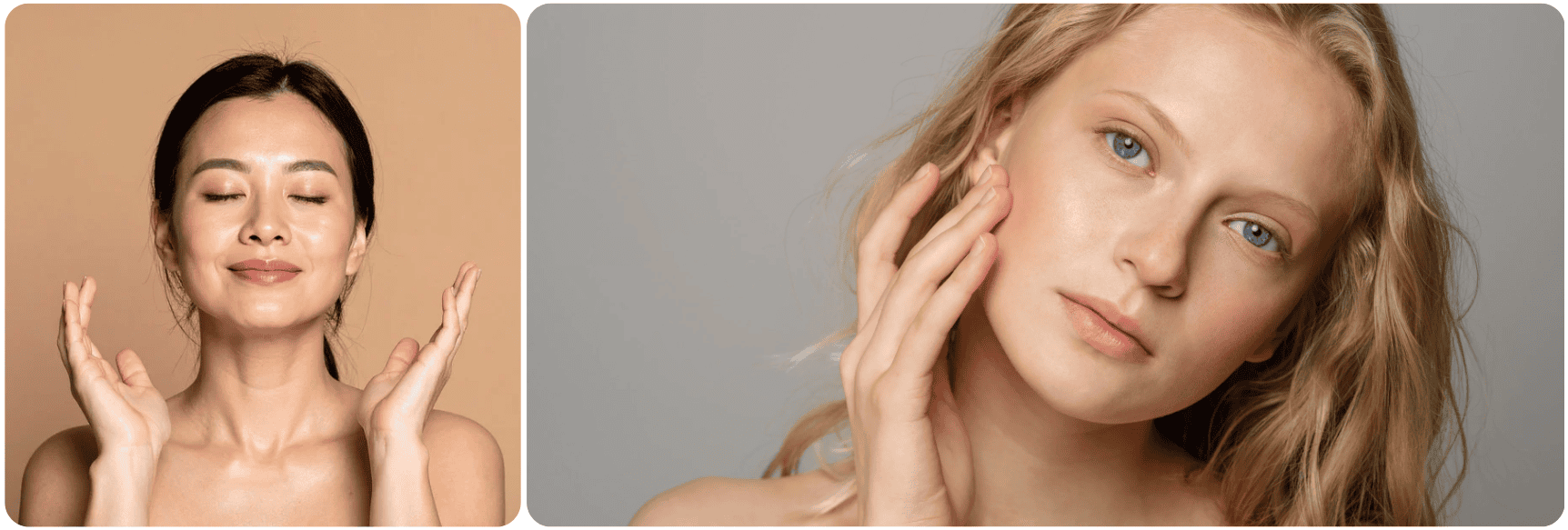
Botox for the masseter is a treatment where botulinum toxin (Botox) is injected into the masseter muscle, a large jaw muscle involved in chewing. This procedure is often sought for several reasons. Primarily, it can reduce the size of the masseter muscle, leading to a slimmer facial appearance, especially in cases where the jawline appears more square due to masseter hypertrophy. This condition is commonly seen in people who overuse their jaw muscles, for instance, through teeth grinding (bruxism) or habitual chewing on hard objects.
Botox for the masseter is a treatment where botulinum toxin (Botox) is injected into the masseter muscle, a large jaw muscle involved in chewing.
Botox works by relaxing the masseter muscle, blocking the nerve signals that cause it to contract. As a result, the muscle becomes less active, which can not only soften the contours of the face but also alleviate symptoms like jaw pain, headaches, and dental damage caused by teeth grinding. The treatment is typically quick and requires no downtime, with gradual results becoming visible in the weeks following the injections.
The effects of Botox for the masseter usually last between three to six months, after which a follow-up treatment may be needed to maintain the desired results. While the procedure is generally safe, there can be side effects such as temporary weakness in the chewing muscles or facial asymmetry, although these are usually mild and temporary. Individuals considering Botox for the masseter should consult a qualified physician or specialist to receive tailored advice and ensure the proper dosage and technique are used for the best outcome.
Botox for the masseter is a popular treatment choice for individuals looking to slim their jawline, alleviate jaw tension, or reduce the symptoms of teeth grinding (bruxism) without undergoing surgery. The masseter muscles, located on each side of the jaw, are responsible for chewing and clenching the teeth. In some individuals, these muscles can become enlarged or overactive due to genetics, frequent teeth grinding, or excessive chewing.
This can lead to a square or bulky jawline, which some people find aesthetically undesirable, particularly if they prefer a more tapered or V-shaped facial contour. Botox offers a non-surgical solution by temporarily relaxing the masseter muscles, which in turn reduces their size over time, creating a softer, more refined jawline.
Beyond cosmetic reasons, many people choose Botox for the masseter to relieve tension and discomfort associated with jaw clenching, which can lead to headaches, jaw pain, or tooth damage. Since the treatment is quick, minimally invasive, and requires no downtime, it is an appealing option for those looking to address functional or aesthetic concerns with minimal disruption to their daily lives.
Botox for the masseter is a relatively simple and quick procedure, typically completed within 15 to 30 minutes. The process begins with a consultation to assess the patient's facial anatomy and determine the appropriate dosage and injection points based on their goals, whether they are seeking jawline slimming, relief from bruxism, or both.
Botox for the masseter is a relatively simple and quick procedure, typically completed within 15 to 30 minutes.
The area is then cleaned, and a topical numbing cream may be applied to minimize discomfort, although many patients find the injections relatively painless. Using a fine needle, the practitioner carefully injects small amounts of Botox directly into the masseter muscles on either side of the face. The number of injections depends on the size of the muscles and the desired effect, with most patients receiving several units of Botox per side.
Botox for the masseter is a relatively simple and quick procedure, typically completed within 15 to 30 minutes.
Once injected, the Botox works by blocking the nerve signals that cause the masseter muscles to contract, effectively weakening them over time. This results in a gradual reduction in muscle size as the muscles become less active and less bulky. The entire procedure is minimally invasive, with no need for incisions or anesthesia. Patients can resume their normal activities immediately after treatment, although mild swelling or bruising at the injection sites is possible and typically resolves within a few days. It’s important to note that the effects of Botox are not immediate; it usually takes a few weeks to start noticing changes in the muscle size and jawline shape. The muscle-relaxing effects can last anywhere from 3 to 6 months, after which follow-up treatments are needed to maintain the results.
Repeated teeth grinding or clenching can damage dental enamel and contribute to sensitivity or fractures. Botox for the masseter helps by temporarily relaxing the muscles responsible for this activity.
👉 Reduced strain on teeth and gums
👉 Decreased frequency of night-time grinding
👉 Less jaw stiffness in the morning
👉 Prevention of long-term dental complications
👉 Improved comfort during chewing and speaking
This preventive approach not only enhances oral health but also reduces the need for dental restorations in the future. Many patients report a noticeable reduction in muscle tension and grinding habits within weeks of treatment.
Some patients opt for Botox for the masseter alongside other cosmetic procedures to achieve comprehensive facial rejuvenation. Combining treatments can enhance overall results without surgery.
👉 Dermal fillers to enhance cheek volume and contour
👉 Chin reshaping for a more defined profile
👉 Skin tightening treatments to improve elasticity
👉 Laser therapy for texture improvement
👉 Non-surgical facelifts for overall balance
By integrating multiple treatments, specialists can address both volume and shape concerns simultaneously. This holistic approach often results in more harmonious, natural-looking outcomes.
Botox for the masseter offers several significant benefits, particularly for those looking to enhance their facial appearance or alleviate discomfort related to an overactive jaw. One of the primary cosmetic benefits is the ability to slim and contour the lower face without the need for surgery. Over time, repeated Botox injections can reduce the size of the masseter muscles, resulting in a more tapered or V-shaped jawline that many people find more aesthetically pleasing. This can be particularly beneficial for individuals with a naturally wide or square jaw who wish to soften their appearance while still maintaining a natural look.
Botox for the masseter offers several significant benefits, particularly for those looking to enhance their facial appearance or alleviate discomfort related to an overactive jaw.
In addition to its cosmetic advantages, Botox for the masseter is also highly effective in treating functional issues like bruxism, or chronic teeth grinding. By relaxing the masseter muscles, Botox can help alleviate the tension and stress that leads to grinding and clenching, which in turn can prevent damage to teeth, reduce jaw pain, and lessen the frequency of tension headaches or migraines. This makes it an ideal treatment for those who suffer from both aesthetic and functional issues related to an overactive jaw.
Another major benefit is the non-invasive nature of the procedure. Unlike surgical options that involve significant downtime and potential risks, Botox injections require no recovery period, allowing patients to resume their daily activities right away. The treatment is also highly customizable, with the amount of Botox and the specific injection points tailored to the individual’s anatomy and goals, ensuring natural-looking results. Furthermore, the effects of Botox are temporary, which means that patients have the flexibility to adjust the treatment or discontinue it altogether if desired.
While the results are long-lasting—typically around 3 to 6 months—they are not permanent, giving patients control over their facial appearance without committing to surgery. Overall, Botox for the masseter is a versatile, effective solution for those looking to slim their jawline or address functional concerns with minimal downtime and risk.
While generally safe, Botox for the masseter can cause mild side effects in some patients. These are typically temporary and resolve without intervention.
👉 Minor swelling or bruising at injection sites
👉 Temporary tenderness or soreness
👉 Slight asymmetry in the jawline during initial weeks
👉 Mild weakness when chewing tough foods
👉 Rare allergic reactions, which require immediate medical attention
Monitoring post-treatment responses and following practitioner guidance ensures any side effects remain minimal and short-lived.
Achieving facial harmony is often a key reason people consider Botox for the masseter. By reducing the bulk of the masseter muscles, the lower face can appear more balanced with other facial features, including the cheeks, chin, and eyes. A well-proportioned jawline contributes to an overall youthful and elegant appearance.
Many practitioners highlight the importance of customizing the treatment to complement the patient’s natural facial structure, ensuring subtle yet effective changes. This approach prevents an overdone look and maintains facial symmetry. In addition to aesthetics, the softened contours can improve confidence in profile photographs and social situations. Patients often notice a smoother, softer jawline within weeks of their first session, while the full effects develop gradually over time.
Botox for the masseter can also influence bite alignment in subtle ways. Overactive masseter muscles may contribute to uneven pressure on the teeth, which can exacerbate wear or cause mild discomfort in the temporomandibular joint (TMJ). Relaxing these muscles allows for a more balanced bite force, which can reduce strain on surrounding muscles.
Botox for the masseter can also influence bite alignment in subtle ways.
Patients with mild TMJ issues sometimes find relief after a course of Botox injections. The treatment does not permanently alter dental structure, but it can improve functional comfort. Dentists and cosmetic specialists often collaborate to ensure that jawline slimming treatments do not interfere with oral health.
Over time, repeated Botox for the masseter injections can lead to a reduction in muscle activity even beyond the immediate effects. The muscles may gradually shrink with consistent treatments, creating longer-lasting contour improvements. This can allow patients to extend the interval between treatments over time.
It is essential, however, to follow a professional treatment schedule to avoid uneven results. Specialists recommend monitoring changes and adjusting the dosage as muscles adapt to ensure balanced outcomes. Patients may notice cumulative benefits, including a naturally slimmer jawline and reduced clenching tendency.
For professionals who frequently appear in public, on video calls, or in photography, Botox for the masseter can offer subtle yet impactful benefits. A more refined jawline can enhance appearance in professional settings, conveying confidence and poise. Additionally, relief from jaw tension can improve focus and comfort throughout the workday.
👉 Reduced jaw discomfort during prolonged meetings
👉 Less fatigue from teeth clenching
👉 Improved self-confidence on camera
👉 Enhanced facial symmetry for professional portraits
👉 Quick procedure with minimal downtime
This makes Botox an attractive option for busy individuals seeking both functional and aesthetic improvements without interrupting their careers.
Post-treatment care is crucial for optimal results with Botox for the masseter. While the procedure is minimally invasive, following simple precautions can enhance outcomes and reduce side effects.
👉 Avoid massaging or rubbing the injection area for 24 hours
👉 Refrain from strenuous exercise immediately after treatment
👉 Sleep on your back to minimize pressure on the jaw
👉 Avoid excessive heat exposure such as saunas or hot showers
👉 Follow-up with your practitioner if asymmetry or discomfort occurs
These steps help ensure that the Botox settles evenly into the muscles and achieves the desired slimming effect without complications.
As people age, facial fat distribution and muscle tone naturally shift. Botox for the masseter can help counteract changes that contribute to a heavier or more squared lower face.
Relaxing the masseter muscles allows other facial features to stand out more prominently, often creating a rejuvenated appearance. Unlike surgical procedures, Botox adapts to natural aging over time, allowing for flexible maintenance and adjustments. Patients often combine it with non-invasive anti-aging treatments to preserve harmony across the entire face.
Correct dosing is essential when performing Botox for the masseter. The amount injected depends on muscle size, gender, age, and aesthetic goals. Over-injection may cause temporary weakness or difficulty chewing, while under-injection may yield minimal visible results. Experienced practitioners carefully assess each patient to achieve a safe and effective balance. Regular reassessment ensures the treatment remains tailored and natural-looking. Maintaining proper technique reduces the risk of side effects and ensures optimal results over time.
In some cases, combining Botox for the masseter with lifestyle modifications enhances results. Reducing habits that overwork the jaw muscles can prolong the effects and improve comfort.
👉 Avoid frequent gum chewing
👉 Minimize hard or crunchy foods
👉 Practice relaxation exercises for jaw muscles
👉 Reduce nighttime teeth grinding with dental guards
👉 Maintain regular follow-up appointments for touch-ups
These adjustments help maintain the aesthetic and functional benefits for longer periods, often reducing the frequency of injections required.
The demand for Botox for the masseter is growing worldwide, particularly in regions where facial aesthetics and non-surgical options are highly valued. In addition to slimming effects, patients increasingly seek functional relief from bruxism and jaw tension. Clinics offering this treatment have adapted to cater to diverse facial shapes and cultural preferences.
The demand for Botox for the masseter is growing worldwide, particularly in regions where facial aesthetics and non-surgical options are highly valued.
International patients often travel specifically for skilled practitioners who can provide precise, natural-looking results. With minimal downtime and a high satisfaction rate, Botox for the masseter continues to gain recognition as a versatile and accessible cosmetic procedure.
Optimal treatment schedules for Botox for the masseter vary depending on individual response and goals. Most patients require maintenance injections every three to six months. Some experience longer-lasting effects, especially after multiple sessions. Practitioners often recommend documenting muscle changes and aesthetic outcomes to refine future treatments. By personalizing frequency, patients achieve consistent jawline refinement without overuse. Regular follow-ups ensure results remain natural and the risk of complications is minimized.
During your consultation, you will discuss your wishes, medical history, and expectations with the doctor. The doctor will examine you, take measurements if necessary, and explain which treatment suits you best, including risks and recovery. You will have the opportunity to ask questions and then receive a clear treatment proposal.
Make sure you have all relevant medical information ready, such as previous treatments, allergies, or medical conditions. This allows the doctor to give you better advice.
Payment is made securely via SurgeryBooking. You pay the amount in advance to SurgeryBooking. We hold the funds and transfer them to the clinic after your treatment. Cancellation or change conditions vary per clinic and are clearly communicated in advance.
During the consultation (online or at the clinic), the doctor will assess this based on your health, expectations, and physical characteristics. You will discuss what you want, what is possible, and what the limitations are. Sometimes there are alternatives if the chosen treatment is not ideal.
Through SurgeryBooking.com, you can quickly and easily book a consultation or procedure with doctors and clinics worldwide. SurgeryBooking.com provides an overview of doctors and clinics, allowing you to make an informed and transparent choice when booking a consultation or procedure.
You can easily book through the profile of the desired clinic or doctor. Select the desired treatment, enter your details, and choose an available date and time. If there are any costs involved, you will complete the payment first. Afterwards, you will receive a confirmation email with all the details.
Yes, during the booking process, you can indicate whether you prefer an online consultation or an in-person consultation at the clinic.
With SurgeryBooking.com, you gain access to a global network of doctors and clinics. Through SurgeryBooking.com, you can easily book a consultation or a cosmetic procedure directly. Clinic profiles provide information about available cosmetic procedures, reviews, photos of the clinic, and other relevant details. This enables you to compare costs and make an informed decision when booking a consultation or procedure.