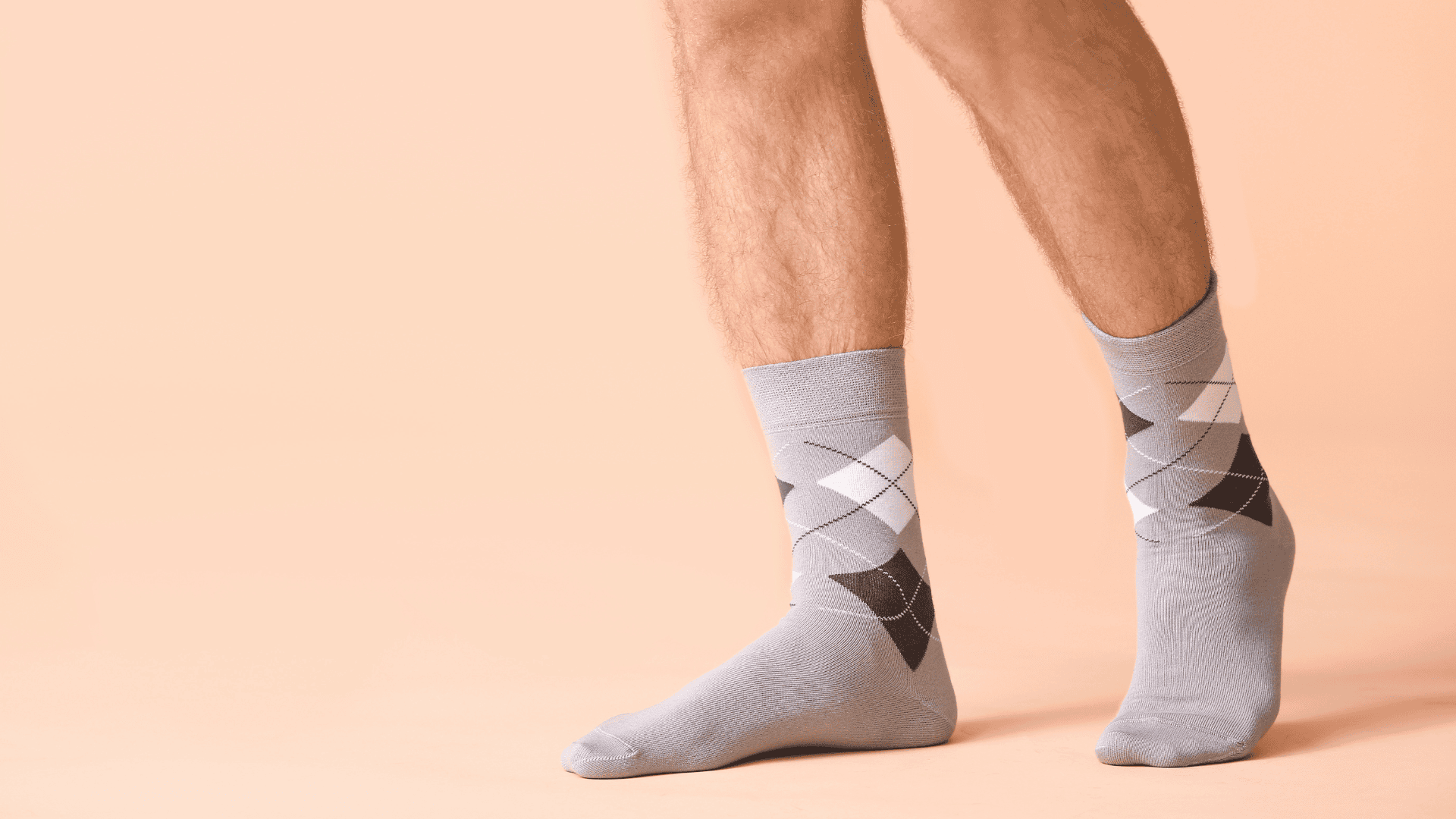
Botox is a treatment that is not only used for cosmetic purposes but can also be effective for medical conditions such as excessive sweating, a condition known as hyperhidrosis. When someone experiences excessive sweating in specific areas, such as the feet, it can cause discomfort and embarrassment. In such cases, Botox can provide relief.
During this treatment, a purified form of botulinum toxin is injected into the sweat glands of the feet. The substance temporarily blocks the nerves that control the sweat glands, significantly reducing sweat production. It works by interrupting the communication between the nerves and the sweat glands, leading to less sweat in the treated area.
Botox is a treatment that is not only used for cosmetic purposes but can also be effective for medical conditions such as excessive sweating, a condition known as hyperhidrosis.
The effects of Botox for excessive sweating in the feet usually last several months, typically between four to six months, after which the treatment can be repeated if necessary. The procedure itself is relatively quick, although it can cause some discomfort due to the multiple injections required in the soles of the feet, which are particularly sensitive. To minimize discomfort, a numbing cream or local anesthetic can be applied.
Results are often noticeable soon after the treatment, and most patients experience a significant improvement in their daily lives, with reduced issues such as wet feet or related problems like odors and fungal infections. While Botox is generally considered safe, there can be side effects, such as temporary muscle weakness or mild pain at the injection sites, as with any medical procedure.
Botox for excessive sweating in the feet, also known as plantar hyperhidrosis, is a popular treatment for individuals who suffer from an abnormal amount of sweating, particularly in the feet. Excessive foot sweat can be uncomfortable, socially embarrassing, and even lead to conditions like foot odor, fungal infections, or skin irritation.
Many people with this condition find it difficult to wear shoes for long periods, especially during warmer weather, as the constant moisture can cause discomfort. Botox injections help address this problem by blocking the signals from the nerves that trigger sweat production. By temporarily paralyzing these sweat glands, Botox can reduce the amount of sweat produced in the treated areas, offering lasting relief.
Many people with this condition find it difficult to wear shoes for long periods, especially during warmer weather, as the constant moisture can cause discomfort.
This treatment is especially beneficial for those who have tried other methods like antiperspirants, foot powders, or lifestyle changes, but still struggle with the issue. Botox provides a non-invasive, effective solution that can help individuals regain confidence, stay comfortable, and prevent the unpleasant consequences of excessive sweating.
The effects of Botox for Excessive Sweating (Feet) typically last between four and six months, although some people enjoy benefits for even longer. Over time, nerve signaling gradually returns, and sweat production slowly increases.
Most patients schedule maintenance sessions once symptoms begin to reappear rather than waiting for full sweating to return. Consistent treatments may sometimes lead to longer-lasting results as sweat glands become less active.
It’s helpful to view this therapy as part of an ongoing management plan rather than a one-time fix.
There are several misconceptions surrounding Botox for Excessive Sweating (Feet). One myth is that it completely shuts down sweating everywhere—this treatment only targets the injected areas.
Another common belief is that Botox is purely cosmetic. In reality, it’s widely used for medical conditions like hyperhidrosis.
Let’s clarify a few points:
👉 Myth: You’ll never sweat again — Fact: sweating is reduced, not eliminated
👉 Myth: Results are permanent — Fact: maintenance is needed
👉 Myth: It’s unsafe — Fact: it’s well-studied when administered properly
Understanding these facts helps set realistic expectations and reduces unnecessary concerns.
Botox for excessive sweating in the feet is a relatively simple and minimally invasive procedure. The treatment typically begins with a consultation, during which the doctor will evaluate the severity of the sweating and determine the most appropriate course of action. The procedure itself is performed in a clinic or office setting, and local anesthesia may be used to numb the feet before the injections, although many patients report minimal discomfort.
Botox for excessive sweating in the feet is a relatively simple and minimally invasive procedure.
During the procedure, small amounts of Botox are injected into specific areas of the feet, focusing on the regions that experience the most excessive sweating. The Botox works by blocking the nerve signals that trigger sweat production, providing relief from the overactive sweat glands. Each foot may require several injections, depending on the area being treated.
The procedure typically takes about 20 to 30 minutes, and most patients can return to their daily activities right away, though they are advised to avoid strenuous exercise for the first 24 hours. Results typically begin to appear within a few days, and the effects can last for several months before a follow-up treatment is needed.
Many people have practical questions before starting Botox for Excessive Sweating (Feet). One common concern is pain—while the soles are sensitive, numbing techniques make the procedure manageable for most patients.
Another frequent question involves downtime. Fortunately, this treatment requires little to no recovery time. People also ask whether sweat will increase elsewhere on the body; this compensatory sweating is uncommon with foot treatments.
Other FAQs include:
👉 How soon will I feel results?
👉 Can I drive myself home afterward?
👉 Will I still sweat during workouts?
Understanding these details beforehand can help you feel more confident and informed about the process.
Like any medical procedure, Botox for Excessive Sweating (Feet) comes with potential side effects, although serious complications are rare. Most reactions are mild and temporary, such as localized redness, swelling, or tenderness.
In some cases, people may experience temporary muscle weakness in nearby areas or slight changes in sensation. These effects typically resolve on their own.
The benefits of Botox for excessive sweating in the feet are both practical and emotional. One of the most immediate advantages is the significant reduction in sweat production, which helps keep the feet dry and comfortable. This not only reduces the discomfort associated with sweaty feet but also prevents the unpleasant odors and potential skin problems, such as fungal infections, that excessive sweating can cause.
One of the most immediate advantages is the significant reduction in sweat production, which helps keep the feet dry and comfortable.
Many people who undergo Botox treatment for foot sweating find that they can wear shoes for longer periods without the fear of their feet becoming damp or smelly. From a social perspective, the procedure can help individuals feel more confident and less self-conscious, as they no longer need to worry about foot sweat in public or during social gatherings.
Botox for excessive sweating is also a non-surgical solution, making it less invasive than other treatments like surgery or oral medications. Moreover, the effects of Botox are long-lasting, providing relief for several months, and can be repeated as necessary. Overall, Botox offers a convenient, effective solution for those struggling with excessive sweating of the feet, improving both comfort and quality of life.
The ideal candidate for Botox for Excessive Sweating (Feet) is someone who experiences persistent plantar hyperhidrosis that interferes with daily comfort or hygiene. This typically includes people who notice constantly damp socks, slippery soles, recurring foot odor, or frequent fungal infections despite good foot care. Many candidates have already tried topical antiperspirants, powders, or lifestyle adjustments without meaningful improvement.
In general, suitable candidates often share several characteristics:
👉 Chronic foot sweating that does not respond to conventional treatments
👉 Discomfort when wearing shoes for long periods
👉 Skin irritation or repeated athlete’s foot caused by moisture
👉 Overall good health with realistic expectations
It’s also important that candidates understand this is a temporary solution that requires maintenance treatments. While Botox for Excessive Sweating (Feet) can be highly effective, it works best for people who are prepared to repeat the procedure every few months and follow proper aftercare guidance.
Most people notice a clear reduction in sweat within several days to two weeks after treatment. The soles typically feel drier, shoes become more comfortable, and issues like odor or skin maceration often improve significantly. Rather than eliminating sweat entirely, Botox for Excessive Sweating (Feet) aims to bring perspiration back to a manageable, more normal level.
Results vary from person to person, but many experience:
👉 Noticeably drier feet during daily activities
👉 Less slipping inside shoes or sandals
👉 Reduced risk of bacterial or fungal infections
It’s important to keep expectations realistic. You may still sweat lightly during intense exercise or hot weather, but the excessive baseline sweating is usually much lower. For most patients, these improvements translate into better comfort and fewer foot-related complications.
Preparing for Botox for Excessive Sweating (Feet) is relatively straightforward, but a few small steps can make the process smoother. In the days leading up to treatment, avoid shaving the soles or using harsh exfoliating products, as irritated skin can be more sensitive to injections.
On the day of your appointment, arrive with clean, dry feet and avoid applying lotions or creams. You may also be advised to temporarily stop certain medications that increase bruising.
Helpful preparation tips include:
👉 Wear loose, easy-to-remove footwear
👉 Avoid alcohol for 24 hours beforehand
👉 Inform the practitioner about any medical conditions or medications
Mental preparation matters too. Knowing that multiple small injections are involved can help you feel more at ease. Many clinics also offer numbing creams to reduce discomfort during Botox for Excessive Sweating (Feet).
Recovery after Botox for Excessive Sweating (Feet) is usually quick, with most people returning to normal routines the same day. Mild tenderness or redness at injection sites is common, but typically resolves within 24 to 48 hours.
During the first day, it’s wise to avoid intense physical activity or prolonged standing. Sweat reduction usually becomes noticeable within a week.
A typical recovery timeline looks like this:
👉 Day 1: minor soreness or sensitivity in the soles
👉 Days 2–5: gradual decrease in sweating
👉 Week 1–2: full results begin to appear
You can usually resume walking, working, and wearing regular shoes almost immediately. However, giving your feet a short rest period helps optimize how Botox for Excessive Sweating (Feet) settles into the treated areas.
Before treatment, many individuals deal with constantly damp feet, difficulty wearing certain shoes, and ongoing hygiene challenges. After Botox for Excessive Sweating (Feet), most notice a meaningful shift toward dryness and comfort.
However, results don’t appear instantly. Sweat reduction develops gradually, so patience is important. You may also need to adjust expectations regarding footwear during the first few days while injection sites heal.
Visually, there is usually little change to the skin itself—what improves is moisture control. For many, this leads to fewer odors, healthier skin, and improved daily confidence.
Proper aftercare plays a key role in extending the benefits of Botox for Excessive Sweating (Feet). For the first 24 hours, avoid hot baths, saunas, or vigorous exercise, as heat can interfere with how Botox settles.
Keeping feet clean and dry also supports long-term results. Breathable socks and moisture-wicking shoes can further enhance comfort.
Helpful aftercare habits include:
👉 Avoid massaging the soles for one day
👉 Wear breathable footwear whenever possible
👉 Maintain good foot hygiene routines
These simple steps help ensure the treatment works as effectively and consistently as possible.
While Botox for Excessive Sweating (Feet) significantly reduces perspiration, combining treatment with practical lifestyle habits can improve overall outcomes. Rotating shoes regularly allows them to dry fully between wears, reducing moisture buildup.
Using absorbent insoles and choosing breathable materials can further enhance comfort. Diet and hydration may also play a small role, as spicy foods and caffeine can trigger sweating in some individuals.
Small daily changes often complement Botox results and help maintain healthier feet over time.
Knowing when to repeat Botox for Excessive Sweating (Feet) depends on how quickly symptoms return. Most people begin to notice increased moisture after several months, signaling it may be time for another session.
Knowing when to repeat Botox for Excessive Sweating (Feet) depends on how quickly symptoms return.
Rather than waiting until sweating becomes severe again, many opt for proactive maintenance. Regular treatments can help keep symptoms consistently under control and prevent secondary issues like infections or skin breakdown.
Tracking your results over time makes it easier to create a personalized treatment rhythm that fits your needs and lifestyle.
During your consultation, you will discuss your wishes, medical history, and expectations with the doctor. The doctor will examine you, take measurements if necessary, and explain which treatment suits you best, including risks and recovery. You will have the opportunity to ask questions and then receive a clear treatment proposal.
Make sure you have all relevant medical information ready, such as previous treatments, allergies, or medical conditions. This allows the doctor to give you better advice.
Payment is made securely via SurgeryBooking. You pay the amount in advance to SurgeryBooking. We hold the funds and transfer them to the clinic after your treatment. Cancellation or change conditions vary per clinic and are clearly communicated in advance.
During the consultation (online or at the clinic), the doctor will assess this based on your health, expectations, and physical characteristics. You will discuss what you want, what is possible, and what the limitations are. Sometimes there are alternatives if the chosen treatment is not ideal.
Through SurgeryBooking.com, you can quickly and easily book a consultation or procedure with doctors and clinics worldwide. SurgeryBooking.com provides an overview of doctors and clinics, allowing you to make an informed and transparent choice when booking a consultation or procedure.
You can easily book through the profile of the desired clinic or doctor. Select the desired treatment, enter your details, and choose an available date and time. If there are any costs involved, you will complete the payment first. Afterwards, you will receive a confirmation email with all the details.
Yes, during the booking process, you can indicate whether you prefer an online consultation or an in-person consultation at the clinic.
With SurgeryBooking.com, you gain access to a global network of doctors and clinics. Through SurgeryBooking.com, you can easily book a consultation or a cosmetic procedure directly. Clinic profiles provide information about available cosmetic procedures, reviews, photos of the clinic, and other relevant details. This enables you to compare costs and make an informed decision when booking a consultation or procedure.