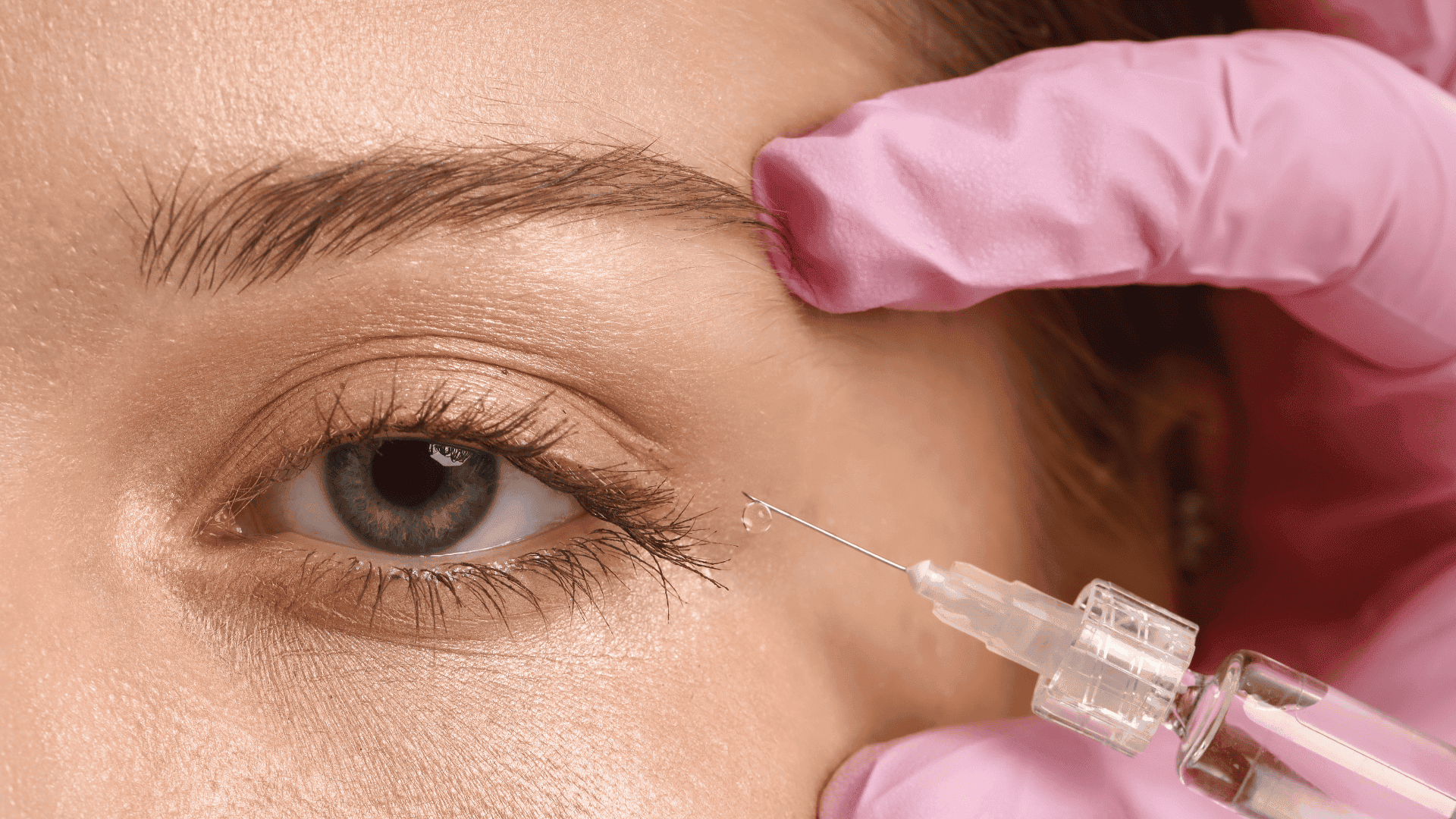
Botox is a popular cosmetic treatment commonly used to reduce the appearance of crow's feet, the fine lines and wrinkles that form around the outer corners of the eyes. These lines typically develop due to repeated facial expressions, such as smiling or squinting. As the skin ages, it loses elasticity, making these wrinkles more noticeable, even when the face is at rest.
Botox, or botulinum toxin, works by temporarily paralyzing the muscles. When injected into the muscles around the eyes, it prevents them from contracting, which helps soften existing wrinkles and stops new ones from forming. The procedure is relatively quick and straightforward, often taking just 10 to 15 minutes to complete, and is generally considered painless, although a slight pinch may be felt during the injection.
The effects of Botox on crow's feet are not permanent, but they typically last for about three to six months. After this time, muscle activity gradually returns, and the wrinkles may become visible again. To maintain the desired effect, repeat treatments are necessary. When performed by a qualified and experienced professional, Botox is a safe procedure, though mild side effects like temporary swelling or bruising at the injection site may occur.
Many see Botox as an effective way to subtly slow down the aging process around the eyes, without drastically altering facial expressions. It provides a natural and refreshed appearance, especially when used as part of a broader anti-aging skincare regimen.
Botox for crow's feet is a highly effective, non-surgical treatment designed to smooth out the fine lines and wrinkles that appear around the outer corners of the eyes, commonly referred to as "crow's feet." These wrinkles are a natural result of facial expressions like squinting, smiling, or laughing, which over time can lead to the formation of dynamic wrinkles. As we age, the skin loses its elasticity and the muscles around the eyes become more pronounced, making crow's feet more noticeable. Many individuals choose Botox for crow's feet to restore a more youthful and smooth appearance to the eyes, reducing the prominence of these wrinkles.
The primary reason people seek Botox for crow's feet is to minimize the appearance of aging in the eye area, which is one of the first areas where visible signs of aging appear. The outer corners of the eyes often show fine lines or deeper wrinkles that can make an individual look tired, older, or stressed. By injecting Botox into the specific muscles responsible for causing these wrinkles, Botox works by temporarily relaxing the muscles, which smooths out the skin and prevents the formation of deeper lines. This can significantly rejuvenate the appearance of the eyes, providing a refreshed and more youthful look without the need for invasive surgery.
Botox for crow's feet is also chosen by those who wish to maintain a natural and expressive appearance while still minimizing wrinkles. Many people appreciate Botox because it allows them to soften crow's feet without freezing facial expressions or completely erasing natural lines. The procedure can be tailored to preserve facial movement while smoothing out wrinkles, making it a popular choice for individuals who want to look younger but still retain a lively and animated expression.
Botox for crow's feet is a quick, minimally invasive procedure that typically takes just 10 to 15 minutes to complete. It is performed in a medical or aesthetic setting, and the patient remains awake throughout the process. Prior to the injections, a topical numbing cream may be applied to the treatment area to minimize any discomfort, though many patients report that the procedure is relatively painless and tolerable.
During the treatment, the practitioner will use a very fine needle to inject Botox into the specific muscles around the outer corners of the eyes where crow's feet form. The Botox works by temporarily blocking the nerve signals that cause these muscles to contract, which prevents them from creating the wrinkles that appear when smiling or squinting. The number of injections depends on the severity of the wrinkles and the individual’s unique anatomy, but generally, three to five injections are made on each side of the face to ensure optimal results.
Once the Botox is injected, there is no downtime required, and patients can resume their normal activities immediately after the procedure. Some mild redness or swelling may occur at the injection sites, but this typically resolves within a few hours. Most patients are able to return to work or other social events without any noticeable side effects.
Results from Botox for crow's feet typically start to appear within 3 to 5 days after treatment, with full effects becoming visible within a week. The results are temporary, usually lasting 3 to 4 months, after which the Botox begins to wear off, and the crow's feet gradually reappear. Patients may choose to return for touch-up treatments to maintain the smooth, youthful look.
One of the main benefits of Botox for crow's feet is its ability to provide a quick and effective solution to reduce the appearance of wrinkles around the eyes. Botox works by relaxing the muscles that cause dynamic wrinkles, which results in a smoother, more youthful appearance. The procedure can significantly improve the overall look of the eye area, making individuals appear less tired, more refreshed, and more vibrant. For many, Botox offers a non-invasive, low-risk alternative to surgery or other more invasive treatments.
Another benefit of Botox for crow's feet is that the results are subtle and natural-looking. Unlike more invasive procedures, Botox does not freeze facial expressions or create an artificial look. The goal is to soften the lines around the eyes while preserving the natural movement of the face. This makes Botox an ideal option for individuals who want to maintain a lively, expressive look while reducing the appearance of wrinkles. Most patients find that Botox enhances their appearance without making them look overdone or unnatural.
Botox for crow's feet is also highly customizable. The amount of Botox used can be adjusted based on the individual’s specific needs, allowing the practitioner to tailor the treatment for the most natural and flattering results. Whether someone has fine lines or deeper crow's feet, Botox can be used to provide a personalized treatment that addresses the unique concerns of each patient.
Additionally, Botox offers long-lasting results, with the effects typically lasting between 3 to 4 months. This means that patients can enjoy smoother, more youthful eyes for an extended period before needing a follow-up treatment. Botox is a quick procedure with minimal downtime, making it an attractive option for those with busy schedules who want a fast and effective way to address crow's feet without having to take time off from work or other activities.
Lastly, Botox for crow's feet can boost a person's self-esteem and confidence. Many individuals feel self-conscious about the wrinkles around their eyes, as they can make a person look older or fatigued. By softening these lines, Botox can help individuals feel more confident about their appearance, improving their overall body image and how they are perceived by others. Whether it’s for a special event or simply to feel more refreshed in daily life, Botox offers a non-invasive solution that can lead to an improved sense of well-being.
The tear trough is a delicate anatomical area that plays a major role in how rested or tired a face appears. As the face ages, volume loss, skin thinning, and changes in bone structure can make this area more pronounced. Even subtle changes can create shadows that are often interpreted as dark circles, regardless of skin tone.
A tear trough treatment addresses these age-related changes by restoring balance between the lower eyelid and the upper cheek. Rather than simply masking discoloration, the treatment focuses on improving contour and light reflection. This anatomical approach explains why the under-eye area can look brighter and smoother after treatment.
While aging is a major factor, tear trough hollowness can also be influenced by genetics, facial anatomy, and lifestyle factors. Some people naturally have deeper-set eyes or less fat in the midface, which can exaggerate the tear trough from a young age.
Lack of sleep, dehydration, stress, and weight loss may further accentuate the area. A tear trough treatment does not change lifestyle-related factors, but it can soften their visible impact. Understanding these underlying causes helps explain why results and needs vary from person to person.
Many people try topical solutions before considering aesthetic treatments. Eye creams can improve hydration and skin texture, but they cannot replace lost volume or change facial structure. This is an important distinction when comparing options.
A tear trough treatment works beneath the skin to address volume deficiency, while skincare focuses on surface-level improvement. The two approaches are often complementary rather than interchangeable. Recognizing their different roles helps set realistic expectations.
Not all fillers are suitable for the under-eye area. Because the skin is thin and sensitive, practitioners typically use soft, flexible hyaluronic acid fillers designed specifically for delicate zones. These fillers integrate smoothly and reduce the risk of visible lumps.
Hyaluronic acid also attracts water, which can subtly improve hydration and skin quality. Tear trough treatment relies heavily on product choice and technique to achieve natural-looking results. This is why the under-eye area requires a more conservative and precise approach than other facial areas.
The under-eye region contains blood vessels, nerves, and fragile tissue layers. Proper placement of filler is essential to avoid complications such as swelling or discoloration. Experienced practitioners carefully assess depth, symmetry, and facial proportions.
A successful tear trough treatment is not about adding as much volume as possible. Instead, it is about restoring harmony between the eye and cheek. Precision and anatomical understanding play a larger role here than filler quantity.
After a tear trough treatment, mild swelling or redness is common, especially in the first 24 to 48 hours. Some people may notice temporary bruising, which usually fades within a few days. Results are often visible immediately but continue to refine as swelling settles.
👉 Mild swelling is common shortly after treatment
👉 Bruising may occur but is usually temporary
👉 Results improve as the area settles
👉 Most people resume normal routines quickly
Understanding these short-term effects helps reduce anxiety and allows for realistic planning around social or professional commitments.
The results of a tear trough treatment are long-lasting but not permanent. Hyaluronic acid fillers are gradually broken down by the body over time. Most people enjoy results for six to twelve months, depending on metabolism, lifestyle, and filler type.
Because the under-eye area is relatively static compared to areas like the mouth, fillers here often last longer. Touch-up treatments may be considered to maintain results, but frequent repetition is usually unnecessary.
The under-eye area does not exist in isolation. Its appearance is closely connected to the cheeks, midface, and overall facial structure. In some cases, volume loss in the cheeks contributes to the appearance of deep tear troughs.
A tear trough treatment may therefore be part of a broader facial assessment rather than a single isolated correction. Addressing facial balance can enhance results and prevent an overfilled or unnatural look.
Although tear trough treatment is minimally invasive, it still carries risks when performed incorrectly. The proximity to the eyes makes safety protocols and expertise especially important. This is why the procedure should always be approached with caution and thorough anatomical knowledge.
👉 The under-eye area contains important blood vessels
👉 Proper technique reduces the risk of complications
👉 Conservative filler use is key for safety
👉 Experience matters more than speed or volume
Being informed about these factors allows individuals to approach tear trough treatment with realistic expectations and awareness.
Not everyone is a suitable candidate for tear trough treatment. People with severe skin laxity, significant eye bags caused by fat prolapse, or certain medical conditions may not achieve optimal results with fillers alone.
In such cases, alternative approaches may be discussed by medical professionals. Tear trough treatment works best for volume-related concerns rather than excess skin or prominent fat pads. Proper assessment is essential for appropriate treatment planning.
The eyes are one of the most expressive facial features, and changes in this area can significantly influence self-perception. Dark circles and hollows are often associated with fatigue or stress, even when someone feels well.
By softening these signs, a tear trough treatment can subtly improve how individuals perceive themselves and how they are perceived by others. This emotional benefit is often described as feeling more refreshed rather than dramatically altered.
Tear trough treatment has gained popularity as non-surgical facial rejuvenation becomes more widely accepted. Advances in filler technology and technique have made outcomes more predictable and natural-looking than in the past.
As awareness grows, tear trough treatment is increasingly viewed as a targeted, refined option for under-eye concerns rather than a drastic cosmetic change. This shift reflects a broader trend toward subtle, anatomy-focused aesthetic treatments.
During your consultation, you will discuss your wishes, medical history, and expectations with the doctor. The doctor will examine you, take measurements if necessary, and explain which treatment suits you best, including risks and recovery. You will have the opportunity to ask questions and then receive a clear treatment proposal.
Make sure you have all relevant medical information ready, such as previous treatments, allergies, or medical conditions. This allows the doctor to give you better advice.
Payment is made securely via SurgeryBooking. You pay the amount in advance to SurgeryBooking. We hold the funds and transfer them to the clinic after your treatment. Cancellation or change conditions vary per clinic and are clearly communicated in advance.
During the consultation (online or at the clinic), the doctor will assess this based on your health, expectations, and physical characteristics. You will discuss what you want, what is possible, and what the limitations are. Sometimes there are alternatives if the chosen treatment is not ideal.
Through SurgeryBooking.com, you can quickly and easily book a consultation or procedure with doctors and clinics worldwide. SurgeryBooking.com provides an overview of doctors and clinics, allowing you to make an informed and transparent choice when booking a consultation or procedure.
You can easily book through the profile of the desired clinic or doctor. Select the desired treatment, enter your details, and choose an available date and time. If there are any costs involved, you will complete the payment first. Afterwards, you will receive a confirmation email with all the details.
Yes, during the booking process, you can indicate whether you prefer an online consultation or an in-person consultation at the clinic.
With SurgeryBooking.com, you gain access to a global network of doctors and clinics. Through SurgeryBooking.com, you can easily book a consultation or a cosmetic procedure directly. Clinic profiles provide information about available cosmetic procedures, reviews, photos of the clinic, and other relevant details. This enables you to compare costs and make an informed decision when booking a consultation or procedure.