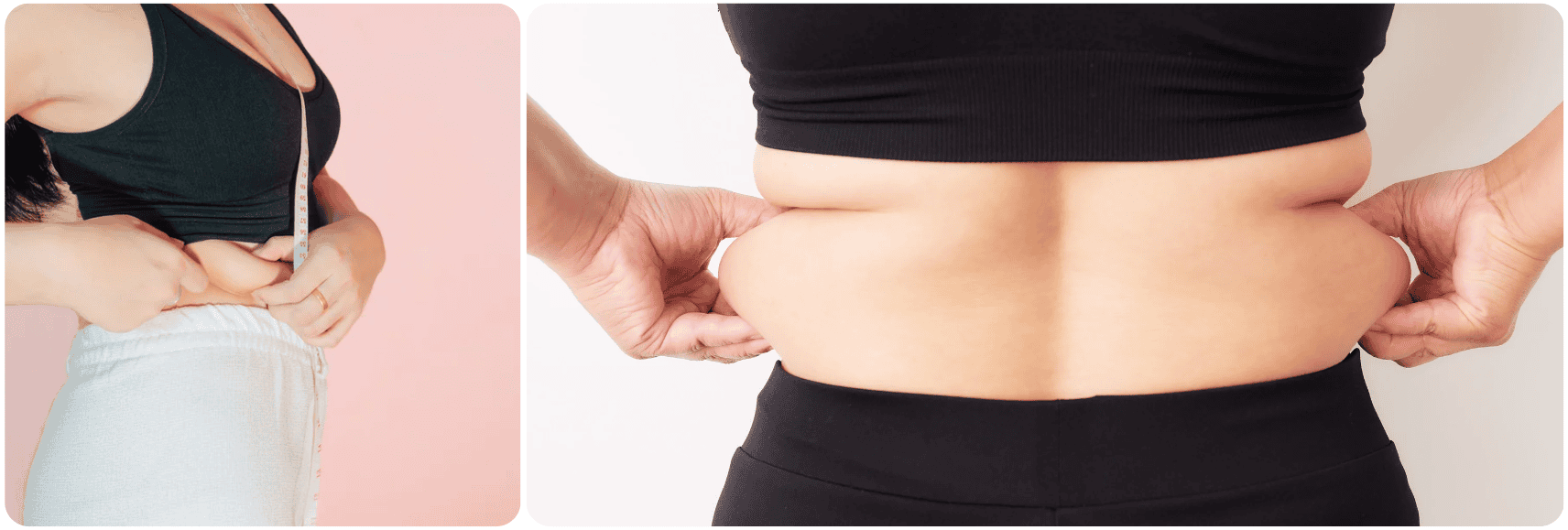
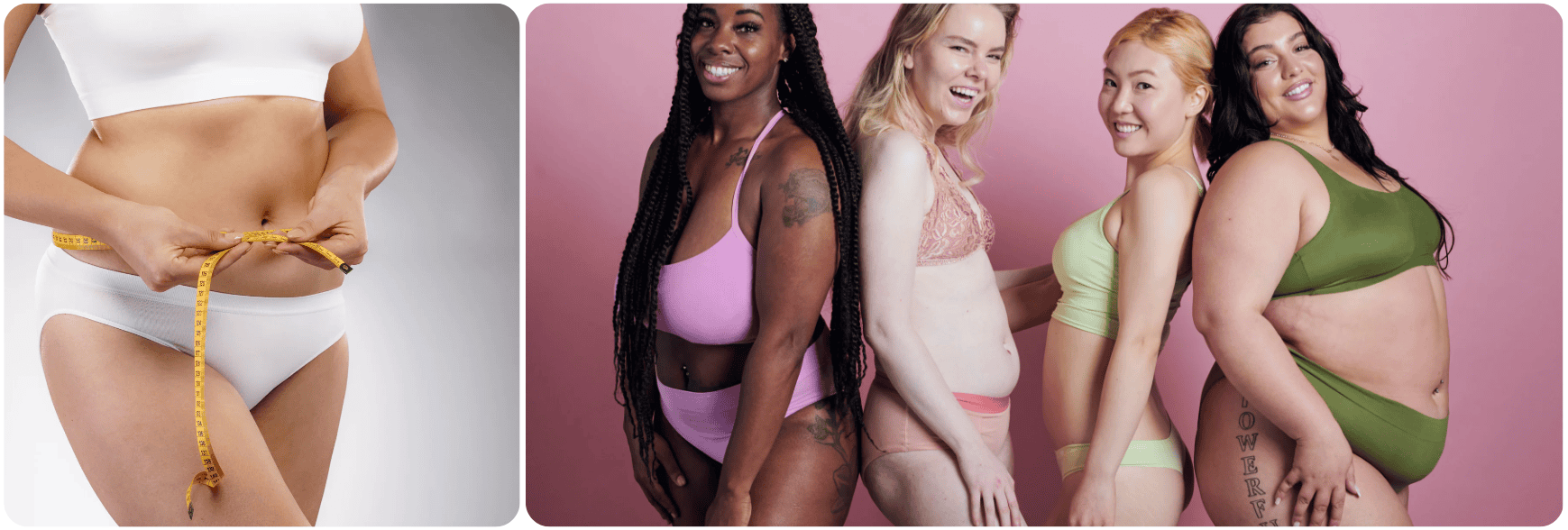
A body lift is a cosmetic surgical procedure designed to improve the contours of the body by removing excess skin and fat. This procedure is particularly beneficial for individuals who have experienced significant weight loss, resulting in loose skin and unwanted sagging. A body lift can target various areas of the body, including the abdomen, thighs, buttocks, and arms, depending on the specific needs of the patient.
A body lift is a cosmetic surgical procedure designed to improve the contours of the body by removing excess skin and fat.
During a body lift, the patient is typically placed under general anesthesia. The surgeon makes incisions at strategic locations to excise excess skin and fat tissue. After the removal of the surplus tissue, the skin is tightened and reattached, resulting in a firmer and more youthful appearance. The recovery process can take several weeks, and patients are often advised to wear compression garments to reduce swelling and promote healing.
In addition to the cosmetic benefits, a body lift can significantly enhance a person's self-confidence. The results of the procedure often include an improved body shape and a tighter silhouette, leading to a greater sense of well-being and satisfaction with one’s appearance. However, it is essential for patients to have realistic expectations and to discuss the procedure with an experienced plastic surgeon who can guide them through the process and inform them about potential risks and complications.
For individuals struggling with the effects of weight loss or those simply looking to enhance their body contours, a body lift can provide an effective solution. By opting for this procedure, patients have the opportunity to achieve a more contoured and self-assured physique.
Like any surgical procedure, a body lift carries potential risks. These may include infection, delayed wound healing, fluid buildup, or changes in skin sensation. Choosing an experienced surgeon and following post-operative instructions carefully can help reduce complications.
Temporary swelling and bruising are common and usually subside over time. More serious risks are rare but should always be discussed beforehand.
👉 Swelling and bruising
👉 Temporary numbness
👉 Scarring
👉 Risk of infection
Being informed allows patients to weigh benefits against risks. A thoughtful decision-making process is essential before committing to a body lift.
A body lift is a transformative cosmetic procedure designed to remove excess skin and fat, particularly after significant weight loss, to improve the overall shape and appearance of the body. Many individuals choose a body lift when they are left with loose, sagging skin that does not tighten on its own after losing a substantial amount of weight through diet, exercise, or weight loss surgery. This excess skin can be both physically uncomfortable and emotionally distressing, as it may interfere with daily activities and cause feelings of self-consciousness.
A body lift is a transformative cosmetic procedure designed to remove excess skin and fat, particularly after significant weight loss, to improve the overall shape and appearance of the body.
A body lift addresses the abdomen, thighs, buttocks, and flanks, offering a comprehensive solution to those struggling with skin laxity. The procedure not only removes excess skin but also helps to improve the body's contour by lifting and tightening the remaining skin, resulting in a smoother, firmer appearance. Individuals who undergo a body lift often experience enhanced body confidence and self-esteem as the procedure restores a more youthful and toned shape. Additionally, it can help eliminate discomfort associated with the excess skin, such as chafing, rashes, or irritation.
One common myth is that a body lift is only cosmetic. In reality, many people experience physical relief from skin irritation and movement restrictions after surgery. Another misconception is that recovery is quick and effortless, when in fact it requires commitment and patience.
Some also believe scars are always highly visible, but careful surgical planning often places them discreetly.
👉 Myth: It replaces weight loss
👉 Fact: It refines existing weight loss results
👉 Myth: Results are instant
👉 Fact: Healing takes months
Understanding these facts helps set realistic expectations when considering a body lift.
A body lift is a complex procedure that typically takes several hours and is performed under general anesthesia to ensure the patient is comfortable throughout the treatment. The surgeon begins by making strategic incisions along the lower torso, typically around the abdomen, back, and thighs. The exact placement and size of the incisions depend on the areas needing treatment, and the surgeon will aim to make the incisions as discreet as possible, often in places where they can be easily hidden by clothing.
A body lift is a complex procedure that typically takes several hours and is performed under general anesthesia to ensure the patient is comfortable throughout the treatment.
Once the incisions are made, the surgeon removes excess skin and fat from the targeted areas, using liposuction or excision techniques. After the skin is removed, the remaining skin is tightened and repositioned to create a firmer and more contoured shape. The surgeon may also reposition or lift the buttocks and thighs to ensure a balanced and proportionate appearance.
In some cases, a body lift may be performed in stages, particularly if extensive work is needed on multiple areas of the body. The surgery is customized based on the patient’s specific needs, and the goal is to create smooth, toned contours that complement the individual’s natural body shape. After the procedure, the incisions are closed with sutures, and the patient is typically advised to wear compression garments to support the healing process and minimize swelling.
An ideal candidate for a body lift is typically someone who has achieved significant weight loss and is left with loose or sagging skin that no longer responds to diet or exercise. This procedure is especially suitable for individuals whose weight has been stable for several months, as fluctuations can affect long-term outcomes. Good general health is important, since a body lift is a major body-contouring surgery that requires proper healing capacity. Non-smokers or those willing to stop smoking before surgery usually experience better recovery and skin quality.
People considering a body lift should also have realistic expectations and understand that scars are part of the process. Emotional readiness matters just as much as physical preparedness, because recovery takes time and patience.
👉 Individuals after massive weight loss
👉 People with excess skin around abdomen, thighs, or buttocks
👉 Those with stable body weight
👉 Patients in overall good physical health
It’s also helpful if candidates already maintain healthy habits, such as balanced nutrition and light physical activity. While a body lift can dramatically improve body contours, it works best as a finishing step after lifestyle changes rather than as a shortcut to weight loss.
In some cases, a body lift is combined with procedures like liposuction or arm and thigh tightening for more comprehensive contouring. This approach may reduce overall recovery time compared to staging surgeries separately, although it also increases surgical complexity.
Not everyone is a candidate for combination treatments, so individualized planning is essential. Discussing goals and medical history helps determine the safest approach.
When performed thoughtfully, combined procedures can enhance balance and proportion, allowing a body lift to deliver more harmonious full-body results.
A body lift offers a number of significant benefits, particularly for individuals who have experienced major weight loss or have concerns about skin sagging and loss of elasticity. One of the most noticeable advantages is the dramatic improvement in body contour. A body lift effectively removes excess skin and tightens the remaining tissue, helping to restore a more youthful, toned appearance. This can enhance the proportions of the body, giving a more sculpted and balanced shape.
The procedure also provides relief from physical discomfort caused by loose, sagging skin. Many individuals with excess skin experience issues such as chafing, rashes, or difficulty with mobility, all of which can be alleviated after a body lift. Additionally, by removing excess skin, the procedure can also reduce the risk of skin infections that may occur due to skin folds and friction.
Many individuals with excess skin experience issues such as chafing, rashes, or difficulty with mobility, all of which can be alleviated after a body lift.
Another important benefit of a body lift is the improvement in self-esteem and body confidence. Many people who have lost a significant amount of weight feel self-conscious about the excess skin, which can prevent them from fully enjoying their new body. A body lift can provide the final step in their transformation, allowing them to appreciate their hard work and feel more comfortable and confident in their appearance.
Furthermore, the results of a body lift are long-lasting. Once the excess skin is removed, it does not grow back, and the skin that remains is often firmer and more toned. As with any body-contouring procedure, maintaining a healthy lifestyle with regular exercise and a balanced diet will help preserve the results over time.
Lastly, a body lift can be combined with other procedures, such as liposuction, breast lifts, or facelifts, to achieve a more comprehensive rejuvenation of the body. Many patients choose to undergo additional treatments to enhance their results and achieve an overall enhanced appearance. Overall, a body lift offers a comprehensive solution for individuals looking to achieve a firmer, more toned body shape after significant weight loss.
The primary goal of a body lift is to create smoother, firmer body contours by removing excess skin and reshaping targeted areas. Most people notice a more defined waistline, lifted buttocks, and tighter skin across the lower torso. However, results are not instant, as swelling and bruising may temporarily mask improvements during early recovery.
Over time, the final outcome becomes more visible as the body heals and tissues settle. While a body lift can significantly enhance shape and proportion, it does not replace healthy living or prevent future aging-related skin changes.
👉 Improved overall body silhouette
👉 Reduced skin folds and sagging
👉 Better clothing fit
Scars are inevitable, but they usually fade gradually and are often placed where clothing can conceal them. Maintaining a stable weight and active lifestyle plays a major role in preserving your body lift results long term.
Preparing for a body lift involves both physical and practical planning. Most surgeons recommend medical clearance, blood tests, and sometimes imaging before surgery. You may also be advised to adjust certain medications or supplements that could increase bleeding risk.
Equally important is preparing your home environment for recovery. Since mobility will be limited at first, having essentials within reach can make a big difference.
👉 Arrange help for daily tasks
👉 Prepare loose, comfortable clothing
👉 Stock up on healthy meals and fluids
👉 Follow all pre-operative instructions carefully
Stopping smoking well in advance is crucial, as nicotine negatively affects circulation and wound healing. Proper preparation supports safer surgery and smoother recovery after a body lift.
Recovery after a body lift happens gradually and varies per individual. The first few days usually involve swelling, tightness, and discomfort, which are managed with prescribed pain medication. Compression garments are commonly worn to reduce swelling and support newly contoured areas.
During the first weeks, light walking is encouraged to promote circulation, but strenuous activity must be avoided. Follow-up appointments help monitor healing and remove drains or stitches if necessary.
👉 Week 1: rest and limited movement
👉 Weeks 2–3: gradual increase in daily activity
👉 Weeks 4–6: swelling continues to decrease
Most people can return to desk work within a few weeks, while full physical activity often requires six to eight weeks. Patience is essential, as the body needs time to adapt after a body lift.
Many people have practical questions before choosing a body lift, especially regarding downtime, scarring, and long-term results. One common concern is whether the procedure is permanent. While removed skin does not return, natural aging and weight changes can influence future appearance.
Another frequent topic is pain management. Discomfort is expected but typically manageable with medication and proper aftercare.
👉 How long is recovery?
👉 Will scars be visible?
👉 Can procedures be combined?
Understanding these basics helps set realistic expectations. Gathering reliable information is an important step when exploring a body lift as part of your body-contouring journey.
Before a body lift, the body often shows significant skin laxity, especially around the midsection and thighs. After surgery, most patients notice a more streamlined appearance and better body proportions. However, final results evolve over several months as swelling resolves.
It’s important to understand that perfection is not the goal. Instead, a body lift aims to create natural-looking improvement rather than flawless symmetry.
Photographic comparisons are commonly used to track progress, but personal comfort and confidence are equally meaningful measures of success.
Proper aftercare plays a major role in preserving body lift results. Wearing compression garments as directed helps control swelling and supports healing tissues. Staying hydrated and eating protein-rich meals also contributes to tissue repair.
Gentle movement improves circulation, while adequate rest allows the body to recover efficiently.
👉 Follow wound-care instructions
👉 Avoid heavy lifting
👉 Attend all follow-up visits
👉 Maintain a balanced diet
Long-term success depends on healthy habits. Stable weight and regular low-impact exercise help maintain the contours achieved through a body lift.
Results from a body lift are considered long-lasting, especially when combined with a consistent lifestyle. Removed skin does not grow back, but remaining tissues will still age naturally. Significant weight changes can affect outcomes, so maintaining your post-surgery weight is key.
Results from a body lift are considered long-lasting, especially when combined with a consistent lifestyle.
Most patients enjoy visible improvements for many years. While gravity and aging continue, the body typically retains a more contoured shape compared to pre-surgery appearance.
Healthy routines support durability and help protect your body lift investment over time.
Lifestyle habits directly affect how well your body responds to a body lift. Smoking, poor nutrition, and inactivity can slow healing and impact skin quality. On the other hand, balanced meals and gentle activity support circulation and tissue recovery.
Long after surgery, daily choices continue to shape results. Maintaining muscle tone and healthy body composition helps preserve contours achieved through a body lift.
Consistency matters more than perfection, and small habits add up over time.
During your consultation, you will discuss your wishes, medical history, and expectations with the doctor. The doctor will examine you, take measurements if necessary, and explain which treatment suits you best, including risks and recovery. You will have the opportunity to ask questions and then receive a clear treatment proposal.
Make sure you have all relevant medical information ready, such as previous treatments, allergies, or medical conditions. This allows the doctor to give you better advice.
Payment is made securely via SurgeryBooking. You pay the amount in advance to SurgeryBooking. We hold the funds and transfer them to the clinic after your treatment. Cancellation or change conditions vary per clinic and are clearly communicated in advance.
During the consultation (online or at the clinic), the doctor will assess this based on your health, expectations, and physical characteristics. You will discuss what you want, what is possible, and what the limitations are. Sometimes there are alternatives if the chosen treatment is not ideal.
Through SurgeryBooking.com, you can quickly and easily book a consultation or procedure with doctors and clinics worldwide. SurgeryBooking.com provides an overview of doctors and clinics, allowing you to make an informed and transparent choice when booking a consultation or procedure.
You can easily book through the profile of the desired clinic or doctor. Select the desired treatment, enter your details, and choose an available date and time. If there are any costs involved, you will complete the payment first. Afterwards, you will receive a confirmation email with all the details.
Yes, during the booking process, you can indicate whether you prefer an online consultation or an in-person consultation at the clinic.
With SurgeryBooking.com, you gain access to a global network of doctors and clinics. Through SurgeryBooking.com, you can easily book a consultation or a cosmetic procedure directly. Clinic profiles provide information about available cosmetic procedures, reviews, photos of the clinic, and other relevant details. This enables you to compare costs and make an informed decision when booking a consultation or procedure.