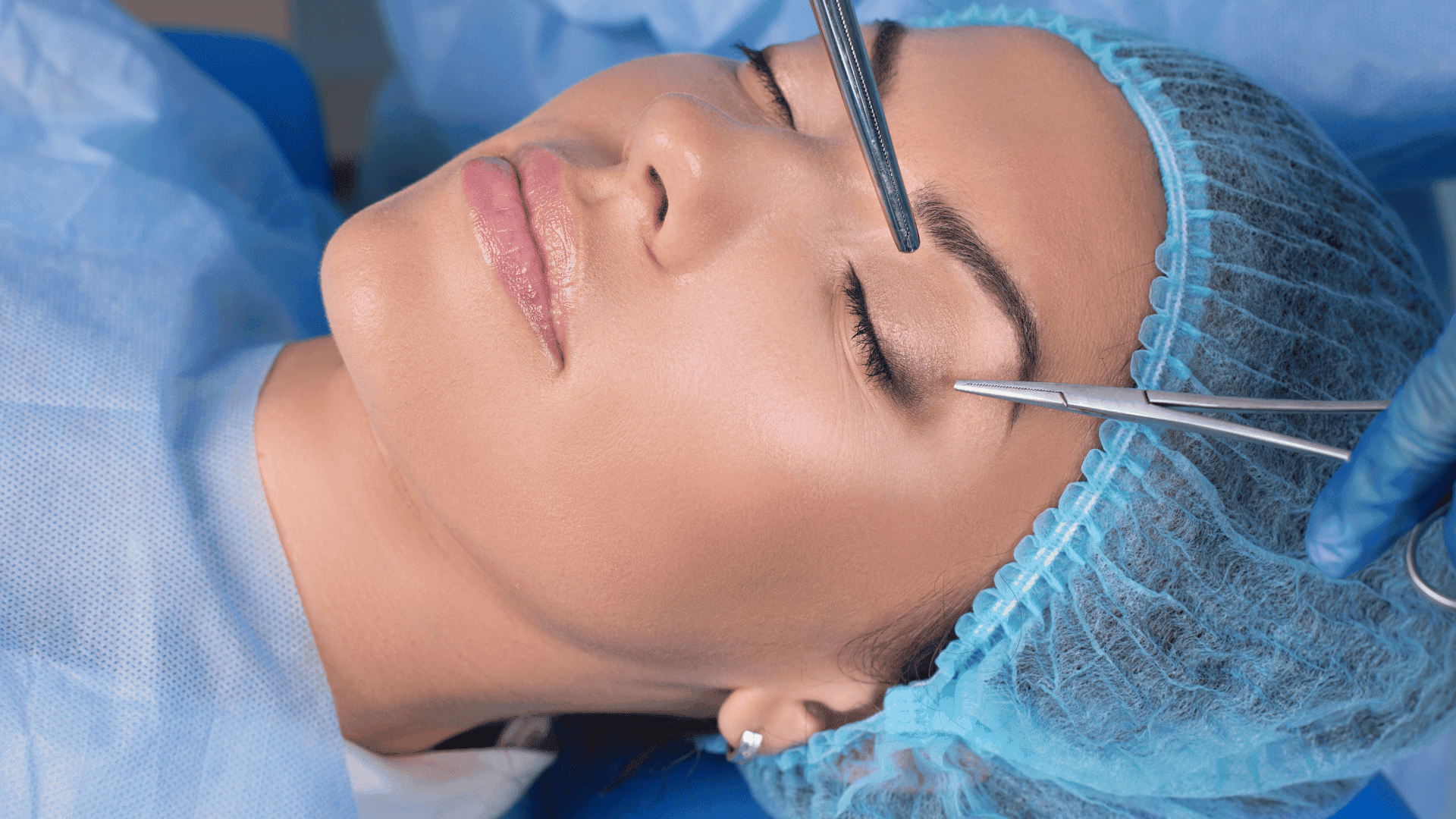
Blepharoplasty, commonly known as eyelid surgery, is a surgical procedure designed to improve the appearance of the eyelids. This surgery can be performed on both the upper and lower eyelids, with the aim of removing excess skin, fat, and muscle tissue. The procedure helps create a more youthful and alert appearance by tightening the eyelid area.
Over time, factors such as aging, genetics, and environmental influences can cause the eyelids to sag, leading to a tired or even sad look. Blepharoplasty addresses these issues by removing excess tissue and restoring the eyelids to a more youthful position.
Blepharoplasty, commonly known as eyelid surgery, is a surgical procedure designed to improve the appearance of the eyelids.
The surgery typically lasts between one to three hours and can be performed under local or general anesthesia, depending on the patient's preference and the extent of the procedure. After the surgery, patients often experience some swelling and bruising, but these effects usually subside within a few weeks. Recovery time varies from person to person, ranging from a few days to several weeks.
People choose to undergo blepharoplasty for various reasons. Some seek the surgery for aesthetic improvements, while others may have functional concerns, such as restricted vision due to drooping eyelids. It is essential to have a thorough consultation with an experienced plastic surgeon to discuss expectations and potential outcomes.
A blepharoplasty can lead to significant changes in a person's appearance and self-confidence. However, it is crucial to be well-informed about the procedure, its risks, and the recovery process before deciding to undergo this surgery.
Blepharoplasty for the eyes, often referred to as eyelid surgery, is a popular cosmetic procedure designed to enhance the appearance of the upper and/or lower eyelids. As people age, the skin around the eyes loses its elasticity, which can lead to sagging eyelids, puffiness, and the development of under-eye bags. These changes can make a person appear older, tired, or less alert, and in some cases, may even impair vision. Blepharoplasty is an effective solution to address these concerns, offering both cosmetic and functional benefits.
Blepharoplasty for the eyes, often referred to as eyelid surgery, is a popular cosmetic procedure designed to enhance the appearance of the upper and/or lower eyelids.
The primary reason individuals opt for blepharoplasty is to restore a more youthful and refreshed appearance to the eyes. The procedure removes excess skin, fat, and muscle from the eyelids, which tightens the area and smooths out any sagging or puffiness. This can dramatically improve the appearance of the eyes by creating a more open, rejuvenated look. Many people also choose blepharoplasty to enhance their overall facial aesthetic, as the eyes are a key focal point of the face. For individuals with drooping upper eyelids or under-eye bags, blepharoplasty can have a profound effect on self-esteem and confidence, helping them feel more youthful and vibrant.
Additionally, blepharoplasty can offer functional benefits for those whose vision is obstructed by drooping eyelids. As the skin around the eyes weakens over time, the upper eyelids may hang lower, restricting the field of vision. By lifting the eyelids and removing excess tissue, blepharoplasty can improve peripheral vision, allowing individuals to see more clearly and comfortably.
There are several techniques used in blepharoplasty, each tailored to address specific eyelid concerns. Choosing the right technique ensures natural-looking results and minimal scarring.
👉 Upper eyelid blepharoplasty: Removes excess skin and fat to lift sagging upper lids.
👉 Lower eyelid blepharoplasty: Focuses on puffiness or under-eye bags, often using a transconjunctival approach.
👉 Laser-assisted blepharoplasty: Uses a laser for precision, less bleeding, and potentially faster healing.
👉 Fat repositioning: Instead of removing fat, it can be repositioned to smooth hollows under the eyes.
👉 Combination procedures: Addresses both upper and lower eyelids in one session for balanced results.
Each method has specific advantages, and the choice depends on the patient’s anatomy, goals, and surgeon’s recommendation.
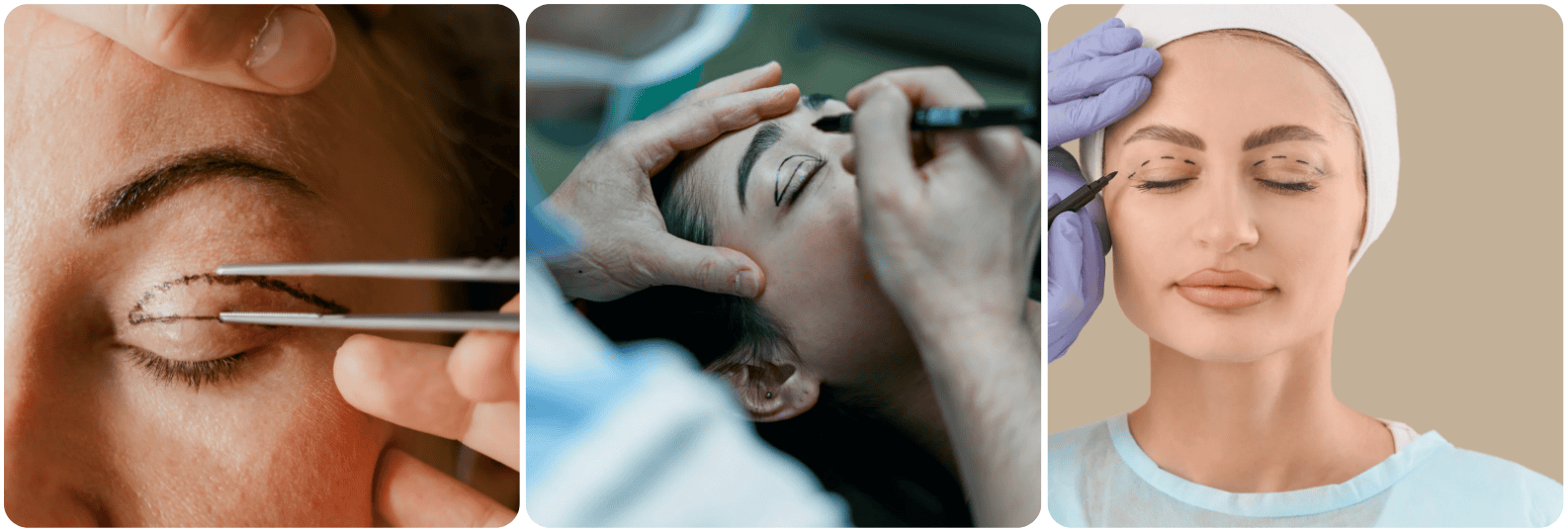
Blepharoplasty is typically performed as an outpatient procedure under local anesthesia with sedation or general anesthesia, depending on the extent of the surgery. The procedure begins with the surgeon marking the areas of the eyelids to be treated. The incisions are strategically placed along the natural folds of the eyelids, such as the upper eyelid crease or along the lower lash line, to ensure that scars are discreet and hidden in the natural contours of the eye area.
For the upper eyelids, the surgeon removes excess skin and, if necessary, fat or muscle. This tightens the eyelid and restores a more youthful appearance. If the patient is experiencing vision issues due to sagging upper eyelids, the surgeon may also tighten the underlying muscle to improve eyelid function and restore a clearer field of vision.
Blepharoplasty is typically performed as an outpatient procedure under local anesthesia with sedation or general anesthesia, depending on the extent of the surgery.
For the lower eyelids, the procedure typically involves removing or repositioning fat that causes puffiness or under-eye bags. If there is excess skin, the surgeon may also trim it to smooth the lower eyelid area. In some cases, a transconjunctival approach (inside the eyelid) is used, which avoids external scarring and is particularly beneficial for patients who have fat deposits but minimal skin sagging.
The entire procedure usually takes one to two hours, depending on whether both upper and lower eyelids are being treated. Afterward, the incisions are closed with fine sutures, and the patient is monitored during recovery. While the patient may go home the same day, they will be provided with post-operative care instructions to ensure a smooth recovery process.
The cost of eyelid surgery can vary depending on multiple factors. It is essential for patients to understand what contributes to the overall price.
👉 Surgeon’s experience and reputation: Highly experienced surgeons may charge more.
👉 Geographic location: Costs differ based on city, country, and clinic facilities.
👉 Extent of surgery: Upper, lower, or combined blepharoplasty affects pricing.
👉 Anesthesia type: General anesthesia tends to increase the overall cost compared to local anesthesia.
👉 Clinic amenities: State-of-the-art clinics with advanced technology may have higher fees.
👉 Follow-up care: Some clinics include post-operative visits in the cost, while others charge separately.
Patients should prioritize quality and safety over cost, as skilled surgical care is crucial for optimal results.
Blepharoplasty for the eyes offers several key benefits, making it a highly effective solution for individuals looking to enhance their eye area and overall appearance. One of the primary benefits is the improvement in facial aesthetics. By removing excess skin, fat, and tissue from the eyelids, blepharoplasty creates a smoother, more youthful appearance. The procedure helps eliminate drooping eyelids, under-eye bags, and puffiness, which can make individuals look older and fatigued. As a result, blepharoplasty can dramatically rejuvenate the eyes, giving the face a refreshed, brighter, and more alert appearance.
Another major benefit of blepharoplasty is its ability to improve vision, particularly for individuals with severely sagging upper eyelids. In cases where the upper eyelids droop enough to obstruct the field of vision, blepharoplasty can lift the eyelids and remove excess tissue, restoring a clearer line of sight. This functional benefit is especially important for individuals who have difficulty seeing due to the excess skin covering their eyes.
Blepharoplasty for the eyes offers several key benefits, making it a highly effective solution for individuals looking to enhance their eye area and overall appearance.
Additionally, blepharoplasty provides long-lasting results. While the natural aging process will continue, the removal of excess skin and fat around the eyes is permanent, meaning that the results of the procedure can last for many years. Patients often enjoy a rejuvenated, more youthful appearance for an extended period, and the procedure can be maintained with healthy lifestyle choices.
The recovery time for blepharoplasty is relatively short, with most patients experiencing only mild swelling and bruising in the days following the procedure. Most individuals can return to light activities within one to two weeks, and the majority of swelling and bruising subsides within a few weeks. The use of fine sutures and strategic incision placement ensures that scarring is minimal and typically hidden in the natural folds of the eyelids.
Lastly, blepharoplasty enhances self-confidence and body image. Many individuals feel self-conscious about their appearance when they have sagging eyelids or under-eye bags, and the procedure can help them feel more youthful and refreshed. The improvement in the appearance of the eyes can have a significant impact on an individual’s overall facial expression, making them look more energetic, awake, and approachable. For many patients, this boost in confidence extends beyond just physical appearance, helping them feel more positive and empowered.
While blepharoplasty is generally safe, like any surgical procedure, it carries potential risks. Being informed and prepared can help minimize complications.
👉 Infection: Proper wound care and hygiene reduce the risk of infection.
👉 Excessive bleeding: Avoiding blood-thinning medications before surgery is essential.
👉 Dry eyes or irritation: Lubricating eye drops can help alleviate temporary dryness.
👉 Scarring: Incisions placed in natural eyelid folds usually heal with minimal visibility.
👉 Asymmetry: Choosing a skilled surgeon reduces the likelihood of uneven eyelids.
👉 Temporary vision changes: These may occur but usually resolve within days.
Careful planning, realistic expectations, and following post-operative instructions significantly lower the likelihood of these issues.
After undergoing blepharoplasty, proper post-operative care is essential to ensure smooth healing and optimal results. Swelling and bruising are common during the first few days, but several steps can help reduce discomfort and promote faster recovery. Patients are often advised to keep their head elevated while resting to minimize swelling around the eyes. Cold compresses can be applied intermittently to the eyelids to reduce puffiness and soothe tenderness.
Gentle cleaning of the incision sites is crucial to prevent infection and ensure proper wound healing. Over-the-counter pain relief may be recommended by the surgeon, but medications like aspirin should be avoided as they can increase the risk of bleeding. Avoiding strenuous activities, heavy lifting, and bending over is also important in the first two weeks. Patients should follow all instructions provided by their surgeon and attend scheduled follow-up appointments to monitor healing and remove any sutures if necessary.
Selecting an experienced and qualified surgeon is one of the most important factors in achieving successful eyelid surgery results. A board-certified plastic surgeon or oculoplastic specialist has the training and expertise required to handle both cosmetic and functional concerns. Researching before committing to surgery can save patients from potential complications and dissatisfaction. It is helpful to review before-and-after photos of previous blepharoplasty patients. Patients should also ask about the surgeon’s experience with upper, lower, and combined eyelid procedures.
Scheduling a consultation allows individuals to discuss their goals, expectations, and medical history. During the consultation, the surgeon will explain the procedure, potential risks, and recovery process in detail. A skilled surgeon can provide realistic expectations and recommend the best approach for each patient’s unique anatomy.
For those who are not ready for surgery, several non-surgical eyelid treatments can temporarily improve the appearance of the eye area.
👉 Botox: Can lift the brow slightly, reducing upper eyelid sagging.
👉 Dermal fillers: Address hollows under the eyes and reduce the appearance of under-eye bags.
👉 Laser skin resurfacing: Improves skin texture and tightness around the eyelids.
👉 Chemical peels: Can smooth fine lines and mild wrinkles on the eyelids.
👉 Radiofrequency treatments: Stimulate collagen production for firmer skin.
While these options can offer visible improvements, they do not remove excess skin or fat like traditional blepharoplasty, and results are temporary.
Proper preparation can make a significant difference in the eyelid surgery experience and recovery. Patients should start by following all pre-operative instructions provided by their surgeon. This may include stopping certain medications, avoiding smoking, and refraining from alcohol consumption. Arranging transportation to and from the clinic is important, as patients should not drive immediately after surgery. It is also helpful to prepare a comfortable recovery space at home with pillows to keep the head elevated. Stocking up on ice packs, eye ointments, and over-the-counter pain relief ensures patients have what they need during the first few days. Patients should wear loose, comfortable clothing on the day of surgery to avoid any discomfort. Adequate sleep and hydration before the procedure can also support a smoother recovery.
The placement of incisions is critical in blepharoplasty, as it affects both healing and final appearance. Upper eyelid incisions are typically made within the natural eyelid crease, hiding scars effectively. Lower eyelid incisions can be placed just below the lash line or inside the eyelid using a transconjunctival technique. Proper incision placement ensures minimal visibility and maintains the natural contour of the eyelid. Surgeons carefully plan these incisions based on the amount of skin and fat to be removed. Fine sutures are used to close the wounds, promoting quicker healing and reduced scarring. This attention to detail helps patients achieve subtle, natural-looking results that enhance their overall facial aesthetics.
Many patients choose to combine eyelid surgery with other facial treatments to achieve comprehensive rejuvenation. Combining procedures can reduce overall recovery time and enhance results.
👉 Facelift: Lifts sagging skin and tightens the lower face while rejuvenating the eyes.
👉 Brow lift: Raises drooping eyebrows and complements upper eyelid surgery.
👉 Laser resurfacing: Improves skin texture and fine lines around the eyes and face.
👉 Dermal fillers: Adds volume to hollow areas and balances facial proportions.
👉 Neck lift: Addresses sagging skin in the neck area for overall harmony.
A thorough consultation with a surgeon ensures that combining procedures is safe and that the results are well-proportioned and natural-looking.
Maintaining results after blepharoplasty involves both lifestyle choices and regular check-ups. Sun protection is crucial, as UV exposure can damage delicate eyelid skin and accelerate aging. Using high-quality moisturizers and eye creams helps keep the eyelids supple and hydrated. Avoiding smoking and excessive alcohol consumption supports skin health and healing.
Healthy diet and exercise routines also contribute to longer-lasting results. Attending follow-up appointments allows the surgeon to monitor healing and address any concerns promptly. While blepharoplasty provides long-term improvement, some minor changes may occur over time due to natural aging. Patients who adopt a consistent skincare routine and healthy habits often enjoy youthful, refreshed eyes for many years.
During your consultation, you will discuss your wishes, medical history, and expectations with the doctor. The doctor will examine you, take measurements if necessary, and explain which treatment suits you best, including risks and recovery. You will have the opportunity to ask questions and then receive a clear treatment proposal.
Make sure you have all relevant medical information ready, such as previous treatments, allergies, or medical conditions. This allows the doctor to give you better advice.
Payment is made securely via SurgeryBooking. You pay the amount in advance to SurgeryBooking. We hold the funds and transfer them to the clinic after your treatment. Cancellation or change conditions vary per clinic and are clearly communicated in advance.
During the consultation (online or at the clinic), the doctor will assess this based on your health, expectations, and physical characteristics. You will discuss what you want, what is possible, and what the limitations are. Sometimes there are alternatives if the chosen treatment is not ideal.
Through SurgeryBooking.com, you can quickly and easily book a consultation or procedure with doctors and clinics worldwide. SurgeryBooking.com provides an overview of doctors and clinics, allowing you to make an informed and transparent choice when booking a consultation or procedure.
You can easily book through the profile of the desired clinic or doctor. Select the desired treatment, enter your details, and choose an available date and time. If there are any costs involved, you will complete the payment first. Afterwards, you will receive a confirmation email with all the details.
Yes, during the booking process, you can indicate whether you prefer an online consultation or an in-person consultation at the clinic.
With SurgeryBooking.com, you gain access to a global network of doctors and clinics. Through SurgeryBooking.com, you can easily book a consultation or a cosmetic procedure directly. Clinic profiles provide information about available cosmetic procedures, reviews, photos of the clinic, and other relevant details. This enables you to compare costs and make an informed decision when booking a consultation or procedure.