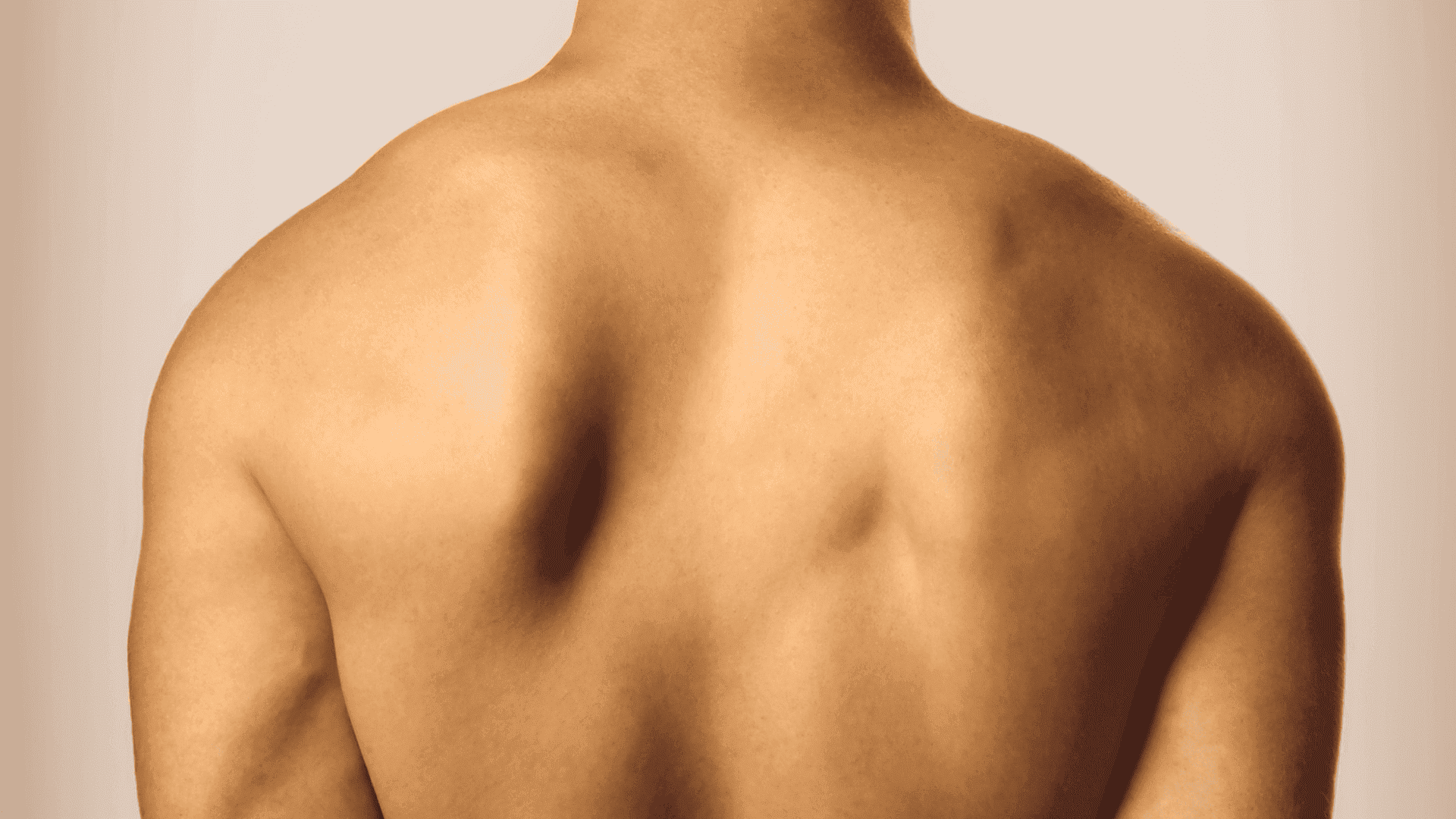
A back lift is a cosmetic surgical procedure designed to improve the contours and firmness of the back by removing excess skin and fat. This surgery is commonly performed on individuals who experience loose, sagging skin on their back, often as a result of significant weight loss or the natural aging process. When a person loses a considerable amount of weight, whether through bariatric surgery or a weight-loss program, the skin can lose its elasticity and may not conform to the body’s new shape. This leads to excess skin that can be not only aesthetically displeasing but also cause physical discomfort, such as chafing or irritation in skin folds.
The back lift procedure typically begins with a consultation where the surgeon evaluates the condition of the patient’s skin and discusses their goals. During the surgery, the surgeon makes incisions in targeted areas, often along the upper or lower back, depending on where the excess tissue is most pronounced. Through these incisions, the surgeon removes the excess fat and skin. The remaining skin is then tightened and sutured, creating a smoother, firmer appearance on the back. In some cases, a back lift may be combined with other lift procedures, such as a tummy tuck or arm lift, to enhance overall body contouring results.
The recovery process after a back lift varies for each patient, but it typically takes several weeks for full healing. During this period, patients are advised to avoid strenuous physical activities, especially those that put strain on the back muscles. Some temporary side effects, such as swelling, bruising, and discomfort, are common after surgery, but these symptoms generally subside over time. The final outcome of a back lift is a tighter, more youthful-looking back, which can lead to improved self-confidence and greater comfort in clothing that may have previously been ill-fitting or uncomfortable.
While a back lift is primarily performed for aesthetic reasons, it can also provide functional benefits, such as reducing skin irritation and improving mobility. Like any surgical procedure, a back lift carries some risks, including infection, scarring, or asymmetry in the results, but these risks can often be minimized by choosing a skilled plastic surgeon and following proper post-operative care. Overall, a back lift can have a significant impact on a patient’s appearance and well-being, especially for those struggling with excess skin due to weight loss or aging.
A back lift is a transformative surgical procedure designed to remove excess skin and fat from the back, improving its contour and creating a smoother, more toned appearance. Many individuals choose a back lift to address concerns such as sagging skin or bulges caused by significant weight loss, aging, or genetics. For those who have achieved substantial weight loss, the back lift can be a final step in their body transformation, helping to eliminate loose, hanging skin that diet and exercise alone cannot fix.
One of the main reasons people opt for a back lift is its ability to target areas that are notoriously difficult to improve through non-surgical methods. The upper back, often referred to as the "bra roll" area in women, and the mid-to-lower back are common problem areas that can be addressed with this procedure. A back lift not only removes unwanted fat but also tightens the skin, creating a more sculpted and youthful profile. This improvement can enhance confidence and allow individuals to feel more comfortable in fitted clothing and swimwear.
The procedure is also appealing because it delivers long-lasting results. By removing excess skin and fat, a back lift offers permanent changes to the back’s appearance, provided the patient maintains a stable weight and a healthy lifestyle. For many, the dramatic and immediate improvement in the shape and tone of the back makes this surgery a worthwhile choice.
A back lift is performed under general anesthesia and typically takes two to four hours, depending on the extent of the procedure and the areas being treated. The surgeon begins by marking the treatment area to ensure precise removal of excess skin and fat. Once the patient is under anesthesia, an incision is made along the target area, often positioned strategically to minimize visible scarring. For the upper back, the incision is usually placed across the shoulder blades or along the bra line, allowing the resulting scar to be concealed under clothing. For the lower back, the incision is typically made near the waistline.
Excess skin and fat are carefully removed, and the remaining skin is tightened and repositioned to create a smoother, more contoured appearance. If necessary, liposuction may be used in conjunction with the procedure to further sculpt the area and remove stubborn fat deposits. The surgeon ensures that the incisions are closed with precision to reduce scarring, using sutures or surgical adhesives.
After the procedure is completed, the treated area is bandaged, and the patient may be given a compression garment to reduce swelling and support the healing process. Recovery typically involves a few weeks of rest and limited physical activity, with most patients resuming light activities within 7–10 days. While there may be some swelling, bruising, and discomfort during the recovery period, these symptoms generally subside within a few weeks, and patients can enjoy the full results of their back lift as the swelling diminishes and the skin settles into its new position.
The back lift offers numerous benefits for individuals seeking to improve the appearance of their back. One of the primary advantages is the dramatic enhancement in body contour, as the procedure effectively removes excess skin and fat, resulting in a more toned and sculpted appearance. This can significantly improve the back’s silhouette, especially in areas like the upper back, where "bra rolls" or sagging skin can be particularly frustrating. The smoother and firmer contours achieved through a back lift can enhance the overall harmony of the body, making clothes fit better and boosting self-confidence.
Another key benefit of the back lift is the ability to address issues caused by significant weight loss. After losing a substantial amount of weight, many individuals are left with loose, hanging skin that can feel uncomfortable and be a source of embarrassment. A back lift not only removes this excess skin but also tightens the remaining skin, allowing patients to fully embrace and enjoy the results of their weight-loss journey.
The procedure also offers long-term results. Unlike non-surgical treatments that may require ongoing maintenance, a back lift provides permanent improvement by removing unwanted skin and fat. While natural aging may affect skin elasticity over time, the results of a back lift are generally long-lasting, especially if the patient maintains a stable weight and follows a healthy lifestyle.
For many patients, the psychological benefits of a back lift are just as significant as the physical improvements. Eliminating sagging skin and reshaping the back can restore confidence and make individuals feel more comfortable in their own skin. The ability to wear form-fitting clothing, swimsuits, or open-back dresses without concern about bulges or loose skin can have a profound impact on self-esteem and quality of life.
Lastly, a back lift is a customizable procedure that can be tailored to meet the specific needs of each patient. Whether targeting the upper back, lower back, or both, the surgeon can adjust the treatment plan to achieve the patient’s desired outcome. This level of personalization ensures that each individual receives the best possible results, making the back lift a highly effective solution for those seeking a more sculpted and youthful-looking back.
Loose skin on the back often develops after significant weight loss or as a natural result of aging. When the skin is stretched for a long period, its elasticity may not fully recover, even after fat volume decreases. This can lead to folds or sagging areas that remain despite a healthy lifestyle.
A back lift focuses on correcting this issue by removing redundant skin and reshaping the underlying contours. Rather than targeting weight loss, the procedure addresses the structural changes that occur in the skin itself. This distinction is important for understanding what a back lift can realistically achieve.
The back is not a single uniform area, and excess skin can appear in different zones. Some people experience sagging in the upper back near the bra line, while others notice looseness in the mid or lower back. Each pattern requires a slightly different surgical approach.
👉 Upper back or bra-line folds
👉 Mid-back skin laxity
👉 Lower back overhang near the waistline
👉 Combination of multiple back areas
A back lift can be adapted to target one or more of these zones, depending on individual anatomy and goals.
People who have undergone major weight loss often find that their back does not reflect their new body shape. Excess skin may cause friction, irritation, or difficulty finding well-fitting clothing. This can feel frustrating after the effort invested in weight reduction.
A back lift is sometimes considered a finishing step in a weight-loss journey. By removing loose skin, the procedure allows the underlying body contours to become more visible, helping the back align aesthetically with the rest of the body.
While often described as cosmetic, a back lift can also offer functional improvements. Skin folds may trap moisture, leading to irritation, rashes, or discomfort during movement. These issues can affect daily comfort.
By smoothing the back surface, a back lift may reduce chafing and improve ease of movement. These practical benefits are especially relevant for individuals with extensive excess skin.
Non-surgical skin tightening methods may offer mild improvement for minimal laxity, but they are not effective for significant excess skin. Once skin elasticity is lost, energy-based treatments cannot remove hanging tissue.
A back lift directly removes excess skin, making it suitable for more advanced cases. Understanding this difference helps clarify why surgery is sometimes the only effective option.
Incision placement is a key aspect of back lift planning. Surgeons typically position incisions where scars can be concealed by clothing or natural contours. The exact location depends on the area being treated.
Although scars are permanent, they usually fade over time. A back lift prioritizes contour improvement, with scarring considered a trade-off for smoother, firmer skin.
Healing after a back lift occurs gradually. Swelling and tightness are common in the early stages, and activity restrictions are usually recommended to protect the surgical area.
👉 Initial swelling and bruising are expected
👉 Compression garments may be used
👉 Strenuous activity is limited temporarily
👉 Final results appear as swelling subsides
Following recovery guidance supports optimal results after a back lift.
A back lift is sometimes performed alongside other body contouring surgeries, particularly after weight loss. Combining procedures can address multiple areas in a single treatment plan.
Common combinations may include arm lifts or tummy tucks. A back lift performed as part of a broader approach can help create balanced, harmonious body contours.
Once excess skin is removed, results from a back lift are generally long-lasting. However, significant weight fluctuations or natural aging can still affect skin quality over time.
Maintaining a stable weight helps preserve back lift results. While the procedure cannot stop aging, it can significantly reset the back’s appearance.
Loose back skin often affects how clothing fits, especially fitted tops or dresses. Many people feel limited in their clothing choices due to visible folds or bulges.
After a back lift, clothing often sits more smoothly across the back. This change can improve comfort and confidence in everyday wear.
Body areas that are difficult to see, like the back, can still influence self-image. Feeling uncomfortable in mirrors or photographs may affect confidence over time.
For many individuals, a back lift offers reassurance and closure after long-term dissatisfaction with excess skin. The psychological benefit can be as meaningful as the physical change.
A back lift improves contour and firmness, but it does not create perfection. Natural asymmetries and scars are part of the outcome. Understanding these factors helps align expectations with reality.
Approaching a back lift with clear goals and realistic understanding supports long-term satisfaction. The procedure is about refinement, comfort, and proportion rather than dramatic transformation.
During your consultation, you will discuss your wishes, medical history, and expectations with the doctor. The doctor will examine you, take measurements if necessary, and explain which treatment suits you best, including risks and recovery. You will have the opportunity to ask questions and then receive a clear treatment proposal.
Make sure you have all relevant medical information ready, such as previous treatments, allergies, or medical conditions. This allows the doctor to give you better advice.
Payment is made securely via SurgeryBooking. You pay the amount in advance to SurgeryBooking. We hold the funds and transfer them to the clinic after your treatment. Cancellation or change conditions vary per clinic and are clearly communicated in advance.
During the consultation (online or at the clinic), the doctor will assess this based on your health, expectations, and physical characteristics. You will discuss what you want, what is possible, and what the limitations are. Sometimes there are alternatives if the chosen treatment is not ideal.
Through SurgeryBooking.com, you can quickly and easily book a consultation or procedure with doctors and clinics worldwide. SurgeryBooking.com provides an overview of doctors and clinics, allowing you to make an informed and transparent choice when booking a consultation or procedure.
You can easily book through the profile of the desired clinic or doctor. Select the desired treatment, enter your details, and choose an available date and time. If there are any costs involved, you will complete the payment first. Afterwards, you will receive a confirmation email with all the details.
Yes, during the booking process, you can indicate whether you prefer an online consultation or an in-person consultation at the clinic.
With SurgeryBooking.com, you gain access to a global network of doctors and clinics. Through SurgeryBooking.com, you can easily book a consultation or a cosmetic procedure directly. Clinic profiles provide information about available cosmetic procedures, reviews, photos of the clinic, and other relevant details. This enables you to compare costs and make an informed decision when booking a consultation or procedure.