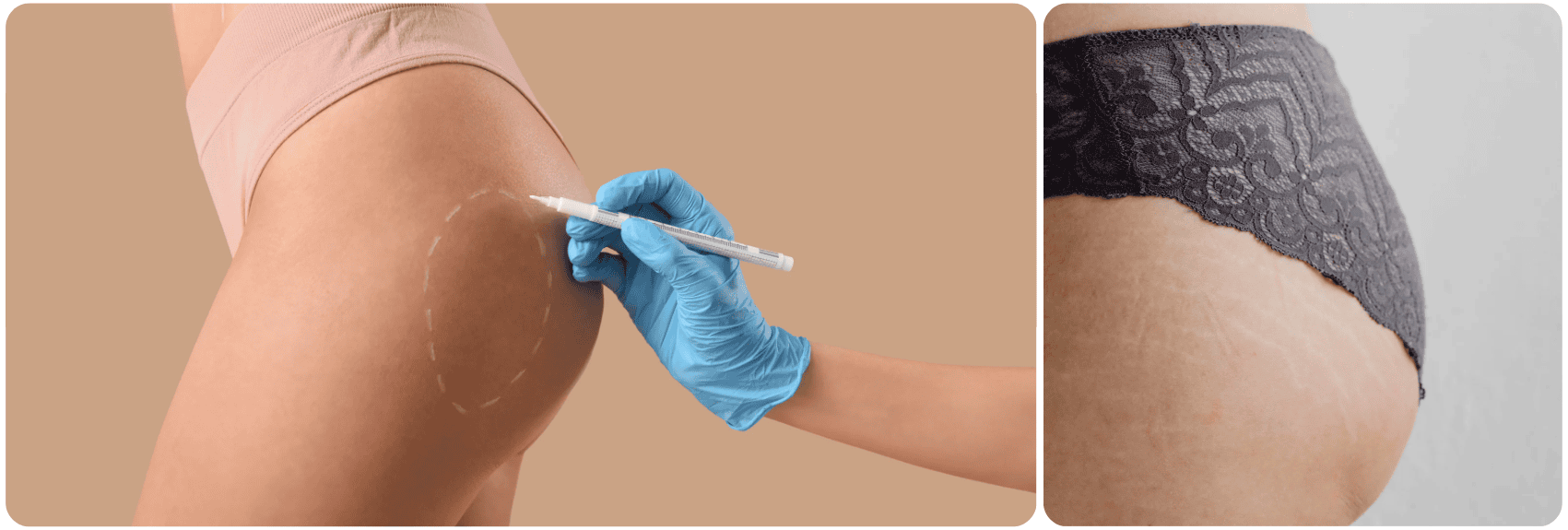
Autologous fat injection, commonly referred to as fat grafting, is a cosmetic procedure that involves harvesting fat from one part of a patient’s body and reintroducing it into another area. The primary purpose of this treatment is to add volume to regions that require enhancement, such as the face, breasts, or buttocks, while achieving a more natural appearance compared to synthetic fillers.
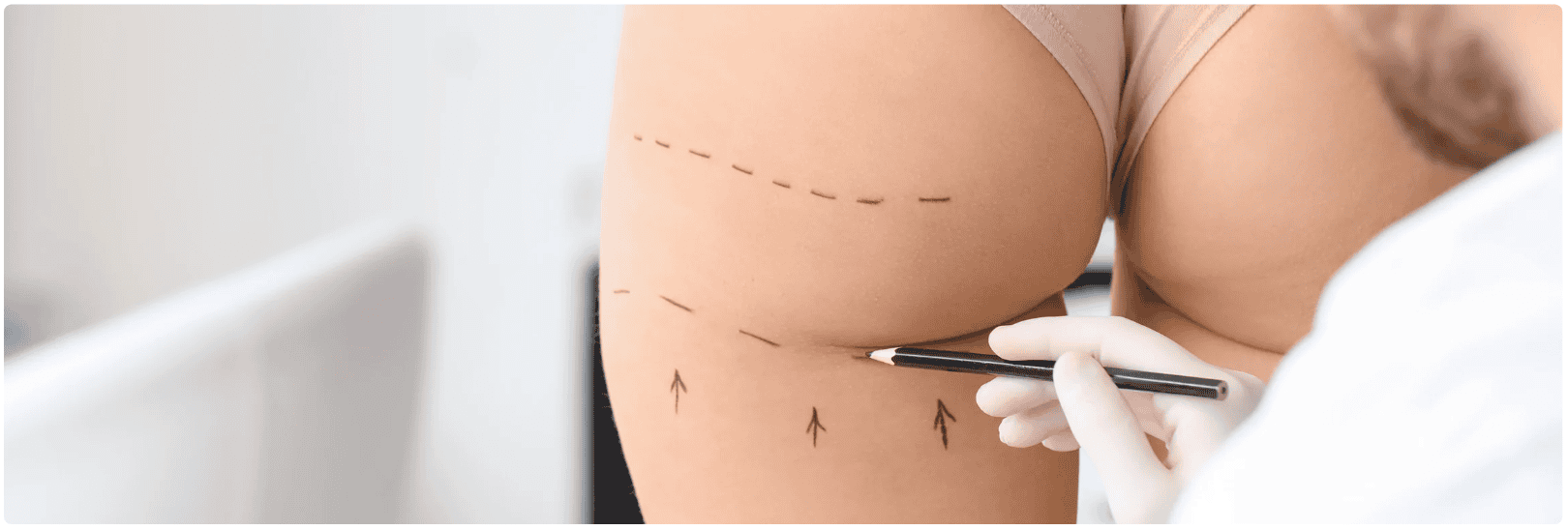
During the procedure, fat tissue is first removed using liposuction techniques. This can be done from various areas of the body, including the abdomen, thighs, or hips. The harvested fat is then processed, typically through centrifugation, to eliminate impurities and excess fluids. Once prepared, the purified fat is injected into the targeted areas using fine needles.
Autologous fat injection, commonly referred to as fat grafting, is a cosmetic procedure that involves harvesting fat from one part of a patient’s body and reintroducing it into another area.
One of the key advantages of autologous fat injection is that it utilizes the patient’s own fat, which significantly reduces the risk of allergic reactions or rejection. Furthermore, the procedure can enhance skin texture and contribute to a more youthful appearance. However, results can vary since not all of the injected fat may survive; it is common for a portion to be reabsorbed by the body over the following months. This often necessitates multiple sessions to achieve the desired outcome.
One of the key advantages of autologous fat injection is that it utilizes the patient’s own fat, which significantly reduces the risk of allergic reactions or rejection.
The recovery period after an autologous fat injection is generally brief. Patients may experience some swelling and bruising at both the injection sites and the liposuction areas, but these effects usually subside within a few days. Adhering to post-operative care instructions is crucial for promoting recovery and optimizing results.
Overall, autologous fat injection is a popular choice for individuals seeking to enhance their body’s volume naturally, without the use of artificial materials. When performed by experienced and qualified practitioners, the procedure is considered safe and effective.
Autologous fat injection, also known as fat grafting, is a popular cosmetic procedure for individuals looking to enhance or restore volume in specific areas of their body using their own fat. This method is highly appealing because it uses natural body fat, making it a safe and effective option for those who prefer not to introduce foreign substances into their body. Many people choose fat grafting for areas like the face, breasts, hands, or buttocks, where age, weight loss, or other factors have caused a loss of volume. This procedure is also ideal for those looking to enhance curves or smooth out contour irregularities.
Since the fat is harvested from the patient’s own body—often from areas with excess fat such as the abdomen, thighs, or flanks—it provides the added benefit of body contouring in these donor areas. People opt for autologous fat injection because it provides long-lasting, natural-looking results and can help improve both appearance and self-confidence.
Autologous fat injection is a versatile procedure that can be applied to multiple parts of the body. Many people are surprised at how many areas can benefit from this treatment beyond the most common ones. Some of the popular treatment zones include:
👉 Face – to restore volume in cheeks, temples, and under the eyes
👉 Breasts – for subtle enhancement and symmetry correction
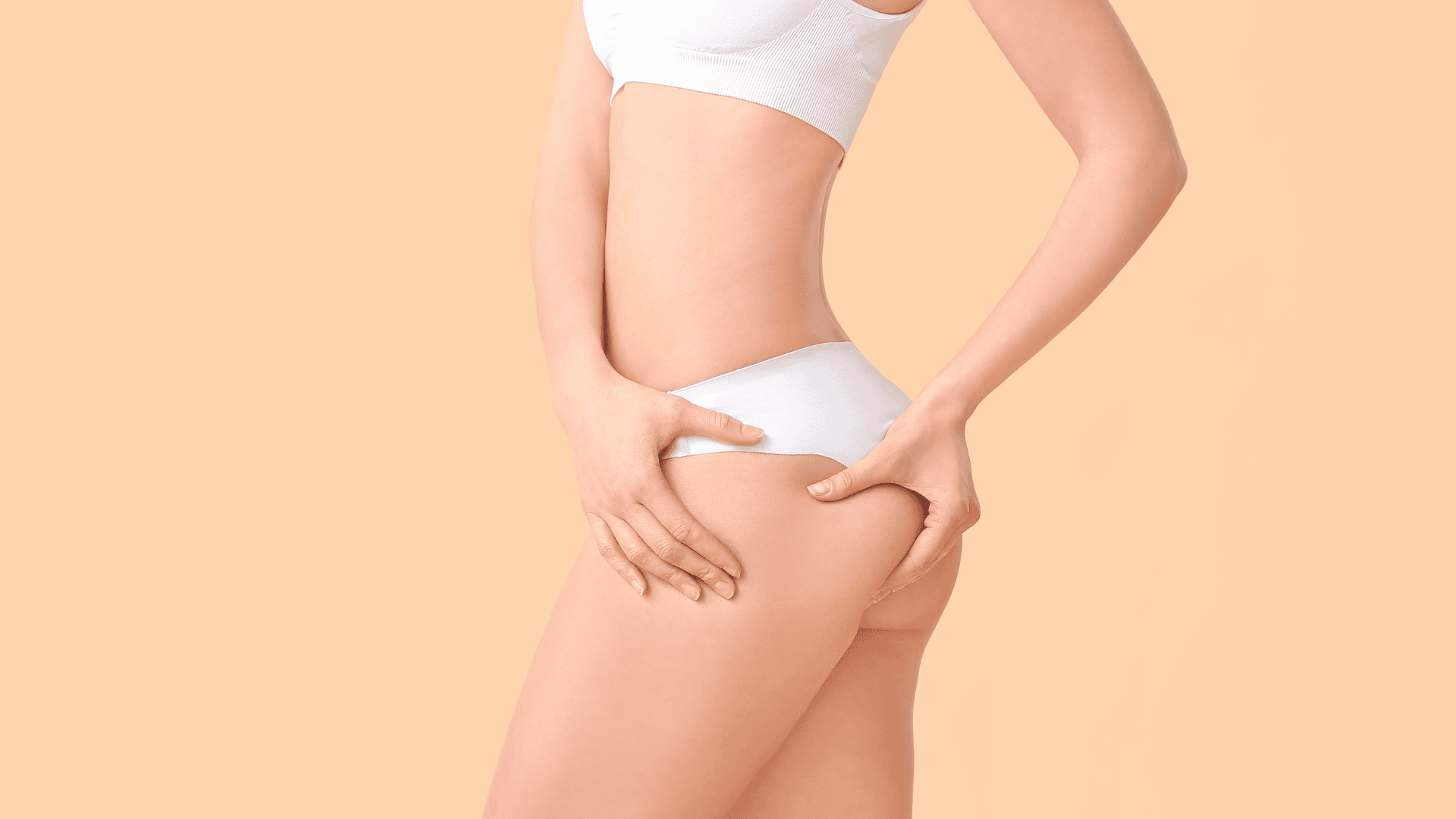
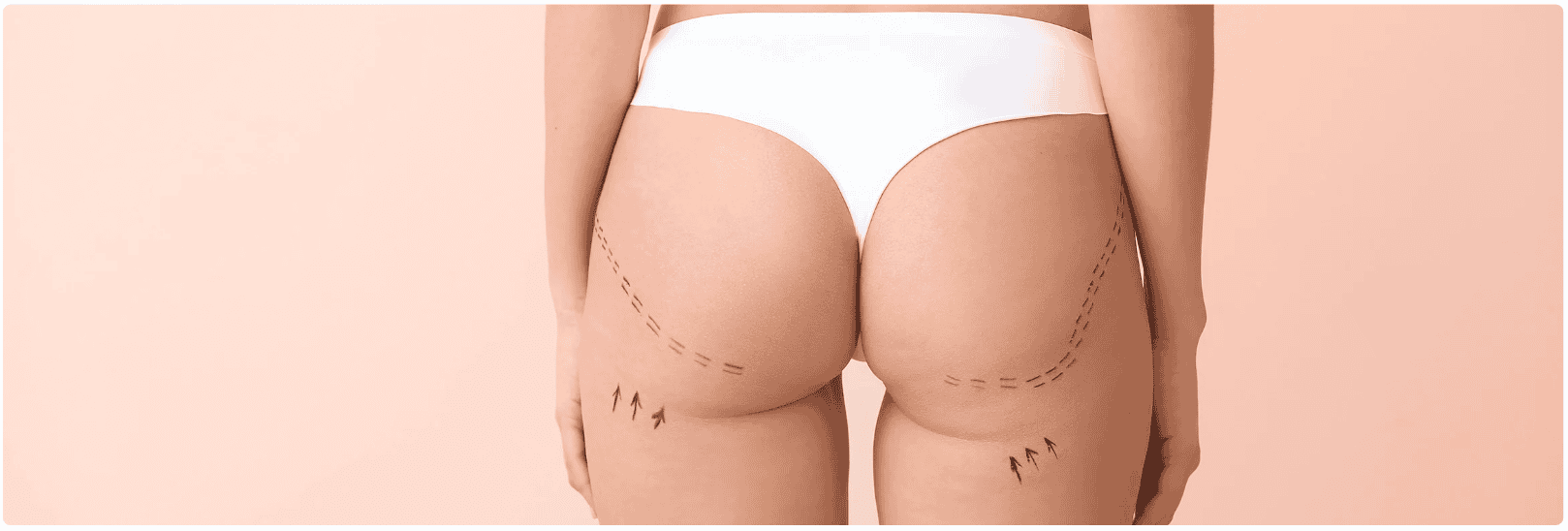
👉 Buttocks – to create fuller and more rounded contours
👉 Hands – to rejuvenate thinning skin and visible tendons
👉 Hips – to enhance curves and correct imbalances
👉 Scars – to smooth and soften depressed areas
This wide range of applications makes fat grafting attractive for patients who want a tailored, natural approach. By addressing multiple zones at once, the procedure not only improves aesthetics but also boosts overall body balance.
The autologous fat injection process involves three main steps: fat harvesting, fat purification, and fat injection. First, fat is collected from a donor area of the body, typically the abdomen, thighs, or flanks, through liposuction. Before this, the patient is given a local or general anesthetic, depending on the size of the area being treated and the amount of fat being removed. A small incision is made, and a thin tube called a cannula is used to gently suction out the fat. Once harvested, the fat is carefully processed and purified to remove impurities and damaged cells, leaving only healthy fat cells for re-injection.
The autologous fat injection process involves three main steps: fat harvesting, fat purification, and fat injection.
After preparation, the purified fat is injected into the target area—such as the face, breasts, or buttocks—through small, strategically placed incisions. The surgeon uses a series of injections at different depths to ensure even distribution and natural contouring. The entire procedure can take a few hours, depending on the size of the areas being treated. Recovery is relatively quick, with most patients experiencing mild swelling or bruising that subsides within a few weeks. The final results, which typically show after a few months, offer long-lasting, natural volume enhancement.
Not everyone is an ideal candidate for fat grafting, which is why thorough evaluation is necessary before scheduling the procedure. Suitable candidates are generally healthy individuals who have realistic expectations and enough donor fat to support the transfer. Good candidates often include:
👉 Patients seeking natural-looking enhancements instead of dramatic changes
👉 Those who want to avoid synthetic implants or fillers
👉 People with sufficient fat reserves in the abdomen, thighs, or flanks
👉 Non-smokers, since smoking reduces healing capacity and fat survival
👉 Individuals with stable body weight who can maintain long-term results
👉 Patients with minor contour irregularities or volume loss in specific areas
When these conditions are met, autologous fat injection can deliver impressive and durable improvements. Consulting with a specialist ensures a safe and personalized treatment plan.
Autologous fat injection offers a range of benefits, especially for those looking for a natural and versatile way to enhance their appearance. One of the most significant advantages is the use of your own body fat, which eliminates the risk of allergic reactions or rejection that can occur with synthetic fillers or implants. This makes fat grafting a safe option for people with sensitivities or those who prefer a more organic approach to cosmetic enhancement. Additionally, the procedure provides long-lasting results, as the fat cells that survive the transfer become a permanent part of the body.
Autologous fat injection offers a range of benefits, especially for those looking for a natural and versatile way to enhance their appearance.
Another key benefit is the dual action of the procedure: not only does it add volume to the desired area, but it also contours the body by removing unwanted fat from areas like the abdomen or thighs. This makes it an ideal solution for those looking to enhance one area while slimming another. The results are typically very natural, both in feel and appearance, since the fat integrates smoothly into the existing tissue. Many patients also appreciate the minimal scarring, as the small incisions used in both fat harvesting and injection leave little to no visible marks. Overall, autologous fat injection offers a safe, natural, and long-lasting solution for those seeking body enhancement or rejuvenation, with the added benefit of body sculpting.
Unlike synthetic fillers, autologous fat injection uses your own body fat to restore volume, making it a more natural and biocompatible option. While dermal fillers typically last several months to a year, fat grafting can deliver longer-lasting results once the transferred fat integrates successfully into the tissue. Additionally, fat injections provide a softer, more natural look and feel, especially in areas like the buttocks or breasts. This approach also avoids the potential risks of allergic reactions or migration associated with synthetic products.
While commonly used for aesthetic enhancements, fat grafting also has restorative and reconstructive applications. It’s often used in post-surgical procedures, such as breast reconstruction after mastectomy, or to correct volume loss caused by trauma or illness. Fat grafting can improve skin quality over time due to its regenerative properties, making it a valuable tool in both cosmetic and medical contexts. It can even help minimize the appearance of scars and improve skin texture in previously damaged areas.
For enhanced results, autologous fat injection can be combined with other cosmetic procedures. This approach allows surgeons to create more comprehensive transformations tailored to individual needs. Common combinations include:
👉 Liposuction – for improved body contouring alongside fat harvesting
👉 Breast lift – for better shape and volume in addition to fat transfer
👉 Facelift – to restore both volume and skin tightness
👉 Eyelid surgery – to rejuvenate the eyes while addressing hollow areas
👉 Laser treatments – to improve skin texture alongside volume restoration
By combining procedures, patients can address multiple concerns in a single surgical plan. This often leads to more balanced and harmonious results while minimizing the overall recovery time.
The amount of fat required depends on your body type and aesthetic goals. For a moderate enhancement of the buttocks, a practitioner may harvest and inject between 300 to 900 milliliters of fat per side. The volume harvested is usually more than the amount injected, as the fat must be purified and some of it will not survive after transfer. If a patient desires a more dramatic result and has sufficient donor fat, a higher volume may be used—but this often requires multiple sessions for optimal and sustainable outcomes.
Yes, one of the unique advantages of autologous fat injection is its ability to rejuvenate the overlying skin. Fat tissue contains stem cells and growth factors that can help improve skin tone, texture, and elasticity in the treated area. Many patients notice that areas receiving fat grafts feel softer and appear smoother over time. This makes the procedure especially attractive for facial areas that have experienced aging or sun damage, or for improving the skin over stretch marks and scars.
When considering autologous fat injection, many patients want to know how safe the procedure is compared to other cosmetic treatments. Since the body’s own fat is used, the risk of complications such as allergic reactions or foreign body rejection is significantly minimized. This makes fat grafting one of the safer enhancement options available today. However, like any surgical intervention, it requires precision and expertise to achieve optimal outcomes.
Qualified surgeons follow strict protocols during harvesting, purification, and reinjection to reduce risks. Patients are also thoroughly evaluated before the procedure to ensure they are suitable candidates. The main safety concerns are related to fat absorption, uneven results, or minor infections, all of which can be managed with proper care. Choosing an experienced clinic plays a major role in maximizing both safety and long-term satisfaction.
One of the most frequently asked questions about fat grafting is how long the results last. Unlike temporary fillers, the fat that successfully integrates into the tissue becomes a permanent part of the body. This means the improvements can last for years, sometimes even decades. That said, not all transferred fat cells survive, which is why surgeons often overcompensate during injections.
Over time, the surviving fat cells establish their own blood supply and behave like natural tissue. Factors such as the surgeon’s technique, the patient’s metabolism, and lifestyle habits all influence longevity. Patients who maintain a stable weight usually enjoy longer-lasting results. With proper care, fat grafting offers one of the most durable forms of natural volume enhancement available today.
Using natural body fat offers multiple advantages compared to implants or synthetic fillers. Patients often find that results feel and look much more natural, especially in soft tissue areas. Another major benefit is that no foreign material is introduced into the body, which reduces long-term risks. Additional advantages include:
👉 Lower risk of allergic reactions
👉 Minimal visible scarring from small incisions
👉 Simultaneous body contouring from fat harvesting
👉 Softer, more natural texture compared to implants
👉 Potential improvement in skin quality due to regenerative factors
👉 Long-lasting integration when the fat survives properly
By combining safety, versatility, and natural results, fat grafting has become a preferred option for many who want body enhancement without artificial implants.
Proper preparation is key to achieving the best possible outcomes with autologous fat injection. Before the procedure, patients usually undergo a consultation to evaluate their medical history, expectations, and potential donor areas. Surgeons often recommend maintaining a stable weight, as sudden fluctuations can affect results. Smoking should be avoided, since it can compromise healing and fat survival rates. Patients may also be asked to stop taking certain medications or supplements that increase bleeding risks.
Proper preparation is key to achieving the best possible outcomes with autologous fat injection.
On the day of the procedure, local or general anesthesia will be administered depending on the size of the treatment area. Preparing both physically and mentally helps ensure smoother surgery and recovery. With the right preparation and a qualified surgeon, patients can maximize the chances of successful, natural-looking results.
The recovery timeline after autologous fat injection is usually manageable, but it does vary depending on the treated area and the amount of fat transferred. Most patients notice swelling and bruising for the first week, which gradually subsides with proper care. Surgeons often recommend wearing compression garments when fat has been harvested from the abdomen, thighs, or flanks. General recovery phases include:
👉 First week – swelling, mild discomfort, and bruising are most noticeable
👉 Two weeks – patients typically return to work and light activities
👉 Four to six weeks – most restrictions on exercise and physical activity are lifted
👉 Three months – results begin to stabilize as fat integrates
👉 Six months – final outcomes become visible and long-lasting
Following post-operative instructions and attending follow-up appointments are critical for proper healing. Patients who carefully follow these steps tend to see the best long-term improvements.
While fat grafting is highly effective, it also has certain limitations that patients should be aware of. Unlike implants, fat grafting is best for those who seek moderate, natural-looking enhancement rather than extreme changes. The amount of fat available for transfer depends on the patient’s body, meaning very lean individuals may not have enough donor fat for large procedures. There is also an element of unpredictability, since not all of the injected fat will survive. Some patients may require multiple sessions to achieve their desired volume. Additionally, sudden weight loss after the procedure can reduce results, since the transferred fat cells behave like regular fat cells. Being realistic about what the procedure can achieve is essential for patient satisfaction. Consulting with an experienced surgeon ensures that expectations and outcomes are aligned.
The success of autologous fat injection largely depends on the surgeon’s expertise and technique. Harvesting fat without damaging the cells requires refined liposuction skills. Equally important is the purification process, where fat must be carefully handled to preserve its viability. During reinjection, surgeons use a layered technique to ensure even distribution and natural results. An experienced practitioner understands how much fat to inject and at which depths to maximize survival rates.
The success of autologous fat injection largely depends on the surgeon’s expertise and technique.
They also anticipate absorption and plan accordingly for balanced outcomes. Patients should always verify the credentials and experience of their surgeon before undergoing treatment. A skilled surgeon can significantly increase the likelihood of achieving long-lasting, natural enhancements.
During your consultation, you will discuss your wishes, medical history, and expectations with the doctor. The doctor will examine you, take measurements if necessary, and explain which treatment suits you best, including risks and recovery. You will have the opportunity to ask questions and then receive a clear treatment proposal.
Make sure you have all relevant medical information ready, such as previous treatments, allergies, or medical conditions. This allows the doctor to give you better advice.
Payment is made securely via SurgeryBooking. You pay the amount in advance to SurgeryBooking. We hold the funds and transfer them to the clinic after your treatment. Cancellation or change conditions vary per clinic and are clearly communicated in advance.
During the consultation (online or at the clinic), the doctor will assess this based on your health, expectations, and physical characteristics. You will discuss what you want, what is possible, and what the limitations are. Sometimes there are alternatives if the chosen treatment is not ideal.
Through SurgeryBooking.com, you can quickly and easily book a consultation or procedure with doctors and clinics worldwide. SurgeryBooking.com provides an overview of doctors and clinics, allowing you to make an informed and transparent choice when booking a consultation or procedure.
You can easily book through the profile of the desired clinic or doctor. Select the desired treatment, enter your details, and choose an available date and time. If there are any costs involved, you will complete the payment first. Afterwards, you will receive a confirmation email with all the details.
Yes, during the booking process, you can indicate whether you prefer an online consultation or an in-person consultation at the clinic.
With SurgeryBooking.com, you gain access to a global network of doctors and clinics. Through SurgeryBooking.com, you can easily book a consultation or a cosmetic procedure directly. Clinic profiles provide information about available cosmetic procedures, reviews, photos of the clinic, and other relevant details. This enables you to compare costs and make an informed decision when booking a consultation or procedure.