Areola reduction is a surgical procedure designed to decrease the size of the areola, the pigmented area surrounding the nipple. This procedure is often performed for cosmetic reasons when the areola is perceived as too large in proportion to the breast or nipple. It can also correct asymmetry between the areolas or address changes caused by pregnancy, breastfeeding, or weight fluctuations.
Areola reduction is a surgical procedure designed to decrease the size of the areola, the pigmented area surrounding the nipple.
During the procedure, the surgeon removes a portion of the skin around the areola, reducing its diameter. The surgery is typically performed under local anesthesia and is relatively quick. After the procedure, patients may experience some swelling, bruising, or sensitivity, but these symptoms usually subside within a few days to weeks. Following the surgeon's post-operative care instructions is crucial to ensure proper healing and prevent complications.
While the results of an areola reduction are usually permanent, the procedure carries some risks, such as infection, scarring, or changes in nipple sensation. It is important to consult an experienced plastic surgeon and be well-informed about the process before making a decision.
Areola reduction surgery is a procedure designed to reduce the size of the areola, the darker area surrounding the nipple. Many individuals opt for this surgery to achieve a more balanced and aesthetically pleasing breast appearance. Some people feel that their areolas are disproportionately large, which can cause embarrassment or discomfort, particularly in situations where the chest is exposed. Enlarged areolas can also be a result of weight changes, pregnancy, or genetics.
Areola reduction surgery is a procedure designed to reduce the size of the areola, the darker area surrounding the nipple.
For women, particularly after breastfeeding or weight fluctuations, the size of the areolas may stretch or become larger, leading to dissatisfaction with the overall appearance of the breasts. Areola reduction surgery provides a solution by removing a small portion of the areolar tissue, creating a more proportionate and youthful look. This procedure can be done alone or in combination with other breast surgeries, such as a breast lift or breast augmentation, for a more comprehensive aesthetic outcome. For many patients, areola reduction helps to restore a sense of confidence and comfort, allowing them to feel better about their body image.
Areola reduction surgery is a relatively straightforward procedure that is typically performed under local anesthesia, though general anesthesia may be used depending on the complexity of the surgery or the patient's preferences.
The surgeon begins by marking the area around the areola to outline the portion of tissue that will be removed. The procedure typically involves removing a ring of tissue from the outer edge of the areola to reduce its diameter. The incision is made along the natural edge of the areola, where the skin’s pigmentation will help camouflage any scarring. After removing the excess tissue, the surgeon carefully reshapes the remaining tissue to ensure the areola maintains a natural and symmetrical appearance. The incisions are then closed with sutures, which may dissolve on their own or require removal in a follow-up appointment.
For most patients, the procedure is done on an outpatient basis, allowing them to return home the same day. The recovery time is generally short, and most individuals can return to normal activities within a few days, though they are advised to avoid strenuous exercise or heavy lifting for a few weeks. Some swelling and bruising are common following the surgery but typically subside within a couple of weeks. The final results will become more apparent as the swelling decreases, and any residual scarring will continue to fade over time. Overall, areola reduction is a safe and effective procedure for patients seeking a more balanced breast appearance.
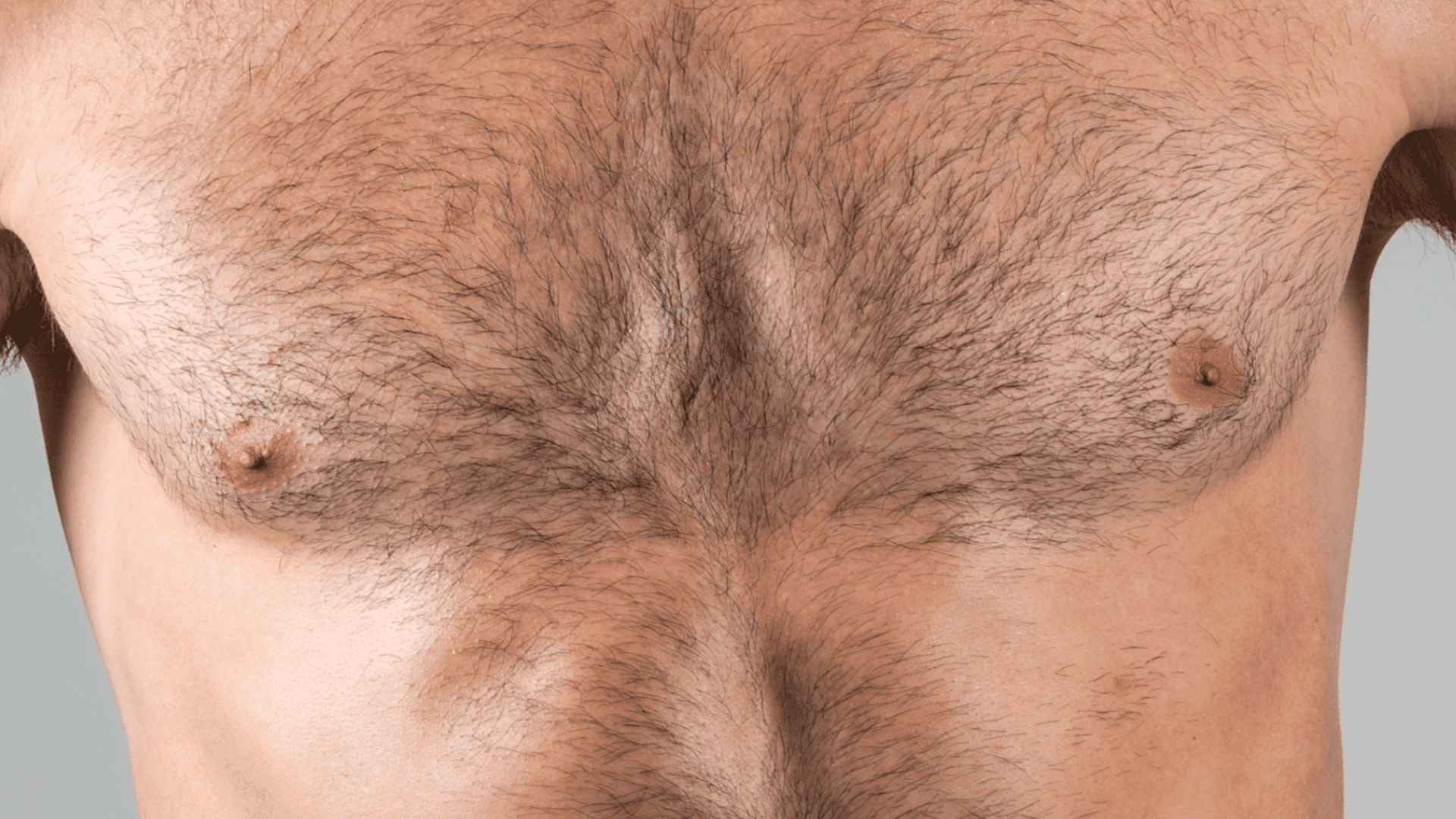
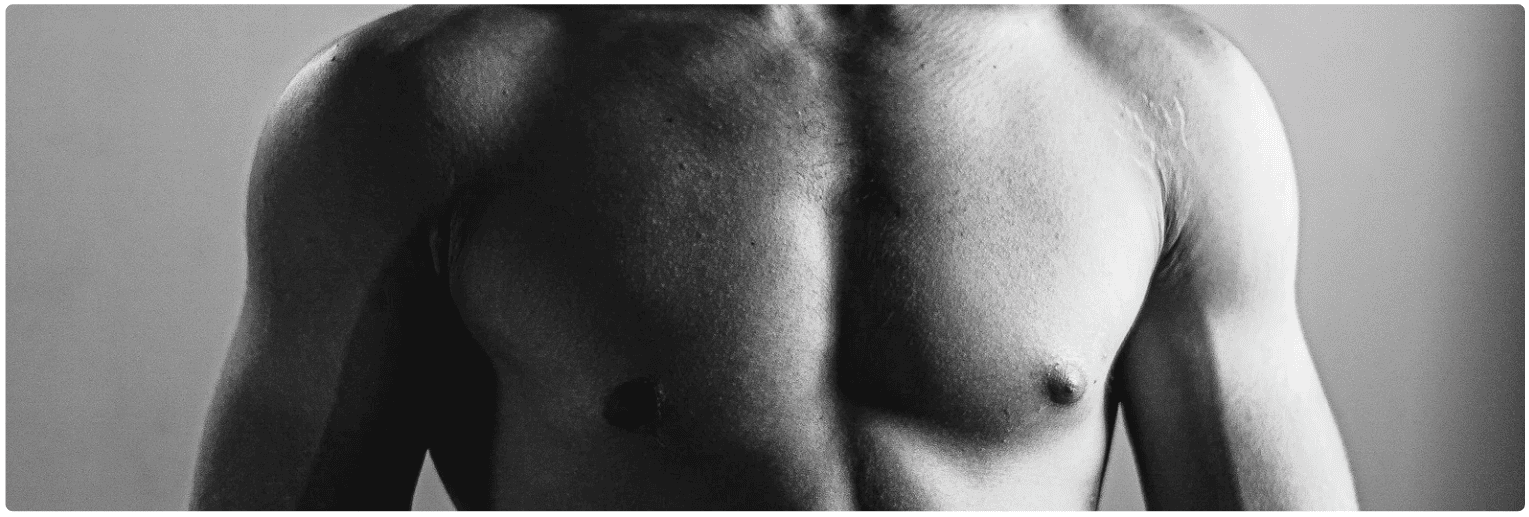
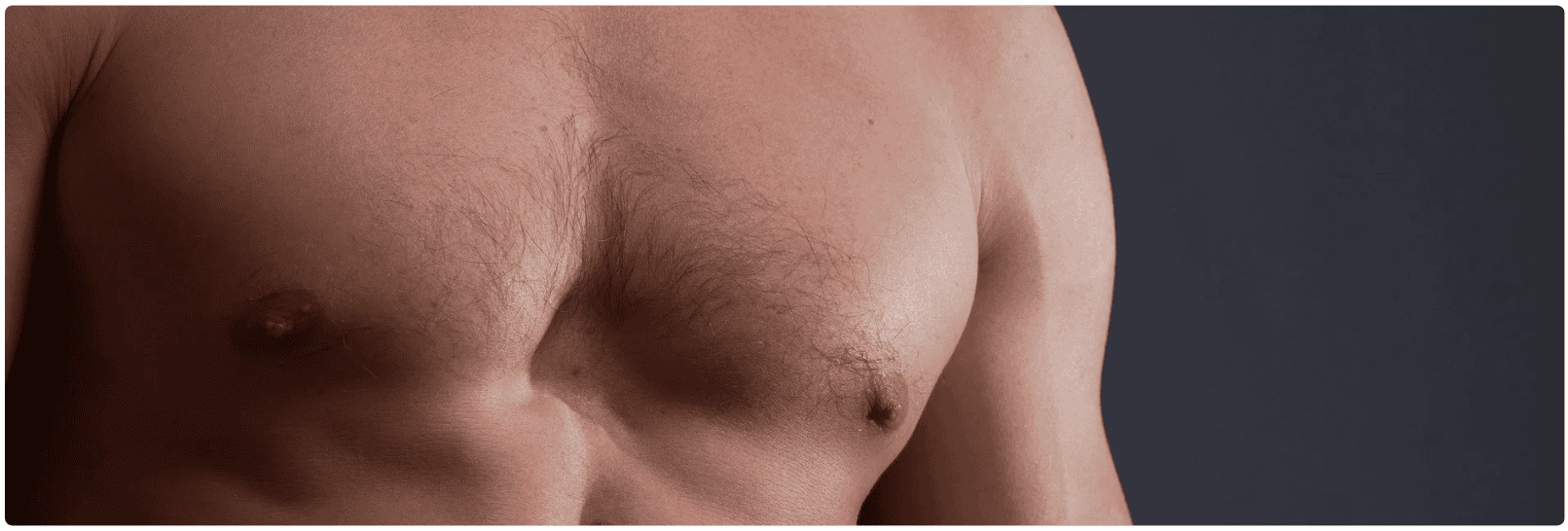
Although often associated with women, areola reduction is also a popular procedure among men. Some men feel their areolas are disproportionately large compared to the rest of their chest, which can cause self-consciousness, especially when going shirtless. This surgery helps to achieve a firmer, more masculine chest appearance by resizing and reshaping the areolas.
Many male patients choose to combine areola reduction with procedures like gynecomastia surgery for a more comprehensive chest contour. The results can provide improved body confidence and a balanced look that feels more aligned with their goals.
Surgeons may use slightly different approaches when performing areola reduction surgery, depending on the patient’s anatomy and desired results. The most common method involves making an incision around the outer edge of the areola and removing a ring of excess tissue. However, alternative techniques may be chosen if the patient has specific concerns such as stretched skin or asymmetry.
Regardless of the method, the aim is always to reduce size while maintaining a natural, symmetrical shape. Surgeons also take care to place incisions strategically so that any resulting scars are discreet.
The price of areola reduction surgery can vary based on several factors:
The experience and reputation of the surgeon
The geographic location of the clinic
Whether local or general anesthesia is used
The complexity of the procedure
If it is combined with other surgeries, such as a breast lift or augmentation
Patients are encouraged to request a personalized quote during consultation, as pricing depends on individual needs. While costs differ, many patients consider the investment worthwhile for the long-term satisfaction and improved appearance achieved.
Areola reduction offers several benefits, both aesthetic and psychological, making it an appealing option for many individuals. One of the most significant advantages is the improvement in breast appearance, as reducing the size of the areola can help create a more proportional and symmetrical chest. Many individuals who feel their areolas are too large experience increased self-confidence after the procedure, particularly when wearing swimwear, tight-fitting clothing, or during intimate moments. The surgery can help achieve a more youthful, harmonious look, particularly for women whose areolas may have stretched after pregnancy or breastfeeding.
Another key benefit is the minimal scarring typically associated with the procedure. Because the incisions are made along the natural border of the areola, any scarring is usually discreet and fades significantly over time. For patients who combine areola reduction with other breast surgeries, such as a breast lift or augmentation, the results can be transformative, offering a more balanced and aesthetically pleasing breast contour.
Functionally, the procedure also allows patients to feel more comfortable with their appearance, eliminating the self-consciousness or discomfort that may have been associated with overly large areolas. Additionally, the surgery is relatively simple and has a short recovery period, allowing patients to return to their daily activities quickly. Overall, areola reduction provides a lasting improvement in both appearance and self-esteem, giving individuals the chance to feel more confident and at ease in their bodies.
Areola reduction surgery is a procedure designed to reduce the size of the areola, the darker area surrounding the nipple. Many individuals choose this surgery to achieve a more balanced and aesthetically pleasing breast appearance. Some people feel that their areolas are disproportionately large, which can cause discomfort or self-consciousness, especially when the chest is visible. Enlarged areolas can be the result of genetics, pregnancy, breastfeeding, or weight changes. For women in particular, hormonal and physical changes may cause the areolas to stretch or enlarge over time.
Areola reduction surgery is a procedure designed to reduce the size of the areola, the darker area surrounding the nipple.
Areola reduction provides a solution by removing a small ring of tissue from the outer edge of the areola, helping restore a more proportionate and youthful look. It can be performed on its own or combined with other breast procedures like a breast lift or augmentation for more comprehensive results. Many patients report improved confidence and satisfaction with their body image following the surgery.
Areola reduction is typically a simple, outpatient procedure performed under local anesthesia, although general anesthesia may be used depending on individual needs. The surgeon begins by marking the area around the areola to indicate how much tissue will be removed. An incision is made around the natural edge of the areola, where any resulting scar can blend with the pigmentation of the skin. A ring of excess tissue is removed, and the remaining areola is reshaped and sutured to maintain symmetry and a natural appearance.
Most procedures take about an hour and patients can return home the same day. Recovery is usually quick, with mild swelling, bruising, or sensitivity that resolves within a few days to weeks. Patients are generally able to return to work and light activities within a few days, although more strenuous activities should be avoided for several weeks. Final results become more visible as swelling subsides and scars begin to fade.
Areola reduction offers both cosmetic and emotional benefits. The most noticeable result is a more proportional and symmetrical appearance of the areolas, which helps enhance the overall look of the breasts or chest. This can make a significant difference in how individuals feel in swimwear, fitted clothing, or during intimate moments.
For those whose areolas have stretched due to pregnancy, breastfeeding, or aging, the procedure can restore a more youthful and balanced look. The discreet scarring, placed along the natural edge of the areola, typically fades over time and becomes barely noticeable.
When combined with procedures like a breast lift or augmentation, areola reduction can contribute to a dramatic improvement in breast aesthetics. Beyond appearance, many patients experience a boost in self-confidence and comfort with their bodies. With its straightforward nature, minimal downtime, and lasting results, areola reduction is a highly effective option for individuals seeking a subtle yet meaningful enhancement.
While areola reduction and nipple correction are often mentioned together, they target different parts of the breast. Areola reduction focuses on decreasing the diameter of the pigmented area surrounding the nipple, often for aesthetic balance. In contrast, nipple correction involves changing the size, shape, or projection of the nipple itself.
While areola reduction and nipple correction are often mentioned together, they target different parts of the breast.
Patients seeking a more complete breast enhancement may consider combining both procedures, but it's essential to understand that each addresses a unique concern. A consultation with an experienced plastic surgeon can help determine which—or both—are best suited to your goals.
Areola reduction surgery is suitable for individuals who feel that their areolas are too large, asymmetrical, or have changed shape due to pregnancy, weight fluctuations, or genetics. Both men and women can benefit from the procedure, particularly those looking for a more proportionate chest appearance.
Ideal candidates are in good general health, do not smoke, and have realistic expectations about the outcome. Those undergoing breast lifts, augmentations, or reductions often choose to include areola resizing as part of their surgical plan to achieve overall symmetry and balance.
One of the advantages of areola reduction is that it can easily be performed in combination with other cosmetic breast surgeries. Many patients choose to pair this procedure with a breast lift, augmentation, or reduction to enhance the final result. By addressing both the shape and size of the breasts and areolas at once, patients can achieve a more natural and harmonious look.
Combining procedures also means a single recovery period, which can be more convenient and cost-effective. Your surgeon will help you determine the best combination based on your aesthetic goals and physical needs.
The results of areola reduction surgery are typically long-lasting, especially when patients maintain a stable weight and follow proper post-operative care. While the size of the areola should not increase again, significant weight gain, hormonal changes, or pregnancy may cause some changes over time. To preserve your results, it’s important to live a healthy lifestyle and attend follow-up appointments with your surgeon. Most patients are highly satisfied with the long-term outcome and report a lasting boost in confidence and comfort with their body image.
The recovery after areola reduction surgery is usually straightforward, but each patient heals at their own pace. Most people can resume light activities within a few days, but complete healing may take several weeks. Swelling and bruising gradually fade, while scars soften and blend into the natural skin tone over time. Patients are often advised to wear supportive garments during the recovery period to help minimize discomfort and encourage proper healing. Attending follow-up appointments is essential so the surgeon can monitor progress and ensure everything is healing as expected.
A common concern for patients considering areola reduction surgery is the possibility of visible scars. Fortunately, surgeons typically place incisions along the natural edge of the areola, where the darker pigmentation of the skin camouflages scars effectively. In most cases, scars fade significantly over time and become barely noticeable. Patients can further support scar healing by following aftercare instructions, using recommended creams, and protecting the area from sun exposure. With proper care, the final results are usually smooth and discreet.
Many patients wonder if areola reduction affects the ability to breastfeed. In most cases, the surgery does not interfere with milk ducts or the nipple’s function, meaning breastfeeding remains possible. However, outcomes can vary depending on the surgical technique and the patient’s anatomy. Women planning future pregnancies should discuss this concern with their surgeon during consultation. The goal is always to achieve a more proportionate appearance while preserving functionality whenever possible.
There is no strict age limit for areola reduction surgery, but surgeons generally recommend that patients wait until breast development is fully complete. For women, this usually means after adolescence, while men may also benefit once chest growth has stabilized. Older patients can also undergo the procedure safely, provided they are in good health. Regardless of age, realistic expectations and a clear understanding of the procedure are key factors in achieving satisfying results.
One of the overlooked benefits of areola reduction surgery is how it changes the way patients feel in their clothing. Tight-fitting tops, swimwear, and lingerie often fit more comfortably and look more appealing after the areolas are resized. Many patients report feeling less self-conscious in situations where the chest is visible, such as at the beach or gym. This subtle improvement in daily comfort and appearance can have a lasting impact on overall satisfaction with the surgery.
Like any surgical procedure, areola reduction comes with some risks. These may include:
Infection or delayed healing
Bleeding or hematoma formation
Changes in nipple sensitivity
Asymmetry between the areolas
Noticeable scarring if aftercare instructions are not followed
Although complications are uncommon, patients should be aware of them and choose an experienced surgeon to minimize risk. Proper post-operative care also plays a major role in preventing issues and supporting recovery.
Patients often ask how soon they will see the outcome of areola reduction surgery. Initial improvements are visible right after the procedure, but swelling and bruising can temporarily affect the appearance. Within a few weeks, the areolas begin to settle into their new shape, and scars gradually fade. Final results usually become fully apparent after a few months, once the tissue has completely healed. Patience is essential, as the gradual process ensures natural-looking and long-lasting results.
Some individuals seek areola reduction not because of size alone, but to correct unevenness between the two areolas. Asymmetry can be genetic, or it may develop after pregnancy, weight changes, or surgery. This procedure allows surgeons to carefully resize each areola to create a balanced, symmetrical appearance. Achieving even proportions can dramatically improve the overall aesthetic of the chest, providing a more harmonious and natural look.
Selecting the right surgeon and clinic is one of the most important decisions for areola reduction surgery. Patients should look for board-certified plastic surgeons with proven experience in breast procedures. Factors to consider include the clinic’s reputation, before-and-after photos of past patients, and clear communication during consultations. A trustworthy clinic will provide realistic expectations and prioritize patient safety at every step. Taking the time to research and choose carefully greatly increases the chance of a satisfying outcome.
During your consultation, you will discuss your wishes, medical history, and expectations with the doctor. The doctor will examine you, take measurements if necessary, and explain which treatment suits you best, including risks and recovery. You will have the opportunity to ask questions and then receive a clear treatment proposal.
Make sure you have all relevant medical information ready, such as previous treatments, allergies, or medical conditions. This allows the doctor to give you better advice.
Payment is made securely via SurgeryBooking. You pay the amount in advance to SurgeryBooking. We hold the funds and transfer them to the clinic after your treatment. Cancellation or change conditions vary per clinic and are clearly communicated in advance.
During the consultation (online or at the clinic), the doctor will assess this based on your health, expectations, and physical characteristics. You will discuss what you want, what is possible, and what the limitations are. Sometimes there are alternatives if the chosen treatment is not ideal.
Through SurgeryBooking.com, you can quickly and easily book a consultation or procedure with doctors and clinics worldwide. SurgeryBooking.com provides an overview of doctors and clinics, allowing you to make an informed and transparent choice when booking a consultation or procedure.
You can easily book through the profile of the desired clinic or doctor. Select the desired treatment, enter your details, and choose an available date and time. If there are any costs involved, you will complete the payment first. Afterwards, you will receive a confirmation email with all the details.
Yes, during the booking process, you can indicate whether you prefer an online consultation or an in-person consultation at the clinic.
With SurgeryBooking.com, you gain access to a global network of doctors and clinics. Through SurgeryBooking.com, you can easily book a consultation or a cosmetic procedure directly. Clinic profiles provide information about available cosmetic procedures, reviews, photos of the clinic, and other relevant details. This enables you to compare costs and make an informed decision when booking a consultation or procedure.