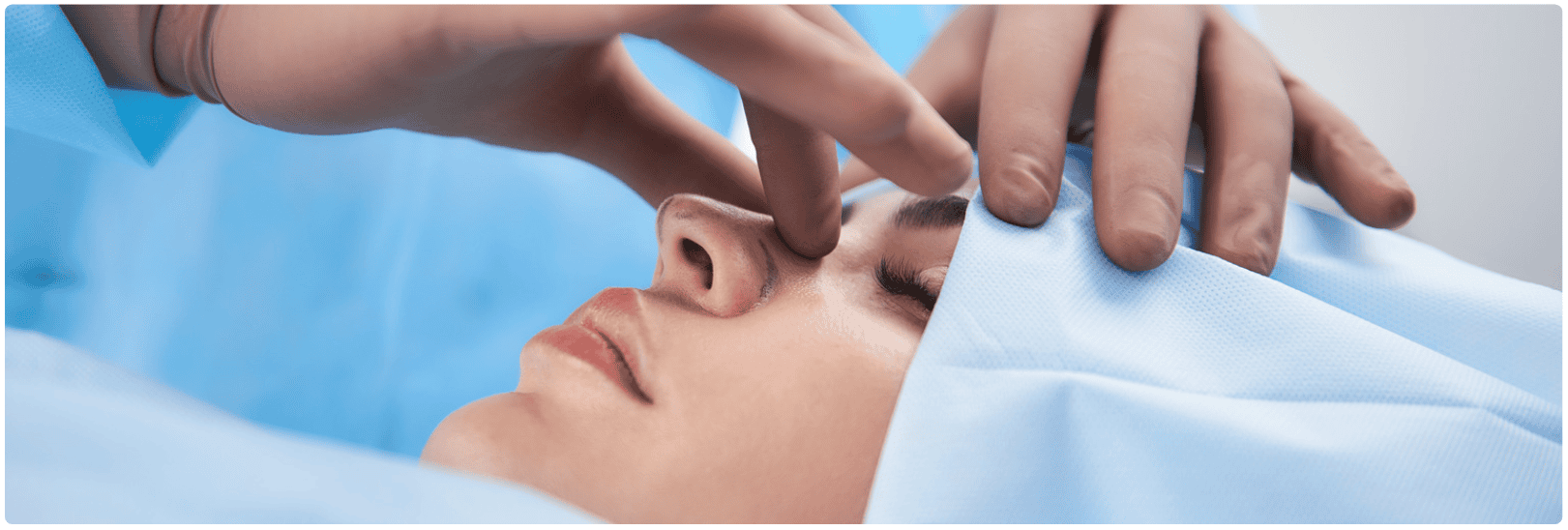
Alarplasty, also known as nostril reduction, is a surgical procedure aimed at modifying the shape or size of the nostrils, which are the outer openings of the nose. This procedure is often sought by individuals who feel that their nostrils are too wide or disproportionate to the rest of their facial features, impacting their overall facial aesthetics.
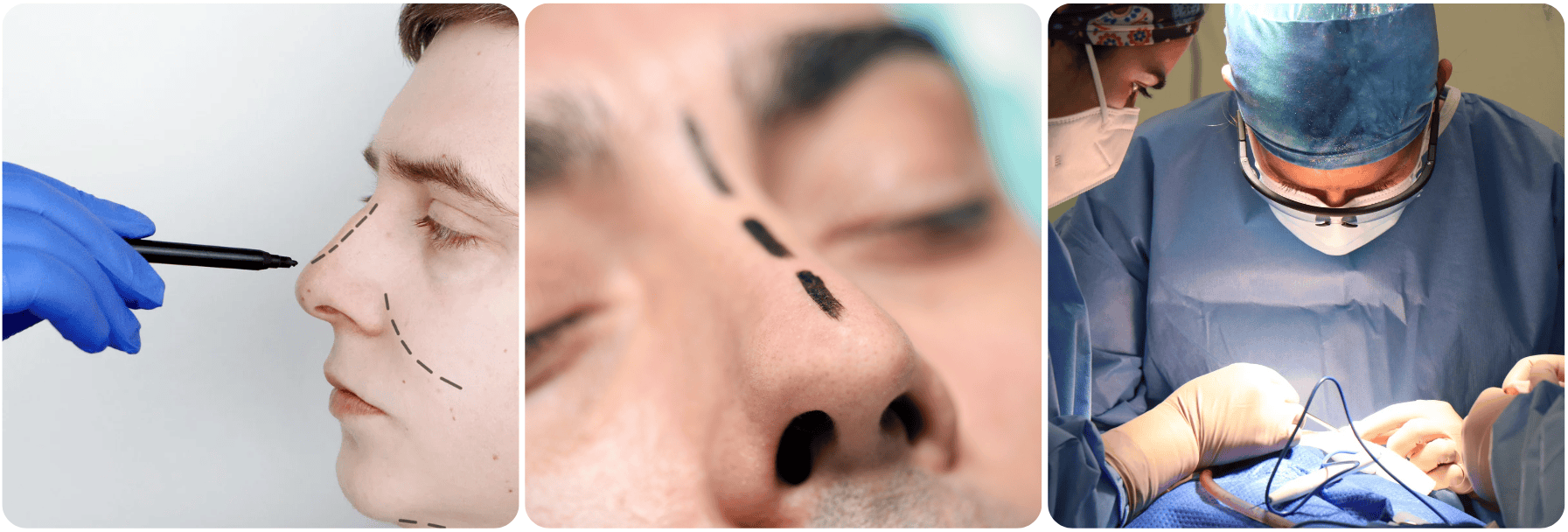
The surgery can be performed using various techniques, depending on the patient's anatomy and the desired outcomes. During the procedure, the surgeon makes small incisions at the base of the nostrils to remove excess tissue or to reshape the nostrils for a more harmonious appearance. These incisions are strategically placed to minimize visible scarring after healing.
Alarplasty, also known as nostril reduction, is a surgical procedure aimed at modifying the shape or size of the nostrils, which are the outer openings of the nose.
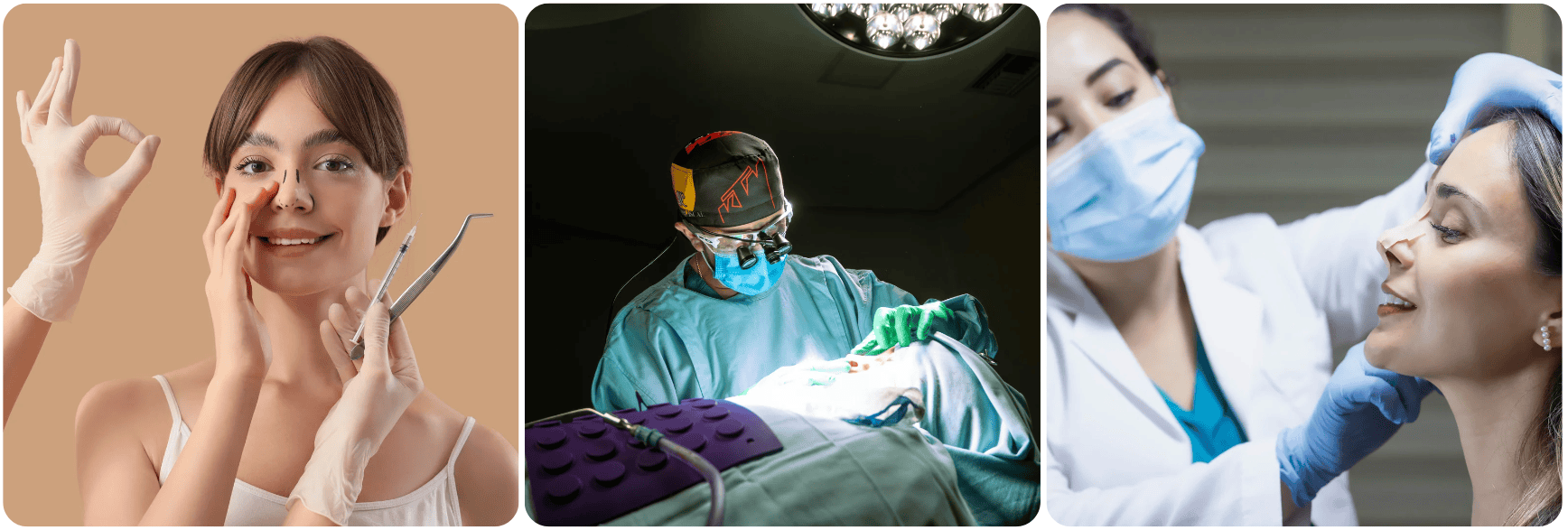
Alarplasty is typically performed under local anesthesia and can often be done as an outpatient procedure, allowing patients to return home the same day. The recovery time varies, but most patients can resume their daily activities within a few days, while complete healing and the final results may take several weeks to manifest.
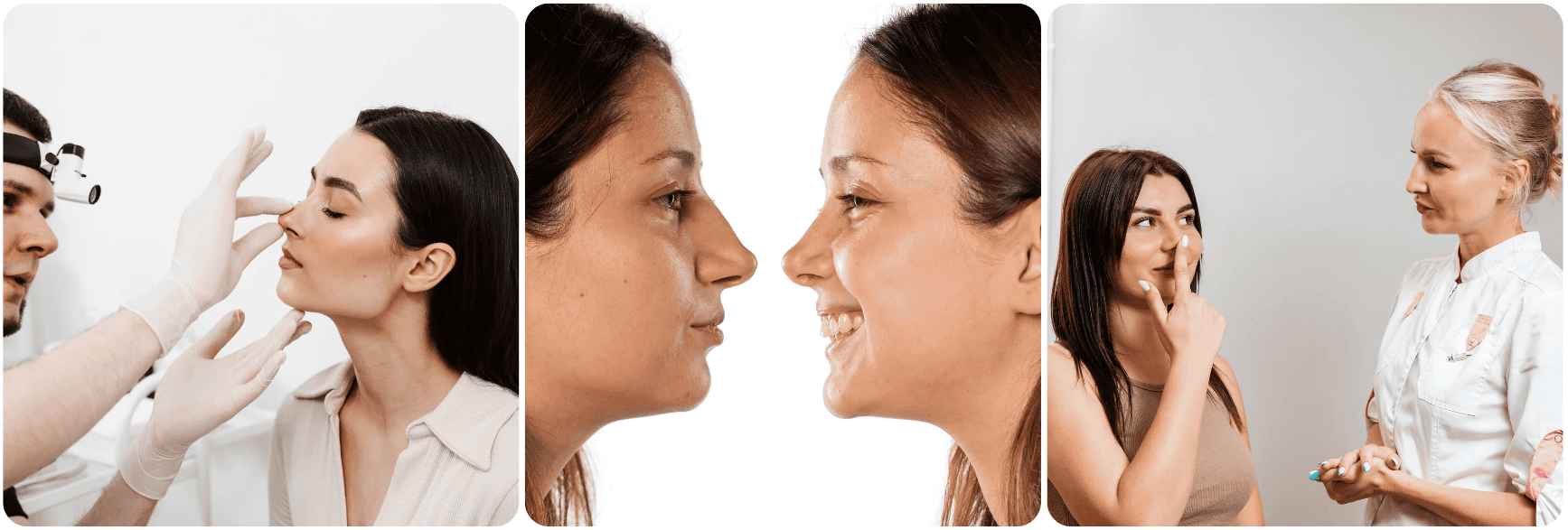
Patients who undergo alarplasty generally report improved self-esteem and satisfaction with their nasal appearance. It is crucial to have a thorough consultation with an experienced plastic surgeon to discuss expectations, potential risks, and the desired outcomes of the procedure. This discussion helps create a tailored plan that addresses the individual needs and anatomical considerations of the patient.
Alarplasty, also known as nostril reduction surgery, is a cosmetic procedure that focuses on reshaping and reducing the size of the nostrils. Many individuals opt for alarplasty if they feel their nostrils are too wide, flared, or disproportionately large in relation to their overall facial structure. This procedure is popular among those who want to refine the appearance of their nose without undergoing a full rhinoplasty.
Alarplasty, also known as nostril reduction surgery, is a cosmetic procedure that focuses on reshaping and reducing the size of the nostrils.
Alarplasty is often chosen by people looking to achieve better facial harmony and balance, particularly when the width of the nostrils makes the nose appear too large for their face. The surgery is relatively simple and focuses on the base of the nose, making it ideal for individuals who want to address specific aesthetic concerns about their nostrils. Unlike more extensive nasal surgeries, alarplasty is minimally invasive, resulting in quicker recovery times and smaller incisions. The changes made during the procedure are subtle but can have a significant impact on the overall appearance, enhancing facial symmetry and creating a more proportionate look.
The cost of alarplasty can vary widely depending on several factors.
👉 The surgeon’s experience and reputation significantly affect pricing.
👉 Geographic location of the clinic may influence the overall cost.
👉 The complexity of the nostril reduction required can increase the surgical fee.
👉 Anesthesia type, whether local or general, contributes to expenses.
👉 Additional costs for post-operative follow-ups and medications may apply.
Patients are encouraged to discuss all costs upfront to avoid surprises. Budgeting properly ensures that surgery is financially manageable and stress-free.
Choosing the right anesthesia is a key step in alarplasty.
👉 Local anesthesia is often sufficient for minor nostril reductions.
👉 General anesthesia may be recommended if combined with other nasal procedures.
👉 Sedation can provide relaxation and comfort during the procedure.
👉 Anesthesia selection depends on patient preference, health conditions, and surgical complexity.
👉 The surgeon and anesthesiologist will explain potential risks and benefits of each option.
Proper anesthesia ensures a safe procedure and minimizes discomfort. Patients can focus on results without worrying about pain.
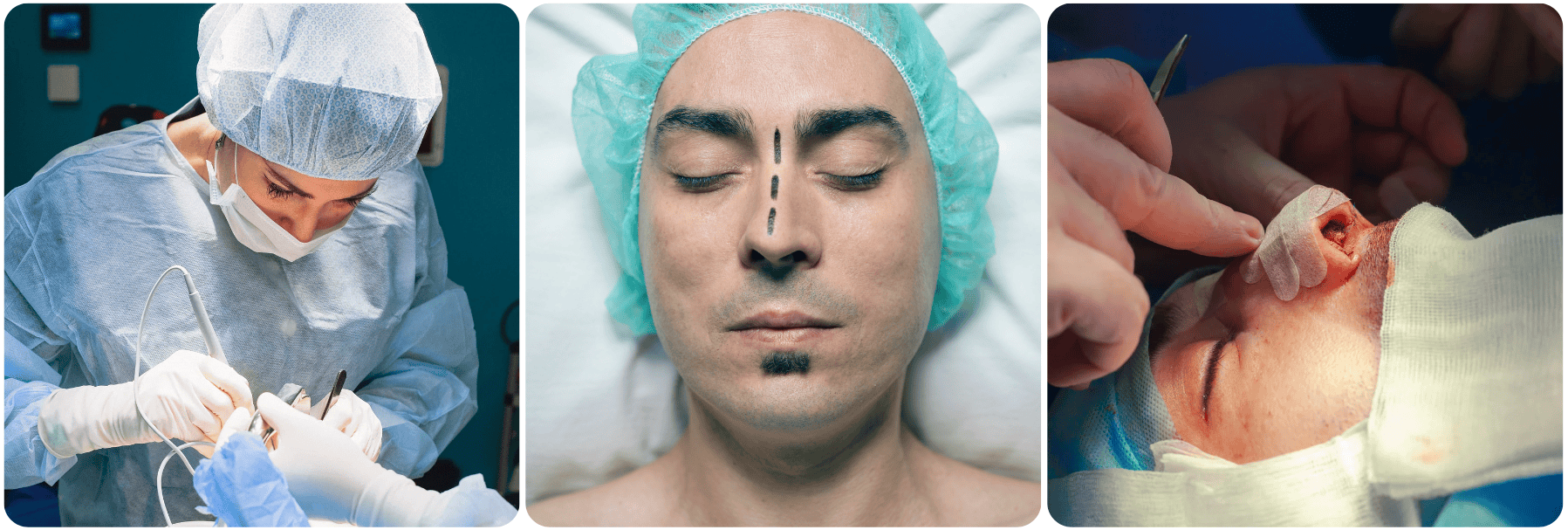
Alarplasty is typically performed under local anesthesia, although general anesthesia may be used if it is part of a larger cosmetic procedure. The surgeon begins by making small incisions at the base of the nostrils, in the natural crease where the nostril meets the cheek. These incisions allow the surgeon to remove a small wedge of tissue to reduce the width or flare of the nostrils.
Alarplasty is typically performed under local anesthesia, although general anesthesia may be used if it is part of a larger cosmetic procedure.
Depending on the patient’s goals, the procedure may involve narrowing the base of the nose or reducing the flare of the nostrils to create a more refined appearance. Once the desired reshaping is achieved, the incisions are carefully closed with sutures, which are usually placed in such a way that they are barely noticeable once healed. The procedure generally takes about 30 to 60 minutes and can be performed as an outpatient surgery.
After the surgery, patients can expect some mild swelling and bruising around the nose, but these side effects typically subside within a week or two. Most patients can return to work and normal activities within a few days, and full healing takes a few weeks. Because the incisions are small and strategically placed, scarring is usually minimal and fades over time.
Alarplasty can be tailored to respect ethnic and cultural nasal features. Surgeons often adjust nostril width while maintaining natural characteristics.
👉 Techniques vary to preserve unique nasal traits.
👉 Some patients require minimal tissue removal for subtle refinement.
👉 Careful planning prevents distortion of ethnic appearance.
👉 Surgeons consider facial harmony and nasal tip projection.
👉 Maintaining identity while enhancing proportion is a priority.
Personalized approaches result in a balanced and natural look for every patient.
The primary benefit of alarplasty is its ability to provide a more balanced and refined appearance to the nose without the need for extensive surgery. By reducing the width or flare of the nostrils, this procedure can dramatically improve facial harmony, making the nose appear more proportionate to other facial features. For individuals who are self-conscious about the size or shape of their nostrils, alarplasty offers a permanent solution that can boost confidence and improve their overall appearance.
The primary benefit of alarplasty is its ability to provide a more balanced and refined appearance to the nose without the need for extensive surgery.
Another advantage of alarplasty is that it is a relatively quick and straightforward procedure with a short recovery time compared to a full rhinoplasty. Because the surgery targets only the nostrils, it involves smaller incisions and less tissue manipulation, which leads to less postoperative discomfort and quicker healing. Additionally, the results of alarplasty are subtle yet significant, allowing patients to achieve a more natural look without drastic changes.
The procedure is highly customizable, and patients can work closely with their surgeon to achieve the exact outcome they desire. Whether it’s to correct overly flared nostrils or narrow the nasal base, alarplasty provides long-lasting results that enhance facial aesthetics while maintaining the natural characteristics of the nose.
Some patients choose alarplasty alongside other facial enhancements.
👉 It can be combined with rhinoplasty for overall nose reshaping.
👉 Chin augmentation may balance facial proportions further.
👉 Lip procedures can enhance aesthetic harmony with the refined nose.
👉 Non-surgical fillers sometimes complement surgical nostril adjustments.
👉 Combination treatments allow a comprehensive facial rejuvenation approach.
By planning multiple procedures together, patients achieve cohesive and harmonious results.
Age plays an important role in alarplasty candidacy. The procedure is best performed after nasal growth is complete, usually in late teens or early adulthood. Younger patients may require future adjustments as the nose continues to mature. Older patients often have thicker skin, which can affect tissue handling and healing. Surgeons assess skin elasticity and overall health before recommending surgery. Tailoring techniques to age ensures safe outcomes and long-lasting nostril refinement. Proper timing of surgery maximizes aesthetic benefits and minimizes complications.
Not everyone is an ideal candidate for alarplasty. Patients with fully developed nasal structures and no active nasal infections are the best candidates. It is also suitable for individuals who have previously undergone nasal surgery but are seeking minor adjustments. Those with unrealistic expectations may need counseling to understand the limitations of the procedure.
People with thin skin around the nostrils may see more visible changes, whereas thicker skin may require a more nuanced approach. A consultation with a board-certified plastic surgeon is crucial to evaluate candidacy. Overall, patients who want subtle but permanent changes in nostril size are the most suitable for this procedure.
While alarplasty is considered safe, it does carry some potential risks.
👉 Infection at the incision site can occur if proper care is not taken.
👉 Mild asymmetry may develop if healing differs between nostrils.
👉 Excessive scarring is rare but possible, particularly in patients prone to keloids.
👉 Temporary numbness around the nostrils can happen due to nerve irritation.
👉 Swelling or bruising may last longer in some cases.
A qualified surgeon will minimize risks through careful technique and thorough patient assessment. Understanding potential complications helps patients make informed decisions about surgery.
Several surgical techniques are available for nostril reduction, each tailored to the patient’s anatomy and goals. The most common method involves removing a small wedge of tissue from the nostril base to narrow its width. Another approach focuses on adjusting the flare of the nostrils by repositioning soft tissue for a more balanced appearance. In some cases, a combination of these techniques is used to achieve precise symmetry.
The choice of technique affects healing time, scar visibility, and overall results. Surgeons will determine the most effective approach during the preoperative consultation to ensure natural-looking results. Customizing the technique allows for subtle enhancements that complement the patient’s facial features.
Several surgical techniques are available for nostril reduction, each tailored to the patient’s anatomy and goals.
The recovery after alarplasty is generally quick and manageable. Most patients experience mild swelling and bruising around the nose, which typically subsides within one to two weeks. Sutures are often dissolvable, eliminating the need for removal. Patients are usually advised to avoid strenuous activities for at least a week to prevent complications. Cold compresses and gentle care can reduce discomfort during the initial healing phase. The final shape of the nostrils becomes more apparent as swelling decreases. By following post-operative instructions carefully, patients can ensure optimal healing and long-lasting results.
Scarring is minimal after alarplasty when performed by an experienced surgeon.
👉 Incisions are placed in natural creases to hide marks.
👉 Dissolvable sutures reduce the need for removal and irritation.
👉 Proper post-operative care, including cleaning and avoiding sun exposure, promotes healing.
👉 Mild redness may be present initially but fades over weeks.
👉 Some patients use silicone gel or sheets to improve scar appearance.
Understanding how scars develop helps patients manage expectations and ensure optimal cosmetic results.
Before undergoing alarplasty, a thorough preparation is essential to ensure optimal results. The surgeon will assess your nasal anatomy, skin thickness, and overall facial proportions to determine the most suitable approach. Patients may be advised to avoid certain medications, such as blood thinners, to reduce the risk of excessive bleeding during surgery.
Smoking should also be discontinued at least a few weeks prior, as it can interfere with healing. In some cases, the surgeon may recommend preoperative photographs to plan the procedure accurately. Proper preparation also involves discussing expectations, desired nostril shape, and potential outcomes. Following these steps ensures that the surgery is safe and that the results align with your aesthetic goals.
Follow-up appointments are crucial for optimal recovery from alarplasty. Surgeons monitor healing, suture absorption, and scar development.
👉 Any signs of infection or unusual swelling are checked.
👉 Patients receive guidance on gentle cleaning and avoiding pressure on the nose.
👉 Follow-ups help assess symmetry and final nostril shape.
👉 Photographs are sometimes taken to track progress.
👉 Additional minor adjustments, if needed, are discussed during these visits.
Regular follow-up ensures both safety and satisfaction with the results.
The results of alarplasty are typically permanent when performed correctly. The reshaped nostrils maintain their proportions and rarely change over time. Long-term results depend on proper surgical technique and adherence to post-operative instructions. Minor aging effects may alter overall nose appearance, but the nostril reduction itself remains stable. Patients often report that their facial balance and harmony improve and are maintained for years. Choosing a qualified and experienced surgeon is the key factor in achieving lasting and natural-looking results.
During your consultation, you will discuss your wishes, medical history, and expectations with the doctor. The doctor will examine you, take measurements if necessary, and explain which treatment suits you best, including risks and recovery. You will have the opportunity to ask questions and then receive a clear treatment proposal.
Make sure you have all relevant medical information ready, such as previous treatments, allergies, or medical conditions. This allows the doctor to give you better advice.
Payment is made securely via SurgeryBooking. You pay the amount in advance to SurgeryBooking. We hold the funds and transfer them to the clinic after your treatment. Cancellation or change conditions vary per clinic and are clearly communicated in advance.
During the consultation (online or at the clinic), the doctor will assess this based on your health, expectations, and physical characteristics. You will discuss what you want, what is possible, and what the limitations are. Sometimes there are alternatives if the chosen treatment is not ideal.
Through SurgeryBooking.com, you can quickly and easily book a consultation or procedure with doctors and clinics worldwide. SurgeryBooking.com provides an overview of doctors and clinics, allowing you to make an informed and transparent choice when booking a consultation or procedure.
You can easily book through the profile of the desired clinic or doctor. Select the desired treatment, enter your details, and choose an available date and time. If there are any costs involved, you will complete the payment first. Afterwards, you will receive a confirmation email with all the details.
Yes, during the booking process, you can indicate whether you prefer an online consultation or an in-person consultation at the clinic.
With SurgeryBooking.com, you gain access to a global network of doctors and clinics. Through SurgeryBooking.com, you can easily book a consultation or a cosmetic procedure directly. Clinic profiles provide information about available cosmetic procedures, reviews, photos of the clinic, and other relevant details. This enables you to compare costs and make an informed decision when booking a consultation or procedure.